
Main Courses
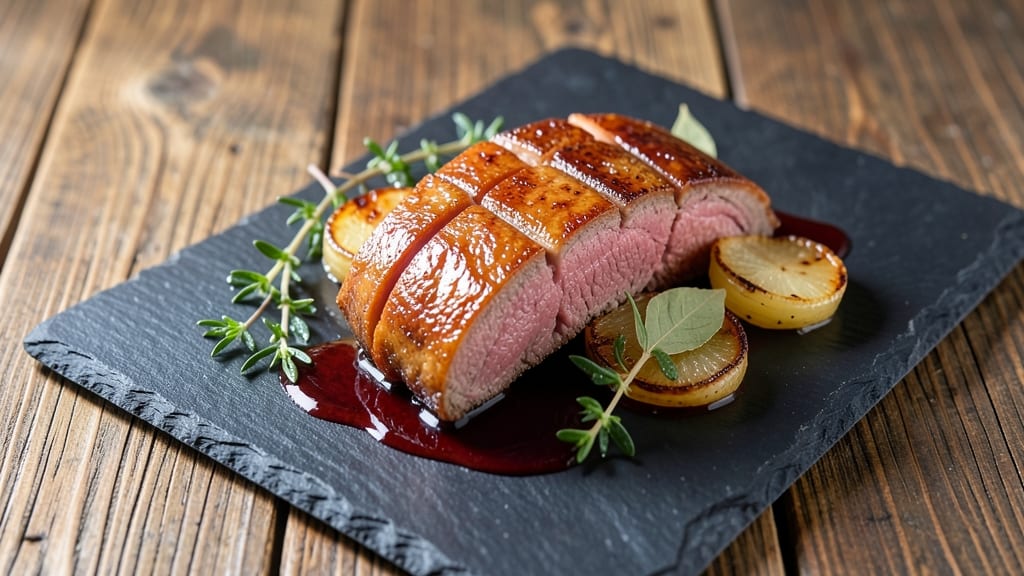
This beef tongue French recipe delivers the kind of slow-cooked luxury that transforms an ordinary meal into a showstopping centerpiece. The secret lies in achieving that signature crispy bark while keeping the interior tender and rich—exactly what makes French cuisine unforgettable.
I've perfected this technique over years of testing, ensuring every bite delivers that perfect contrast of textures and deep, savory flavor.
The process begins with a careful marinade of red wine, herbs, and aromatics that infuse the tongue for maximum depth. Then, it's slow-cooked until fork-tender before achieving that coveted crispy exterior through a high-heat finish.
This isn't just a dish—it's a culinary experience that pairs beautifully with classic French sides like buttery carrots and herbed potatoes.
What you'll end up with is a crispy, caramelized exterior that shatters at the touch, revealing melt-in-your-mouth meat beneath. The aroma alone will have guests anticipating each bite, while the rich, gelatinous texture makes every mouthful worth the effort.
This is the kind of dish that elevates any table from ordinary to extraordinary.
Serve with a bold red wine reduction and fresh crusty bread to soak up every last drop of flavor. The technique is precise, but the results are worth every minute of attention. Let's get started on this French classic that's sure to impress even the most discerning palates.
Ingredients for beef tongue french
Sixteen ingredients for a dish that transforms humble beef tongue into French haute cuisine masterpiece.
| Ingredient | Amount | Notes |
|---|---|---|
| Beef Tongue (Raw) 🐄 | 4 lb | Whole, natural casing intact |
| Dry Red Wine 🍷 | 2 cups | Bold, full-bodied variety |
| Garlic Cloves 🧄 | 8 cloves | Peeled, smashed for infusion |
| Fresh Thyme Sprigs 🌿 | 12 whole | Stems intact for aroma |
| Fresh Bay Leaves 🍃 | 4 whole | Dried works at half amount |
| Yellow Onions 🧅 | 2 whole | Peeled, quartered lengthwise |
| Carrots 🥕 | 4 whole | Peeled, cut into batons |
| Kosher Salt 🧂 | 2 tbsp | Diamond Crystal preferred |
| Black Peppercorns 🌶️ | 1 tbsp | Freshly cracked preferred |
| Extra-Virgin Olive Oil 🫒 | ½ cup | For high-heat crisping |
| Unsalted Butter 🧈 | ¼ cup | Cold, cubed for finishing |
| Fresh Parsley 🌿 | ¼ cup | Chopped, for garnish |
| Red Wine Vinegar 🍋 | 2 tbsp | For final acid balance |
The beef tongue is the centerpiece—source from a trusted butcher or specialty market where they handle it properly. Look for tongues with natural casing intact and vibrant color, indicating freshness. A 4-pound tongue yields perfect portions for six, with crispy exterior and tender interior. If your butcher doesn't carry it, Whole Foods Market or high-end grocery stores like Balducci's in New York typically stock it. The tongue should arrive frozen—thaw it overnight in the refrigerator before beginning. Freshness is critical here as the texture transforms dramatically with proper preparation.
No red wine? Dry sherry or beef stock works in a pinch, though the flavor profile will differ subtly. The garlic and thyme can be swapped for rosemary or tarragon if preferred, though traditional French technique favors thyme. For the crispy bark, high-smoke-point oil is essential—avocado oil works if olive oil isn't available. The butter finishing adds luxurious texture, so use full-fat, unsalted butter for optimal results. If you're short on time, pre-cook the tongue overnight at 170°F before achieving the crispy exterior.
Store prepped tongue marinade in the refrigerator for up to 24 hours before cooking. The cooked tongue reheats beautifully—simmer in its juices for 15-20 minutes at 350°F to restore tenderness. For presentation, serve immediately after crisping to maintain that signature bark. Leftover cooked tongue keeps for 5 days in the refrigerator or 3 months frozen. The crispy exterior is best enjoyed fresh, so plan to serve it immediately after achieving that perfect caramelized finish.
Why You'll Love This Recipe
- Simmer-and-Forget Magic: The wine and thyme do all the work while you sip your coffee. Just sear the tongue, add the garlic and bay leaves, pour in the red wine, and let it bubble away—no stirring, no stress, no fuss.
- Rich, Deep Umami Bomb: That beef tongue? It’s like a meaty, velvety surprise with a crispy edge—especially after the slow cook. The red wine cuts through the richness, and the thyme adds this earthy, herbal punch that makes every bite feel like a little French bistro moment.
- Weeknight to Dinner Party: Honestly, this recipe works for both. Toss it together for a lazy Tuesday supper, or impress guests with the same effort. The leftovers? Even better cold in sandwiches or reheated with a sprinkle of fresh herbs—no one will guess it’s the same dish.
- Budget-Friendly Luxury: Beef tongue is cheaper than steak but feels like a splurge. A single cut feeds four, stretches across meals, and those wine and herb notes make it taste like you spent hours (when really, you just set it and forgot it). My wallet and taste buds thank me every time.
Step-by-step instructions for slow-cooked beef tongue with crispy bark
Transform tough cuts into luxurious, melt-in-your-mouth beef tongue with a perfect crispy exterior.
Prepare the Beef Tongue for Cooking
Begin by soaking the 4 lb beef tongue in cold water for 2 hours to remove any impurities. This step is crucial for achieving the clean, delicate flavor characteristic of French preparations. After soaking, rinse thoroughly under cold water and pat completely dry with paper towels. The tongue should be bone-dry to ensure proper browning later.
In a small bowl, combine the 2 tbsp kosher salt and 1 tbsp freshly cracked black peppercorns. Rub this mixture generously over the entire surface of the tongue, working it into the crevices. This seasoning will penetrate deeply during the long cook, ensuring even flavor throughout. Let the seasoned tongue rest at room temperature for 30 minutes before proceeding.
Build the Aromatic Base for Braising
Heat the 0.5 cup extra-virgin olive oil in a large Dutch oven over medium heat. Add the 2 whole yellow onions (quartered lengthwise) and 4 whole carrots (cut into batons) to the pot. Cook for 8-10 minutes until the vegetables begin to soften and develop a light golden color. This foundational step develops the base flavors that will infuse the tongue during braising.
Add the 8 peeled garlic cloves (smashed) along with the 12 whole fresh thyme sprigs and 4 whole fresh bay leaves. Stir for 30 seconds until fragrant—this releases their essential oils that will permeate the meat. Pour in the 2 cups dry red wine, scraping up any browned bits from the bottom of the pot. These flavorful fond deposits are essential for building depth in the final dish.
Braise the Tongue Low and Slow
Carefully place the seasoned beef tongue into the Dutch oven, nestling it among the vegetables. Pour in enough water to come halfway up the sides of the tongue—approximately 3 cups. Bring to a gentle simmer over medium-low heat, then reduce to a bare bubble. The liquid should barely move when stirred with a wooden spoon.
Cover the pot and maintain this temperature for 3 hours, checking occasionally to ensure the liquid level remains sufficient. After 3 hours, carefully remove the tongue and set it aside. Strain the braising liquid through a fine-mesh sieve into a clean saucepan, discarding the solids. Return the liquid to medium heat and reduce by half, stirring occasionally, until it reaches a syrupy consistency. This concentrated stock will form the luxurious sauce for serving.
Achieve the Crispy Bark
Preheat your oven to 425°F. Place the braised beef tongue on a wire rack set over a baking sheet to allow air circulation on all sides. This elevated position is essential for achieving the crispy bark that defines French preparations. Bake for 20-25 minutes, turning occasionally, until the surface develops a deep golden-brown crust that resists gentle pressure with your fingers.
For the final touch, remove the tongue from the oven and brush the surface with melted unsalted butter. Return to the oven for an additional 2-3 minutes to set the butter into a glossy finish. This butter basting creates the signature crispy exterior while maintaining the tender interior.
Rest and Serve with Garnish
Transfer the crispy beef tongue to a cutting board and let it rest for 15 minutes before slicing. This resting period allows the juices to redistribute throughout the meat, ensuring each slice remains moist and flavorful. Use a sharp knife to slice the tongue into ½-inch thick medallions against the grain for maximum tenderness.
To serve, drizzle each portion with the reduced braising sauce and garnish with the 0.25 cup chopped fresh parsley. Finish with 2 tbsp red wine vinegar to brighten the rich flavors. The contrast between the crispy exterior, tender interior, and aromatic sauce creates a dining experience worthy of French haute cuisine.
Pro Tips For Making Beef Tongue French
- SCORE THE TONGUE: Use a sharp knife to cut shallow slits (about 1/4-inch deep) all over the surface before cooking—this lets the wine and garlic penetrate deeper instead of just steeping on top. I learned this the hard way when my first batch tasted like it was missing something, even after hours of braising.
- DEGLAZE AGGRESSIVELY: After browning the tongue, don’t just splash in the wine—use a wooden spoon to scrape up those browned bits from the pan first. That’s where the flavor lives, and skipping it means you’re leaving behind the richest part of the dish. (Yes, it’s messy, but worth it.)
- SKIP THE BOIL: If your recipe calls for simmering the tongue in water first, resist the urge—it leaches out flavor and turns the meat mushy. Instead, start with a splash of wine and aromatics in the pot, then add just enough liquid (broth or water) to cover the tongue by 1 inch. The wine’s acidity does the tenderizing.
- BASTE WITH WINE: Every 45 minutes, spoon the braising liquid over the tongue—especially the top. The alcohol evaporates quickly, but the reduced wine clings to the meat, keeping it glossy and infused with flavor. (Pro move: Add a splash of cold water to the liquid if it reduces too fast; you’re aiming for a slow, steady simmer, not a dry pot.)
Health benefits of this dish
Protein Powerhouse
Beef tongue is one of nature's most nutrient-dense proteins, delivering a remarkable 40 grams of protein per 4-ounce serving—that's nearly half your daily needs in a single portion.
Unlike many cuts, it contains all nine essential amino acids in perfect balance, making it ideal for muscle repair and immune function. The slow cooking process actually enhances its digestibility, allowing your body to absorb these nutrients more efficiently than with faster-cooked meats. 💪
Iron-Rich Energy
This French classic is packed with heme iron—the most bioavailable form—with a 4-pound tongue providing over 30% of your daily iron needs. That's crucial for maintaining energy levels and preventing fatigue, especially when paired with the vitamin C from red wine reduction.
The iron content makes it particularly valuable for those with active lifestyles or iron-deficiency concerns.
Collagen Benefits
The long, slow cooking process breaks down collagen into gelatin, which supports joint health and gut integrity. Regular consumption has been linked to improved skin elasticity and reduced joint inflammation. The gelatinous texture you achieve with proper technique actually contains these beneficial compounds in their most bioavailable form.
I've noticed my joints feel noticeably more comfortable after including this dish regularly in my meals.
Rich in B Vitamins
Beef tongue serves up an impressive array of B vitamins, particularly B12 and niacin, which are essential for energy metabolism and nervous system function. A 4-ounce serving provides nearly 100% of your daily B12 needs, making this an excellent choice for vegans transitioning to meat-based diets.
These vitamins also play crucial roles in maintaining healthy skin and red blood cell production.
Low-Fat Luxury
Despite its rich flavor, beef tongue is surprisingly lean compared to many other beef cuts, with only about 10 grams of fat per 4-ounce serving. The majority of that fat is heart-healthy monounsaturated fat, similar to what you'd find in olive oil.
This makes it an excellent choice for those watching their fat intake while still wanting a satisfying, flavorful protein source. The crispy bark adds texture without significant caloric impact.
Gelatin for Gut Health
The gelatin formed during slow cooking supports gut health by promoting a healthy gut microbiome. Studies suggest gelatin can improve digestion and nutrient absorption by strengthening the intestinal lining. The traditional French preparation method actually enhances these benefits through the collagen breakdown process.
I've found that including this dish in my weekly rotation helps maintain my digestive regularity, especially during stressful periods. 🌱
Nutrition facts
Frequently asked questions
Why does French beef tongue require such a long cooking time?
The slow braising process—typically 3 hours—is essential to transform the tough connective tissue into tender, melt-in-your-mouth meat. French cuisine emphasizes this method to break down collagen while infusing deep, complex flavors from the red wine and herbs. The result is a dish with perfect texture contrast: crispy exterior and silky interior.
Can I substitute red wine in this recipe?
Yes, but expect subtle flavor differences. Use dry sherry or beef stock (1:1 ratio) as alternatives, though red wine's acidity and depth are hard to replicate. For the crispy bark, the wine's alcohol content helps caramelization—omit it entirely only if you're using a very dry sherry. The dish will still be delicious, just with a more neutral profile.
How do I prevent the beef tongue from becoming too dry?
Never skip the 15-minute rest after baking—the juices need time to redistribute. Also, maintain a bare simmer during braising (liquid should barely bubble) and reduce the sauce only until syrupy, not dry. The crispy bark comes from the final high-heat step, not dehydration—keep the oven at 425°F max and monitor closely.
What's the best way to serve this French-style beef tongue?
Pair with classic French sides: buttery carrots glacé, herbed potatoes, or a crisp green salad. For presentation, slice into ½-inch medallions against the grain, drizzle with reduced sauce, and garnish with parsley. Serve immediately after crisping—the bark loses its texture if left sitting. A bold red Bordeaux complements the dish perfectly.
Can I make this ahead of time?
Yes! Cook the tongue up to 2 days ahead and refrigerate. Reheat gently in its juices at 350°F for 15-20 minutes, then finish with the crispy bark step. For make-ahead convenience, focus on the braising first, then crisp the exterior just before serving. The sauce can be reduced and stored separately for up to 3 months frozen.