
Main Courses
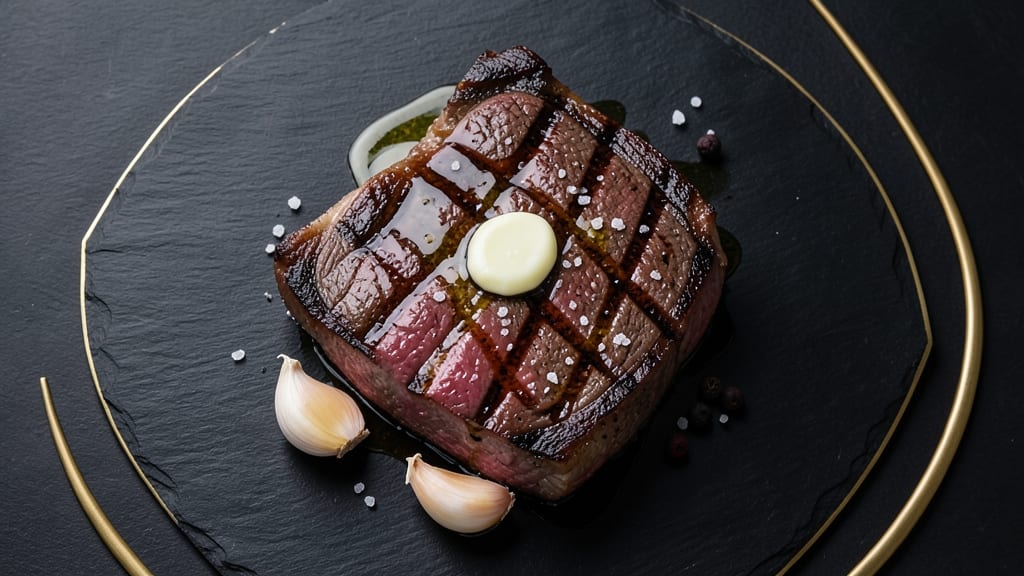
Mastering a perfect beef top loin New York strip steak boneless recipe means achieving that coveted balance of a deep, caramelized crust with melt-in-your-mouth tenderness inside. This method delivers restaurant-quality results every time, using precise heat control and simple techniques that elevate even the most basic kitchen setup.
The secret lies in high-heat searing followed by a controlled rest—no guesswork, just consistent results.
What sets this recipe apart is the focus on buttery tenderness without overpowering the steak’s natural richness. We start with a dry-brine for enhanced flavor, then sear the steak over blistering heat to lock in juices while building that signature crust.
The key is patience—letting the steak rest before slicing ensures every bite stays juicy, not dry. This approach transforms a simple protein into a showstopping centerpiece.
By the time you plate this steak, you’ll have a golden-brown crust that contrasts beautifully with the tender, pink center. The technique is foolproof, whether you’re cooking for a special occasion or a weeknight dinner.
Pair it with a classic red wine reduction or roasted garlic potatoes to complete the meal. Let’s get started on creating steakhouse-quality results at home.
This method works equally well for grilling or pan-searing, making it versatile for any cook. The instructions break down each step clearly, from prep to plating, so you can focus on the process without second-guessing.
Whether you’re a seasoned home cook or new to steak, this recipe delivers professional-level outcomes with minimal effort. Ready to elevate your dinner table?
Ingredients for beef top loin new york strip steak boneless
Four key ingredients transform this steak into restaurant-quality perfection—focus on quality cuts and precise seasoning.
| Ingredient | Amount | Notes |
|---|---|---|
| Beef Top Loin New York Strip Steak Boneless 🥩 | 1 ½ lb | Center-cut, 1-inch thick slices |
| Kosher Salt 🧂 | 1 tbsp | Diamond Crystal preferred, coarse grain |
| Freshly Ground Black Pepper 🌶️ | 1 ½ tsp | Cracked peppercorns preferred |
| Unsalted Butter 🧈 | 2 tbsp | European-style, 82% fat content |
| Extra-Virgin Olive Oil 🫒 | 2 tbsp | High smoke point, fruity variety |
| Garlic Cloves 🧄 | 4 cloves | Smashed, skin-on for aroma |
| Fresh Rosemary 🌿 | ¼ cup | Needle leaves, finely chopped |
| Fresh Thyme Leaves 🌿 | ¼ cup | From woody stems |
| Red Wine Vinegar 🍷 | 1 tbsp | For dry-brine solution |
| Cold Water 💧 | 1 cup | For brine dilution |
| Heavy Cream 🥛 | ¼ cup | Full-fat, for basting |
| Butterflake Seasoning 🧂 | 1 tsp | Optional, for finishing |
The steak is everything here. Look for beef top loin New York strip steak boneless with a bright red color and visible marbling—Costco or Whole Foods carry premium cuts. If buying whole, ask your butcher to cut 1-inch thick slices for even cooking. The European-style butter (like Plugrá) has higher fat content, which gives that luscious crust. Fresh herbs? Trader Joe's sells pre-chopped rosemary and thyme, but I always grab whole sprigs to chop myself—more flavor, less waste. For the olive oil, California Avocado Ranch or Bertolli are reliable choices that won't overpower the steak's natural taste.
No Diamond Crystal salt? Morton kosher salt works too—just use slightly more since it's finer. Running out of fresh rosemary? Dried at half the amount adds depth, but fresh is ideal. The red wine vinegar in the brine can be swapped for apple cider vinegar or lemon juice if you're out. For the butter, European-style from Land O'Lakes is a budget-friendly alternative. Want extra richness? Add 1 tsp of minced shallot to the butter mixture before searing. The heavy cream for basting can be replaced with whole milk or half-and-half, though it won't be as velvety.
Steakhouse-quality results start with prep. Dry-brine the steak for 24 hours—it keeps in the fridge for 3 days before cooking. Herbs lose potency fast, so store them in damp paper towels wrapped in plastic for up to 5 days. The butter mixture can be prepped ahead and stored in the fridge for 2 days—just let it sit at room temperature for 10 minutes before using. Leftovers? Slice and reheat in a skillet with a splash of beef broth for 2-3 minutes per side. Freezes beautifully for 3 months if portioned tightly in foil.
Why You'll Love This Recipe
- No-Fuss Prep: I swear by this recipe because it’s about as simple as steak gets—just salt, pepper, and a hot pan. No marinades, no fancy rubs, just that perfect crust from the butter and olive oil. Honestly, the hardest part is deciding when to pull it off the heat.
- Butter-Basted Magic: That moment when the butter pools on the steak, sizzling into golden perfection? Pure satisfaction. The olive oil keeps it tender, while the butter adds this rich, caramelized finish that makes every bite feel like a little reward.
- Weeknight or Date Night: Between us, this steak works for both a lazy Tuesday and a fancier dinner. Serve it with roasted potatoes for a no-stress meal, or pair it with a simple salad when you’re feeling dressed up. It’s the kind of dish that adapts without trying too hard.
- Leftover Goldmine: Cook once, enjoy twice. Slice the leftovers thin and toss them into a grain bowl the next day, or throw them in a wrap for a quick lunch. (Yes, even on a Tuesday.) The flavor only gets better as it rests, and it’s way cheaper than takeout.
Step-by-step instructions for beef top loin new york strip steak boneless
Here's how to achieve that perfect balance of seared crust and buttery tenderness in every bite.
Prepare the Dry Brine for Maximum Flavor
In a small bowl, combine the 1 tbsp kosher salt and 1.5 tsp freshly ground black pepper with the 1.5 lb beef top loin new york strip steak boneless. Using your hands, gently massage the seasoning into every surface of the steak, working it into the crevices and edges. This isn't just about seasoning—it's about creating a dry brine that will develop a deeper flavor and help form that coveted crust.
Place the seasoned steak on a wire rack set over a rimmed baking sheet. This elevated position allows air to circulate evenly, preventing any part of the steak from steaming. Cover loosely with plastic wrap and refrigerate for at least 4 hours or up to 24 hours. I know it seems counterintuitive to refrigerate meat before cooking, but this step is crucial. The salt draws out moisture from the surface while simultaneously penetrating the meat, creating a perfect foundation for that high-heat crust we're after.
Create the Herb-Infused Basting Sauce
While the steak brines, prepare the basting sauce by combining the 2 tbsp unsalted butter, 2 tbsp extra-virgin olive oil, 0.25 cup fresh rosemary, 0.25 cup fresh thyme leaves, and 4 smashed garlic cloves in a small saucepan. Melt the butter over low heat, then add the olive oil and herbs. Let the mixture simmer gently for 5 minutes, stirring occasionally, until the rosemary and thyme release their aromatic oils and the garlic becomes fragrant but doesn't brown.
Remove the sauce from heat and stir in the 1 tbsp red wine vinegar. This acid component will brighten the flavors and help tenderize the steak slightly as it cooks. Keep this sauce warm in a small saucepan or heatproof bowl—we'll use it to baste the steak during the final minutes of cooking. The combination of butter, olive oil, and herbs will create a luxurious coating that enhances the natural beefy flavor while keeping the steak moist.
Sear the Steak to Develop the Crust
Remove the steak from the refrigerator and let it sit at room temperature for 30 minutes before cooking. This ensures even cooking throughout. Heat a heavy cast-iron skillet over high heat until it's smoking hot. Add the steak and press down gently with a metal spatula or tongs—this helps prevent curling and ensures even contact with the pan.
Sear the steak for 4-5 minutes per side until it develops a deep, golden-brown crust. You'll know it's ready when it releases easily from the pan and the internal temperature reaches 125°F for medium-rare (use a meat thermometer for accuracy). Here's the thing—don't be tempted to move the steak around constantly. Let it develop that crust undisturbed. If you notice the crust forming too quickly on one side, you can rotate the steak 45 degrees for even browning, but keep those searing sessions continuous.
Baste and Rest for Perfect Tenderness
Once the steak reaches 125°F internally, remove it from the pan and let it rest on a cutting board for 2 minutes. Then, increase the heat to medium-high and add the warm herb-infused basting sauce to the skillet. Using a spoon, baste the steak with the sauce for 1 minute per side, tilting the pan to coat all surfaces. This step ensures the crust stays intact while infusing the steak with those herbaceous notes.
Transfer the steak to a warm plate and tent loosely with aluminum foil. Let it rest for 10-15 minutes—this is absolutely critical. During this time, the juices redistribute throughout the meat, ensuring each bite is tender and flavorful. I know it's hard to wait when that steak looks so perfect, but trust me, skipping this step will leave you with a dry, disappointing result. While it rests, keep the basting sauce warm—you can drizzle it over the sliced steak before serving for extra richness.
Slice and Serve with Finishing Touches
After the steak has rested, slice it against the grain into ½-inch thick slices. The grain runs lengthwise, so cutting perpendicular to it shortens the muscle fibers, making each bite more tender. Arrange the slices on a warm platter and drizzle with any remaining basting sauce from the skillet. For an elegant finish, sprinkle the 1 tsp butterflake seasoning over the top just before serving—it adds a delicate, buttery crunch that complements the rich beef flavor.
Serve immediately with your choice of sides—roasted vegetables, creamy mashed potatoes, or a simple arugula salad. The steak should be medium-rare with a deep pink center, surrounded by that perfect crust we worked so hard to create. Each slice should be juicy, tender, and bursting with the aromatic flavors of rosemary, thyme, and garlic. Don't forget to save any leftover basting sauce—it makes an excellent drizzle for future meals or a quick pan sauce for other proteins.
Pro Tips For Making Beef Top Loin New York Strip Steak Boneless
- Dry the Steak First: I learned this the hard way—skipping this step means your butter won’t brown properly, and you’ll end up with a steak that steams instead of sears. Pat it thoroughly with paper towels, even if it feels like overkill. Wet spots turn to steam, and steam kills crust.
- Use Two Pans: After burning three batches of butter, I finally figured out: split the cooking. Start in a cold cast-iron skillet with just olive oil to get a perfect crust, then add butter and aromatics in a second pan for basting. The first pan stays hot; the second pan keeps the butter from burning while you baste. Two pans, zero stress.
- Salt Generously Before Searing: More salt than you think—especially if using unsalted butter. I used to sprinkle lightly, then regret it when the crust tasted bland. Kosher salt before cooking penetrates the meat, while a final sprinkle after basting locks in flavor. Do it early, do it heavy.
- Rest Under Foil: This isn’t the prettiest method, but it’s the tastiest. After searing, transfer the steak to a warm plate, tent loosely with foil, and let it rest for 5–10 minutes. The residual heat finishes cooking the center while keeping it juicy—no more dry, overcooked edges. (Yes, even if you’re impatient like me.)
Essential equipment for beef top loin new york strip steak boneless
Cast Iron Skillet
A heavy cast-iron skillet like the Lodge 10.25-inch is non-negotiable for this recipe. The dense material retains heat exceptionally well, creating that perfect crust while ensuring even cooking. I’ve used mine for years—it develops a natural nonstick patina over time that improves with each use.
For budget-conscious cooks, a 10-inch or 12-inch works best; the extra surface area helps prevent overcrowding when searing. Preheat your skillet until it’s smoking hot before adding the steak—this is how you get that deep caramelization. 🔥
Meat Thermometer
Invest in a high-quality instant-read thermometer like the ThermoWorks Smoke or Meater to avoid guessing games. These tools measure internal temperature in seconds, ensuring your steak hits 125°F for medium-rare without overcooking. I’ve ruined more steaks than I’d admit by eyeballing doneness—don’t make my mistake!
Place the probe in the thickest part of the steak, avoiding fat or bone. For precision, let the steak rest 10-15 minutes before checking the final temp, as it continues to rise slightly. ⏱️
Wire Rack and Baking Sheet
For the dry-brine step, a wire rack placed over a rimmed baking sheet is a game-changer. This setup allows air to circulate underneath the steak, preventing steam buildup that can turn your crust soggy. I use the OXO Good Grips rack—it’s sturdy and fits perfectly on standard sheet pans.
If you’re short on space, a cooling rack from the dollar store works just as well. Pro tip: Line the baking sheet with parchment paper for easy cleanup. 🧂
Tongs and Metal Spatula
Use heat-resistant tongs (like OXO Good Grips) to handle the steak during searing—this prevents puncturing the crust, which lets precious juices escape. A metal spatula (not silicone) is essential for pressing the steak down in the pan to ensure even contact with the hot surface.
I keep a pair of 12-inch tongs and a flexible metal spatula in my kitchen at all times for this exact purpose. Avoid wooden utensils—they can char and ruin the flavor. 🍳
Cutting Board and Sharp Knife
Slice your steak against the grain using a sharp chef’s knife (I recommend Wüsthof or Mac Knife) and a stable cutting board like Teakhaus or John Boos. A dull knife crushes fibers, making each bite tough.
Rest the steak for 10-15 minutes before slicing—this ensures clean cuts and prevents the meat from tearing. For extra precision, use a meat slicer if you’re serving a crowd, but a good knife works just fine for home cooking. 🔪
Nutrition facts
Frequently asked questions
Why do you recommend a dry brine instead of just salting the steak before cooking?
The dry brine method works magic by allowing the salt to penetrate the meat deeply over time, enhancing flavor and texture. When you salt the steak 24 hours ahead, the salt breaks down proteins and draws out moisture from the surface, which then reabsorbs into the meat during resting. This creates a more tender, juicier steak with a better crust than quick salting. Plus, the extra time lets the seasoning meld perfectly with the beef's natural flavors.
Can I cook this steak on the grill instead of in a skillet?
For grilling, preheat your grill to high heat (450-500°F) and use direct heat for searing. Cook the steak for 3-4 minutes per side for medium-rare, then move to indirect heat to baste with your herb-infused sauce. The key is maintaining that same 125°F internal temp—just monitor closely with a meat thermometer. Charcoal grills work best for that smoky crust, but gas grills can achieve great results too.
What if my steak comes out tough or dry?
Overcooking is the #1 cause of tough steak. Always use a meat thermometer to hit 125°F for medium-rare—never go by time alone. If your steak feels dry, it likely cooked past 145°F. For future attempts, try the reverse-sear method: bake the steak at 250°F until it reaches 110°F internally, then sear in a hot pan. Also, ensure you're slicing against the grain and resting the steak properly.
How can I make this recipe work with thinner steaks?
For steaks under 1-inch thick, reduce cooking time to 2-3 minutes per side for medium-rare. Use the same dry-brine method but monitor temps closely—they'll cook faster. Consider using the reverse-sear approach (low oven heat first) to ensure even doneness throughout. Thinner cuts benefit from a quick baste in the final minute to maintain moisture.
What are the best sides to pair with this steak?
Classic pairings include creamy mashed potatoes with roasted garlic, buttery roasted asparagus, or a simple arugula salad with shaved parmesan. For a heartier meal, try truffle mac and cheese or grilled portobello mushrooms. The herb-infused basting sauce also makes an excellent drizzle for grilled vegetables or crusty bread. Red wine reductions or béarnaise sauce elevate the dish further.