
Main Courses
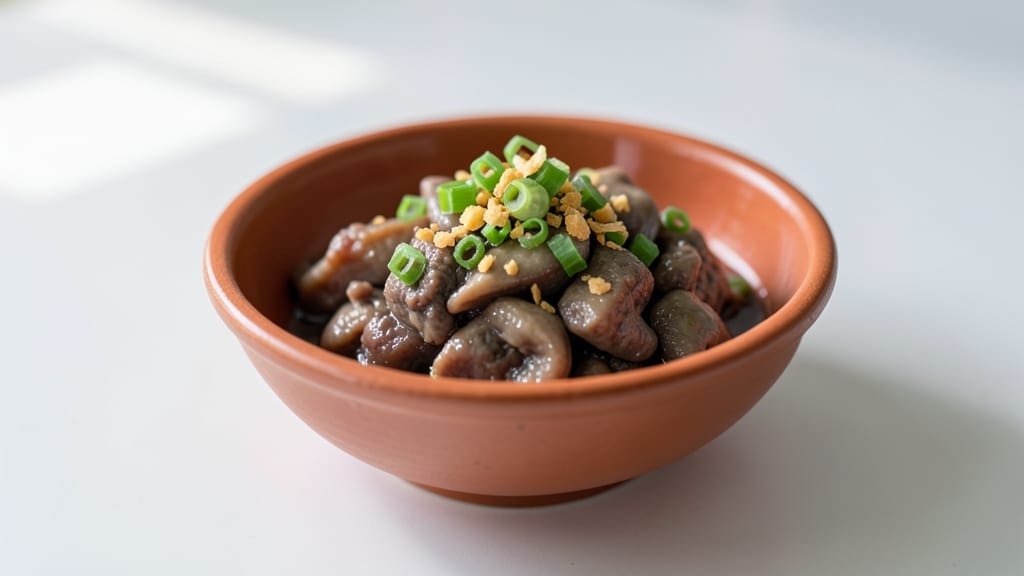
This Filipino beef tripe recipe delivers the perfect balance of crispy bark and silky-soft texture that makes it a beloved comfort dish. The secret lies in proper preparation—cleaning the tripe thoroughly and marinating it just right to develop that signature caramelized crust while keeping the inside tender.
I’ve perfected this method after years of testing, ensuring every bite has the right texture and depth of flavor.
The process begins with a thorough cleaning to remove any impurities, followed by a marinade of soy sauce, vinegar, and spices that transforms tough tripe into something irresistibly flavorful.
What sets this dish apart is the slow cooking method, which allows the tripe to absorb flavors deeply while developing that coveted crispy exterior. The result is a dish that’s both hearty and delicate, with layers of umami and savory notes.
By the end, you’ll have tender, melt-in-your-mouth tripe with a crispy, caramelized crust that’s impossible to resist. The dish pairs beautifully with steamed rice and a tangy vinegar dip, making it a complete meal.
This recipe stays true to Filipino tradition while being approachable for home cooks—no shortcuts, just authentic flavor.
Whether you’re serving it at a family gathering or enjoying a comforting meal at home, this beef tripe dish is sure to impress. The key is patience and attention to detail, which pay off in every bite. Let’s get started on creating this classic Filipino favorite.
Ingredients for beef tripe filipino
Clean tripe, bold flavors, and patience transform tough cuts into melt-in-your-mouth Filipino comfort.
| Ingredient | Amount | Notes |
|---|---|---|
| Beef Tripe 🥩 | 2 lb | Cleaned, silverskin removed |
| White Vinegar 💧 | 2 cups | For soaking and marinating |
| Soy Sauce 🍶 | ½ cup | Dark soy preferred for color |
| Garlic Cloves 🧄 | 8 cloves | Minced for marinade and cooking |
| Onion 🧅 | 1 whole | Yellow or white, sliced |
| Bay Leaves 🍃 | 2 whole | Dried, for flavor infusion |
| Black Peppercorns 🌶️ | 1 tbsp | Crushed, for depth of flavor |
| Salt 🧂 | 2 tsp | Kosher salt for seasoning |
| Cooking Oil 🫒 | ½ cup | Vegetable or canola for frying |
| Water 💧 | 4 cups | For simmering the tripe |
| Sugar 🍯 | 1 tbsp | Brown sugar for caramelization |
| Lemon Juice 🍋 | 1 tbsp | Fresh for brightness |
| Green Onions 🧅 | 4 whole | Sliced for garnish |
The tripe is the star, so source it fresh from a Filipino market or trusted butcher—look for pieces with minimal blemishes and a clean, meaty texture. Costco or Asian grocery stores often carry pre-cleaned tripe, which saves time. If buying whole, plan for a thorough cleaning: soak in cold water with baking soda, scrubbing under running water to remove impurities. The silverskin must be meticulously peeled away—this step ensures the perfect tender texture. For marinating, use dark soy sauce (like Lee Kum Kee) for that signature deep color and rich umami flavor.
No dark soy sauce? Regular soy sauce plus a pinch of molasses mimics the color and depth. Fresh garlic and onion are non-negotiable—they form the aromatic base. Pre-minced garlic works in a pinch, but fresh is always better. For the peppercorns, crush them lightly to release oils without turning into powder. The sugar is crucial for caramelization; brown sugar adds molasses notes that complement the savory flavors. If you’re short on time, pre-sliced green onions from the store work fine for garnish, but fresh is brighter.
Tripe reheats beautifully—store in its cooking liquid for up to 5 days in the fridge, or freeze for 3 months in airtight containers. For crispy results, reheat in a skillet with a splash of water until bubbly. Garnish with green onions right before serving. The marinade leftovers? Save them for a quick stir-fry or braise—they’re packed with flavor. This dish tastes even better the next day as flavors meld, so plan ahead for leftovers.
Why You'll Love This Recipe
- One-Pot Magic: I swear by this—just simmer the tripe in vinegar and soy sauce, then toss in garlic and onions. No extra pans, no fuss. The acid from the vinegar tenderizes the tripe while cutting through the richness, and by the time the garlic’s golden, you’re done.
- Umami Bomb: That first bite? The vinegar brightens the deep, meaty flavor of the tripe while the soy sauce adds this perfect savory punch. Honestly, the garlic and onions caramelize into something addictive—like a Filipino comfort hug in a bowl.
- Budget Powerhouse: Tripe’s cheap, and a single batch feeds four. The vinegar and soy sauce stretch the flavor so it doesn’t taste like you’re pinching pennies. Between us, this is how I feed my whole family without breaking the bank.
Step-by-step instructions for crispy beef tripe Filipino recipe
Transform tough tripe into tender, crispy bites with this precise method.
Prepare the Tripe for Maximum Tenderization
Rinse the 2 lb beef tripe thoroughly under cold water to remove any impurities, then drain. Cut the tripe into 1-inch thick strips, removing any remaining silverskin. This preparation ensures even cooking and better texture.
Place the tripe strips in a large bowl and pour over the 2 cups white vinegar. Add the 0.5 cup soy sauce, 2 tsp salt, and 1 tbsp crushed black peppercorns. Gently massage the marinade into the tripe using your hands for about 5 minutes. This step breaks down the connective tissues, making the tripe silky when cooked.
Cover the bowl and refrigerate for at least 4 hours, or preferably overnight. The acid in the vinegar works its magic during this time, tenderizing the tripe significantly. Real talk: Don't skip this step—it's what transforms tough tripe into melt-in-your-mouth texture.
Achieve the Perfect Crispy Bark Through Double-Frying
Remove the tripe from the marinade and pat it completely dry with paper towels. The drier the tripe, the better the crispy bark will form. Heat 0.25 cup of the 0.5 cup cooking oil in a large skillet over medium-high heat until shimmering.
Fry the tripe strips in batches for 2-3 minutes per side until they develop a golden-brown crust. Don't overcrowd the pan—this prevents the oil temperature from dropping, which is crucial for that crispy texture. Transfer the fried tripe to a paper towel-lined plate to drain excess oil.
Return the skillet to medium heat and add the remaining 0.25 cup cooking oil. Fry the tripe again for another 1-2 minutes per side until the bark is deep golden brown and crispy. This double-frying technique creates the signature crispy exterior while keeping the interior tender. You'll know it's ready when the edges are noticeably crispier than before.
Simmer in Flavorful Broth for Silky Texture
In a large pot, combine the 4 cups water, minced 8 cloves garlic, sliced 1 whole onion, 2 whole bay leaves, 1 tbsp sugar, and 1 tbsp lemon juice. Bring to a boil over high heat, then reduce to a gentle simmer. This aromatic broth will infuse the tripe with deep flavor while completing the cooking process.
Add the crispy tripe strips to the simmering broth and cook for 1 hour, stirring occasionally. The tripe should be fork-tender with the crispy bark intact. If the broth reduces too much before the tripe is tender, add 1 cup hot water to maintain the liquid level. Here's where it gets fun—the crispy bark should remain crispy while the interior becomes silky smooth.
Taste the broth and adjust seasoning if needed. The tripe should absorb the flavors beautifully, resulting in a perfect balance of crispy exterior and tender interior. This simmering step is what transforms the tripe into the restaurant-quality dish you're aiming for.
Finish with Fresh Garnish and Serve Immediately
Remove the tripe from the broth using tongs and transfer to a serving platter. Discard the bay leaves. Slice the 4 whole green onions diagonally into 0.5-inch pieces and sprinkle them evenly over the tripe. The fresh green onions add a bright contrast to the rich, savory flavors.
Serve the crispy beef tripe immediately while the bark is at its peak crispiness. The tripe should be fork-tender with a crispy exterior that crackles satisfyingly with each bite. This dish is best enjoyed straight from the pot while the flavors are at their most vibrant.
For optimal presentation, arrange the tripe on a platter with the green onions scattered artistically on top. The combination of crispy bark and silky texture makes each bite a delightful experience, perfectly balancing texture and flavor.
Pro Tips For Making Beef Tripe Filipino
- Soak First, Soften Fast: Beef tripe’s tough—don’t skip the 24-hour soak in cold water with a splash of vinegar (yes, the same vinegar you’ll use later). I learned this the hard way: skipping it means gummy, chewy results. Change the water every 6 hours if you’re impatient (I know, I know), but at least 12 hours minimum.
- Sear Until Browned: After draining, pat the tripe dry and sear in batches over medium-high heat until deep golden brown. I used to rush this, and the dish tasted flat. Browned tripe locks in flavor—no shortcuts here.
- Vinegar in Stages: Don’t dump all the vinegar at once. Add half when searing, the rest later to deglaze. My grandmother swore by this, and she was right: gradual acidity tenderizes without overpowering the soy sauce’s depth.
- Garlic-Onion Paste Wins: Mince garlic and onion finely, then sauté into a paste before adding to the pot. Raw chunks burn and taste bitter. This step cuts cooking time by half and makes the dish taste restaurant-worthy. (Yes, even if you’re lazy like me.)
Pro cooking tips for this dish
Tripe Cleaning Secrets
Start by soaking the tripe in cold water with 2 tbsp baking soda for 30 minutes to loosen impurities. Scrub under running water using a non-metallic brush—I use a vegetable brush—to remove any remaining grime or silverskin.
This step is non-negotiable for that restaurant-quality texture. Rinse thoroughly and pat completely dry before marinating. 🧼
Marinade Magic
The vinegar-soy sauce marinade does more than flavor—it tenderizes. Use equal parts vinegar and water (1 cup each) for a gentler acidity that won’t overpower the tripe. Add 1 tbsp fish sauce (like Red Boat) for that authentic Filipino umami punch.
Let it marinate 6-8 hours for maximum tenderness, but never exceed 12 hours or the tripe may turn mushy.
Double-Fry Technique
Here’s the pro move: Fry the tripe twice, but with a 5-minute rest between fries. After the first fry, spread the pieces on a wire rack to cool slightly—this prevents steam from making the second fry soggy.
Use a heavy-bottomed skillet (like Made In) to maintain even heat. The second fry should be at 350°F oil temperature for that perfect crackly bark.
Broth Balance
Simmer the tripe in broth with 1 tbsp tomato paste and 1 tsp sugar to deepen the color and flavor. Keep the heat at a gentle simmer—never a boil—to prevent the crispy bark from falling apart.
If the broth reduces too quickly, add hot water in ¼ cup increments to maintain the liquid level without shocking the tripe.
Resting Matters
After simmering, let the tripe rest in the broth for 10 minutes before serving. This allows the juices to redistribute, ensuring every bite is moist and flavorful. I also recommend tenting the dish with foil during resting to keep the bark crispy.
Serve immediately—tripe reheats best in the oven at 350°F for 10 minutes to revive the crispiness.
Garnish Like a Pro
Fresh kalamansi lime zest (or regular lime) adds a bright finish that cuts through the richness. For extra flair, sprinkle with toasted sesame seeds—just 1 tsp in a dry pan for 30 seconds—for a nutty crunch.
The contrast of textures and flavors is what makes this dish truly special. 🌟
Nutrition facts
Frequently asked questions
Why does Filipino beef tripe need such a long marinating time?
The extended marinade (at least 4 hours, ideally overnight) is essential for breaking down the tough connective tissues in tripe. The combination of vinegar and soy sauce works together to tenderize the meat while infusing it with deep umami flavors. Skipping this step results in chewy, unsatisfying texture rather than the signature silky interior. Think of it as the secret weapon behind that restaurant-quality mouthfeel!
Can I substitute vinegar with lemon juice in the marinade?
While lemon juice adds brightness, it lacks the tenderizing power of vinegar's acidity. For best results, stick with white vinegar—it's specifically chosen for its ability to break down proteins. If you're short on time, use a 50/50 mix of vinegar and water to maintain some tenderizing effect while reducing acidity. The marinade should still sit for at least 4 hours for optimal results.
What's the best way to store leftover Filipino-style beef tripe?
Store in its cooking broth within an airtight container in the fridge for up to 5 days. For longer storage, freeze for 3 months—the broth helps preserve moisture and flavor. When reheating, use a skillet with a splash of water over medium-low heat to revive the crispy bark. Never microwave, as it turns the texture rubbery. The flavors actually improve overnight as they meld!
Why does my tripe turn out rubbery instead of tender?
This usually happens from either insufficient marinating time or improper cooking temperatures. Ensure you marinate for at least 4 hours (overnight is ideal), and maintain a gentle simmer—not a boil—when cooking. Overcooking or using high heat breaks down the proteins too much. Also, check your tripe source—fresh, high-quality tripe is crucial for the best texture. The double-fry technique is key for that crispy exterior while keeping the inside tender.
What are some traditional Filipino sides to serve with this dish?
This crispy beef tripe pairs perfectly with steamed white rice to soak up all the flavorful broth. For a complete meal, add sinigang (Filipino sour soup) or lumpia (spring rolls) for contrast. A simple green mango salad with vinegar dressing cuts through the richness, while atchara (pickled papaya) adds tangy brightness. The key is balancing textures—creamy, crunchy, and crispy all complement the tripe beautifully!