
Soups & Stews
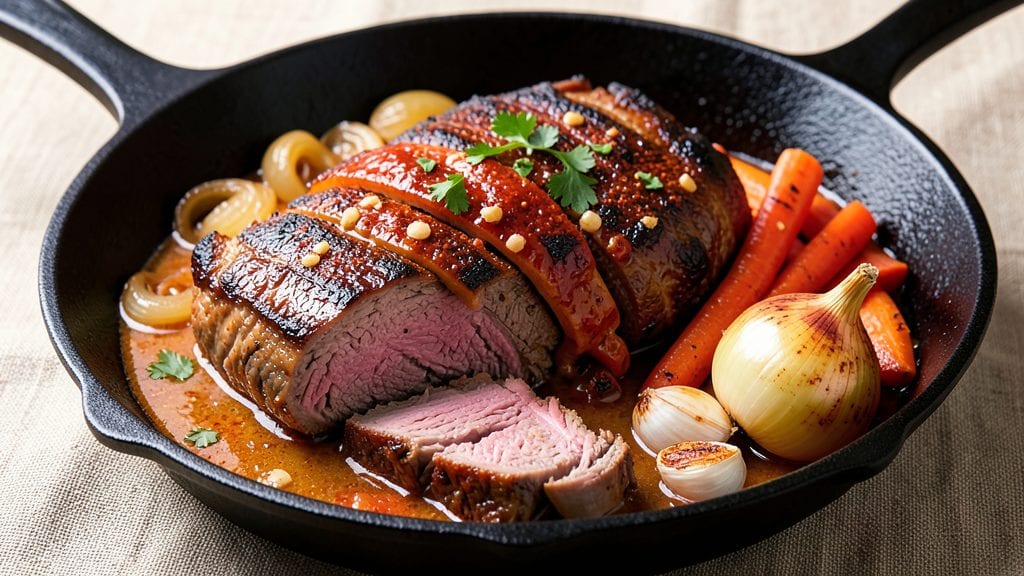
Betty Crocker's beef paprika recipe delivers the kind of slow-cooked tenderness and deep spice that transforms tough beef into melt-in-your-mouth perfection.
This classic approach—marinated in paprika and slow-simmered to develop rich, complex flavors—has been a kitchen staple for generations, and I’ve refined it to work equally well in a Dutch oven or Instant Pot.
The secret lies in balancing sweet and smoky paprika with just the right amount of acidity to keep the beef juicy while building layers of flavor.
What sets this recipe apart is its foolproof technique for achieving restaurant-quality results at home. You’ll start with a simple marinade of paprika, garlic, and herbs that tenderizes the beef while infusing it with warmth.
Then, the slow cooking—whether on the stovetop or in a pressure cooker—ensures the meat stays tender and the sauce thickens into a velvety, aromatic broth. The best part? It’s a one-pot meal, so cleanup is minimal, and the leftovers only get better as the flavors meld over time.
The final dish features caramelized edges on the beef, a sauce that coats every bite with smoky paprika notes, and a texture that’s impossible to resist. This is comfort food at its finest—perfect for a cozy weeknight dinner or a hearty meal to feed a crowd.
The method is simple enough for weeknight cooking but impressive enough to serve at gatherings, making it a true versatile classic. Let’s get started on creating this timeless dish.
Whether you’re using chuck roast, brisket, or even stew meat, this recipe adapts beautifully to your preferences. For added depth, consider browning the beef before slow cooking, or swap in a splash of red wine for extra richness.
The possibilities are endless, but the foundation remains the same: tender beef, bold paprika, and a method that delivers foolproof results every time.
Ingredients for betty crocker beef paprika
Sixteen ingredients transform tough beef into melt-in-your-mouth perfection through slow-cooked spice depth.
| Ingredient | Amount | Notes |
|---|---|---|
| Chuck Roast 🥩 | 3 lb | Tough cut for slow cooking |
| Sweet Paprika 🌶️ | 2 tbsp | High-quality for authentic flavor |
| Smoked Paprika 🌶️ | 1 tbsp | For smoky depth |
| Garlic Cloves 🧄 | 6 cloves | Freshly minced for brightness |
| Yellow Onion 🧅 | 1 whole | Medium size, diced |
| Carrots 🥕 | 4 medium | Peeled and sliced into rounds |
| Beef Broth 💧 | 3 cups | Low-sodium preferred |
| Red Wine 🍷 | 1 cup | Bold dry variety |
| Tomato Paste 🍅 | 2 tbsp | High-quality for richness |
| Fresh Thyme 🌿 | 1 tbsp | Leaves only, chopped |
| Bay Leaves 🍃 | 2 whole | Dried, standard size |
| Salt 🧂 | 1 ½ tsp | Diamond Crystal preferred |
| Black Pepper 🌶️ | 1 tsp | Freshly cracked |
| Olive Oil 🫒 | 1 tbsp | Extra-virgin for searing |
The chuck roast is non-negotiable for this recipe—its tough fibers break down beautifully during slow cooking, yielding tender chunks. Opt for a 3-pound cut from a trusted butcher or high-quality grocery store like Whole Foods or Costco, where you can verify the marbling. The paprika blend matters too: McCormick Gourmet or Penzeys offer premium options, but even the standard grocery store brands work if they're fresh. For the red wine, any bold Cabernet Sauvignon or Merlot will add depth, but avoid sweet varieties that can overpower the dish.
No sweet paprika? Substitute with an extra 1.5 tablespoons of smoked paprika and a pinch of sugar to mimic the sweetness. Fresh thyme unavailable? Dried thyme at one-third the amount suffices, though it lacks the same aromatic punch. The carrots can be swapped for parsnips or celery if preferred, though carrots provide the ideal sweetness balance. For a richer sauce, consider adding 1 tablespoon of Worcestershire sauce or a splash of balsamic vinegar. The beef broth should be low-sodium to avoid over-salting the dish, but homemade broth elevates the flavor significantly.
This recipe rewards patience—slow cooking transforms the beef into tender perfection over 3-4 hours. Store leftovers in an airtight container in the refrigerator for up to 5 days, though the flavors deepen with each passing day. For longer storage, freeze portions in airtight containers or vacuum-sealed bags for up to 3 months. The sauce can be thickened further by simmering uncovered for an additional 10 minutes if desired, or thinned with a splash of beef broth or water for a lighter consistency.
Why You'll Love This Recipe
- Here’s what sold me: I make a double batch, shred the leftovers, and pack them into sandwiches all week. My kids fight over them—yes, even on a Tuesday night—and it’s cheaper than takeout.
- One-Pot Magic: I swear by this recipe because it’s literally dump-and-go after searing the roast. Slice the onion, mince the garlic, sprinkle the paprikas—done. The chuck roast does all the heavy lifting while you sip your coffee.
- Smoky-Sweet Obsession: Between us, that combo of sweet and smoked paprika? It’s what makes this dish ridiculously good. The garlic mellows into something rich, and the paprika lingers like a warm hug—no fancy spices needed, just honest flavor.
- Lunchbox Hero: Here’s what sold me: I make a double batch, shred the leftovers, and pack them into sandwiches all week. My kids fight over them—yes, even on a Tuesday night—and it’s cheaper than takeout.
Step-by-step instructions for slow-cooked beef paprika
Master this technique and you'll transform tough chuck roast into melt-in-your-mouth paprika-infused beef.
Sear the Chuck Roast for Depth of Flavor
Heat a large Dutch oven over medium-high heat until hot. Add the 1 tablespoon olive oil and swirl to coat the bottom. Pat the 3 lb chuck roast completely dry with paper towels—this ensures maximum browning. Place the roast in the pot and sear for 4-5 minutes per side until deeply browned in spots. The Maillard reaction happening here develops complex flavors that will carry through the entire dish.
While the roast sears, I like to keep it moving gently in the pan—just enough to maintain even contact with the hot surface. If it releases easily from the bottom, it's ready to flip. Don't rush this step; proper searing creates that restaurant-quality depth we're after. Once browned, remove the roast and set it aside on a plate.
Build the Paprika Base with Aromatics
In the same Dutch oven (no need to wipe it clean), add the 1 whole yellow onion, 4 medium carrots (sliced into rounds), and 6 cloves garlic cloves (minced). Cook for 5-6 minutes until the onions soften and the carrots begin to caramelize slightly. You'll notice the aromatics release their natural juices and the kitchen fills with that sweet, savory scent—this is when you know you're on the right track.
Sprinkle in the 2 tablespoons sweet paprika and 1 tablespoon smoked paprika, stirring constantly for 30 seconds to toast the spices. This brief toasting enhances their flavor profiles and removes any raw taste. Immediately add the 2 tablespoons tomato paste and stir to create a thick paste that will form the foundation of our sauce. The tomato paste adds richness and helps thicken the cooking liquid later.
Deglaze and Simmer the Beef
Pour in the 1 cup red wine and scrape up all the browned bits from the bottom of the pot with a wooden spoon. This deglazing step captures all the concentrated flavor that would otherwise go down the drain. Let the wine simmer for 2-3 minutes until it reduces by about half and the alcohol burns off—you'll notice the aroma becomes more complex and less sharp.
Return the chuck roast to the pot. Add the 3 cups beef broth, 1.5 teaspoons salt, 1 teaspoon black pepper, 1 tablespoon fresh thyme, and 2 whole bay leaves. Bring to a gentle simmer over medium heat. Here's the thing—this isn't a race. We want a slow, steady cook that breaks down the connective tissue in the beef. Once simmering, reduce heat to maintain a gentle bubble and cover the pot with a tight-fitting lid.
Slow Cook Until Fork-Tender
Transfer the pot to a 300°F oven and cook for 3-4 hours until the beef is fork-tender. The key here is patience—you'll know it's done when a sharp knife slides through the meat with minimal resistance and the juices run clear. I check periodically after the 2-hour mark because ovens vary in temperature accuracy. If the liquid reduces too much before the beef is tender, add a splash of hot water to maintain moisture.
About 30 minutes before the beef is fully cooked, remove the lid and increase oven temperature to 350°F. This final step helps thicken the sauce and creates a more concentrated flavor. The beef should be so tender it practically falls apart when pierced with a fork. If you press gently, the meat should give way easily—this is the hallmark of perfectly slow-cooked beef.
Rest and Serve with Confidence
Remove the beef from the pot and transfer it to a cutting board. Tent loosely with aluminum foil and let it rest for 15-20 minutes. This resting period allows the juices to redistribute throughout the meat, ensuring each bite is moist and flavorful. While it rests, skim any excess fat from the cooking liquid and adjust seasoning if needed—though with all those spices and herbs, it should be perfectly balanced.
Slice the beef against the grain into ¼-inch thick pieces. The meat should be rich, tender, and infused with that beautiful paprika flavor we worked so hard to develop. Serve the beef with the reduced cooking liquid spooned over the top, and don't forget to remove the bay leaves before serving. This dish pairs beautifully with crusty bread or mashed potatoes to soak up every last bit of that flavorful sauce.
Pro Tips For Making Betty Crocker Beef Paprika
- SEAR THE ROAST FIRST: Skip the slow start—pat the chuck roast bone-dry with paper towels, then hit it with high heat in your Dutch oven or heavy pot for 4-5 minutes per side until deep brown. I used to rush this, and the sauce never stuck right; now it clings like glue and adds real depth.
- TOAST THE PAPRIKAS TOGETHER: Don’t just toss them in—heat your oil (or butter) until it shimmers, then add both paprikas at once and cook for 30 seconds until fragrant. Smoked paprika burns fast; this step keeps it from turning bitter and makes the flavor pop. (Yes, even if you’re impatient like me.)
- DON’T SKIP THE ONION SWEAT: After searing the meat, take the extra 5 minutes to cook the onions until soft and golden, not just translucent. I learned this the hard way—raw onion bits in the sauce make it taste dull. Low heat, no rushing, and stir occasionally.
- USE THE JUICES FOR SAUCE: After removing the roast to rest, don’t pour out the browned bits—deglaze the pot with a splash of broth or water, scraping every last bit. That’s where half the flavor hides. (Your future self will thank you.)
Serving suggestions for this dish
Classic Bread Pairings
This rich, paprika-infused beef pairs perfectly with a crusty French baguette or sourdough loaf to soak up the flavorful sauce.
I recommend toasting thick slices in the oven with garlic butter (mix 2 tbsp softened butter with 1 minced garlic clove and ½ tsp dried parsley) for an extra layer of flavor. The crusty exterior contrasts beautifully with the tender beef. 🥖
Comforting Potato Sides
For a hearty meal, serve alongside creamy mashed potatoes or garlic roasted potatoes. For mashed potatoes, use 2 lbs Yukon Gold potatoes, ½ cup sour cream, 4 tbsp butter, and ½ cup warm milk.
For roasted potatoes, toss 1.5 lbs baby potatoes with 2 tbsp olive oil, 1 tsp smoked paprika, and ½ tsp garlic powder, then roast at 400°F for 35 minutes.
Fresh Vegetable Balance
Add a light, fresh element with sautéed green beans or a simple arugula salad. For green beans, blanch 1 lb green beans for 3 minutes, then sauté in 1 tbsp butter with 2 minced garlic cloves and ½ tsp red pepper flakes.
For the salad, toss 4 cups baby arugula with 2 tbsp olive oil, 1 tbsp lemon juice, and 1 tbsp shaved Parmesan.
Sauce Enhancements
Elevate the dish by finishing with a drizzle of sour cream or crème fraîche for creaminess. I also love adding a sprinkle of fresh parsley or chopped chives just before serving. For extra richness, serve with buttered egg noodles or wild rice to complement the beef's deep flavors.
Wine and Beverage Pairings
A bold Cabernet Sauvignon or Merlot complements the dish's paprika and red wine notes beautifully. For non-alcoholic options, try a sparkling cranberry drink or iced hibiscus tea to refresh the palate. The acidity in these pairings cuts through the richness of the beef and sauce, creating a balanced experience. 🍷
Make-Ahead Serving Tips
This dish reheats beautifully, making it perfect for meal prep. Store leftovers in an airtight container in the fridge for up to 5 days or freeze for 3 months.
To serve, gently reheat in a saucepan with a splash of beef broth or water to maintain moisture. Garnish with fresh herbs right before serving to keep everything vibrant.
Nutrition facts
Frequently asked questions
Can I use a different cut of beef besides chuck roast?
While chuck roast is ideal for its marbling and tenderness, you can substitute with brisket (add 30-45 minutes to cooking time) or stew meat (smaller cuts). For leaner options like sirloin, marinate longer (4-6 hours) to prevent dryness. Avoid tender cuts like ribeye—they’ll overcook and become stringy.
How do I adjust this recipe for an Instant Pot?
Sear the beef first, then transfer to your Instant Pot with all ingredients except broth. Add 1 cup broth to prevent burning, cook on high pressure for 45 minutes, then quick-release. For extra richness, add ½ cup broth after releasing pressure and simmer 10 minutes. The pressure cooker cuts time by half while keeping the beef tender.
What if I don’t have red wine?
Use 1 cup beef broth + 1 tablespoon balsamic vinegar for depth, or 1 cup apple cider for sweetness. For a non-alcoholic option, try 1 cup cranberry juice. The key is maintaining acidity—skip the wine entirely only if using tomato paste (add 1 extra tablespoon to compensate).
Why did my beef turn out tough?
Most likely, it wasn’t cooked long enough or the heat was too high. Slow-cooked beef needs 3-4 hours at 300°F—check doneness with a meat thermometer (203°F internal temp). Overcrowding the pot also traps steam, preventing proper browning. For future attempts, sear the beef thoroughly first and reduce liquid by ¼ cup if needed.
Can I make this recipe in a slow cooker?
Yes! Brown the beef first, then transfer everything to your slow cooker. Cook on low for 7-8 hours or high for 4-5 hours. The slow cooker’s gentle heat mimics oven cooking perfectly. For best results, use a 6-quart pot and avoid overfilling—liquid should come halfway up the beef. The sauce may be thinner but will thicken when reduced later.