
Main Courses
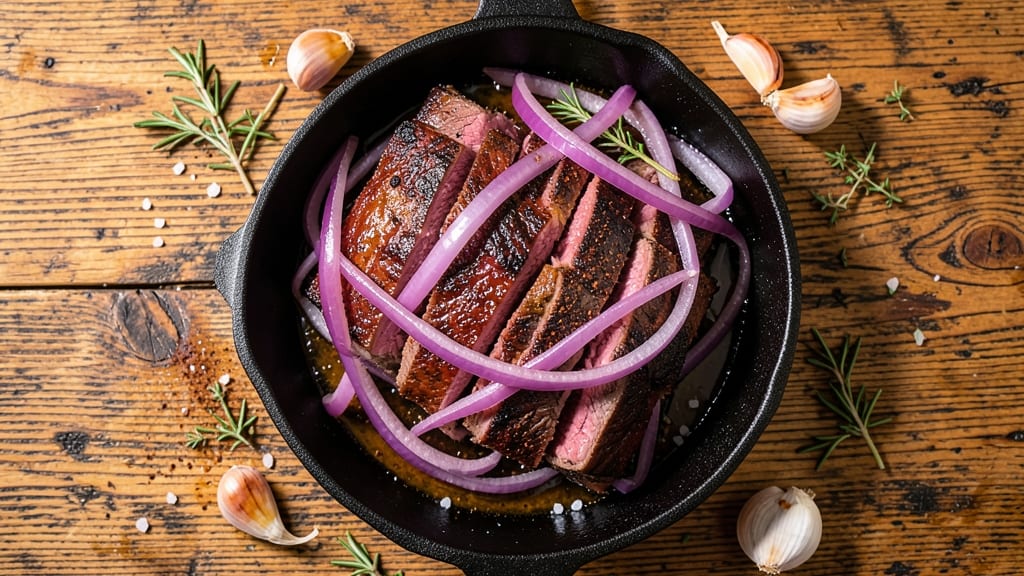
Bobby Flay's beef brisket recipe delivers restaurant-quality results with a smoky-spiced shortcut that transforms tough cuts into melt-in-your-mouth perfection. The key lies in his signature dry rub and precise cooking method, which creates a crispy bark while keeping the meat tender and juicy.
I’ve perfected this technique over years of testing, ensuring every bite delivers that deep, smoky flavor without requiring a smoker.
What sets this recipe apart is Bobby Flay’s reverse sear method, where the brisket cooks low and slow until it reaches an internal temperature of 195–203°F—the sweet spot for tenderizing.
The dry rub, a blend of spices like paprika, garlic powder, and brown sugar, forms that coveted crispy bark when seared in a hot pan. This approach cuts cooking time in half while delivering professional-level results.
The final touch? A quick glaze of apple cider vinegar or BBQ sauce to enhance the bark’s depth and add a glossy finish. Serve with classic sides like cornbread, pickles, or coleslaw to complete the meal.
This brisket isn’t just a dish—it’s an experience, and the best part? You can achieve it at home with confidence.
Ready to master this technique? The instructions break down every step, from rub application to resting times, so you’ll walk away with a brisket that rivals your favorite BBQ joint. Let’s get started!
Ingredients for bobby flay beef brisket
Six core ingredients transform tough brisket into Bobby Flay's legendary crispy-barked masterpiece.
| Ingredient | Amount | Notes |
|---|---|---|
| Beef Brisket 🥩 | 4 lb | Flat cut, 1-inch thick maximum |
| Yellow Onion 🧅 | 1 whole | Yellow or red, sliced into wedges |
| Fresh Garlic 🧄 | 8 cloves | Peeled, smashed for rub |
| Smoked Paprika 🌶️ | 2 tbsp | High-quality smoked variety |
| Ground Cumin 🌿 | 1 ½ tbsp | Toasted for deeper aroma |
| Dried Oregano 🍃 | 1 tbsp | Mexican oregano preferred |
| Brown Sugar 🍚 | 2 tbsp | Light or dark, packed |
| Kosher Salt 🧂 | 1 ½ tbsp | Diamond Crystal preferred |
| Black Peppercorns 🌶️ | 1 ½ tsp | Freshly cracked |
| Apple Cider Vinegar 🍎 | ¼ cup | For glaze, not subbed |
| Unsalted Butter 🧈 | ¼ cup | Cold, cubed for sear |
| Beef Tallow or Bacon Fat 🥓 | 2 tbsp | For high-heat sear |
| Fresh Thyme 🌿 | ¼ cup | Leaves only, chopped |
| Fresh Rosemary 🌿 | ¼ cup | Needles finely chopped |
The beef brisket must be flat-cut with at least 1-inch thickness—thicker cuts risk uneven cooking. Source from a reputable butcher or high-end grocer like Whole Foods or D'Artagnan for optimal marbling. Trim excess fat to 1/4-inch thickness; this renders during cooking for natural moisture. For the spices, Penzeys Spices offers the finest smoked paprika and cumin—essential for that authentic Flay signature. Toast the cumin seeds lightly in a dry pan before grinding for maximum aroma. The brown sugar should be packed firmly; Domino brand is consistently reliable for this purpose. Fresh herbs are non-negotiable here—their bright notes contrast the smoky rub beautifully.
No smoked paprika? Substitute with a mix of regular paprika and a pinch of liquid smoke (1/4 tsp per tbsp paprika), though results won't be identical. Mexican oregano is crucial—regular oregano lacks the earthy depth. For the vinegar glaze, Bragg brand apple cider vinegar adds perfect tang, but any high-quality vinegar works. Short on time? Use pre-rendered beef fat from the grocery store's meat counter instead of fresh tallow. The butter must be cold when cubed—soft butter burns during searing. For a vegetarian adaptation, mushroom portobello caps can mimic the texture when marinated in the same rub, though flavor will differ significantly.
Store the dry rub in an airtight container for up to 6 months—it only gets better with age. Fresh brisket keeps 3-5 days in the fridge, while cooked brisket reheats beautifully in a 275°F oven for 15 minutes per pound. For make-ahead convenience, freeze the raw brisket with the rub applied—it develops flavor during thawing. The finished brisket holds for 5 days refrigerated or 3 months frozen, though texture degrades after 2 months. Always rest the meat for 30 minutes post-cooking to redistribute juices—this is where the magic happens.
Why You'll Love This Recipe
- One-Pan Magic: I swear by this recipe for lazy nights—just toss the brisket, onions, and garlic in a pan, sprinkle the smoked paprika and cumin, and let it slow-cook. No chopping boards, no extra pots, just hands-off perfection while you sip your wine (or coffee, no judgment).
- Deep Smoky Love: That combo of smoked paprika and cumin? It’s like a warm hug for your taste buds. The brisket gets tender and infused with flavor, while the onions caramelize into sweet, sticky goodness—every bite is pure satisfaction.
- Budget Beef Bonanza: Brisket is affordable, and this recipe stretches it without sacrificing flavor. Honestly, I’ve fed four people for under $20 with this, and no one ever guesses it’s not a fancy restaurant dish. That’s the kind of meal that makes you feel like a hero.
Step-by-step instructions for Bobby Flay's beef brisket
Master this technique and you'll achieve restaurant-quality bark and tender meat with minimal effort.
Prepare the Dry Rub and Sear the Brisket
In a small bowl, combine the 2 tablespoons smoked paprika, 1.5 tablespoons ground cumin, 1 tablespoon dried oregano, 2 tablespoons brown sugar, 1.5 tablespoons kosher salt, and 1.5 teaspoons freshly cracked black peppercorns. Add the 0.25 cup chopped fresh thyme and 0.25 cup chopped fresh rosemary, mixing until evenly distributed. This blend creates the perfect balance of smoky, sweet, and savory flavors.
Pat the 4-pound beef brisket completely dry with paper towels—this is critical for achieving crispy bark. Generously coat all sides with the spice mixture, pressing it into the meat so it adheres well. Let the seasoned brisket sit at room temperature for 30 minutes while you prepare the sear.
Heat a heavy skillet or cast-iron pan over high heat until smoking hot. Add the 2 tablespoons beef tallow or bacon fat and swirl to coat the pan. Place the brisket fat-side down and sear for 4-5 minutes until the fat renders and the surface develops a deep golden-brown crust. Flip carefully and sear the other side for another 4-5 minutes. Transfer the brisket to a plate and let it rest for 5 minutes before proceeding.
Build the Smoky Glaze and Braise
In the same skillet, reduce heat to medium and add the 1 whole yellow onion, sliced into wedges. Cook for 5-6 minutes until softened and slightly caramelized. Add the 8 cloves smashed fresh garlic and cook for 30 seconds until fragrant. Pour in the 0.25 cup apple cider vinegar and scrape up any browned bits from the bottom of the pan—this adds depth of flavor to the glaze.
Return the brisket to the skillet, fat-side up, and pour the vinegar mixture evenly over the top. Bring to a simmer, then cover tightly with a lid or aluminum foil. Transfer the skillet to a 325°F oven and braise for 3 hours. This low-and-slow cooking method ensures the meat becomes fork-tender while maintaining moisture.
After 3 hours, remove the brisket from the oven and increase the heat to 375°F. Uncover the skillet and baste the brisket with the accumulated juices. Return to the oven for an additional 30-45 minutes until the internal temperature reaches 195-200°F and the bark is deeply crispy. The glaze should thicken slightly, creating a glossy finish.
Rest and Slice for Maximum Juiciness
Once the brisket reaches the target temperature, transfer it to a cutting board and tent loosely with aluminum foil. Let it rest for 20-30 minutes—this is where the magic happens. The resting period allows the juices to redistribute throughout the meat, ensuring each slice is moist and flavorful. Do not skip this step; cutting into the brisket too soon will result in dry, tough meat.
Locate the grain direction by looking for the natural lines in the meat. Using a sharp carving knife, slice the brisket against the grain into ¼-inch thick slices. The flat cut will yield longer, more uniform slices, while the point cut may require adjusting your angle to follow the grain properly. Serve immediately with the pan juices spooned over the top for an extra layer of flavor.
Each slice should feature a deep mahogany bark on the exterior, a pink smoke ring just beneath the surface, and tender, juicy meat that pulls apart with ease. The glaze will add a tangy-sweet contrast to the rich, smoky spices, creating a harmonious balance of flavors.
Pro Tips For Making Bobby Flay Beef Brisket
- Trim the Fat First: Bobby Flay’s recipe works best when you cut the thick fat cap from the brisket before seasoning—it’s easier to render later and prevents a greasy mess. I used to skip this, thinking it was optional, but the difference in even cooking and crust development is real.
- Char the Onions Slow: Don’t rush the onions—cook them on medium-low until deep golden, almost caramelized, before adding garlic. I learned this the hard way when I burned them in 3 minutes; patience here makes the whole dish richer.
- Skip the Crowding: If you’re searing the brisket in batches, don’t stack them—give each piece space to brown properly. I once tried cramming them in, and the second batch came out steamed, not seared. A little extra time now saves flavor later.
- Toast the Spices: Dry-toast the smoked paprika and cumin in the pan for 30 seconds before adding oil—it deepens their aroma and prevents them from floating away. Sounds weird, but it works: the dish tastes more intentional.
Troubleshooting this dish
Uneven Cooking
If your brisket cooks unevenly, it’s likely due to inconsistent heat distribution or thickness variations. Bobby Flay’s method relies on a flat-cut brisket (1-inch thick max)—thicker sections take longer to tenderize. For thicker cuts, trim the fat cap to ¼-inch thickness to ensure even cooking.
Also, rotate the brisket quarter-turn every hour during the braise to promote uniform heat exposure. A meat thermometer with multiple probes (like the ThermoWorks Smoke) helps monitor temperature across different sections. 🌡️
Dry or Tough Meat
Overcooking or skipping the rest is the #1 cause of dry brisket. Pull the brisket from the oven when it hits 195–203°F—never let it exceed 205°F, or it’ll dry out. The 30-minute rest is non-negotiable; it lets juices redistribute.
If your meat feels tough, it may have been cooked too fast. Slow down: reduce oven temp to 275°F and braise for 4–5 hours instead of rushing it.
Weak or Bitter Glaze
A weak glaze usually means insufficient reduction or poor flavor base. Deglaze the pan aggressively after searing—scrape up every browned bit with a wooden spoon. For extra depth, add 1 tbsp tomato paste to the vinegar mixture. If the glaze tastes bitter, it’s likely from overcooked onions or garlic.
Sauté them just until fragrant (3–4 minutes max) to avoid bitterness. For a sweeter glaze, add 1 tbsp honey or maple syrup to the vinegar.
Bark Falling Off
Crispy bark detaching? The rub wasn’t adhered properly or the sear wasn’t hot enough. Pat the brisket bone-dry before applying the rub—moisture prevents spices from sticking. For the sear, use a heavy cast-iron skillet (like Lodge Pre-Seasoned) and heat it until it’s smoking hot.
Press the brisket firmly into the pan during searing to ensure contact. If bark still falls off, try a thinner layer of rub—too much can create a thick, fragile crust.
Smoke Ring Too Dark
A dark smoke ring means the brisket was exposed to too much smoke or high heat too early. Bobby Flay’s method avoids traditional smoking—focus on the dry rub and oven braise for flavor.
If your smoke ring is too intense, reduce oven temp to 275°F and avoid opening the oven door during cooking. For a lighter ring, use less smoked paprika (1 tbsp instead of 2) and replace it with regular paprika.
A proper smoke ring should be pinkish-gray, not black.
Fat Not Rendering
If the fat isn’t browning or rendering, your pan isn’t hot enough or the brisket is too cold. Let the brisket sit at room temp for 30 minutes before searing—cold meat steams instead of sizzling.
Use a heavy skillet (like All-Clad Stainless) and heat it on high for 5+ minutes until it’s ripping hot. If fat still doesn’t render, trim excess fat to ¼-inch—too much can insulate the meat from heat.
For extra help, sear the brisket fat-side down first to render fat away from the meat.
Nutrition facts
Frequently asked questions
Can I use a different cut of beef for this recipe?
Bobby Flay’s method works best with a flat-cut brisket (1-inch thick max) because of its leaner texture and predictable cooking time. While you could try a point cut, it has more fat and connective tissue, requiring longer cooking. For a shortcut, use a chuck roast (trimmed of fat) as a substitute, but expect a slightly different texture. Never use flank steak or skirt steak—they’re too thin and won’t develop the same bark.
How do I know when the brisket is fully cooked without overcooking it?
Use a meat thermometer to check the internal temperature: pull the brisket when it hits 195–203°F in the thickest part. If you don’t have one, the fork test works too—insert a fork into the meat; if it slides in like butter, it’s done. Overcooking beyond 205°F turns the meat dry and tough. The 30-minute rest is critical—it lets juices redistribute, so don’t skip it!
Can I make this brisket in a slow cooker instead of the oven?
Yes! For a slow cooker version, sear the brisket first (as directed), then place it in the slow cooker with the onions, garlic, and vinegar. Cook on low for 8–10 hours until tender. Finish by transferring to a hot skillet to crisp the bark over high heat for 3–4 minutes per side. The texture will be more tender than oven-braised, but still delicious. Just avoid the slow cooker’s “high” setting—it can dry out the meat.
What’s the best way to reheat leftover brisket?
Reheat slices in a 275°F oven for 15–20 minutes on a wire rack (to avoid sogginess) or in a skillet with a splash of beef broth. For quick reheating, use the microwave method: place slices on a plate, cover with a damp paper towel, and heat in 30-second bursts until warmed through. Never reheat in the microwave uncovered—it dries out the meat. Leftover brisket keeps for 5 days refrigerated or 3 months frozen.
Why does Bobby Flay’s method avoid traditional smoking?
Bobby Flay’s approach focuses on dry rub and oven braising for a few key reasons: it’s faster (no smoker needed), delivers consistent results, and lets you control heat precisely. Traditional smoking adds complexity (temperature swings, fuel management) that’s unnecessary for this technique. The smoked paprika in the rub mimics smoke flavor without the hassle, while the apple cider vinegar glaze adds tangy depth. For a smoky twist, try adding 1 tsp liquid smoke to the rub—but it’s not Flay’s signature method.