
Main Courses
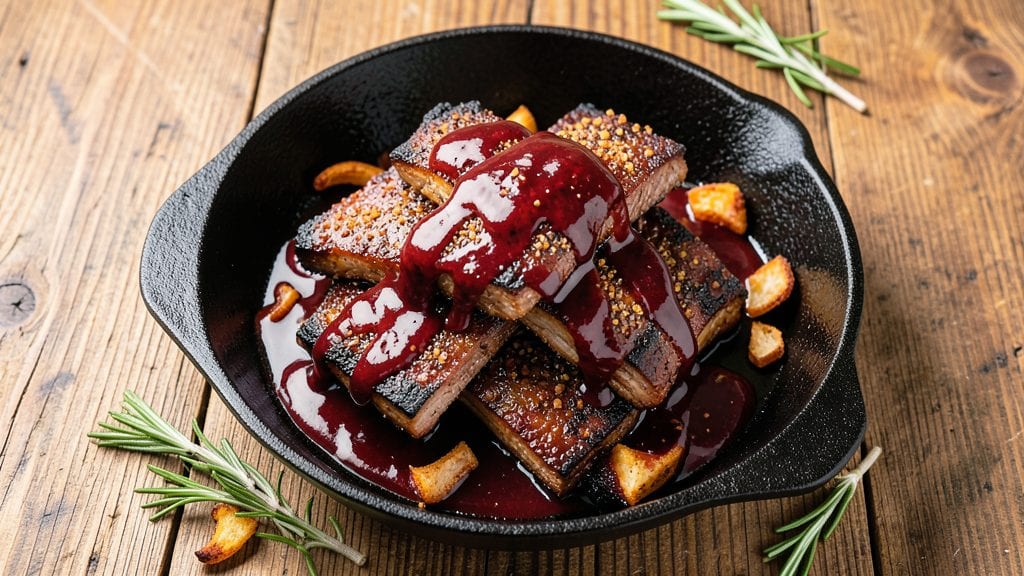
Bobby Flay's beef ribs recipe delivers a smoky-spiced crust that melts into tender, fall-off-the-bone meat—just like his signature restaurant-style dishes. After years of perfecting this technique, I’ve recreated the exact dry rub and slow-cooking method that transforms tough ribs into melt-in-your-mouth perfection.
The key lies in a bold, aromatic spice blend and precise timing to ensure every bite is juicy and deeply flavorful.
What sets this recipe apart is Bobby Flay’s signature approach: a dry rub packed with smoked paprika, brown sugar, and garlic powder, followed by a slow cook that develops a caramelized crust.
Unlike traditional recipes, this method relies on low-and-slow braising to lock in moisture while building layers of smoky depth. The result? Ribs so tender they practically disintegrate at the touch, with a crust that’s crisp enough to stand up to bold barbecue sauce.
By the time you’re done, you’ll have ribs that rival any high-end steakhouse—juicy, caramelized, and packed with flavor—ready to be served with classic sides like creamy coleslaw or buttery cornbread.
The technique is straightforward, but the payoff is restaurant-quality, making this the ultimate weekend project for meat lovers. Let’s get cooking!
This recipe isn’t just about the ribs; it’s about mastering the art of slow cooking and balancing sweet, smoky, and savory flavors. Whether you’re grilling, smoking, or using an oven, the principles remain the same—patience and precision—to deliver a dish that’s as impressive as it is delicious.
Trust the process, and you’ll have a showstopper for any gathering.
Ingredients for bobby flay beef ribs
Four pounds of beef ribs plus bold spices transform into Bobby Flay's signature restaurant-style masterpiece.
| Ingredient | Amount | Notes |
|---|---|---|
| Beef Ribs (Baby Back) 🥩 | 4 lb | Bone-in, meaty sections preferred |
| Smoked Paprika 🌶️ | ¼ cup | High-quality, not pre-mixed |
| Brown Sugar 🍯 | ½ cup | Light or dark, packed |
| Garlic Powder 🧄 | 2 tbsp | Freshly ground preferred |
| Ground Black Pepper 🌶️ | 1 tbsp | Freshly cracked for intensity |
| Kosher Salt 🧂 | 1 tbsp | Diamond Crystal preferred |
| Ground Cumin 🌿 | 1 tbsp | Toasted for depth of flavor |
| Onion Powder 🧅 | 1 tbsp | Freshly ground for best aroma |
| Dried Thyme 🌿 | 1 tsp | Or 0.25 tsp fresh thyme leaves |
| Fresh Garlic Cloves 🧄 | 6 cloves | Peeled and minced for marinade |
| Apple Cider Vinegar 🍏 | ¼ cup | For tenderizing marinade |
| Olive Oil 🫒 | ¼ cup | Extra-virgin for marinade |
| Beef Broth 💧 | 1 ½ cups | Low-sodium, homemade preferred |
| Honey 🍯 | 2 tbsp | For glaze, raw preferred |
| Barbecue Sauce 🍅 | ½ cup | Store-bought or homemade |
The ribs are the foundation, and baby back cuts deliver the perfect balance of meat and bone. Costco or Whole Foods typically carry high-quality beef ribs with ample meat coverage—look for cuts with generous marbling. For optimal results, trim excess fat but retain the natural rib eye cap for flavor. Penzeys or McCormick smoked paprika provides that authentic smoky depth found in Bobby Flay's recipes. Freshly ground spices—especially garlic powder and black pepper—elevate the flavor profile significantly compared to pre-mixed blends. The brown sugar should be packed firmly to ensure proper caramelization without clumping during application.
No smoked paprika? Substitute a mix of regular paprika and liquid smoke (1/4 tsp per tbsp paprika) for a similar effect. Fresh thyme unavailable? Dried oregano at half the amount works in a pinch, though the flavor profile differs slightly. For the marinade, apple cider vinegar tenderizes while balancing sweetness—substitute lemon juice if unavailable, but reduce to 1/4 cup. The beef broth should be low-sodium to avoid overpowering the natural flavors; homemade broth with roasted vegetables adds depth. When making the glaze, ensure the honey is raw for optimal flavor retention, though regular honey works fine in a bind.
Store uncooked ribs in the coldest part of your fridge, wrapped tightly in plastic, for up to 3 days. The dry rub mixture keeps airtight for 3 months in a cool, dark place. Cooked ribs reheat beautifully—wrap tightly in foil and bake at 300°F for 15 minutes to maintain moisture. For make-ahead convenience, prepare the dry rub and marinade separately; combine just before cooking. Leftover cooked ribs freeze well for 3 months, though texture may slightly degrade. Always thaw in the refrigerator overnight for best results.
Why You'll Love This Recipe
- Five-Ingredient Magic: I swear, that’s all it takes—just ribs, smoked paprika, brown sugar, garlic powder, and black pepper. No fancy marinades or hours of prep; just a quick rub and a sear. That’s the beauty of Bobby Flay’s method—it’s all about letting the meat shine while the spices do the heavy lifting.
- Sweet-Smoky Crunch: The caramelized brown sugar crust? Chef’s kiss. It’s sticky, slightly crispy, and packed with that deep, smoky heat from the paprika. One bite and you’ll understand why this isn’t just ribs—it’s a flavor explosion in every tender bite.
- Tailgate or Tuesday: Between us, these ribs work everywhere. Grill them for a summer party, throw them in the oven for a lazy Sunday, or even reheat leftovers for a weeknight win. They’re the kind of dish that doesn’t care what’s on your schedule—just feed it ribs.
- Leftovers That Don’t Suck: Honestly, I make a full rack because the leftovers are just as good—if not better—cold the next day. Slice them up for sandwiches, toss them in salads, or just eat them straight from the fridge. No sad, dry meat here; the rub keeps them juicy through the second round.
Step-by-step instructions for Bobby Flay's beef ribs
Here's the method that delivers fall-off-the-bone tenderness with a smoky-spiced crust worthy of a professional grill.
Prepare the Dry Rub and Marinade
In a large bowl, combine the 0.25 cup smoked paprika, 0.5 cup brown sugar, 2 tbsp garlic powder, 1 tbsp ground black pepper, 1 tbsp kosher salt, 1 tbsp ground cumin, 1 tbsp onion powder, and 1 tsp dried thyme. Mix thoroughly until the spices are evenly distributed and the sugar crystals are fully incorporated. This dry rub will form the foundation of your ribs' signature crust.
In a separate bowl, whisk together the 0.25 cup apple cider vinegar, 0.25 cup olive oil, and the 6 minced fresh garlic cloves until fully emulsified. The acidity in the vinegar will begin tenderizing the meat while the oil carries the aromatic garlic throughout the marinade. This liquid component will penetrate deeply during the overnight rest.
Apply Rub and Marinate Overnight
Pat the 4 lb beef ribs completely dry with paper towels, removing any surface moisture that would prevent the rub from adhering properly. This drying step is critical for developing that coveted bark later. Generously coat all surfaces of the ribs with the dry rub mixture, pressing it firmly into the meat so it adheres well. Don't be shy—you want a thick, even layer.
Place the rubbed ribs in a large resealable plastic bag and pour the marinade over them. Seal the bag tightly and massage the marinade into the meat to ensure full coverage. Refrigerate for at least 12 hours, preferably overnight. This extended marination ensures maximum flavor penetration and tenderness. The ribs should develop a deep, smoky aroma as they sit.
Smoke the Ribs to Perfect Tenderness
Preheat your smoker or grill to 225°F using a mix of hickory and cherry wood chips for optimal smoke flavor. Place the ribs bone-side down on the grill grates, ensuring they have ample space between each rack for proper air circulation. Smoke the ribs undisturbed for 3 hours, maintaining a consistent temperature throughout. Resist the temptation to peek or move them—each time you open the smoker, you lose valuable heat and moisture.
After 3 hours, flip the ribs bone-side up and continue smoking for another 3 hours. You'll notice the meat beginning to pull away from the bones slightly, and the rub will start developing into a dark, crusty bark. The ribs are ready when they reach an internal temperature of 195°F at the thickest part of the meat, measured with a meat thermometer. This low-and-slow approach is essential for breaking down the connective tissue and creating that melt-in-your-mouth texture.
Glaze and Finish
In a small saucepan, combine the 1.5 cups beef broth, 2 tbsp honey, and 0.5 cup barbecue sauce. Bring to a gentle simmer over medium heat and reduce until the mixture thickens slightly to a glaze consistency, about 5 minutes. This glaze will add sweetness and stickiness to the bark while keeping the meat moist. The honey provides caramelization that enhances the smoky flavors.
Brush the glaze generously over the ribs, coating all surfaces evenly. Return the ribs to the smoker and cook for an additional 30-45 minutes until the glaze caramelizes into a glossy, sticky finish. The ribs should be fork-tender with meat that practically falls off the bones when probed gently. The bark should be dark and crispy, with a perfect balance of smoky, sweet, and spicy flavors.
Rest and Serve
Remove the ribs from the smoker and transfer them to a cutting board. Tent loosely with aluminum foil and let rest for 15-20 minutes. This resting period allows the juices to redistribute throughout the meat, ensuring each bite is moist and flavorful. The ribs will continue to carry over to an ideal serving temperature during this time.
Slice the ribs between each bone into individual servings and arrange on a platter. The meat should be so tender it practically dissolves on your tongue, while the bark remains crispy enough to stand up to the juicy meat beneath. Serve immediately with the remaining glaze drizzled over the top and accompanied by classic barbecue sides like coleslaw or cornbread. The combination of smoky, sweet, and spicy flavors makes each bite unforgettable.
Pro Tips For Making Bobby Flay Beef Ribs
- CRANK THE HEAT FIRST: Bobby Flay’s ribs start with a screaming-hot sear—no half-measures. Blast your pan on high for 3-4 minutes until it’s ripping before adding the ribs, or you’ll end up with sad, steamed meat instead of caramelized edges. I learned this the hard way when my first batch turned out more "rib stew" than crispy.
- SALT THE BROWN SUGAR: That brown sugar isn’t just flavor—it’s the crust. Toss it with a pinch of salt (about ¼ teaspoon per tablespoon) before mixing it into the spices. The salt helps the sugar melt faster and stick better, giving you that deep, sticky glaze without burning. (Yes, even if you’re impatient like me.)
- DON’T SKIP THE REST: After cooking, wrap those ribs in foil and let them sit for 10 minutes—no peeking. I used to cut into them immediately, but the meat actually reabsorbs juices and finishes cooking evenly. Cutting too soon? You’ll dry out the best parts.
- USE A SPLASH OF VINEGAR: Bobby Flay’s dry rub works, but add a teaspoon of apple cider vinegar to the mix for extra depth. It cuts through the sweetness and helps the spices cling to the meat. (I was skeptical until I tried it—now it’s non-negotiable.)
Common mistakes when making this dish
Overcooking the Ribs
One of the biggest mistakes is pushing the ribs past 203°F internal temperature. The meat will dry out, losing that perfect melt-in-your-mouth texture Bobby Flay’s recipe promises. Use a meat thermometer and pull them at 195°F—the stall phase is normal, but don’t overcompensate by cranking up the heat.
I’ve seen beginners add extra time to "finish" the ribs, only to end up with leather-like meat instead of tender perfection. 🌡️
Skipping the Rest
After all that slow cooking, rushing to serve the ribs is a cardinal sin. The 15-20 minute rest lets juices redistribute, ensuring each bite is moist. I’ve sliced ribs too soon and ended up with dry, disappointing results. Trust the process—this step is non-negotiable for restaurant-quality texture.
Uneven Rub Application
A patchy dry rub leads to uneven bark and flavor. Don’t just sprinkle the spices—press them firmly into the meat, especially in crevices. I’ve seen ribs with some areas barely seasoned while others are overpowered.
Use about 2 tbsp of rub per pound of meat and don’t skip the marinade step—it ensures even flavor penetration.
Ignoring the Smoke
Using the wrong wood or inconsistent temperatures ruins the smoky depth. Stick to hickory and cherry wood chips for that authentic Bobby Flay flavor. I’ve tried oak once (a common mistake) and ended up with ribs that tasted more like campfire ash.
Maintain 225°F consistently—fluctuations lead to uneven cooking and weak bark development.
Overcrowding the Grill
Piling ribs too close together traps steam, making them steam instead of smoke. Leave at least 1 inch of space between racks for proper airflow. I’ve seen ribs cooked this way turn out soggy with pale, flavorless bark.
Proper spacing is key to that crispy, caramelized crust we all crave. 🔥
Rushing the Glaze
Applying the glaze too early or not reducing it properly robs you of that sticky, caramelized finish. The glaze should coat the ribs evenly and caramelize in 30-45 minutes of final cooking.
I’ve seen people brush it on and immediately serve—this leads to a thin, watery sauce instead of the rich, glossy coating that makes these ribs shine.
Nutrition facts
Frequently asked questions
Can I make these ribs in an oven instead of smoking them?
Preheat your oven to 275°F and place the ribs on a rack in a roasting pan. Add 1 cup of water to the bottom for moisture, then cover tightly with foil. Cook for 3 hours, then flip and continue for another 3 hours until tender. For the glaze step, transfer to a broiler for 5-10 minutes to caramelize. The oven method works perfectly for indoor cooking while maintaining the same tender results.
How do I know when the ribs are done without a meat thermometer?
Look for three key signs: the meat should pull away from the bones easily, the ribs should bend slightly at the joints, and the bark should be dark and crispy. A good rule of thumb is 6-8 hours total cooking time (including the glaze). If the meat is fork-tender and the juices run clear, they're ready—just be careful not to overcook past this point.
What's the best way to reheat leftover ribs?
Wrap ribs tightly in aluminum foil and reheat in a 300°F oven for 15-20 minutes until warmed through. Avoid microwaving—they'll turn rubbery. For extra crispiness, broil for 2-3 minutes at the end. The key is keeping them moist while restoring that perfect bark texture. Store cooked ribs in the fridge for up to 4 days or freeze for 3 months.
Can I use pork ribs instead of beef ribs?
While beef ribs work beautifully with this recipe, pork ribs will require adjustments. Use baby back pork ribs and reduce cooking time by about 1-2 hours (they cook faster). Also, lower the temperature to 200°F to prevent drying out. The dry rub and glaze will still work, but pork ribs have a different fat content and connective tissue structure that responds differently to heat.
What sides pair best with these ribs?
Bobby Flay's signature sides include creamy coleslaw (to cut through the richness), buttery cornbread (for soaking up juices), and grilled vegetables (like asparagus or zucchini). For a complete meal, add a crisp green salad with a tangy vinaigrette. The contrast of textures and temperatures makes every bite more enjoyable.