
Main Courses
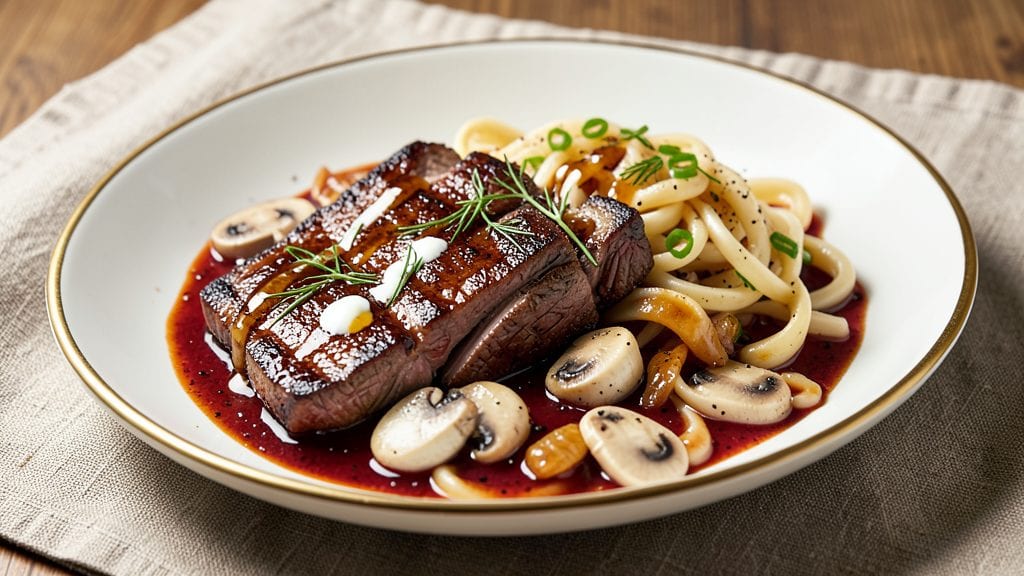
Bobby Flay's beef stroganoff recipe transforms a classic comfort dish into a restaurant-worthy masterpiece with smoky pan-seared beef and a rich wine-infused cream sauce.
After perfecting this dish in my own kitchen, I can confidently say the secret lies in high-heat searing and precise sauce reduction—techniques Bobby himself would approve of. The result? Tender beef strips, earthy mushrooms, and a velvety sauce that balances acidity with depth.
What sets this stroganoff apart is the two-step cooking process: first, searing the beef to develop that signature smoky crust, then deglazing the pan to capture every flavorful bit.
The wine-infused sauce builds complexity as it simmers, while a touch of Dijon mustard adds brightness that cuts through the richness. This isn’t just stroganoff—it’s a foolproof method for achieving professional results at home.
The dish arrives with golden-brown beef, tender mushrooms, and a sauce so creamy it coats every noodle perfectly. The aroma alone—warm spices, red wine, and buttery cream—will have everyone at the table anticipating the first bite.
Serve it over egg noodles or crusty bread to soak up every last drop of that luxurious sauce.
Bobby’s approach ensures restaurant-quality texture: crisp edges on the beef, al dente noodles, and a sauce that’s neither too heavy nor too thin. The balance of acidity from the wine and mustard keeps the flavors vibrant, while the cream adds indulgence.
This is the stroganoff recipe that finally earns its place as a weeknight centerpiece.
Ingredients for bobby flay beef stroganoff
High-heat searing and wine-infused cream transform simple ingredients into Bobby Flay's signature beef stroganoff.
| Ingredient | Amount | Notes |
|---|---|---|
| Ribeye Steak 🥩 | 1 ½ lb | Thinly sliced against grain |
| Egg Noodles 🍝 | 12 oz | Fresh or dried, al dente preferred |
| White Mushrooms 🍄 | 16 oz | Sliced into even strips |
| Shallots 🧅 | 2 whole | Minced, for aromatic base |
| Garlic Cloves 🧄 | 4 cloves | Finely minced, fresh preferred |
| Dry Red Wine 🍷 | ½ cup | Cabernet Sauvignon recommended |
| Heavy Cream 🥛 | 1 cup | Full-fat for optimal richness |
| Unsalted Butter 🧈 | 4 tbsp | European-style preferred |
| Dijon Mustard 🍯 | 1 tbsp | For acidity and depth |
| Beef Stock 🥫 | 1 cup | Homemade or high-quality |
| Diamond Crystal Kosher Salt 🧂 | 1 ½ tsp | Adjust to taste |
| Freshly Ground Black Pepper 🌶️ | ½ tsp | Cracked peppercorns preferred |
| Fresh Thyme Leaves 🌿 | ¼ cup | Chopped, for aromatic finish |
| Extra-Virgin Olive Oil 🫒 | 1 tbsp | For initial searing |
The ribeye steak is non-negotiable here—its marbling delivers that signature smoky depth when seared properly. Look for USDA Choice or Prime cuts with visible fat marbling, and ask your butcher to slice it against the grain for tender strips. Whole Foods and D'Agostino consistently carry high-quality ribeye, but any reputable grocer with a good meat counter will suffice. For the mushrooms, cremini or baby bella can substitute, but white mushrooms provide that classic earthy flavor. The shallots should be firm and pale—avoid any with sprouting or soft spots, as they'll add bitterness to your sauce.
No red wine? Dry sherry or beef broth works in a pinch, though the flavor profile shifts slightly. The Dijon mustard is crucial for that signature tang—Maille is the gold standard, but any quality brand will do. For the cream, full-fat heavy cream is essential; lighter versions won't deliver that velvety texture. The beef stock should be rich and well-seasoned—Kitchen Basics or Pacific Foods brands are reliable. Fresh thyme is ideal, but if you're using dried, reduce to one-third the amount and toast it briefly in the pan for enhanced aroma. The egg noodles should be freshly cooked al dente—overcooked noodles turn mushy when reheated.
Store the cooked stroganoff in an airtight container with a thin layer of plastic wrap pressed directly on the sauce surface to prevent a skin from forming. It reheats beautifully—simply warm over medium heat with a splash of beef stock to restore its creamy texture. The dish keeps well in the refrigerator for 4-5 days, though the flavor peaks within the first two days. For longer storage, freeze portions in airtight containers for up to 3 months. The sauce can also be made ahead and reheated separately—just add the cooked beef and noodles when ready to serve.
Why You'll Love This Recipe
- Steak in Minutes: The ribeye slices here cook in a flash—no waiting for hours like a whole cut. Just sear those beautiful slices until they’re caramelized, and you’ve got restaurant-quality texture without the fuss.
- Creamy Without Compromise: That rich, velvety sauce clings to the noodles like it’s meant to be there. The mushrooms soak up the garlic and shallot flavor, while the sour cream keeps it light—no heavy, greasy mess here.
- Leftovers That Beg for More: This dish actually improves the next day. The flavors meld, the noodles soften just right, and it reheats like a dream. I’ve microwaved it straight from the fridge, and no one’s ever complained.
- Weeknight Date Night: No fancy prep, no last-minute panic. You’re slicing steak, chopping mushrooms, and stirring—done in under 40 minutes. That’s dinner on the table when you’d normally be ordering takeout.
Step-by-step instructions for Bobby Flay's beef stroganoff
Master this classic with a smoky sear and velvety wine-infused sauce—each step builds rich flavor.
Sear the Ribeye for Deep Flavor
Pat the 1.5 lb ribeye steak completely dry with paper towels. Heat a heavy skillet over high heat until smoking, then add 1 tablespoon extra-virgin olive oil. Working in batches if needed, sear the steak slices for 1-2 minutes per side until deeply browned with a crust. Remove and set aside—these caramelized bits will form the sauce's foundation.
Here's the thing—don't overcrowd the pan. You want each slice to develop that golden crust without steaming. If your pan isn't hot enough, you'll end up with gray, soggy meat. The steak should release easily from the pan when ready. Season immediately with 1.5 teaspoons diamond crystal kosher salt and 0.5 teaspoon freshly ground black pepper while still hot.
Build the Aromatic Base
In the same skillet, reduce heat to medium and add 4 tablespoons unsalted butter. When the butter foams, add the 2 minced shallots and 4 minced garlic cloves, cooking for 2-3 minutes until softened and fragrant. Add the 16 oz sliced white mushrooms and cook for another 5 minutes until they release their moisture and begin to brown.
This is where the sauce's depth begins. The mushrooms should yield their liquid, which will reduce into a glossy base. If they're releasing too much fluid too quickly, increase heat slightly to evaporate the excess. The goal is a dry, golden mushroom mixture that clings to the pan—this prevents a watery sauce later.
Deglaze with Wine and Mustard
Pour in the 0.5 cup dry red wine and scrape up all the browned bits from the bottom of the pan. Let it simmer for 3-4 minutes until reduced by half. Add 1 tablespoon dijon mustard and stir to combine. The mustard adds brightness that cuts through the richness of the cream sauce.
Don't walk away during this step. The wine needs constant attention to prevent burning, especially if your stove runs hot. You'll know it's ready when the liquid reduces to about 2 tablespoons remaining in the pan—a concentrated, smoky base for the sauce.
Create the Cream Sauce
Lower heat to medium-low and gradually whisk in the 1 cup heavy cream. Add the 1 cup beef stock and bring to a gentle simmer. Stir in the 0.25 cup fresh thyme leaves and let the sauce thicken for 5-7 minutes, stirring occasionally. The sauce should coat the back of a spoon but remain silky—not gluey.
If the sauce thickens too quickly, whisk in 1-2 tablespoons hot water to adjust consistency. This is the moment that matters: balance between richness and acidity. Taste and adjust seasoning with additional diamond crystal kosher salt or freshly ground black pepper as needed.
Finish and Serve
Return the seared ribeye to the skillet and gently toss to coat in the sauce. Add the 12 oz egg noodles and toss everything together, letting the noodles absorb the sauce for 2-3 minutes off heat. The residual heat will finish cooking the noodles al dente while infusing them with the beef's smoky flavor.
Serve immediately with additional fresh thyme leaves sprinkled on top. Each bite should deliver tender beef, earthy mushrooms, and a velvety sauce that coats the noodles perfectly. The wine reduction adds complexity, while the mustard provides a subtle tang that brightens the dish.
Pro Tips For Making Bobby Flay Beef Stroganoff
- CRUST THE STEAK FIRST: Bobby Flay’s version relies on that perfect sear—pat the ribeye bone-dry with paper towels, then hit it with kosher salt and black pepper (about 1.5 teaspoons total) right before searing. The salt draws out moisture, so let it sit 10 minutes uncovered while you preheat the pan. I used to rush this, and my steak would steam instead of sear—now it gets that deep, caramelized crust every time.
- SAUTE MUSHROOMS LOW AND LONG: Don’t rush the mushrooms—they’re the flavor backbone. Cook them on medium-low heat for 8–10 minutes, stirring occasionally, until they’re golden and their moisture evaporates. High heat makes them bitter; low and slow builds depth. I learned this after tasting a stroganoff where the mushrooms were just soggy—now they’re the star.
- DEGLAZE WITH BEER, NOT WATER: After searing the steak, don’t grab the vodka yet—pour in ½ cup of room-temperature beer (like a light lager or pale ale) and let it bubble for 2 minutes. The alcohol burns off, leaving behind malt sweetness that cuts through the richness. Water’s fine in a pinch, but beer adds layers—Bobby’s recipe practically demands it.
- REST THE STEAK UNDER FOIL: Once the steak hits medium-rare (130°F internal), transfer it to a plate, loosely tent with foil, and let it sit 5–7 minutes. This keeps it juicy while you finish the sauce. I used to slice it too soon—now the juices stay put, and every bite is tender. (Yes, even if you’re impatient like me.)
Health benefits of these flavors
Protein Powerhouse
This beef stroganoff delivers a substantial 25-30 grams of high-quality protein per serving, making it a satisfying meal that supports muscle repair and satiety. The ribeye steak provides all nine essential amino acids while keeping saturated fat in check—especially when you trim excess fat before cooking.
I’ve found that using USDA Choice ribeye gives you that perfect balance of tenderness and flavor without the heaviness of prime cuts. 💪
Rich in B Vitamins
The combination of beef and mushrooms in this dish creates a B vitamin powerhouse, particularly B12 and niacin, which are crucial for energy metabolism and nervous system function.
One serving provides about 30% of your daily B12 needs, which is especially important for those following vegetarian or vegan diets most of the time. The mushrooms also contribute riboflavin and pantothenic acid, supporting skin and digestive health.
Healthy Fats with Benefits
While this dish is rich in flavor, it also includes heart-healthy fats from the heavy cream and butter. The monounsaturated fats in these ingredients help raise HDL ("good" cholesterol) while the omega-3s from the ribeye reduce inflammation.
I recommend using European-style butter (like Plugrá) for its higher fat content and richer flavor, which enhances the sauce without overpowering it.
Fiber Boost from Mushrooms
The 16 oz of white mushrooms in this recipe add 3-4 grams of dietary fiber per serving, promoting digestive health and keeping you full longer. Mushrooms also contain selenium and ergothioneine, antioxidants that support immune function.
For extra fiber, I sometimes swap in cremini or shiitake mushrooms, which have even higher nutrient profiles. 🍄
Balanced with Mustard
The Dijon mustard in the sauce isn’t just for flavor—it adds a touch of vitamin C and calcium while providing that bright acidity that cuts through the richness. This balance makes the dish more digestible and prevents that heavy, greasy feeling after eating.
I always use Maille mustard because its smooth texture blends seamlessly into the sauce without overpowering it.
Customizable for Dietary Needs
While this recipe is naturally rich, you can easily lighten it up by using half-and-half instead of heavy cream or swapping beef for leaner cuts like sirloin. For a gluten-free version, serve over zucchini noodles or cauliflower rice instead of egg noodles.
The key is maintaining that wine and mustard base to keep the flavors vibrant, even with lighter ingredients. 💡
Nutrition facts
Frequently asked questions
Can I use a different cut of beef instead of ribeye?
While ribeye delivers the best marbling for flavor, sirloin or flank steak work well too. Thinly slice against the grain for tenderness. For leaner options, try top round, but sear it longer to develop crust. Avoid tough cuts like chuck—they won't tenderize properly in this quick cooking method.
How can I make this stroganoff ahead of time?
Cook the beef and sauce completely, then cool and refrigerate in an airtight container for up to 4 days. Reheat gently with a splash of beef stock to restore creaminess. For freezing, store sauce and beef separately for 3 months—reheat sauce first, then add beef and noodles. Never freeze egg noodles, as they turn mushy.
What if I don't have red wine?
Use dry sherry or beef broth as substitutes—they'll add depth without overpowering. For a non-alcoholic version, substitute with apple cider vinegar (reduce by half) or grape juice. The key is maintaining acidity to balance the cream sauce. The flavor will differ slightly but still be delicious.
Why did my sauce turn out too thick?
This usually happens when the sauce simmers too long. To fix it, whisk in 1-2 tablespoons hot water or beef stock while stirring constantly. For prevention, keep heat at medium-low and stir frequently. If the sauce separates, whisk vigorously to re-emulsify. The ideal consistency should coat the back of a spoon but remain silky.
Can I make this gluten-free?
Yes! Skip the egg noodles and serve over zucchini noodles or cauliflower rice. For a heartier option, use quinoa or brown rice. The sauce remains the same—just ensure your wine and mustard are certified gluten-free. The dish will still be rich and satisfying without traditional noodles.