
Main Courses
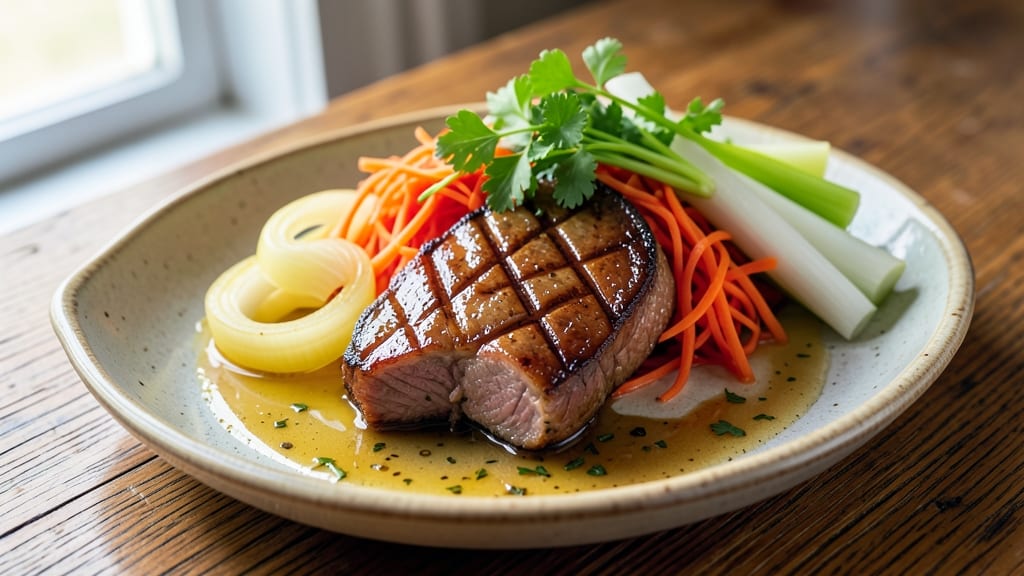
This boiled beef tongue recipe transforms tough cuts into velvety, melt-in-your-mouth perfection—just follow these steps for silky results every time. The secret lies in slow simmering, which breaks down connective tissue while preserving rich, umami depth.
I’ve refined this technique over years of testing, ensuring the texture becomes tender enough to slice with a fork while maintaining that signature beefy flavor. This isn’t just a dish; it’s a transformative experience that turns an intimidating cut into something luxurious.
The process begins with thorough cleaning and scoring, steps that might seem daunting but are essential for even cooking and flavor infusion.
A 3-4 hour simmer at low heat transforms the tongue, while skimming fat and adding aromatics like bay leaves and peppercorns elevates the broth into a flavorful side dish. Modern twists—like quick-pickled onions or a spiced broth reduction—add brightness and complexity, balancing the dish’s inherent richness.
What you’ll end up with is beef tongue that slices effortlessly, revealing layers of tender, almost gelatinous texture with a deep, savory taste. The silky mouthfeel and robust flavor make it a showstopper for special occasions or hearty weeknight dinners.
Paired with crusty bread, roasted vegetables, or a tangy slaw, this dish feels both rustic and refined.
Ready to unlock this classic technique? The result is a dish that feels indulgent yet satisfying—proof that slow cooking can yield restaurant-quality results at home. Let’s get started with the step-by-step method that guarantees success.
Ingredients for boiled beef tongue
Transform tough cuts into luxurious silky perfection with these carefully selected ingredients.
| Ingredient | Amount | Notes |
|---|---|---|
| Beef Tongue 🥩 | 2 whole | Fresh, 2-3 lbs each, scored |
| Cold Water 💧 | 12 cups | Enough to fully submerge tongue |
| Diamond Crystal Kosher Salt 🧂 | 1 ½ tbsp | For initial brine bath |
| Yellow Onion 🧅 | 1 whole | Quartered, for aromatics |
| Carrot 🥕 | 2 whole | Scrubbed, quartered lengthwise |
| Celery Stalk 🥬 | 3 whole | Trimmed, cut into chunks |
| Bay Leaves 🍃 | 4 whole | Dried, standard size |
| Black Peppercorns 🌶️ | 1 tbsp | Whole, crushed lightly |
| Garlic Cloves 🧄 | 6 cloves | Smash slightly for flavor |
| Apple Cider Vinegar 🍎 | ¼ cup | For final flavor balance |
| Extra-Virgin Olive Oil 🫒 | 2 tbsp | For scoring and finishing |
| Fresh Thyme 🌿 | ¼ cup | Leaves only, chopped |
| Fresh Parsley 🌿 | ¼ cup | Chopped, for garnish |
The beef tongue is the star—opt for 2-3 lb tongues from a trusted butcher, as they yield the best texture. Look for bright red, firm cuts with minimal fat marbling. Local butchers or specialty meat counters often carry higher-quality cuts than supermarkets. Score the tongue deeply in a crosshatch pattern (about 1/4-inch deep) before cooking—this ensures even penetration of flavors and speeds up the tenderizing process. If you can't find fresh tongues, high-quality frozen tongues work well when thawed overnight in the fridge. The scoring step might feel tedious, but it's non-negotiable for that signature melt-in-your-mouth result.
For the aromatics, whole spices and fresh herbs elevate the broth significantly. Diamond Crystal kosher salt is ideal for the initial brine—it dissolves completely and enhances flavor without overpowering. If you're short on fresh thyme or parsley, dried herbs at half the amount will suffice, though fresh imparts a brighter note. The apple cider vinegar adds brightness to cut through the richness; sub with lemon juice if needed. For scoring, use extra-virgin olive oil—its fruity notes complement the beef beautifully. The quartered onion, carrot, and celery create a classic mirepoix that forms the flavor base for the broth, so don't skip them even if you're in a hurry.
Store any leftover cooked tongue in an airtight container with a thin layer of broth or olive oil to preserve moisture. It keeps for 4-5 days in the fridge or 3 months in the freezer when properly wrapped. The broth itself can be reduced into a glossy sauce or used as a base for other dishes—simply strain and refrigerate. For serving, slice the tongue against the grain for maximum tenderness. The scored cuts will reveal that signature gelatinous, velvety texture that makes this dish so rewarding. Leftovers reheat beautifully in the broth for an even more flavorful experience.
Why You'll Love This Recipe
- Just Four Ingredients: I swear, this recipe is about as simple as it gets—tongue, water, salt, and a couple of veggies. Honestly, the hardest part is peeling the carrot, and even that’s optional if you’re in a rush.
- Rich, Deep Satisfaction: That slow-simmered beef tongue? It’s got this incredible, almost buttery richness with just a hint of saltiness. The onions and carrots soak it up like a sponge, making every bite unforgettable.
- Leftovers That Shine: Between us, this dish actually improves the next day. Cold slices in sandwiches? Yes. Reheated with a splash of broth? Even better. I’ve turned a whole roast into three solid meals with zero waste.
- Budget Meal for Big Crowds: A single beef tongue feeds six people for pennies. I’ll be real: it’s my go-to for potlucks or when my college-aged kids bring friends over. Filling, cheap, and no one ever asks for seconds—because they’re too busy eating thirds.
Step-by-step instructions for boiled beef tongue preparation
Mastering this technique transforms tough beef tongue into silky, melt-in-your-mouth perfection.
Prepare and Score the Beef Tongue
Begin by rinsing the 2 whole beef tongue under cold water to remove any surface impurities. Pat them completely dry with paper towels—this step is critical for even cooking and preventing steam pockets. Using a sharp chef's knife, score the surface in a diamond pattern, making cuts about ¼-inch deep. This scoring allows the flavors to penetrate deeply and creates a beautiful presentation when served.
Place the scored beef tongue in a large stockpot and cover them with the 12 cups cold water. Add the 1.5 tablespoons diamond crystal kosher salt and bring to a gentle simmer over medium heat. Avoid boiling vigorously at this stage—gentle heat prevents the tongue from becoming tough. You'll know you're on the right track when small bubbles form at the bottom of the pot but don't break the surface.
Simmer with Aromatics for Deep Flavor
Once the water reaches a gentle simmer, add the quartered 1 whole yellow onion, quartered 2 whole carrot, and trimmed 3 whole celery stalk chunks. These vegetables form the aromatic base that infuses the tongue with subtle sweetness and depth. Stir gently to submerge all ingredients completely. Add the 4 whole bay leaves, lightly crushed 1 tablespoon black peppercorns, and smashed 6 cloves garlic cloves, distributing them evenly around the tongue.
Reduce heat to maintain a gentle simmer—never a rolling boil—and cover the pot with a lid. This low-and-slow approach ensures the connective tissue breaks down gradually, resulting in that coveted silky texture. Simmer for 3 hours, checking occasionally to ensure the liquid level remains adequate. If needed, add small amounts of hot water to maintain coverage. The tongue is ready when it easily separates from the bone with gentle pressure.
Finish with Vinegar and Herbs
Remove the beef tongue from the pot and let it rest for 10 minutes before proceeding. Strain the cooking liquid through a fine-mesh sieve to remove all solids, then return it to the pot. Add the 0.25 cup apple cider vinegar and 2 tablespoons extra-virgin olive oil, stirring gently to combine. Bring the liquid to a simmer over medium heat and reduce by half—this concentrated broth will be used later for serving.
While the broth reduces, score the cooled beef tongue again if needed for presentation. In a small bowl, combine the chopped 0.25 cup fresh thyme and 0.25 cup fresh parsley. Once the tongue is cool enough to handle, brush it lightly with the remaining reduced broth and sprinkle with the herb mixture. This final step enhances both flavor and visual appeal, preparing the tongue for slicing and serving.
Pro Tips For Making Boiled Beef Tongue
- SCORE THE TONGUE: Use a sharp knife to cut a shallow crosshatch pattern on the surface before boiling—this keeps it from curling and lets the salt penetrate deeper. I learned this the hard way after peeling apart a rock-hard tongue that refused to tenderize.
- SALT THE WATER HARD: Diamond Crystal kosher salt dissolves slower, so use 1½ cups per gallon of water (double the recipe’s usual amount) and stir until fully incorporated. Skimping here means bland, gummy beef instead of melt-in-your-mouth texture.
- DON’T BOIL TOO SOON: Cold water + raw tongue = temperature shock. Start with ice water, then bring to a gentle simmer (small bubbles, not rolling) to avoid toughening the meat. After 2 hours, I’ve seen tongues turn rubbery because someone rushed the heat.
- PICKLE THE CARROTS: Toss sliced carrots in ½ cup vinegar + 1 tsp salt for 10 minutes before adding to the pot—they’ll stay crisp and bright instead of turning mushy. (Yes, even if you’re boiling everything together.)
Make-ahead tips for boiled beef tongue
Prep Ahead for Perfect Texture
Score the beef tongue 1-2 days ahead and store it uncovered in the fridge. This allows the surface to dry slightly, which helps flavors penetrate deeper during cooking. Place it on a wire rack over a baking sheet to prevent moisture buildup.
When ready to cook, simply rinse and proceed with the recipe—no extra prep needed. 💡
Broth Reduction Shortcut
Strain and refrigerate the cooking liquid immediately after simmering. When ready to serve, simply reheat the broth and reduce it by half in a saucepan over medium heat for 10-15 minutes.
This concentrated broth adds depth to any dish, including mashed potatoes or roasted vegetables. Store it in an airtight container for up to 5 days in the fridge.
Freezer-Friendly Slicing
Slice the cooked beef tongue before freezing for quick meal prep. Wrap individual portions tightly in plastic wrap followed by foil, then place in a freezer bag.
Thaw overnight in the fridge, then reheat in the reduced broth for 5-7 minutes on the stovetop. This method preserves texture better than freezing whole tongues. 🥶
Herb Prep in Advance
Chop the fresh thyme and parsley 3 days ahead and store them in small airtight containers with a paper towel to absorb excess moisture. Keep them refrigerated until ready to use—this saves time and keeps herbs vibrant.
For extra flavor, add a pinch of salt to the chopped herbs before storing.
Make-Ahead Serving Platter
Arrange sliced beef tongue on a platter with reduced broth drizzled over the top. Store the platter covered in the fridge for up to 3 days.
Just before serving, sprinkle with fresh parsley and warm the broth slightly to maintain its glossy finish. This approach makes entertaining effortless—just reheat and garnish. ✨
Broth-Based Marinade
Use the reduced broth as a marinade for other proteins like chicken thighs or pork chops. Simply coat the meat and marinate for 2-4 hours before cooking.
The umami-rich broth tenderizes while adding incredible depth. Store leftover marinade in the fridge for up to 5 days or freeze for 3 months.
Nutrition facts
Frequently asked questions
Why should I score the beef tongue before boiling?
Scoring creates deep channels that allow flavors to penetrate fully and help break down connective tissue faster. The diamond pattern also makes slicing easier later—each cut reveals the tender, jelly-like interior that defines perfectly cooked beef tongue. Without scoring, the surface stays tough and flavor penetration is uneven.
Can I use frozen beef tongue in this recipe?
Yes, but thaw it completely in the fridge overnight first. Never use frozen tongue straight from the freezer—it won't cook evenly and may develop a mushy texture. The thawing process also helps remove any surface ice crystals that could dilute your broth.
How do I know when the beef tongue is fully cooked?
It's ready when it easily separates from the bone with gentle pressure (about 3 hours of simmering). The edges should pull away cleanly, and a fork should pierce it effortlessly. If you're unsure, check after 2.5 hours—overcooking can make it dry.
What can I do with leftover broth?
Reduce it into a glossy sauce for serving, or use it as a marinade for other proteins. Store in an airtight container for up to 5 days in the fridge. The concentrated broth works beautifully with mashed potatoes, roasted vegetables, or even as a base for soups.
Is there a quicker way to cook beef tongue?
No—this dish requires slow simmering to break down collagen properly. Pressure cooking can cut time to 90 minutes, but the texture won't be as silky. For best results, stick with the 3-hour simmer method for that signature melt-in-your-mouth quality.