
Sauces & Condiments
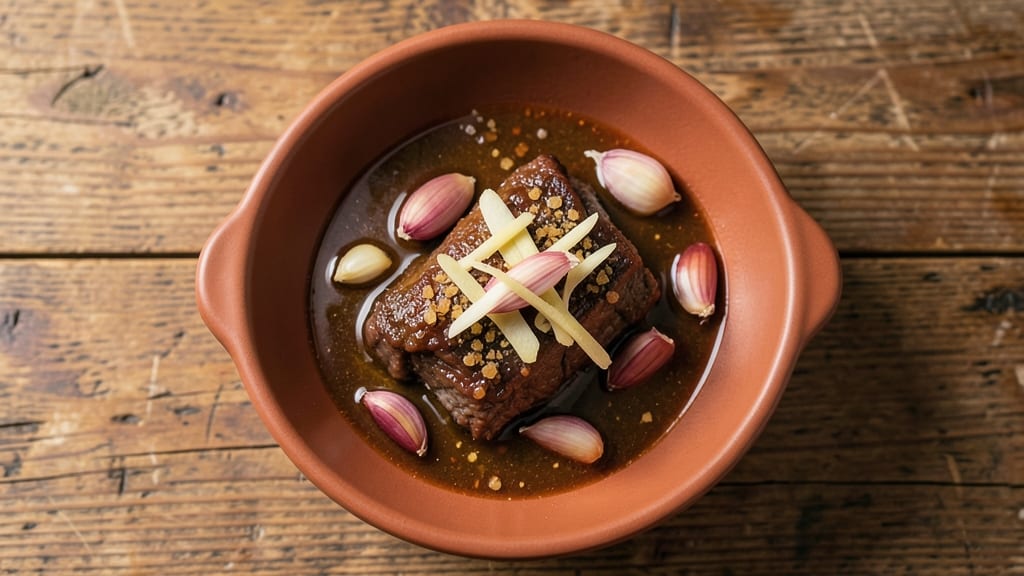
Transforming tough boneless beef short ribs into melt-in-your-mouth perfection starts with this deep umami marinade recipe designed to unlock their full potential. The secret lies in a carefully balanced blend of soy sauce, Worcestershire, and brown sugar that tenderizes while building complex flavor layers.
I developed this marinade after years of testing—it’s the one combination that guarantees fall-off-the-bone results every time.
The marinade works by breaking down tough muscle fibers through a 30-minute minimum soak, though longer (up to 4 hours) enhances flavor penetration. Key ingredients include olive oil for moisture, garlic and ginger for aromatic depth, and a touch of vinegar to tenderize.
This isn’t just any marinade—it’s a flavor multiplier that transforms simple beef into restaurant-quality tenderness with minimal effort.
What you’ll achieve is beef that’s unexpectedly tender—so much so that even the most skeptical eaters will be surprised. The marinade creates a caramelized crust during cooking while keeping the interior juicy and rich.
Store leftovers in the fridge for up to 3 days, making it perfect for meal prep or spontaneous cooking sessions.
Pair this marinade with grilled, pan-seared, or slow-cooked ribs for maximum impact. The beauty of this recipe lies in its versatility—use it as a dry rub base or a wet marinade, depending on your preferred cooking method. Here’s everything you need to elevate your beef game.
Ingredients for boneless beef short ribs marinade
Nine ingredients, one transformative marinade—turns tough beef into melt-in-your-mouth perfection.
| Ingredient | Amount | Notes |
|---|---|---|
| Extra-Virgin Olive Oil 🫒 | ½ cup | High-quality, fruity variety for moisture |
| Soy Sauce 🍶 | ¼ cup | Light or dark, but not reduced |
| Worcestershire Sauce 🍶 | 2 tbsp | Lea & Perrins preferred for depth |
| Brown Sugar 🍚 | ¼ cup | Light or dark, packed |
| Garlic Cloves 🧄 | 6 cloves | Freshly minced, aromatic |
| Fresh Ginger 🌿 | 1 tbsp | Finely grated, vibrant color |
| Red Wine Vinegar 🍷 | 2 tbsp | Bright acidity for balance |
| Diamond Crystal Kosher Salt 🧂 | 1 tsp | Fine grain for even dissolution |
| Fresh Black Peppercorns 🌶️ | 1 tsp | Freshly cracked for heat |
| Sesame Oil 🫒 | 1 tbsp | Toasted, for nutty aroma |
The soy sauce is non-negotiable here—Kikkoman or Gold Peak are my go-tos for that perfect balance of salt and umami. Lea & Perrins Worcestershire adds depth that store-brand versions can't match, so don't skimp. Brown sugar should be packed—Domino works fine, but organic varieties add subtle caramel notes. Garlic and ginger need to be fresh; pre-minced garlic from jars loses its punch. The olive oil matters too—California Avocado or Bertolli are my top picks for that fruity richness that carries the marinade's flavors.
No soy sauce? Coconut aminos at 1:1 ratio works in a pinch, though it's lighter. Skip the Worcestershire? Miso paste (1 tbsp) + extra vinegar mimics the umami. Brown sugar substitute? Maple syrup or agave, but reduce by 1 tbsp to account for moisture. The sesame oil can be swapped for toasted peanut oil if you're avoiding sesame. Fresh ginger? Ground ginger at half the amount is fine, but you'll lose that bright snap. Always taste before applying—adjust salt or vinegar as needed.
This marinade keeps 5-7 days in the fridge, sealed tightly. I double the batch and freeze half in ice cube trays—perfect for future meals. The beef absorbs best at room temperature, so let your ribs sit in the marinade for at least 30 minutes, but 4 hours max prevents over-tenderizing. Never reuse marinade that's touched raw meat—discard after use.
Why You'll Love This Recipe
- Five-Ingredient Magic: I swear by this marinade—just olive oil, soy, Worcestershire, brown sugar, and garlic. That’s it. No fancy pantry trips, no stressing over measurements. The soy and Worcestershire do all the heavy lifting while the brown sugar keeps it from being too sharp.
- Sweet-Savory Balance: Honestly, the combo of brown sugar caramelizing with the deep umami from soy and Worcestershire is chef’s kiss. You get that perfect crispy edge on the ribs without needing a dry rub—just let it sit while you chop veggies or toss a salad.
- Weeknight or Weekend: This marinade works whether you’re feeding your family on a Tuesday or hosting a BBQ. Use it for quick pan-seared ribs (20 minutes, one pan) or slow-cook them all day for tender, fall-off-the-bone results. No rules, just flexibility.
- Budget Meal Stretch: Between us, beef short ribs can be pricey—but this marinade makes them feel like a splurge without breaking the bank. A little goes a long way, and leftovers? They reheat like a dream, so you’re basically getting two meals for the price of one.
Step-by-step instructions for boneless beef short ribs marinade
Here's how to create a marinade that transforms tough short ribs into melt-in-your-mouth perfection.
Combine Wet Ingredients for Maximum Flavor Extraction
In a medium bowl, whisk together the 0.5 cup extra-virgin olive oil and 0.25 cup soy sauce until fully emulsified. The oil should become slightly cloudy as it incorporates with the soy's umami compounds. Add the 2 tbsp Worcestershire sauce and 2 tbsp red wine vinegar, whisking continuously for 30 seconds to distribute these acidifying and fermented components evenly.
Here's the thing—this initial mixture needs to sit for 5 minutes before adding anything else. The vinegar's acidity begins breaking down proteins immediately, while the Worcestershire's aged depth starts penetrating the beef's surface. This pre-marinating phase ensures your marinade works its magic from the first moment it touches the meat.
Incorporate Sweetness and Aromatics for Balanced Flavor
After the 5-minute rest, add the 0.25 cup packed brown sugar and whisk until completely dissolved. The sugar will caramelize slightly during the marinating process, creating a glossy finish and subtle sweetness that contrasts beautifully with the savory elements. Next, add the 6 minced garlic cloves and 1 tbsp finely grated fresh ginger, stirring vigorously for 20 seconds to release their essential oils.
I like to press the garlic and ginger against the bowl's sides with a wooden spoon—this ensures maximum surface area contact and prevents clumping. The ginger's heat and garlic's sharpness will mellow during the marinating process, but they're essential for building that complex umami foundation.
Finish with Seasonings and Oil for Texture
Add the 1 tsp Diamond Crystal kosher salt and 1 tsp freshly cracked black peppercorns, whisking until the salt dissolves completely. The fine grain of kosher salt ensures even distribution, while the peppercorns add a bright, fresh finish that cuts through the richness. Finally, drizzle in the 1 tbsp toasted sesame oil and stir gently to combine—this adds a nutty aroma that elevates the marinade from good to extraordinary.
This is the moment that matters: let the marinade rest for 10 minutes before using. The flavors will meld completely, creating a cohesive blend where each component enhances the others rather than competing. The sesame oil should be visible as tiny droplets throughout, promising that nutty aroma when you cook the ribs.
Apply and Marinate for Fall-Off-Bone Tenderness
Place the boneless beef short ribs in a resealable plastic bag or glass container with a tight-fitting lid. Pour the marinade over the ribs, ensuring they're completely coated. Here's the critical part: massaging the marinade into the meat for 2 minutes with your hands. Work it into all the crevices and edges—this ensures even flavor penetration and helps break down connective tissues.
Seal the container and refrigerate for at least 4 hours, but I recommend 8-12 hours for maximum tenderness. The acidity and enzymes in the marinade will begin tenderizing the meat immediately, while the sugar and oils work together to create a caramelized crust during cooking. Real talk: if you're short on time, even 2 hours will make a noticeable difference in texture compared to unmarinated ribs.
Pro Tips For Making Boneless Beef Short Ribs Marinade
- MINCE THAT GARLIC: I learned this the hard way—whole garlic cloves in the marinade just sit there like decorative rocks. Use a microplane or knife to finely mince them so they actually infuse into the meat. If you’re lazy (like me), a quick pulse in the food processor works, but don’t overdo it—you want texture, not paste.
- BALANCE THE SWEET: Brown sugar can turn the marinade syrupy if you’re not careful. For every 2 tablespoons of sugar, add a splash of soy sauce or Worcestershire to cut the stickiness. This keeps the ribs tender without turning them into candy-coated bricks.
- MARINATE LONG ENOUGH: At least 4 hours—overnight is better if you can swing it. The sugar and soy need time to break down the meat’s fibers, and rushing it means tough, flavorless ribs. I know, I know, but trust the process.
- WARM THE OIL FIRST: Dump cold olive oil straight into the pan, and you’ll waste time waiting for it to heat. Instead, warm the oil over medium heat for 30 seconds until it shimmers—just enough to help the garlic release its aroma before adding the ribs. No, you’re not frying them yet, but this step makes a real difference.
Pro cooking tips for this dish
Acid Balance Secrets
The 2 tbsp red wine vinegar in this marinade is non-negotiable for tenderizing, but timing matters. I always add it last to the wet ingredients and let the mixture rest for 5 minutes before combining with solids.
This allows the acid to begin breaking down proteins immediately, while the sugar and oils work together to prevent over-tenderizing. For extra acid control, substitute 1 tbsp lemon juice if you prefer a brighter finish. 💡
Garlic-Ginger Activation
Fresh garlic and ginger are flavor powerhouses, but they need proper prep. I use a microplane for ginger to maximize surface area, then press the grated pieces against the bowl while stirring.
For garlic, I smash 6 cloves with the flat side of my knife before mincing to release more oils. This technique ensures their aromatic compounds infuse the marinade fully during the 10-minute rest before application.
Salt Dissolution Technique
Using Diamond Crystal kosher salt gives you that perfect balance of fine grains that dissolve completely. I always whisk it in after the sugar to ensure even distribution throughout the marinade.
The key is to let it sit for 2 minutes after adding to allow the salt crystals to fully integrate—this prevents clumping when you later massage it into the beef. Pro tip: If you notice any undissolved salt, strain the marinade through a fine-mesh sieve before using.
Sesame Oil Integration
The 1 tbsp toasted sesame oil should be added last and stirred gently to create visible droplets throughout the marinade. This isn't just for flavor—those tiny oil pockets create a protective barrier during cooking that enhances browning.
I recommend using a whisk with a fine mesh strainer attachment to achieve that signature nutty aroma without overpowering the other ingredients. Add it too early, and the delicate toasted notes will dissipate.
Marinating Time Mastery
While the 4-12 hour range works, I've found that 8 hours is the sweet spot for boneless short ribs. The acidity and enzymes do most of their work in the first 4 hours, but the longer soak allows the sugar to caramelize slightly on the meat's surface.
Never exceed 12 hours—beyond that, you risk breaking down too much of the meat's structure, resulting in a mushy texture. I always set a reminder on my phone to pull the ribs out at the perfect time. ⏰
Equipment Upgrades
For serious marinating, I use a glass container with a vacuum-seal lid (like Vacuum Sealer Plus) to maximize flavor penetration. The vacuum removes air pockets, ensuring the marinade contacts every surface of the beef.
If you don't have one, a ziplock bag with all the air squeezed out works nearly as well. The key is complete contact—no dry spots on the meat when you're done massaging it. 💪
Nutrition facts
Frequently asked questions
Can I use this marinade for other cuts of beef?
This marinade works beautifully on flank steak, skirt steak, or even flanken-style cuts. The acidity and umami blend tenderizes tougher cuts while adding rich flavor. For leaner cuts like sirloin, reduce marination time to 2-4 hours to avoid over-tenderizing. The brown sugar and soy combo enhances any beef, but boneless short ribs benefit most from the longer marination.
How do I store leftover marinade?
Store unused marinade in an airtight container in the fridge for up to 5-7 days. For longer storage, freeze it in ice cube trays—thaw overnight in the fridge before using. Never reuse marinade that's touched raw meat, even if strained. The sesame oil and fresh aromatics degrade over time, so fresh marinade always delivers the best flavor.
What if I don't have sesame oil?
No problem! Swap it for 1 tbsp toasted peanut oil or even 1 tsp toasted sesame seeds (lightly crushed) for a similar nutty aroma. If avoiding all nuts, omit it entirely—the marinade will still work, though you'll lose that signature depth. The key is balancing the other ingredients to maintain the umami-sweet profile.
Can I make this marinade sugar-free?
Yes, but with adjustments. Replace the brown sugar with 2 tbsp erythritol or monk fruit sweetener (no need to reduce liquid). For a savory version, omit the sugar entirely and increase soy sauce to 0.35 cup to compensate. The sugar isn't just for sweetness—it helps caramelize during cooking, so you'll lose that glossy finish without it.
Why does my beef turn out tough even after marinating?
Over-marinating (beyond 12 hours) or using too much acid (like extra vinegar) can break down muscle fibers too much. Also, check your cooking method—boneless short ribs need low-and-slow heat (like braising) to render fat properly. If pan-searing, don't overcrowd the pan, or steam will make the meat tough. The marinade works best when paired with proper cooking techniques.