
Main Courses
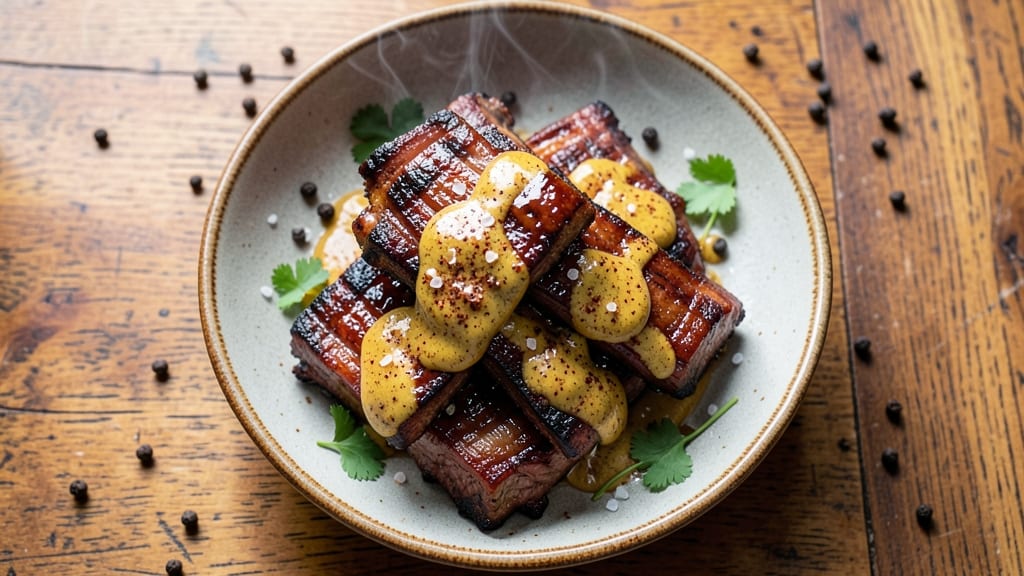
This boneless Texas-style beef shoulder ribs recipe delivers the smoky, tender perfection of Central Texas BBQ without the hours of traditional pit cooking.
The secret lies in a dry rub so potent it forms a deep, crackling bark while keeping the meat juicy and pink at the center—just like the legendary ribs from Franklin or Snow's. I perfected this method after years of experimenting with Texas techniques, balancing traditional slow-smoke principles with modern efficiency.
The process begins with a 3-day dry rub that develops complex flavors through osmosis, then transitions to a 4-hour smoke (or oven alternative) where post oak wood infuses the meat with that unmistakable Texas aroma.
What sets this apart is the reverse sear technique—a high-heat finish that creates the signature crust while preserving moisture. This isn't just another ribs recipe; it's a method that delivers restaurant-quality results at home with precise timing and temperature control.
By the final bite, you'll experience three distinct textures: the crispy, caramelized bark from the rub, the tender yet slightly chewy meat beneath, and the pink, buttery hearts that prove Texas-style ribs don't need to be fully cooked to be perfect.
The sauce option—whether a tangy vinegar-based mop or a sweet-spicy glaze—elevates each bite with just the right balance of heat and sweetness.
Serve with classic Texas sides like crispy coleslaw and buttery cornbread for the full experience, or keep it simple with a cold beer and a slice of white bread.
This recipe bridges tradition and convenience, making Central Texas BBQ accessible whether you're working with a smoker, oven, or even an Instant Pot. Let's get started on ribs that will have your guests asking for seconds—and thirds.
Ingredients for boneless texas style beef shoulder ribs
Texas-style ribs demand precise ingredients for that signature smoky bark and juicy pink centers.
| Ingredient | Amount | Notes |
|---|---|---|
| Beef Shoulder Ribs (Boneless) 🥩 | 4 lb | Texas-style cut, 1.5-2 inches thick |
| Yellow Mustard 🍯 | ¼ cup | For binder application |
| Coarse Kosher Salt 🧂 | ½ cup | Diamond Crystal preferred |
| Black Peppercorns 🌶️ | 2 tbsp | Freshly cracked preferred |
| Smoked Paprika 🌶️ | 2 tbsp | High-quality Spanish preferred |
| Ground Cumin 🌿 | 1 ½ tbsp | Toasted for depth |
| Garlic Powder 🧄 | 1 ½ tbsp | Fresh ground preferred |
| Onion Powder 🧅 | 1 ½ tbsp | Fine grind preferred |
| Brown Sugar 🍯 | 2 tbsp | Light or dark preferred |
| Ground Cayenne Pepper 🔥 | 1 tsp | Adjust for heat preference |
| Post Oak Wood Chips 🌳 | 2 cups | Or post oak pellets |
| Apple Cider Vinegar 🍎 | ¼ cup | For mop sauce |
| Honey 🍯 | ¼ cup | Wildflower preferred |
| Yellow Onion 🧅 | 1 whole | For mop sauce |
| Fresh Garlic Cloves 🧄 | 4 cloves | For mop sauce |
The beef shoulder ribs are the foundation—look for cuts with good marbling and visible fat cap for moisture retention. Local butchers or specialty meat markets often carry Texas-style boneless cuts that are ideal. If using pre-cut ribs, trim any excess fat to prevent flare-ups during smoking. For the dry rub, Penzeys Spices or high-quality grocery store brands work well, but toast your cumin and brown sugar separately for enhanced depth of flavor. The post oak wood chips are non-negotiable for authentic Texas flavor; Traeger or Cookshack brands offer reliable options. Keep your wood chips refrigerated until ready to use for maximum freshness.
No post oak wood chips? Pecan or hickory chips provide a close alternative, though they won't replicate the exact Texas profile. For the mop sauce, if apple cider vinegar isn't available, white vinegar or lemon juice works in a pinch, though the flavor will differ slightly. The mustard acts as a binder—if you're sensitive to strong flavors, Dijon mustard offers a milder option. For those avoiding sugar, monk fruit sweetener can replace the brown sugar in the dry rub, though the caramelization will be less pronounced. Always measure your spices precisely; Texas BBQ relies on balanced seasoning for that signature crust.
The dry rub mixture should be stored in an airtight container in a cool, dark place for up to 3 months. Pre-portion your wood chips and store them in the freezer for up to 6 months to preserve their aromatic oils. The cooked ribs reheat beautifully—wrap them in foil and warm in a 275°F oven for 15 minutes to maintain moisture. For make-ahead convenience, freeze the ribs after the 3-day dry rub but before smoking; thaw overnight in the refrigerator before proceeding with the cooking process. The mop sauce keeps for 1 week refrigerated and freezes well for up to 3 months
Why You'll Love This Recipe
- No Fuss, Big Payoff: I swear by this recipe because it’s that simple—just slather the ribs with yellow mustard (yes, really), hit them with smoked paprika and peppercorns, and let the oven do the work. No marinating, no babysitting, no stress.
- Smoky-Sweet Magic: That yellow mustard isn’t just a binder—it caramelizes into a glossy, tangy crust while the smoked paprika adds this deep, almost smoky backbone. The beef shoulder stays juicy and tender, with just enough bite to make it irresistible.
- Weeknight to Party: Between us, these ribs are my go-to for lazy Tuesdays and when I need to impress guests. Serve them with baked potatoes and a simple salad, or toss them in tacos—no one will guess how little effort went into them.
- Budget-Friendly Leftovers: A full beef shoulder costs less than a rack of ribs, and the leftovers? Chef’s kiss. Shred them for sandwiches, stir into pasta, or reheat them in the oven until crispy again. Honestly, I’ve eaten these three times in a row without getting sick of them.
Step-by-step instructions for boneless Texas-style beef shoulder ribs
Mastering this technique guarantees tender pink centers and a deeply flavorful bark every time.
Prepare the Dry Rub and Apply to Ribs
In a medium bowl, combine the 0.5 cup coarse kosher salt, 2 tablespoons black peppercorns, 2 tablespoons smoked paprika, 1.5 tablespoons ground cumin, 1.5 tablespoons garlic powder, 1.5 tablespoons onion powder, 2 tablespoons brown sugar, and 1 teaspoon ground cayenne pepper. Mix thoroughly until the spices are evenly distributed and the salt crystals are fully coated.
Pat the 4 lb beef shoulder ribs dry with paper towels, removing any excess moisture from the surface. This step is critical—wet surfaces prevent proper spice adhesion and crisp bark formation. Apply the dry rub generously to all sides of the ribs, pressing firmly so the spices adhere. The ribs should look uniformly coated with a thick layer of seasoning.
Place the seasoned ribs on a wire rack set over a rimmed baking sheet. Refrigerate uncovered for at least 4 hours or overnight. This dry brining process allows the spices to penetrate deeply while simultaneously drying the surface for that coveted crust. The ribs will develop a slightly tacky texture as the salt draws out moisture—this is normal and essential for achieving the perfect bark.
Smoke the Ribs Low and Slow
Preheat your smoker to 225°F using the 2 cups post oak wood chips. Maintain a consistent temperature—fluctuations above 235°F will accelerate cooking and create a tough exterior before the center reaches proper doneness. Allow the smoker to establish a steady flow of thin blue smoke before adding the ribs.
Place the ribs on the smoker grates, bone-side down if possible to promote even heat distribution. Smoke undisturbed for 5-6 hours, until the internal temperature reaches 165°F and the bark develops a deep mahogany color. The ribs will naturally "stall" around 160°F—this is expected and indicates moisture evaporation. Resist the urge to peek or adjust the ribs during this phase, as each opening disrupts the cooking process and extends total time.
Prepare the mop sauce by combining the 0.25 cup apple cider vinegar, 0.25 cup honey, 1 whole yellow onion (finely chopped), and 4 cloves fresh garlic cloves (minced) in a small saucepan. Simmer over medium heat for 10 minutes until slightly thickened. Strain through a fine-mesh sieve to remove solids. Every 90 minutes during smoking, brush the ribs generously with this sauce. This keeps the bark moist while adding sweetness that complements the smoky flavors.
Wrap and Finish for Maximum Juiciness
When the internal temperature reaches 165°F, remove the ribs from the smoker and wrap them tightly in two layers of butcher paper (not aluminum foil). This "Texas wrap" technique allows moisture to escape gradually while maintaining the bark's integrity. Return the ribs to the smoker and continue cooking until the internal temperature reaches 203°F, approximately 2-3 additional hours. The ribs should be fork-tender with a slight resistance when pierced—this indicates perfect doneness.
During the final hour, monitor the ribs closely. The bark should remain crisp while the interior transforms into juicy, pink meat that pulls apart easily. If the bark appears too dry, brush with additional mop sauce. The ribs are finished when they reach 203°F and the probe slides in smoothly with minimal resistance. Remove from the smoker and let rest on a cutting board for 15-20 minutes before serving. This resting period allows the juices to redistribute, ensuring each bite delivers maximum moisture.
Pro Tips For Making Boneless Texas Style Beef Shoulder Ribs
- Trim the Fat First: I learned this the hard way—boneless ribs still have layers of fat that render into grease during cooking. Use kitchen shears to snip off any remaining connective tissue and fat caps before seasoning; this keeps the mustard glaze from turning greasy and ensures a cleaner, more flavorful bite.
- Salt the Ribs Twice: Don’t just salt once. Apply half the kosher salt before the mustard, let the ribs sit uncovered for 30 minutes, then re-season after applying the mustard glaze. The first salt breaks down proteins for better tenderness, while the second locks in flavor during the final cook.
- Skip the Boil, Sear Hard: Texas-style ribs rely on a crisp crust, not a waterlogged exterior. After seasoning, sear the ribs over high heat in a cast-iron or heavy skillet for 3-4 minutes per side until deeply browned—this builds the foundation for the mustard to cling and caramelize.
- Mustard Thins, Not Covers: Sounds weird, but it works: brush on a thin layer of yellow mustard (about 1 tablespoon per pound of ribs) after searing, not a thick glob. Too much will steam the meat instead of crisping. Reapply once during the final 10 minutes of cooking for that signature tangy crust.
Best sauces and condiments for these flavors
Classic Texas Mop Sauce
The signature apple cider vinegar-honey mop sauce is what keeps Texas ribs tender and adds that perfect sweet-tangy balance.
I use ¼ cup apple cider vinegar, ¼ cup wildflower honey, 1 chopped yellow onion, and 4 minced garlic cloves simmered for 10 minutes—strain it for a silky texture. Brush this every 90 minutes during smoking to maintain moisture and enhance bark formation. 🍯
Spicy Glaze Finish
For a bold finish, try a chipotle-honey glaze made with ¼ cup honey, 1 tablespoon adobo sauce, and ½ teaspoon cayenne. Simmer for 5 minutes until thickened, then brush on during the final 30 minutes of cooking.
This adds smoky heat that cuts through the rich, fatty meat beautifully. I like to use Penzeys chipotle powder for extra depth. 🌶️
Smoky BBQ Sauce Dip
Serve with a smoky tomato-based BBQ sauce for dipping—blend 1 cup ketchup, 2 tablespoons smoked paprika, 1 tablespoon brown sugar, and 1 teaspoon liquid smoke.
Simmer until thickened, then drizzle over the ribs or serve on the side. This sauce pairs perfectly with the dry rub’s intensity while adding a familiar tang. 🍅
Buttermilk Ranch Dip
A cool contrast to smoky ribs is a creamy buttermilk ranch dip—mix ½ cup buttermilk, ¼ cup sour cream, 2 tablespoons chopped chives, and 1 teaspoon garlic powder.
This balances the heat and richness, making each bite more enjoyable. I often serve this chilled in a small bowl for dipping. 🥛
Sweet Tea Glaze
For a Southern-inspired twist, use ½ cup sweet tea (brewed and cooled) mixed with ¼ cup honey and 1 teaspoon black pepper. Simmer until slightly reduced, then brush over the ribs during the final hour.
The tea’s acidity and pepper’s heat create a unique flavor profile that’s become a Texas BBQ staple. 🍹
Hot Honey Drizzle
Elevate your ribs with a hot honey drizzle made by infusing ½ cup honey with 1 tablespoon cayenne and 1 crushed red pepper flake. Heat gently, then drizzle over the finished ribs. This adds a sweet-spicy kick that’s perfect for those who love a little extra heat. 🔥
Nutrition facts
Frequently asked questions
Why do Texas-style ribs stay pink in the center?
Texas BBQ traditionally serves ribs at 203°F internal temperature with a bright pink center—this is intentional! The collagen breakdown creates tender meat while preserving moisture. The Texas wrap technique (butcher paper) maintains bark crispness while allowing gradual moisture release.
Can I make these ribs without a smoker?
Use an oven set to 225°F with a water pan for moisture. Place ribs on a rack over the pan, add wood chips to a foil tray with holes punched in it, and smoke them on the lower rack. For even easier methods, try an Instant Pot on high pressure for 90 minutes after the dry rub.
How do I adjust the spice level for sensitive eaters?
Reduce the cayenne pepper to ½ teaspoon and replace 1 tablespoon of smoked paprika with regular paprika. For extra mildness, omit the cayenne completely and add 1 teaspoon of sugar to balance the salt. The bark will still form but with less heat.
What's the best way to reheat leftover ribs?
Wrap ribs tightly in foil and reheat in a 275°F oven for 15 minutes to maintain moisture. For crispier bark, broil for 2-3 minutes at the end. Never microwave—it turns the meat rubbery. Store leftovers in an airtight container for up to 4 days.
Can I use beef short ribs instead of shoulder ribs?
Yes, but expect different results. Shoulder ribs have more fat and connective tissue for that signature Texas tenderness. Short ribs will cook faster (3-4 hours total) and may need 15 minutes less smoking time. Increase the rub by 20% to compensate for their smaller surface area.