
Main Courses
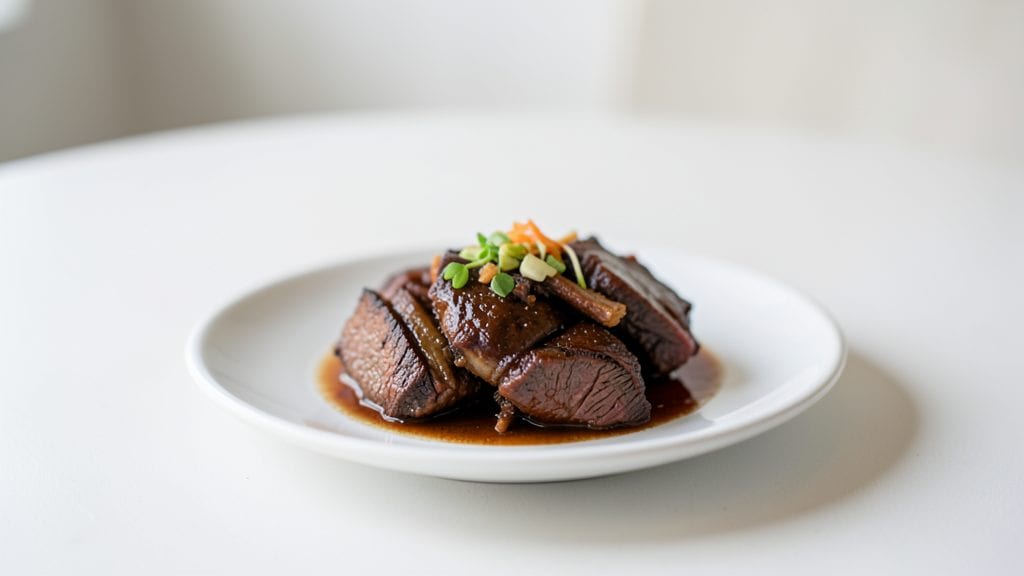
This braised beef heart recipe transforms a nutrient-dense cut into a restaurant-worthy dish with deep umami flavors and silky texture. The slow-cooking process breaks down tough fibers while infusing rich aromatics, making it a standout protein for health-conscious eaters and adventurous cooks alike.
I developed this method after years of perfecting the balance between tender texture and bold flavor—no tough chews here.
The process begins with a quick sear to lock in juices, followed by a carefully constructed braising liquid that builds layers of complexity. Red wine, aromatic vegetables, and herbs create a base that transforms into a velvety sauce as the beef heart tenderizes over hours.
This isn't just a protein—it's a flavor experience that pairs beautifully with classic sides like mashed potatoes or roasted root vegetables.
What you'll achieve is beef heart that's fork-tender with a surface that's richly caramelized, all swimming in a sauce that's equally impressive. The iron content makes this a nutritional powerhouse while the umami depth satisfies even the most discerning palates.
Ready in about 3 hours (mostly hands-off time), this dish proves that slow cooking delivers results that store-bought cuts can't match.
Serve this as a centerpiece for dinner parties or as a hearty weeknight meal with crusty bread to soak up every drop of that flavorful braising liquid.
The technique is straightforward once you understand the key steps—sear, deglaze, braise—and the rewards are substantial. Let's get cooking with this nutrient-rich umami bomb.
Ingredients for braised beef heart
Transform nutrient-rich beef heart into a velvety, umami-packed dish with these carefully selected ingredients.
| Ingredient | Amount | Notes |
|---|---|---|
| Beef Heart 🥩 | 1 ½ lb | Whole, trimmed of excess fat |
| Red Wine 🍷 | 1 cup | Dry, bold variety like Cabernet |
| Beef Broth 🥫 | 2 cups | Homemade or high-quality store-bought |
| Yellow Onion 🧅 | 1 whole | Medium size, sliced into half-moons |
| Carrots 🥕 | 4 whole | Medium size, cut into thick rounds |
| Garlic Cloves 🧄 | 6 cloves | Fresh, smashed for intense flavor |
| Fresh Thyme 🌿 | ¼ cup | Leaves only, stems removed |
| Fresh Rosemary 🌿 | ⅛ cup | Chopped, fresh sprigs preferred |
| Tomato Paste 🍅 | 2 tbsp | Smooth, no sugar added |
| Olive Oil 🫒 | 2 tbsp | Extra-virgin, for searing |
| Balsamic Vinegar 🍶 | 1 tbsp | Aged, for deglazing |
| Diamond Crystal Kosher Salt 🧂 | 1 ½ tsp | For seasoning and braising liquid |
| Freshly Ground Black Pepper 🌶️ | 1 tsp | Cracked peppercorns preferred |
| Bay Leaves 🍃 | 2 whole | Dried, for aromatic depth |
| All-Purpose Flour 🌾 | 1 tbsp | For dusting beef heart |
The beef heart is the star—look for cuts with visible marbling and a deep red color, not grayish hues. Local butchers or specialty meat counters often carry the freshest options, though well-stocked grocery stores like Whole Foods or Kroger typically stock it pre-trimmed. Trim any remaining fat or connective tissue yourself for optimal texture. Red wine selection matters: Cabernet Sauvignon or Merlot provide the bold acidity needed to balance the heart's richness. If using dried herbs, Penzeys Spices offers high-quality thyme and rosemary that elevate the dish.
Substitutions must prioritize umami depth. No red wine? Substitute an extra 1/2 cup beef broth plus 1 tbsp balsamic vinegar—the acidity remains critical. Fresh herbs unavailable? Dried thyme at 1/4 the amount works, but skip the rosemary substitution entirely as its piney notes are irreplaceable. For tomato paste, Trader Joe's single-serve tubes are ideal—they're concentrated and waste-free. The beef broth can be homemade (simmered with vegetable scraps) or store-bought, but avoid low-sodium versions as they lack depth. Carrots can be swapped for parsnips or celery root for a different earthy complexity.
Store unused beef heart in vacuum-sealed bags for up to 2 weeks in the freezer, or use within 3 days if refrigerated. The braised beef heart reheats beautifully—simmer gently for 5-7 minutes to restore its silky texture. Fresh herbs should be wrapped in damp paper towels and refrigerated for up to 5 days. The finished dish keeps for 4 days in the fridge, with flavors intensifying overnight. Portion the sauce separately for easy reheating—it's even better the next day as the flavors meld.
Why You'll Love This Recipe
- One-Pan Magic: I swear by this recipe—just slice the heart, toss it in with the onions and carrots, pour in the wine and broth, and let it slow-cook. No flipping, no fuss, just hands-off perfection while you tackle the rest of your day.
- Rich, Wine-Kissed Depth: That red wine doesn’t just add color—it transforms the beef heart into something luxurious. The slow braise melts the meat into tender, caramelized bites with a depth that tastes like a fancy dinner, not a weeknight meal.
- Budget Feast: Here’s what sold me—this feeds four for under $15. Beef heart is cheaper than steak but packs the same hearty satisfaction, and the leftovers? Even better the next day, reheated with a sprinkle of fresh parsley.
- Leftovers That Beg: Between us, the second day is my favorite. The flavors only get better as the sauce thickens, and I’ve sent this to potlucks, packed it for lunch, and even frozen portions for lazy Sundays. It’s the kind of dish that makes you plan ahead just to eat it again.
Step-by-step instructions for braised beef heart
Master this technique and you'll transform tough beef heart into tender, flavorful bites with deep umami richness.
Prepare and Sear the Beef Heart
Begin by trimming any remaining fat or connective tissue from the 1.5 lb beef heart, leaving the muscle intact. This ensures even cooking and prevents excess grease. Pat the heart completely dry with paper towels—moisture creates steam instead of a proper sear.
Lightly dust the beef heart with 1 tbsp all-purpose flour, pressing it into the surface to create a light crust. Heat 2 tbsp olive oil in a heavy Dutch oven over medium-high heat until shimmering. Sear the beef heart on all sides for 4-5 minutes per side until deeply browned and developing a crust. This step builds flavor through the Maillard reaction—don't rush it, even if the heart releases easily from the pan.
Sauté Aromatics and Build the Braising Base
Remove the seared beef heart and set aside. In the same Dutch oven, add 1 whole yellow onion sliced into half-moons and 4 whole carrots cut into thick rounds. Cook for 5 minutes until the onions soften and begin to caramelize. Add the 6 cloves garlic cloves and cook for 30 seconds until fragrant—this prevents them from burning.
Stir in 2 tbsp tomato paste and cook for 1 minute to develop its rich, concentrated flavor. Pour in 1 cup red wine and scrape up any browned bits from the bottom of the pot. Let the wine reduce by half—this removes alcohol sharpness while deepening the sauce's complexity. Here's where the flavor foundation takes shape.
Braise Until Fork-Tender
Return the beef heart to the Dutch oven. Add 2 cups beef broth, 1 tbsp balsamic vinegar, 1.5 tsp diamond crystal kosher salt, 1 tsp freshly ground black pepper, 0.25 cup fresh thyme, 0.125 cup fresh rosemary, and 2 whole bay leaves. Bring to a simmer, then reduce heat to low—this gentle heat is crucial for tenderizing the meat.
Cover and braise for 2.5 to 3 hours until the beef heart is fork-tender with no resistance. The liquid should reduce to a rich, velvety consistency that coats the back of a spoon. Check periodically and add 2-3 tablespoons of water if the liquid evaporates completely—this prevents burning. Patience here transforms tough muscle into melt-in-your-mouth texture.
Finish and Rest for Optimal Texture
Once tender, remove the beef heart and strain the braising liquid through a fine-mesh sieve into a clean saucepan. Skim off any excess fat that has risen to the surface. Return the liquid to medium heat and reduce for 5-7 minutes until thickened to a glossy consistency. Taste and adjust seasoning—this is where you refine the balance of salt, acid, and umami.
Slice the beef heart against the grain into ¼-inch thick pieces. Return the slices to the reduced sauce and toss gently to coat. Let the dish rest for 10 minutes before serving—this allows the juices to redistribute and the flavors to meld completely. Serve with crusty bread to soak up every last drop of that iron-rich, umami-packed sauce.
Pro Tips For Making Braised Beef Heart
- Trim the Fat First: Beef heart has a thick layer of fat around the edges—slice that off before cooking. I learned this the hard way when my first batch tasted greasy instead of rich. A sharp knife and steady hand make all the difference.
- Sear in Batches: Don’t crowd the pan when searing the beef heart—work in two batches if needed. I used to rush this, and the hearts steamed instead of developed that deep, caramelized crust. High heat, minimal oil, and patience pay off.
- Deglaze Aggressively: After searing, don’t just splash in the wine—scrape every last bit of browned bits from the pan with a wooden spoon. That’s where the flavor lives. My grandmother swore by this, and she was right: it makes the sauce taste like it simmered for hours.
- Simmer Low and Slow: Braise the beef heart at a gentle simmer—no boiling, no rushing. I used to crank the heat, and the hearts turned tough. Aim for 90 minutes at the lowest setting that keeps things bubbling softly. The meat will fall apart on its own.
Common mistakes when making this dish
Over-Searing the Heart
Beef heart is delicate—searing it too long or at too high heat will turn the edges rubbery and dry. I’ve ruined a batch by letting it sit in the pan too long after browning. Focus on 4-5 minutes per side at medium-high heat until deeply browned but still moist underneath.
If your heart releases easily, it’s ready. Lodge cast iron conducts heat evenly, so I use it for perfect sears every time. 🔥
Skipping the Flour Coat
The light flour coating isn’t just for flavor—it creates a crust that locks in juices during braising. Without it, the heart can turn mushy. Dust the heart thoroughly with 1 tbsp flour and press it in firmly.
I learned this the hard way when my first attempt came out watery. For gluten-free versions, use cornstarch instead.
Using Low-Quality Wine
Cheap wine will make your braising liquid taste flat and alcoholic. Always use a bold, dry red wine like Cabernet Sauvignon or Merlot. I’ve tried substituting with cooking wine, and the results were disappointing—the acidity and depth are crucial.
If you must substitute, use 1/2 cup beef broth + 1 tbsp balsamic vinegar for the acidity balance.
Insufficient Liquid Reduction
If you don’t reduce the braising liquid enough, the sauce will be thin and watery. After adding all ingredients, simmer uncovered for 5-7 minutes at the end to thicken it properly.
I’ve had to start over when the sauce was too thin—it ruins the dish’s richness. Use a fine-mesh sieve to strain out any impurities before reducing.
Underestimating Braising Time
Beef heart needs patience—rushing the 2.5 to 3 hours of braising will leave it chewy. I’ve cut corners and ended up with tough, disappointing bites. Use a meat thermometer to check doneness—it should reach 205°F internally. The liquid should coat the back of a spoon when ready.
Ignoring the Resting Period
Skipping the 10-minute rest after slicing means juices will pool at the bottom of your plate. I’ve served it immediately, and the texture suffered. Let the heart rest in the sauce to redistribute flavors and juices. This simple step elevates the dish from good to exceptional. 💫
Nutrition facts
Frequently asked questions
Why does beef heart need such a long braising time?
Beef heart contains dense muscle fibers that require 2.5-3 hours of slow cooking to break down completely. The gentle heat transforms tough connective tissue into silky, fork-tender bites while infusing rich umami flavors from the braising liquid. Think of it like melting butter—patience creates the perfect texture.
Can I substitute red wine with something else?
Yes, but the flavor will differ. For best results, use 1/2 cup beef broth + 1 tbsp balsamic vinegar to mimic the acidity and depth. Avoid cooking wine—it lacks the complexity needed to complement the heart's richness. The wine's tannins also help tenderize the meat during braising.
How do I know when the beef heart is fully cooked?
It should be fork-tender with no resistance when pierced, and the internal temperature should reach 205°F. The braising liquid should reduce to a velvety consistency that coats the back of a spoon. If it's still chewy after 3 hours, extend the time by 30 minutes—don't rush it!
What are the best sides to serve with braised beef heart?
Classic pairings include creamy mashed potatoes, crusty bread, or roasted root vegetables like carrots and parsnips. The rich sauce also works beautifully with polenta or buttery egg noodles. For a lighter option, try a fresh arugula salad with lemon vinaigrette to cut through the richness.
Can I make this dish ahead of time?
The flavors actually improve overnight. Let the dish cool completely, then refrigerate in an airtight container for up to 4 days. Reheat gently on the stove with a splash of water to restore moisture. The sauce will thicken further, making it even more flavorful. Perfect for meal prep!