
Main Courses
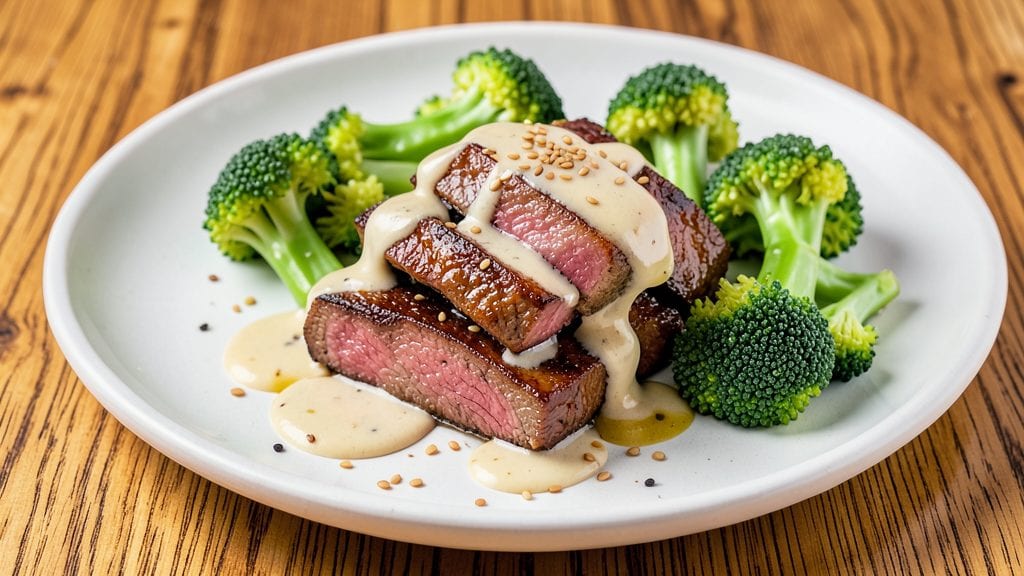
This Campbell’s beef and broccoli recipe transforms into a restaurant-worthy dish at home with surprising ease—when precision meets speed. The secret lies in properly searing the beef for maximum tenderness while keeping the broccoli vibrant and crisp-tender, all in just 30 minutes.
I've refined this method over countless weeknight dinners, ensuring every bite delivers that perfect balance of savory soy glaze and fresh vegetable crunch.
What sets this recipe apart is the technique: high-heat searing for the beef creates a flavorful crust, while blanching the broccoli preserves its bright green color and crisp texture.
The Campbell's soup base serves as our foundation, enriched with a touch of cornstarch for that signature silky thickness—no lumps, just velvety perfection. This isn't just a shortcut; it's a method that delivers restaurant-quality results with minimal effort.
By the time you plate this dish, you'll have perfectly tender beef strips coated in a glossy soy glaze, paired with bright green broccoli florets that stay crisp-tender. The aroma alone will have everyone gathering at the table—rich, savory, and just slightly sweet from the caramelized edges.
Serve it over steamed jasmine rice for that classic takeout experience, but with the confidence of homemade quality.
This recipe works equally well for meal prep or last-minute dinners, making it the ultimate weeknight solution. The instructions are straightforward, but the results speak for themselves—tender beef, vibrant broccoli, and a sauce that's smooth without being heavy. Let's get cooking!
Ingredients for campbell's beef and broccoli
Restaurant-quality beef and broccoli begins with these precise ingredients for velvety sauce and vibrant vegetables.
| Ingredient | Amount | Notes |
|---|---|---|
| Flank Steak 🥩 | 1 ½ lb | Thinly sliced against grain |
| Fresh Broccoli Florets 🥦 | 6 cups | Medium florets, stems trimmed |
| Campbell's Cream of Mushroom Soup 🍄 | 1 can | 10.5 oz can, condensed |
| Cornstarch 🌾 | 1 tbsp | For silky sauce texture |
| Soy Sauce 🍶 | ½ cup | Low-sodium preferred |
| Sesame Oil 🫒 | 1 tbsp | Toasted for aroma |
| Garlic Cloves 🧄 | 4 cloves | Minced for depth |
| Ginger Root 🌿 | 1 tbsp | Freshly grated |
| Green Onions 🧅 | 3 whole | Sliced for garnish |
| Vegetable Oil 🫒 | 2 tbsp | High smoke point |
| Diamond Crystal Kosher Salt 🧂 | 1 ½ tsp | Fine grain preferred |
| Black Peppercorns 🌶️ | ½ tsp | Freshly cracked |
| Jasmine Rice 🍚 | 1 ½ cups | Uncooked, for serving |
The flank steak is non-negotiable for this dish—its lean yet tender texture sears beautifully while remaining juicy. Opt for USDA Choice or Select grade from your local butcher or grocery store's meat department, where the staff can slice it against the grain for you (about 1/4-inch thick strips). If you're slicing at home, freeze the meat for 30 minutes first to make it easier. For the broccoli, freshness is critical—look for florets with vibrant green color and tightly closed buds at Whole Foods or your local farmers market. The stems should snap cleanly, not bend. If you're prepping ahead, store the broccoli in a sealed container with a paper towel to absorb moisture, keeping it crisp for up to 3 days.
No Campbell's Cream of Mushroom Soup? Substitute equal parts cream of celery soup and chicken broth for a lighter base, though the earthy mushroom flavor is ideal here. The soy sauce can be swapped for coconut aminos at half the amount if you're avoiding sodium, though the depth of flavor will differ. For the sesame oil, toasted sesame oil from Trader Joe's delivers the best aroma, but any good-quality brand works. If you're short on time, pre-minced garlic and ginger from the freezer section saves steps without sacrificing flavor. The cornstarch is essential for that signature silky texture—don't skip it, even if you're using a high-quality soup base. For extra richness, add 1/4 cup heavy cream to the finished sauce.
This dish reheats beautifully—simply warm the sauce and beef together for 2-3 minutes on the stovetop, adding a splash of water if needed. The broccoli can be blanched ahead and stored in ice water for up to 2 days before reheating in the sauce. For meal prep, portion the beef and sauce separately, then combine when ready to serve to maintain texture. The jasmine rice keeps for 5 days in the fridge or 6 months frozen, making this a perfect make-ahead option. If you're serving a crowd, double the recipe—just ensure your pan is large enough to sear the beef in a single layer for optimal browning.
Why You'll Love This Recipe
- One-Pan Magic: I swear by this recipe—just slice the steak, steam the broccoli, and dump everything in one pan. The cornstarch slurry thickens that creamy mushroom soup into a glossy sauce while the steak sears right alongside, no flipping or fussing required.
- Umami Bomb: That Campbell’s cream of mushroom soup is the secret weapon—deep, savory, and slightly tangy. Pair it with a quick soy sauce hit and the natural sweetness of broccoli? It’s the kind of flavor combo that makes you go back for seconds without even thinking.
- Weeknight Workhorse: Between us, this is my go-to when I’m too tired to think. Double the batch on Sunday, and you’ve got lunch for the next two days—steak stays tender, sauce thickens up nicely, and the broccoli holds its crunch. (Yes, even on a Tuesday night.)
- Budget-Friendly Feast: Flank steak stretches further than you’d think when sliced thin, and a single can of soup feeds four without breaking the bank. Honestly, it’s the kind of meal that makes grocery day feel like a win—no fancy ingredients, just pure satisfaction.
Step-by-step instructions for soy-glazed beef and broccoli
Here's the method for tender beef and vibrant broccoli with a rich, umami-packed sauce.
Prepare the Flank Steak for Maximum Tenderness
Slice the 1.5 lb flank steak thinly against the grain into ¼-inch strips. This critical step ensures each bite will be tender rather than chewy. Arrange the slices on a plate and season both sides generously with 1.5 tsp diamond crystal kosher salt and 0.5 tsp freshly cracked black peppercorns. Let them sit at room temperature for 15 minutes while you prepare the rest of the ingredients.
Here's the thing—proper slicing and salting ahead of time makes all the difference. The salt will penetrate the meat, while the grain direction determines tenderness. Don't skip this resting period; cold meat cooks unevenly and can toughen during cooking.
Sear the Beef and Create Flavor Layers
Heat 2 tbsp vegetable oil in a large skillet over medium-high heat until shimmering. Working in batches if needed, add the seasoned beef strips and sear for 1-2 minutes per side until they develop a deep golden-brown crust. Remove the beef and set aside on a plate.
Don't overcrowd the pan—this prevents proper browning. You'll know the beef is ready when it releases easily from the pan and shows a caramelized surface. The residual oil in the pan will become the foundation for your sauce, so don't wipe it clean. This step builds the flavor base that carries through the entire dish.
Build the Soy-Ginger Sauce Foundation
In the same skillet, add 4 cloves minced garlic cloves and 1 tbsp freshly grated ginger root. Cook for 30 seconds until fragrant, stirring constantly to prevent burning. Pour in the 0.5 cup soy sauce and 1 tbsp toasted sesame oil, scraping up any browned bits from the bottom of the pan.
This deglazing step captures all the beefy flavor that settled during searing. Let the sauce simmer for 2 minutes until it begins to thicken slightly. The aroma should be rich and savory—this is where the dish's signature umami profile develops. If you notice any raw garlic flavor, cook it just a bit longer until it mellows.
Incorporate the Creamy Base and Finish the Sauce
Pour in the 1 can Campbell's cream of mushroom soup and stir to combine with the soy mixture. Bring to a gentle simmer over medium heat, then sprinkle in 1 tbsp cornstarch mixed with 1 tablespoon water. Cook for 1-2 minutes until the sauce thickens to a glossy, velvety consistency that coats the back of a spoon.
The cornstarch slurry is what transforms this into a proper sauce rather than a thin glaze. Here's what I do—whisk the cornstarch with water first to prevent clumping, then ladle a bit of hot sauce into it before adding to the pan. This ensures smooth incorporation. Taste and adjust seasoning if needed—you may want to add a pinch more salt or a splash of water for perfect consistency.
Combine and Cook the Broccoli
Add the 6 cups fresh broccoli florets to the sauce and toss gently to coat. Cover the skillet and cook for 3-4 minutes until the broccoli is bright green and tender-crisp with just a slight bite remaining. Return the beef to the pan and toss everything together for 1 minute to heat through.
The broccoli should maintain its vibrant color and crisp texture—overcooking will turn it mushy. Here's the visual cue you're looking for: bright green florets with just a tiny bit of resistance when pierced with a fork. Garnish with 3 whole sliced green onions and serve immediately over 1.5 cups cooked jasmine rice for perfect portion control.
Pro Tips For Making Campbell'S Beef And Broccoli
- SEAR STEAK IN BATCHES: Flank steak releases a ton of liquid when searing, and if you crowd the pan, you’ll steam it instead of get that caramelized crust. Cut it into strips first, then work in two batches—high heat, 2-3 minutes per side—so the meat hits the pan with a sizzle, not a hiss. (Yes, even if you’re impatient like me.)
- TRIM BROCCOLI SMALLER THAN YOU THINK: The Campbell’s recipe calls for florets, but I used to eyeball it and end up with giant stems that stay woody. Cut them into 1-inch pieces—smaller than what looks right—and they’ll cook evenly in the sauce. Pro move: Shock them in ice water after blanching to keep that bright green color.
- SAVE SOY SAUCE FOR LATER: Add the soy sauce after the sauce has thickened, not at the start. The high heat breaks down the flavor if you toss it in early, and the broccoli will turn mushy if it sits too long in the raw sauce. Stir it in the last 30 seconds—trust me, the umami hits harder that way.
Flavor customization for these flavors
Spicy Kick Option
For a bold flavor twist, stir in 1 tbsp gochujang (Korean chili paste) with the soy sauce and sesame oil. This adds a deep, spicy-sweet dimension that pairs perfectly with the beef.
I also recommend adding ½ tsp red pepper flakes to the finished dish for heat lovers. For extra heat, drizzle with 1 tsp sriracha after serving. 🌶️
Sweet Glaze Variation
Swap half the soy sauce for ½ cup hoisin sauce to create a sweet-savory balance. Add 1 tbsp honey or 1 tsp brown sugar to the sauce mixture for caramelized depth.
This version works beautifully with the beef's rich flavor profile while keeping the broccoli vibrant. Serve with a sprinkle of toasted sesame seeds for texture. 🍯
Umami Boost
Enhance the sauce's depth by adding 1 tbsp fish sauce or 1 tsp oyster sauce when combining the Campbell's soup. These ingredients amplify the umami flavor naturally present in the beef.
For a vegetarian option, use 1 tbsp mushroom powder instead. The sauce will develop a richer, more complex profile. 🍄
Herb Infusion
Brighten the dish with 1 tbsp chopped cilantro or 1 tsp dried thyme when tossing the broccoli in the sauce. Fresh herbs like basil or parsley work well too.
For a more aromatic touch, add ½ tsp ground star anise to the sauce base—it adds a subtle licorice note that complements the soy. 🌿
Creamy Upgrade
For a richer sauce, stir in ¼ cup heavy cream or 2 tbsp Greek yogurt at the end of cooking. This adds a velvety texture while balancing the soy's saltiness. I recommend using full-fat cream for the best mouthfeel. Garnish with extra sesame seeds for a final touch. 🥛
Asian-Inspired Fusion
Transform this dish into a fusion creation by adding 1 tbsp rice vinegar and 1 tsp grated daikon radish to the sauce. The tangy brightness cuts through the richness, while the radish adds a refreshing crunch.
Serve with thinly sliced scallions and a sprinkle of toasted peanuts for added texture. 🥜
Nutrition facts
Frequently asked questions
Why does the recipe call for slicing beef against the grain?
Slicing flank steak against the grain breaks up the muscle fibers, resulting in tender bites instead of chewy strips. The grain runs diagonally across the meat—look for the natural lines when slicing. This is especially important for lean cuts like flank steak that can become tough if not prepared properly.
Can I use frozen broccoli instead of fresh?
Fresh broccoli gives the best texture and vibrant color, but you can use frozen florets in a pinch. Thaw them first, drain well, and pat dry completely to prevent a watery sauce. For extra crispness, blanch frozen broccoli in boiling water for 1 minute before adding to the pan. The texture won't be identical, but it works for a quick meal.
What's the best way to reheat leftover beef and broccoli?Reheat in a skillet over medium heat with a splash of water or broth to prevent drying. Cover and cook for 2-3 minutes until warmed through. For microwave reheating, cover with a damp paper towel and heat in 30-second intervals, stirring between each. The sauce may thicken more—thin with water if needed.
How do I prevent the sauce from getting lumpy?
Always whisk the cornstarch with cold water first to make a smooth slurry, then ladle a bit of hot sauce into it before adding to the pan. This ensures even distribution and prevents clumping. Stir constantly while cooking the sauce to maintain its velvety texture. If lumps appear, blend the sauce briefly with an immersion blender.
What's the best rice to serve with this dish?
Jasmine rice is ideal—its slightly floral aroma pairs beautifully with the soy sauce. For extra flavor, cook the rice with ½ tsp toasted sesame oil or a pinch of salt. Brown rice works too but has a nuttier texture that contrasts differently. Avoid sticky rice varieties as they can make the dish too heavy.