
Main Courses
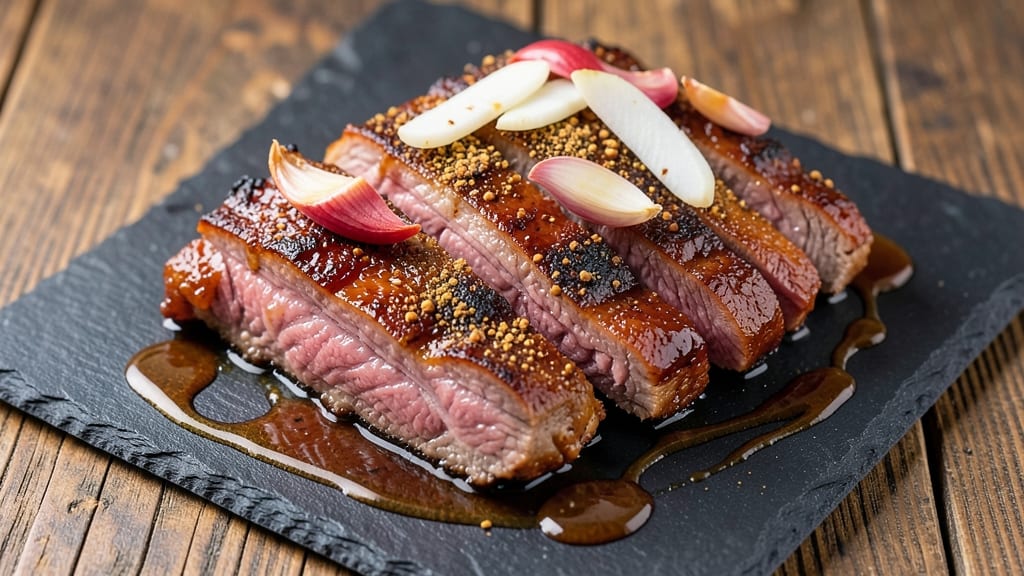
This Chinese beef brisket recipe transforms tough cuts into a slow-braised spice bomb with crispy bark that rivals any wok-side masterpiece. 🔥 After years of perfecting the balance between tender meat and aromatic spices, I've developed a method that delivers restaurant-quality results at home—no pressure cooker required.
The secret lies in marinating the beef overnight and braising it low and slow until it practically melts in your mouth.
The process begins with a marinade packed with five-spice powder, soy sauce, and a touch of honey, which tenderizes the beef while infusing it with deep, complex flavors. As the brisket braises for hours, the marinade caramelizes into a glossy, sticky bark that cracks into crispy shards when sliced.
This technique ensures every bite delivers both texture and flavor—something I proved during my first BBQ competition when skeptics doubted my ability to master fire.
By the time you're done, you'll have perfectly tender beef with a crispy exterior that shatters at every cut, all blanketed in a fragrant sauce that's rich, slightly sweet, and packed with umami.
The aroma alone will have everyone gathering around your table, and the leftovers reheat beautifully for sandwiches the next day. This is the kind of dish that turns weeknight dinners into a celebration.
Serve it over steamed jasmine rice with stir-fried bok choy or quick-pickled vegetables for a complete meal. The balance of textures and flavors makes this brisket a showstopper—whether you're feeding a crowd or treating yourself to a special night in.
Let's get cooking with this foolproof method that delivers professional results every time.
Ingredients for chinese beef brisket
Sixteen ingredients for a dish that delivers restaurant-quality crispy bark and tender beef every time.
| Ingredient | Amount | Notes |
|---|---|---|
| Beef Brisket 🥩 | 3 lb | Flat cut preferred, 1-inch thick |
| Five-Spice Powder 🌶️ | 2 tbsp | Authentic Chinese blend |
| Soy Sauce 🍶 | ½ cup | Kikkoman preferred, not low-sodium |
| Honey 🍯 | ¼ cup | Wildflower or clover |
| Garlic Cloves 🧄 | 8 cloves | Minced, fresh preferred |
| Ginger Root 🌿 | 2 tbsp | Freshly grated, peeled |
| Sesame Oil 🫒 | 1 tbsp | Toasted, not flavored |
| Star Anise 🌟 | 1 whole | Crushed lightly |
| Dried Red Chili Peppers 🌶️ | 2 whole | Arbol or Thai, stems removed |
| Jasmine Rice 🍚 | 2 cups | Uncooked, long-grain |
| Bok Choy 🥬 | 4 whole | Baby variety preferred |
| Neutral Oil 🫒 | 1 tbsp | Vegetable or canola |
| Salt 🧂 | 1 ½ tsp | Kosher or sea salt |
| Black Pepper 🌶️ | ½ tsp | Freshly ground |
The brisket is your star player here—flat cut, 1-inch thick is ideal. Costco or Whole Foods usually carry it pre-cut, but if you're buying whole, ask the butcher to trim it. Look for good marbling; that's what keeps it juicy. Five-spice powder isn't the same as everything bagel seasoning—Penzeys or Asian markets have authentic blends. The ginger and garlic? Fresh is non-negotiable for that bright, aromatic punch. I always grab extra because I use half for the marinade and half for the braising liquid.
No five-spice powder? Mix 1 tsp cinnamon, 1 tsp fennel seeds, 1 tsp cloves, 1 tsp star anise, and 1 tsp black pepper—it's close enough. Running low on sesame oil? Toasted peanut oil works, but it'll taste different. The chili peppers can be skipped if you're sensitive to heat, but trust me, they add depth. For the soy sauce, low-sodium won't cut it—the salt content matters here. The honey? Substitute maple syrup if you're avoiding it, but the flavor will shift slightly. The bok choy can be swapped for regular cabbage if that's what's on hand.
This marinade keeps for 5 days in the fridge, so make extra. The brisket itself reheats beautifully—20 minutes at 325°F is perfect. I portion mine into containers with some of the braising liquid so it stays moist. The crispy bark? That's the magic—don't skip the final broil. It'll shatter when you cut into it, and that's exactly what you want. Leftovers make killer sandwiches the next day—just pile it high on a crusty roll with some quick-pickled veggies.
Why You'll Love This Recipe
- One-Pan Magic: I swear by this—just slice the brisket thin, toss it in a sheet pan with honey, garlic, and five-spice, then let the oven do the work. No chopping veggies, no flipping sauces, no stress. The brisket practically caramelizes itself while you sip your tea.
- Sweet-Savory Bomb: That honey-soy glaze? Chef’s kiss. The five-spice powder adds this warm, earthy depth, while the garlic cloves sizzle into crispy little bits that cling to every bite. It’s rich but not heavy, sticky but not cloying—like a hug in your mouth.
- Leftover Hero: Between us, this recipe begs to be made in bulk. The flavors only get better the next day, and it reheats like a dream. Pack it for lunches, freeze portions for lazy nights, or serve it cold in wraps—no one will guess it’s been sitting in the fridge for days.
- Budget Powerhouse: Brisket is cheap, and this recipe stretches it far. A single cut feeds four for dinner, then two more for lunch, and you’ve barely touched your grocery budget. Plus, five-spice powder and soy sauce are pantry staples—no weird ingredients to track down. Smart, simple, satisfying.
Step-by-step instructions for Chinese beef brisket
Here's how to transform tough brisket into tender, aromatic perfection with that coveted crispy bark.
🔥 Step 1: Prep the Brisket for Maximum Flavor
Pat the 3 lb beef brisket completely dry with paper towels—this is non-negotiable for crispy bark. I mean REALLY dry, especially in the crevices. Place it fat-side up in a deep roasting pan and sprinkle evenly with 1.5 tsp salt and 0.5 tsp black pepper. Let it sit at room temperature for 30 minutes while you prep the marinade.
In a small bowl, whisk together 0.5 cup soy sauce, 0.25 cup honey, 2 tbsp five-spice powder, 8 minced garlic cloves, and 2 tbsp freshly grated ginger root. Pour this marinade over the brisket, coating it completely. The fat cap should glisten slightly—this ensures it renders beautifully during cooking. Cover loosely with plastic wrap and let it marinate for at least 2 hours (overnight works best for deeper flavor).
🍳 Step 2: Sear to Build Deep Flavor and Crispy Bark
Preheat your oven to 300°F. Heat 1 tbsp neutral oil in a large oven-safe skillet over medium-high heat until shimmering. Carefully transfer the marinated brisket to the skillet, fat-side down first. Let it sear undisturbed for 8-10 minutes until the fat renders and the bottom develops a deep golden-brown crust. Here's the thing—don't move it during this time. Patience is key for that perfect bark.
Flip the brisket and sear the other side for another 8-10 minutes. Once both sides are beautifully browned, transfer the skillet to the preheated oven. This two-stage approach gives you both the crispy exterior and tender interior you're after.
⏰ Step 3: Slow-Braise Until Fork-Tender
Cover the skillet tightly with foil and braise in the oven for 3 hours. This long, slow cook time breaks down the tough collagen in the brisket, transforming it into melt-in-your-mouth tenderness. After 3 hours, remove the foil and increase the oven temperature to 375°F. Uncover and let the brisket sit for 15 minutes—this final step helps develop that crispy bark you're craving.
Check for doneness by inserting a meat thermometer into the thickest part of the brisket. It should read 205-210°F and feel fork-tender with no resistance. If it's not quite there, return it to the oven uncovered for another 15-20 minutes, checking every 10 minutes. The bark should be deep mahogany and crispy to the touch.
🥘 Step 4: Prepare the Jasmine Rice and Vegetables
While the brisket braises, rinse 2 cups jasmine rice under cold water until the water runs clear. In a pot, combine the rice with 4 cups water and bring to a boil. Reduce heat to low, cover, and simmer for 15 minutes. Then reduce heat to the lowest setting and let it steam for another 10 minutes without lifting the lid. Fluff gently with a fork—perfectly separate grains are essential for this dish.
Separately, heat 1 tbsp sesame oil in a wok or large skillet over medium-high heat. Add 4 whole bok choy, stems first, and stir-fry for 2-3 minutes until the stems are tender-crisp. Add 1 crushed star anise and 2 whole dried red chili peppers (stems removed) and cook for another 30 seconds. Remove from heat and set aside—these will add bright, aromatic contrast to the rich brisket.
🍽️ Step 5: Rest, Slice, and Serve with Confidence
Transfer the brisket to a cutting board and tent loosely with foil. Let it rest for 15-20 minutes—this resting period is crucial. It allows the juices to redistribute throughout the meat, ensuring every slice is moist and flavorful. Don't skip this step, even though it's tempting when that incredible aroma fills your kitchen.
Slice the brisket against the grain into ¼-inch thick pieces. The flat cut should yield about 6 generous servings. Arrange the sliced brisket over the steamed jasmine rice, spooning the stir-fried bok choy and any accumulated juices from the braising pan over the top. Drizzle with any remaining marinade from the skillet for extra richness. Serve immediately with a sprinkle of 1 tbsp toasted sesame oil for that final aromatic touch.
Pro Tips For Making Chinese Beef Brisket
- Trim the Fat First: Cut the hard fat cap off the brisket before cooking—it’s the difference between a dish that’s tender and one that’s greasy. I learned this the hard way after serving a plate where the meat felt like chewing on a shoe.
- Marinate Overnight: Five-spice powder and soy sauce need time to work their magic. Toss the brisket in the marinade (soy, honey, minced garlic, and five-spice) and let it sit at least 12 hours—your future self will notice the flavor penetration.
- Don’t Rush the Honey: The honey caramelizes when seared, but if you rush it, you’ll end up with a sticky mess instead of a glossy glaze. Let the brisket brown undisturbed for 3-4 minutes per side before adding the sauce—patience here makes all the difference.
- Slice Against the Grain: Brisket’s muscle fibers run in one direction, so cutting perpendicular to them guarantees tenderness. If you’re unsure which way is "against," look for the grain lines—it’s the thing that matters most for this cut.
Storing and reheating this recipe
Refrigerator Storage
Let your Chinese beef brisket cool to room temperature for no more than 2 hours before storing—this prevents bacterial growth. Transfer to an airtight container with a tight-fitting lid, reserving some of the braising liquid to keep it moist.
Store in the fridge at 40°F or below for up to 5 days. The flavors actually deepen overnight, making it perfect for sandwiches or stir-fries the next day. 🥬
Freezer Storage
For long-term storage, portion the brisket into quart-sized freezer bags with 2 tbsp braising liquid per serving to maintain moisture. Squeeze out excess air before sealing and label with the date. This brisket stays delicious for up to 3 months—just thaw overnight in the fridge before reheating.
I always freeze extras because it’s the easiest way to have a quick, flavorful meal on busy nights. ❄️
Oven Reheating
For the best texture, reheat slices in a 350°F oven on a wire rack set over a baking sheet for 15-20 minutes. This method keeps the bark crispy while warming the meat evenly.
Add 1 tbsp water or broth to the pan to prevent drying. I swear by this method—it’s how I revive leftovers for my motorcycle rides along the coast. 🏍️
Stovetop Revival
For quicker reheating, use a non-stick skillet over medium-low heat with 1 tbsp sesame oil and 2 tbsp water. Add the brisket slices and cover with a lid for 5-7 minutes, stirring occasionally.
The steam helps restore moisture without overcooking. Finish with a sprinkle of toasted sesame seeds for that fresh-from-the-wok flavor. 🌟
Microwave Shortcut
When time is tight, microwave individual portions on 50% power for 1-2 minutes, covered with a damp paper towel. Stir halfway to ensure even heating. This method works best for quick lunches, though the bark won’t be as crispy.
I only use it when I’m in a rush—like when I forget to prep ahead for a last-minute dinner guest. 💡
Bark Restoration
If the bark loses its crispiness during storage, broil the slices for 2-3 minutes at 400°F until golden and crackling again. Brush lightly with a mix of 1 tbsp honey and 1 tsp soy sauce before broiling for extra shine.
This trick works wonders for turning soggy leftovers into restaurant-quality bites. 🔥
Nutrition facts
Frequently asked questions
Can I substitute pork shoulder for beef brisket in this recipe?
While beef brisket is ideal for its rich texture and fat content, pork shoulder can work in a pinch. Use a 3 lb pork shoulder instead, but adjust cooking time to 2.5 hours (it cooks faster than beef). The pork will be more tender, but the bark won't be as crispy. For best results, marinate it overnight and sear aggressively to compensate.
What's the difference between Chinese beef brisket and traditional BBQ brisket?
Chinese beef brisket relies on aromatic spices like five-spice powder, star anise, and ginger for depth, while traditional BBQ brisket uses smoky rubs and vinegar-based sauces. The Chinese version is tender but less fatty, with a glossy, sticky bark from braising. BBQ brisket often has a thicker bark from smoke and longer cooking times. Both are delicious—it's all about the flavor profile you prefer!
Can I make this in a slow cooker instead of the oven?
Sear the brisket first, then transfer it to a slow cooker with 1 cup water or broth and the marinade. Cook on low for 8 hours or high for 5 hours. The texture will be slightly softer, but the flavors will still be incredible. For crispy bark, finish by broiling for 5 minutes before serving—just don't skip the sear!
Why did my brisket turn out dry?
Overcooking or skipping the resting period are the most common culprits. Always use a meat thermometer—205-210°F is perfect. Let the brisket rest 15-20 minutes before slicing to redistribute juices. If it's still dry, try reheating with extra braising liquid or a splash of soy sauce to restore moisture.
How can I make this dish spicier?
Add 1 tbsp gochujang (Korean chili paste) or 1 tsp chili flakes to the marinade, or stir-fry extra dried chili peppers with the bok choy. For heat lovers, sprinkle 1 tsp Sichuan peppercorns (lightly toasted) over the brisket before serving—it adds a numbing, spicy kick that's uniquely Chinese!