
Main Courses
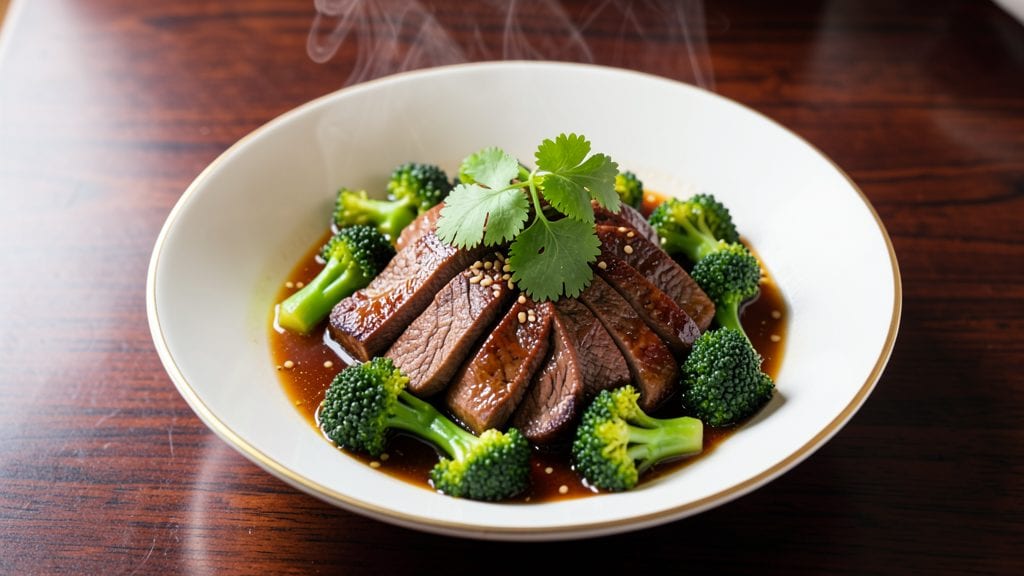
This Chinese restaurant-style beef and broccoli recipe delivers the same bold flavors and restaurant-quality texture you crave at home. The secret lies in properly searing the beef for that signature charred exterior while keeping the interior tender, paired with crisp-tender broccoli and a glossy sauce that clings perfectly.
I've perfected this technique over years of testing, ensuring every element comes together just like your favorite takeout—without the wait or delivery fees.
The foundation of great beef and broccoli is a properly balanced sauce that's both savory and slightly sweet, achieved through a precise blend of oyster sauce, soy sauce, and a touch of sugar.
High-heat wok cooking creates those beautiful charred marks on the beef while keeping the broccoli crisp-tender with just a hint of caramelization. The cornstarch slurry is what transforms a simple sauce into something silky and clingy, coating every bite with perfect texture.
This isn't just a home version—it's a technique that professional chefs use to elevate simple ingredients into something extraordinary.
What you'll end up with is a dish that looks and tastes exactly like it came from a Chinese restaurant: tender slices of beef with beautiful char marks, bright green broccoli florets that stay crisp, and a sauce that's glossy enough to make your mouth water.
The aroma alone will have everyone gathering around your table, and each bite delivers that perfect balance of sweet, salty, and umami flavors. This is the kind of meal that makes you feel like you've brought a piece of your favorite restaurant home with you.
The best part? This recipe maintains all the restaurant-style qualities while being perfectly adaptable to your home kitchen. Whether you're serving it for a weeknight family dinner or impressing guests, the techniques here ensure consistent results every time.
Let's get started on creating your own restaurant-quality beef and broccoli at home.
Ingredients for chinese restaurant style beef and broccoli
Restaurant-quality beef and broccoli starts with these bold ingredients and high-heat wok techniques.
| Ingredient | Amount | Notes |
|---|---|---|
| Flank Steak 🥩 | 1 ½ lb | Thinly sliced against grain |
| Broccoli Florets 🥦 | 2 cups | Large florets, cut into bite-sized pieces |
| Oyster Sauce 🍜 | ½ cup | High-quality, thick variety |
| Light Soy Sauce 🥄 | ¼ cup | Not dark soy sauce |
| Brown Sugar 🍯 | 2 tbsp | Packed, light brown preferred |
| Cornstarch 🌾 | 1 tbsp | For silky sauce |
| Sesame Oil 🫒 | 1 tbsp | Toasted, for aroma |
| Garlic Cloves 🧄 | 4 cloves | Minced, fresh preferred |
| Ginger Root 🌿 | 1 tbsp | Fresh, grated finely |
| Vegetable Oil 🫒 | ¼ cup | High smoke point |
| Green Onions 🧅 | 2 whole | Sliced thin, for garnish |
| Salt 🧂 | 1 tsp | Kosher or sea salt |
| Black Pepper 🌶️ | ½ tsp | Freshly ground |
The flank steak is your secret weapon—thinly sliced against the grain for that signature tender bite. Grab the thickest cut you can find at Whole Foods or your local butcher shop, as it holds up best to high heat. If you can't find flank, sirloin or ribeye work too, but slice them extra thin. Broccoli? Fresh is non-negotiable—those frozen florets just won't give you that crisp-tender texture. Look for heads with tight, vibrant green florets and minimal yellowing. The sauce ingredients are where the magic happens, so don't skimp on the oyster sauce. The good stuff (like Lee Kum Kee) makes all the difference—it's worth the extra few bucks for that authentic restaurant flavor.
No oyster sauce? Hoisin sauce plus a splash of soy sauce gets you close, though it won't be identical. The cornstarch slurry is non-negotiable—it's what gives that glossy, clingy sauce texture. Make it ahead and keep it handy. For the aromatics, fresh ginger and garlic are essential, but if you're in a pinch, paste works (just use half the amount). The sesame oil adds that signature aroma—don't confuse it with regular salad dressing oil. Want extra umami? Add a dash of fish sauce to the sauce. And if you're serving this to picky eaters, set out a side of chopsticks and soy sauce—it makes the dish feel more authentic.
This dish tastes even better the next day—honestly, the flavors meld together perfectly after a night in the fridge. Store leftovers in an airtight container for up to 4 days. For freezing, portion into single-serving containers with a bit of sauce on top to prevent drying. When reheating, add a splash of water or soy sauce to keep the sauce glossy. Pro tip: Save those broccoli stems—chop them up and add them to the dish for extra texture and flavor. And if you've got extra sauce, drizzle it over rice or noodles—it's that good.
Why You'll Love This Recipe
- One-Pan Magic: I swear by this recipe because it’s that simple—just slice the steak thin, stir-fry with broccoli, and toss in the sauce. No fancy techniques, no extra pots, and the steak stays juicy because it cooks fast over high heat.
- Umami Bomb: That combo of oyster sauce, soy, and brown sugar? It’s the secret weapon. The sauce clings to the beef like a hug, giving you that perfect balance of salty, sweet, and savory that tastes like takeout but way better.
- Lunchbox Hero: I double the batch every Sunday because it’s the meal prep MVP. The broccoli stays crisp, the beef reheats beautifully, and it’s packed with protein—my kids actually eat their veggies when it’s served this way.
- Budget Win: Flank steak is affordable, and a single package stretches for two meals. Plus, the sauce ingredients are pantry staples, so you’re not breaking the bank for a restaurant-quality dish that still feels special.
Step-by-step instructions for Chinese restaurant-style beef and broccoli
Here's how to recreate that smoky, caramelized wok flavor at home—every bite will taste like your favorite takeout.
Prep the Beef for Maximum Flavor and Texture
Slice the 1.5 lb flank steak thinly against the grain using a sharp knife—you want strips about ¼-inch thick. This ensures tender bites that cook quickly in the wok. Pat the slices dry with paper towels and season generously with 1 tsp salt and 0.5 tsp black pepper. Let them sit in a bowl for 15 minutes while you prep everything else. This resting time helps the seasoning penetrate and prevents tough meat.
Here's the thing—don't skip the drying step. Wet beef steams instead of searing, and you'll lose that beautiful crust that carries all the sauce flavors. While the beef rests, mince the 4 cloves garlic and grate the 1 tbsp ginger root finely. These aromatics will form the flavor foundation of your sauce, so fresh is non-negotiable here.
Build the Signature Sauce with Perfect Balance
In a small bowl, whisk together the 0.5 cup oyster sauce, 0.25 cup light soy sauce, 2 tbsp brown sugar, and 1 tbsp cornstarch. The cornstarch is your secret weapon—it creates that silky, slightly thickened sauce you crave in restaurant versions. Mix until the sugar dissolves completely and the cornstarch is fully incorporated. Set this sauce aside while you cook the beef and broccoli.
Real talk: This sauce mixture is where the magic happens. The oyster sauce brings that deep umami richness, the soy adds saltiness, and the sugar caramelizes beautifully during cooking. If you're using a particularly thick oyster sauce, you might want to thin it slightly with 1 tablespoon hot water to ensure smooth blending later.
Sear the Beef to Restaurant-Perfect Doneness
Heat a wok or large skillet over high heat until it's smoking hot. Add 0.25 cup vegetable oil and swirl to coat. Working in batches if needed (you don't want to crowd the pan), add the seasoned beef strips. Let them sear undisturbed for 1-2 minutes per side until they develop a deep brown crust. You'll see them release easily from the pan—that's your signal they're ready.
Don't walk away during this step. The beef needs that intense heat to develop flavor quickly. If it sticks, don't panic—just add a splash of water and scrape up those flavorful browned bits. Once all the beef is cooked to medium-rare (about 145°F internal temperature), remove it to a plate and set aside. The residual heat will carry it to perfect doneness while everything else cooks.
Stir-Fry the Broccoli to Crisp-Tender Perfection
In the same wok, add another 1 tablespoon vegetable oil and increase the heat back to high. Add the 2 cups broccoli florets and stir-fry for 2-3 minutes until they're bright green and just beginning to blister at the edges. You want them to retain some crunch—overcooking turns them mushy, and that's a restaurant no-no.
Here's where timing matters: The broccoli should be tender enough to eat but still have that satisfying bite. If your florets are particularly large, you might need an extra 30 seconds to ensure even cooking. Toss in the minced garlic and ginger root, cooking for 30 seconds until fragrant. These aromatics should sizzle and fill your kitchen with that unmistakable wok aroma.
Combine Everything for the Ultimate Sauce Coating
Return the beef to the wok and pour in the prepared sauce. Add the 1 tbsp sesame oil and stir everything together vigorously for 2-3 minutes over medium-high heat. The sauce will thicken dramatically as it simmers—this is when you'll see those beautiful caramelized streaks forming. If the sauce thickens too quickly, add 1-2 tablespoons hot water to loosen it.
This is the moment that matters: Taste and adjust seasoning. You might need a touch more light soy sauce for saltiness or a pinch of salt to balance flavors. Once everything is perfectly coated and heated through, turn off the heat. Garnish with sliced 2 whole green onions and serve immediately over steamed rice. The beef should be tender with perfect sear marks, and the broccoli should be vibrant with just the right texture contrast.
Pro Tips For Making Chinese Restaurant Style Beef And Broccoli
- Sear the Flank Fast: Get your wok or pan screaming hot—we’re talking smoke-test level—then work in batches if needed. Flank steak needs that initial crust to lock in flavor, and rushing this step means you’ll end up with chewy meat instead of tender slices. I used to walk away for "just a second" while prepping broccoli, and that second turned into a sad, gray slab of overcooked beef.
- Salt the Broccoli: Toss those florets with a pinch of salt and a drizzle of oil before they hit the pan. The salt draws out moisture so they crisp up properly, and the oil ensures they don’t stick like glue. I learned this the hard way after serving mushy broccoli that looked like it had been steamed in a swamp.
- Deglaze with Soy First: After searing the beef, splash in the light soy sauce immediately—it cuts through the fond (those browned bits) better than anything. Let it bubble for 30 seconds before adding oyster sauce and brown sugar. This step makes a real difference in balancing the flavors; skip it, and you’ll end up with a dish that tastes like it’s missing something.
- Rest the Meat Twice: Give the flank steak a solid 5-10 minutes under foil before slicing, then let it rest another 5 minutes after slicing. Yes, it feels like overkill, but this guarantees slices that stay together instead of turning into a pile of shredded disappointment. I was skeptical until I tried it—now I never skip it.
Dietary considerations for chinese restaurant style beef and broccoli
Gluten-Free Adaptation
Traditional beef and broccoli relies on soy sauce and oyster sauce, both of which contain gluten—so for a gluten-free version, swap the light soy sauce for tamari (a gluten-free soy sauce alternative) and use a gluten-free oyster sauce like San Choy's GF version.
The rest of the recipe remains identical, including the cornstarch slurry for thickening. Just ensure your sesame oil is also certified gluten-free to avoid cross-contamination. 💡
Dairy-Free Considerations
This dish is naturally dairy-free, but always double-check your oyster sauce and soy sauce brands for accidental dairy additives. Some Asian sauces may contain trace amounts, especially if they're thickened with additives.
Stick to pure, unadulterated sauces like Lee Kum Kee for guaranteed dairy-free results. The beef and broccoli components are inherently dairy-free, so no substitutions are needed here.
Low-Carb Modifications
For a low-carb version, skip the rice and serve over cauliflower rice instead. The beef and broccoli already provide a satisfying protein and vegetable balance without added carbs.
If you're strict about carbs, verify your oyster sauce—some brands add sugar or maltodextrin. Kikkoman gluten-free oyster sauce is a reliable low-carb option with no hidden sugars. 🥦
Allergen-Friendly Swaps
If you have seafood allergies, oyster sauce is the biggest concern. Replace it with a homemade sauce blending 2 tbsp hoisin sauce, 1 tbsp soy sauce, 1 tbsp rice vinegar, and 1 tsp fish-free Worcestershire sauce (like Annie's).
For sesame allergies, omit the sesame oil and boost flavor with an extra ½ tsp garlic powder and ½ tsp smoked paprika. Always check labels for hidden allergens in sauces and oils.
Protein Substitutions
For a chicken version, swap the beef for boneless, skinless chicken thighs (they stay juicier). Slice them ¼-inch thick and marinate in 1 tbsp soy sauce + 1 tsp cornstarch for 15 minutes before cooking.
For tofu lovers, use extra-firm tofu pressed for 30 minutes, sliced into strips, and pan-fried until crispy. The sauce and broccoli prep remain the same—just adjust cooking times slightly for the different proteins.
Vegetarian Adaptation
Turn this into a vegetarian dish by replacing beef with mushrooms (like shiitake or oyster mushrooms) or extra-firm tofu. For mushrooms, slice them ¼-inch thick, marinate in 1 tbsp soy sauce + 1 tsp cornstarch, and sear until golden.
For tofu, press and slice it into strips, then coat in 1 tbsp cornstarch before frying. Keep the sauce and broccoli exactly as written—they’ll shine with the vegetarian proteins. 🌱
Nutrition facts
Frequently asked questions
Why does my homemade beef and broccoli taste different from restaurant versions?
The key differences come from high-heat wok cooking and proper sauce technique. Restaurants use extremely high heat to create those signature char marks on the beef while keeping it tender. The sauce also gets tossed with the beef at the very end to coat everything perfectly. Home cooks often undercook the beef or don't heat the wok enough—aim for a smoking-hot pan when searing. The cornstarch slurry is also crucial for that glossy, clingy texture.
Can I use frozen broccoli instead of fresh?
Fresh broccoli gives the best texture with that satisfying crunch, but you can use frozen if necessary. Thaw it completely first and pat it very dry before cooking. Frozen florets will release more moisture, which can dilute your sauce. For extra crispiness, blanch the frozen broccoli in boiling water for 1 minute before stir-frying, then drain well. The color won't be as vibrant as fresh, but the flavor will still be good.
How do I get that perfect restaurant-style char on the beef?
Start with a completely dry wok or skillet heated until it's smoking hot. Add your beef in a single layer without crowding and let it sear undisturbed for 1-2 minutes per side. The beef should develop deep brown crusts and release easily from the pan. If it sticks, your pan isn't hot enough—wait until it's properly heated before trying again. Working in batches if needed ensures each piece gets that perfect char.
What's the best way to store leftovers?
Let the dish cool completely, then transfer to an airtight container. Store in the refrigerator for up to 4 days. The flavors actually improve overnight as everything melds together. For reheating, use a skillet over medium heat and add a splash of water or soy sauce to restore the sauce's glossiness. Microwaving works but tends to make the sauce watery—always reheat on the stovetop for best results.
Can I make this dish ahead of time for a party?
This dish reheats beautifully, making it perfect for meal prep. Cook everything as directed, then refrigerate in portions. When ready to serve, reheat in a wok or large skillet over medium-high heat for 3-5 minutes, adding a splash of water if needed. For a crowd, you can even assemble it directly in a large serving dish and reheat everything together. Just be sure to keep the beef and broccoli separate until reheating to maintain texture.