
Main Courses
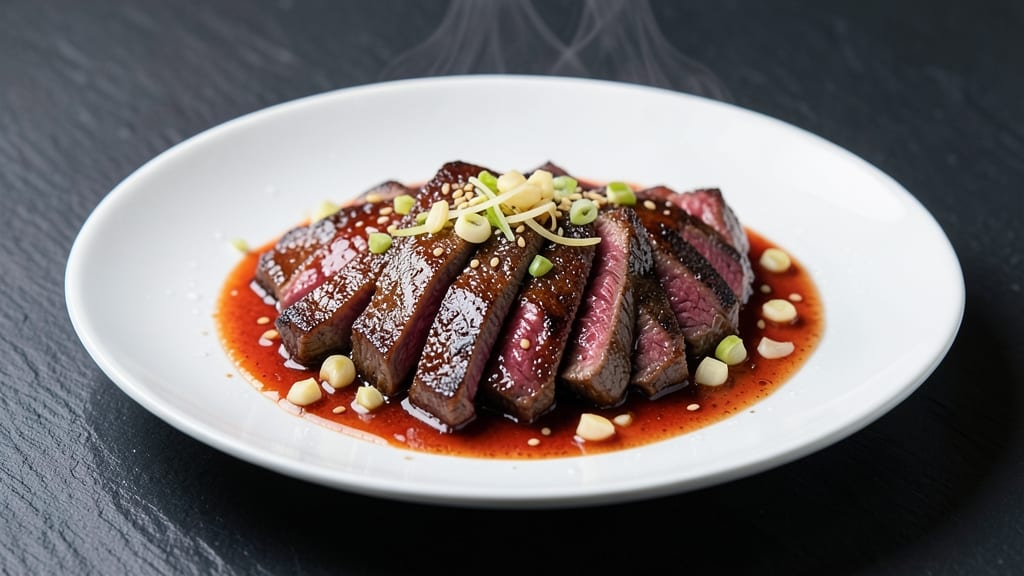
This chopped beef recipe delivers the smoky, caramelized essence of wok-hei in every bite—just like the legendary stir-fries from Hong Kong street kitchens. The secret lies in proper slicing techniques and high-heat stir-frying that transforms tough beef into tender, flavorful strips with a crisp edge.
I perfected this method after years of experimenting with regional variations, from Cantonese-style quick-cooking to Sichuan peppercorn heat.
The process begins with marinating thinly sliced beef in a blend of soy sauce, Shaoxing wine, and cornstarch—a combination that tenderizes while building that signature wok-hei flavor.
Stir-frying at maximum heat in a well-hot wok creates the signature "breath of the wok" aroma, where the beef develops a crispy crust while staying juicy inside. This isn't just a recipe; it's a technique that transforms ordinary beef into restaurant-quality stir-fry.
What you'll achieve is a dish that's bold in flavor, crisp in texture, and quick to prepare—ready in just 15 minutes of active cooking. The beef emerges with deep caramelized edges and a tender interior, coated in a glossy sauce that balances sweet, salty, and umami notes.
Serve it over steamed jasmine rice with quick-pickled vegetables for the full experience, or enjoy it as a standalone protein powerhouse.
This recipe bridges tradition and modern convenience, using accessible ingredients without sacrificing authenticity. Whether you're recreating a Hong Kong street food classic or adapting it for home cooking, the key is in the technique—high heat, quick cooking, and that unmistakable wok-hei aroma.
Let's get started on creating your own version of this timeless dish.
Ingredients for chop beef
Thinly sliced beef meets aromatic marinade for restaurant-quality stir-fry in 15 minutes.
| Ingredient | Amount | Notes |
|---|---|---|
| Flank Steak 🥩 | 1 ½ lb | Thinly sliced against grain |
| Soy Sauce 🍶 | ½ cup | High-quality, dark variety |
| Shaoxing Wine 🍷 | ¼ cup | Dry, aromatic Chinese wine |
| Cornstarch 🌾 | 2 tbsp | For crisp-tender texture |
| Garlic Cloves 🧄 | 6 cloves | Minced, aromatic intensity |
| Ginger Root 🌿 | 1 tbsp | Freshly grated, zesty |
| Sugar 🍚 | 1 tbsp | White granulated |
| Sesame Oil 🫒 | 1 tbsp | Toasted, aromatic |
| Neutral Oil 🫒 | 2 tbsp | High smoke point (avocado) |
| Green Onions 🧅 | 4 whole | Thinly sliced, white/green |
| White Pepper 🌶️ | ½ tsp | Freshly ground, subtle heat |
| Diamond Crystal Kosher Salt 🧂 | ½ tsp | For seasoning balance |
| Jasmine Rice 🍚 | 1 cup | Uncooked, long grain |
The flank steak is non-negotiable here—its lean yet tender fibers transform into crisp-edged strips when sliced against the grain. Most butchers will slice it thinly for you (ask for 'chopped beef' cuts), or invest in a sharp meat slicer for precision. Costco and Whole Foods carry premium cuts ideal for stir-fry. If using frozen beef, thaw completely in the fridge overnight—never under running water, as it promotes uneven cooking. For extra authenticity, source grass-fed beef from specialty markets like D'Artagnan or Talbot's—the marbling enhances flavor development during the high-heat sear.
No Shaoxing wine? Dry sherry or mirin work in a pinch, though the umami depth differs slightly. The cornstarch is critical—it creates that signature wok-hei crust, so don't substitute with flour. For the garlic and ginger, freshly grated or minced delivers maximum aromatic punch; pre-minced jarred versions lack potency. The sesame oil should be toasted (not the cheap, flavorless variety)—La Choy or Kadoya brands excel. Need to skip the jasmine rice? Basmati rice or cauliflower rice are suitable alternatives, though texture will vary. For a quicker prep, marinate the beef for at least 30 minutes (up to 4 hours for deeper flavor), but never exceed this timeframe to prevent over-tenderizing.
This stir-fry reheats beautifully—microwave with a splash of water to retain moisture, or crisp again in a hot wok with a drizzle of oil. Store cooked portions in an airtight container for up to 3 days, though flavor peaks within the first 24 hours. The marinade can be prepped a day ahead and refrigerated, saving active cooking time. For meal prep, portion the beef into single-serving containers with a side of rice—reheat just the beef portion to maintain crispness. Freeze uncooked marinated beef for up to 3 months (thaw overnight before cooking). The high-heat technique means leftovers won't achieve the same wok-hei aroma, so prioritize fresh cooking for optimal results.
Why You'll Love This Recipe
- I swear by this trick: toss the flank steak with soy sauce and Shaoxing wine for just 15 minutes. The meat practically seasons itself while I chop veggies or toss a salad—no overnight soaking, no stress.
- 20-Minute Marinate: I swear by this trick: toss the flank steak with soy sauce and Shaoxing wine for just 15 minutes. The meat practically seasons itself while I chop veggies or toss a salad—no overnight soaking, no stress.
- Umami Bomb: That crispy cornstarch crust? It’s the real MVP. The garlic cloves sizzling in the hot pan release this nutty, aromatic punch that cuts through the richness—like a little flavor explosion with every bite.
- Leftover Hero: Between us, this dish begs for seconds. It reheats beautifully (stir-fry method, no microwave sadness) and keeps for days. I’ve fed my book club, my in-laws, and my hungover self—all with the same pan of beef.
Step-by-step instructions for stir-fried flank steak
Mastering wok-hei technique transforms simple flank steak into restaurant-quality stir-fry.
Prepare the Flank Steak for Maximum Tenderness
Slice the 1.5 lb flank steak thinly against the grain into ¼-inch strips. This is critical—thin slices ensure quick cooking without toughness. Arrange the strips on a plate and toss with the 2 tbsp cornstarch until evenly coated. The cornstarch creates a crisp-tender texture while preventing the meat from sticking during stir-frying.
Season immediately with 0.5 tsp diamond crystal kosher salt and 0.5 tsp white pepper, massaging the mixture into the meat. Let it rest for 15 minutes at room temperature. This resting period allows the cornstarch to adhere fully and the meat to cook more evenly in the hot wok.
Build the Aromatic Base and Marinate the Steak
In a large bowl, combine the 0.5 cup soy sauce, 0.25 cup shaoxing wine, 1 tbsp sugar, 6 minced garlic cloves, and 1 tbsp freshly grated ginger root. Stir well to dissolve the sugar completely. This marinade balances umami, acidity, and sweetness while tenderizing the meat.
Add the cornstarch-coated steak strips to the marinade and toss gently to coat evenly. Let it marinate for 20-30 minutes at room temperature. The longer it marinates, the deeper the flavor penetration, but even 15 minutes will yield excellent results. Avoid over-marinating, which can make the meat mushy.
Cook the Jasmine Rice to Perfection
Rinse the 1 cup jasmine rice under cold water until the water runs clear. This removes excess starch that would make the rice gummy. Combine the rice with 1.5 cups water in a pot and bring to a boil over high heat. Once boiling, reduce heat to low, cover tightly, and simmer for 15 minutes without lifting the lid.
After 15 minutes, turn off the heat and let the rice steam undisturbed for another 10 minutes. Fluff gently with a fork before serving. The rice should be tender with a slight bite—this is the ideal texture for pairing with the stir-fry. If it's not done, return it to low heat for 2-3 minutes more.
Stir-Fry with Wok-Hei Technique
Heat a 14-inch wok or skillet over high heat until smoking, then add the 2 tbsp neutral oil. Swirl to coat the surface evenly. Add the marinated steak in a single layer, stirring constantly for 1-2 minutes until the edges turn light golden brown. The high heat is essential—it creates the signature wok-hei crispness.
Add the 4 whole green onions, sliced thinly, and toss for another 30 seconds until the onions soften slightly. The steak should be 80% cooked at this point—it will finish cooking from residual heat. Remove from heat and drizzle with 1 tbsp toasted sesame oil just before serving. The sesame oil adds a nutty aroma that complements the savory-sweet marinade.
Plate and Serve Immediately
Divide the jasmine rice evenly among plates, creating a base for the stir-fry. Spoon the steak and green onions over the rice, ensuring each serving has a generous portion. Garnish with additional green onion slices if desired. Serve immediately while the steak retains its crisp-tender texture and wok-hei aroma.
This dish is best enjoyed fresh—waiting even 5 minutes allows the steak to lose its signature crispness. Pair with a light cucumber salad or steamed bok choy to balance the richness. The combination of tender, crispy beef, aromatic rice, and bright green onions creates a harmonious stir-fry experience.
Pro Tips For Making Chop Beef
- Slice Against the Grain: Flank steak’s tough fibers run diagonally—cutting across them (45-degree angle) makes each bite tender. I used to ignore this and wondered why my beef always felt chewy. Trust me, the knife work matters more than you’d think.
- Marinate for 45 Minutes: Don’t skip this, even if you’re in a hurry. Flank steak needs time to soften, and the Shaoxing wine’s acidity works best with a head start. I learned this the hard way—rushed marinades turn out tough. (Yes, even if you’re impatient like me.)
- Toss Cornstarch in Oil: Mix the cornstarch with cold oil first—this prevents clumping and gives you a smoother, glossier sauce. I used to add it dry, and the sauce always looked grainy. This tiny step makes a real difference in texture.
- Sear in Two Batches: Overcrowding the pan steams the meat instead of searing it. Cook half first, then set aside—this keeps the temperature high and gives you that perfect crust. I skipped this once and ended up with sad, gray beef. Don’t repeat my mistake.
Creative variations of this chop beef
Cantonese Quick-Cook
For a lighter, faster version, reduce the marinating time to just 10 minutes and use 1 tbsp oyster sauce instead of Shaoxing wine. The Cantonese style emphasizes speed and brightness—stir-fry the beef in 30 seconds per batch to maintain crispness.
I add 1 tsp sesame seeds at the end for texture, and serve with steamed bok choy to balance the richness. This version is perfect for weeknight dinners when you need flavor without fuss. 🌟
Sichuan Peppercorn Heat
Transform this into a fiery Sichuan stir-fry by adding 1 tsp Sichuan peppercorns (toasted and crushed) to the marinade. After stir-frying, toss in 1 tbsp chili bean paste and 1 tsp doubanjiang for that signature numbing-spicy kick.
Use avocado oil for high heat tolerance, and finish with thinly sliced scallions. Serve with steamed jasmine rice and a side of pickled mustard greens to cut through the heat. 🌶️
Low-Carb Adaptation
Swap the jasmine rice for cauliflower rice (fresh or frozen) and reduce the soy sauce to 0.3 cup to cut carbs. Boost umami with 1 tbsp fish sauce in the marinade, and stir-fry with 1 tbsp coconut aminos for a gluten-free option.
The beef remains the star—its crisp edges and tender interior shine even without rice. Pair with shredded cabbage or zucchini noodles for a complete low-carb meal. 🥦
Spicy Garlic Version
Infuse the marinade with 3 extra minced garlic cloves and 1 tsp gochujang (Korean chili paste) for a bold, spicy twist. After stir-frying, add 1 tbsp chopped Thai basil and a squeeze of lime juice for brightness.
The garlic deepens the savory notes while the gochujang adds a tangy heat. Serve with kimchi on the side for a Korean-Chinese fusion experience. 🔥
Vegetarian Swap
Replace the beef with extra-firm tofu (pressed and cubed) or mushroom caps (shiitake or oyster). Marinate the tofu in the same sauce but add 1 tbsp cornstarch to the marinade to help it crisp.
Stir-fry in batches over high heat until golden, then finish with sesame oil. The texture mimics beef's crisp edges, and the umami marinade carries the dish. 🌱
Slow-Cooker Adaptation
For a hands-off version, combine all marinade ingredients with the beef in a slow cooker on high for 2 hours. Shred the beef slightly with forks, then transfer to a skillet to crisp in 2 tbsp oil over high heat.
The slow cooker tenderizes the meat while the high-heat sear recreates wok-hei. Serve with steamed rice and a drizzle of chili oil for extra depth. ⏰
Nutrition facts
Frequently asked questions
Can I use any cut of beef for this stir-fry?
Flank steak is ideal because it's lean yet tender when sliced thinly against the grain. You can also use sirloin or ribeye, but avoid fatty cuts like ribeye—too much fat can make the stir-fry greasy. If using frozen beef, thaw it completely in the fridge overnight for even cooking.
How do I achieve that crispy texture without a wok?
A heavy-bottomed skillet or cast-iron pan works perfectly! Heat it until smoking hot, then add the beef in a single layer. Stir constantly for 1-2 minutes until the edges turn golden. The key is high heat—don't crowd the pan, or the beef will steam instead of crisp.
What if I don't have Shaoxing wine?
Dry sherry or mirin are great substitutes—they'll add depth but won't taste identical. For a non-alcoholic option, use an extra 1 tbsp soy sauce plus 1 tsp rice vinegar. The dish will still be flavorful, though the umami complexity will differ slightly.
Can I make this dish ahead of time?
Marinate the beef up to 4 hours ahead for deeper flavor, but cook it fresh for the best texture. The crisp edges lose their snap when reheated, so stir-fry just before serving. If storing leftovers, refrigerate for up to 3 days in an airtight container and reheat gently.
Why does my beef turn tough instead of tender?
Overcooking or thick slices are the usual culprits. Always slice ¼-inch thick against the grain, and cook for only 1-2 minutes over high heat. If the beef seems tough, it likely didn't rest long enough after marinating—let it sit for 15 minutes before cooking.