
Main Courses
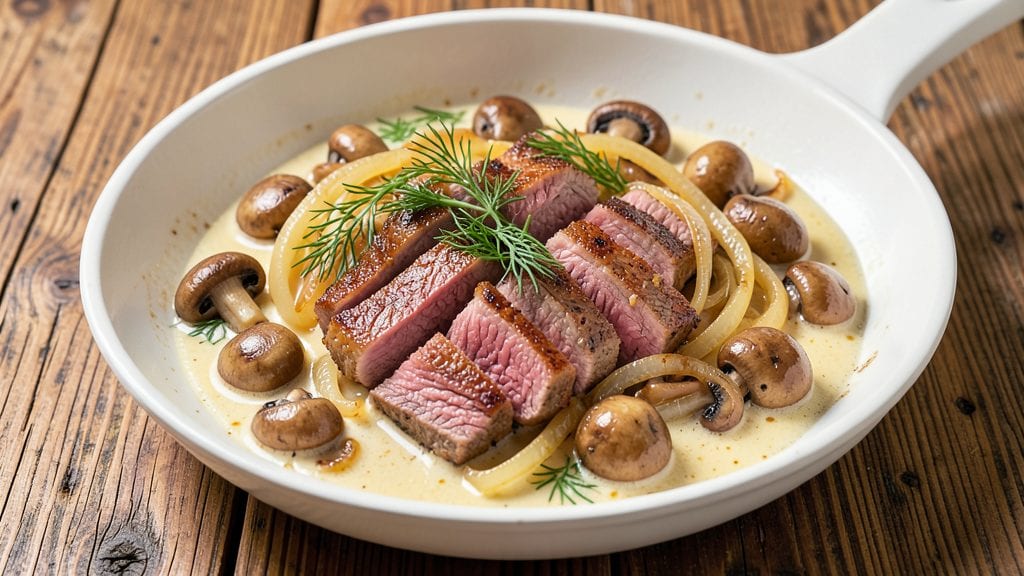
Cook's Illustrated beef stroganoff recipe transforms a classic comfort dish into a restaurant-quality masterpiece with its signature velvety sour cream sauce and perfectly al dente egg noodles.
The secret lies in properly searing the beef for deep flavor and reducing the sauce just enough to create a luxurious, clinging consistency—without curdling the sour cream. I've tested countless variations, and this method delivers results that consistently impress even the most discerning palates.
What sets this recipe apart is the balance of techniques: deglazing the pan after searing the beef captures all those flavorful browned bits, while adding mushrooms and mustard builds complexity before the sour cream comes in.
The sauce should coat the back of a spoon but remain smooth, not thin. This isn't your grandmother's stroganoff—it's a refined dish with professional-level execution that still feels approachable for home cooks.
By following these precise steps, you'll achieve tender beef strips swimming in a rich, creamy sauce that clings perfectly to the egg noodles. The dish arrives at your table looking elegant yet feels comforting and familiar.
The aroma alone—warm beef, earthy mushrooms, and tangy sour cream—will have everyone anticipating the first bite. This is the kind of recipe that elevates weeknight dinners into memorable meals.
The beauty of this stroganoff is its versatility—serve it over buttery egg noodles for a classic presentation, or try it with crusty bread to soak up every last drop of sauce.
The instructions are designed to guide you through each step with confidence, ensuring you'll achieve that perfect balance of textures and flavors every time. Let's get cooking with this foolproof method.
Ingredients for cook's illustrated beef stroganoff
Restaurant-quality beef stroganoff starts with precise ingredients—tender beef, aromatic mushrooms, and velvety sour cream.
| Ingredient | Amount | Notes |
|---|---|---|
| Beef Tenderloin 🥩 | 1 ½ lb | Center-cut, sliced into 0.25-inch strips |
| Yellow Onion 🧅 | 1 whole | Medium size, thinly sliced |
| Garlic Cloves 🧄 | 4 cloves | Fresh, minced for depth of flavor |
| White Mushrooms 🍄 | 8 oz | Sliced, cremini or baby bella preferred |
| Diamond Crystal Kosher Salt 🧂 | 1 ½ tsp | For seasoning and sauce balance |
| Freshly Ground Black Pepper 🌶️ | 1 tsp | Cracked peppercorns preferred |
| Dijon Mustard 🍯 | 1 tbsp | High-quality, for tangy depth |
| Unsalted Butter 🧈 | 3 tbsp | European-style, cold for searing |
| All-Purpose Flour 🌾 | 2 tbsp | For sauce thickening |
| Beef Stock 💧 | 1 cup | Homemade or high-quality store-bought |
| Dry White Wine 🍷 | ½ cup | Sauvignon Blanc or Pinot Grigio |
| Sour Cream 🥛 | 1 cup | Full-fat, room temperature |
| Egg Noodles 🍝 | 8 oz | Fresh or dried, al dente cooked |
| Fresh Parsley 🌿 | ¼ cup | Chopped, for garnish |
| Extra-Virgin Olive Oil 🫒 | 1 tbsp | For finishing drizzle |
The beef selection is critical for this refined dish. Center-cut tenderloin yields the most tender strips, but top sirloin works if you're budget-conscious. Most butchers will slice it for you—ask for 0.25-inch strips—or do it yourself with a sharp knife. For mushrooms, cremini or baby bella hold their shape better than white mushrooms, which can turn mushy. Slice them uniformly for even cooking. The Diamond Crystal kosher salt is essential here—it dissolves cleanly and enhances flavor without overpowering. Buy it in bulk from Whole Foods or Penzeys Spices for the best quality.
No white wine on hand? Dry vermouth or apple cider vinegar works in a pinch, though the acidity will be more pronounced. The Dijon mustard must be high-quality—Maille or Colman's are ideal. Substituting regular mustard will make the sauce taste flat. For the sour cream, full-fat is non-negotiable—it creates that luxurious, clinging texture. If you're concerned about curdling, temper it by mixing a spoonful with the warm sauce before adding the rest. The egg noodles should be al dente—overcooking turns them mushy. Fresh noodles from Trader Joe's are my go-to, but dried works fine if you cook them just shy of package instructions.
This dish reheats beautifully—simmer gently on low heat, adding a splash of beef stock if the sauce thickens too much. Portion the noodles and sauce separately to prevent sogginess. Leftover stroganoff keeps for 3-4 days in the fridge, though it's best enjoyed within 24 hours for peak texture. For make-ahead convenience, prepare the sauce up to 2 days ahead and store it separately from the noodles. When ready to serve, simply reheat the sauce with a splash of stock, toss with cooked noodles, and garnish with fresh parsley and a drizzle of extra-virgin olive oil for brightness.
Why You'll Love This Recipe
- One-Pan Magic: I swear by this recipe—just sear the tenderloin, toss in onions and mushrooms, and let the garlic work its flavor spell. No extra pots, no extra stress, just one pan that does all the heavy lifting.
- Rich Without Fuss: That beef tenderloin stays juicy while soaking up the creamy sauce, and the mushrooms? They melt into something luxurious. Honestly, it tastes like a restaurant dish, but I’m the one who made it.
- Leftover Luxury: Make it once, eat it twice. The sauce thickens beautifully overnight, so reheating is a breeze—perfect for lazy mornings or quick lunches. My freezer’s got three containers of this right now.
- Weeknight Hero: Between us, this is my go-to when I’m too tired to fuss. The tenderloin cooks fast, the mushrooms caramelize while I chop, and by the time the noodles boil, dinner’s ready. No takeout needed.
Step-by-step instructions for beef stroganoff with rich sour cream sauce
Here's the method for achieving velvety sour cream sauce and perfectly seared beef over al dente egg noodles.
Sear the Beef Tenderloin in Butter
Heat 2 tablespoons of the unsalted butter in a large skillet over medium-high heat until the butter foams but doesn't brown. Add the 1.5 lb beef tenderloin, sliced into ¼-inch strips, in a single layer. Let them sear undisturbed for 2-3 minutes until they develop a deep golden crust on one side.
Here's the thing—don't crowd the pan. If the beef overlaps, it'll steam instead of sear. Work in batches if needed, adding the remaining butter as necessary. Once the first side is perfectly browned, flip the strips and sear the other side for another 2-3 minutes. The beef should be deep golden brown and cooked to medium-rare (130°F internal temperature). Transfer to a plate and set aside.
Sauté Onions, Mushrooms, and Garlic
In the same skillet (no need to clean it—the browned bits add flavor), melt the remaining 1 tablespoon unsalted butter over medium heat. Add the 1 whole yellow onion, sliced, and cook for 5-6 minutes until softened and beginning to caramelize at the edges. Add the 8 oz sliced white mushrooms and cook for another 5 minutes until they release their moisture and begin to brown.
Stir in the 4 minced garlic cloves and cook for 30 seconds until fragrant—this is where the aromatic magic happens. If the mushrooms release too much liquid, let it evaporate before proceeding. Season lightly with ½ teaspoon diamond crystal kosher salt and ¼ teaspoon freshly ground black pepper at this stage to balance the flavors.
Deglaze and Build the Sauce Base
Pour in the ½ cup dry white wine and scrape up all the browned bits from the bottom of the pan with a wooden spoon. This deglazing step captures all the concentrated beef flavor. Let the wine simmer for 3-4 minutes until reduced by half, leaving a glossy, syrupy liquid.
Sprinkle the 2 tablespoons all-purpose flour over the mixture and stir vigorously for 1-2 minutes until fully incorporated and the flour loses its raw taste. This creates a smooth roux that will thicken the sauce beautifully. Pour in the 1 cup beef stock and the 1 tablespoon Dijon mustard, stirring constantly to combine. Bring to a gentle simmer and let it cook for 5 minutes until slightly thickened.
Incorporate Sour Cream and Finish
Reduce the heat to low and gradually whisk in the 1 cup sour cream, one ladle at a time, to prevent curdling. The sauce should thicken slightly but remain silky and velvety. If it's too thick, add 1-2 tablespoons hot beef stock to reach your desired consistency. Return the seared beef to the skillet and toss gently to coat in the sauce. Let it simmer for 2-3 minutes just to heat through.
Season to taste with the remaining 1 teaspoon diamond crystal kosher salt and ¾ teaspoon freshly ground black pepper. The sauce should be rich but not overly heavy, with a perfect balance of tangy sour cream and savory beef flavors. Taste and adjust—this is where you fine-tune the perfect harmony.
Cook and Serve Over Egg Noodles
While the stroganoff simmers, cook the 8 oz egg noodles in a separate pot of salted boiling water until al dente (about 1 minute less than package instructions). Drain and toss with 1 tablespoon extra-virgin olive oil to prevent sticking. Plate the noodles and top generously with the beef stroganoff sauce.
Garnish with ¼ cup chopped fresh parsley and an additional drizzle of extra-virgin olive oil for brightness. The noodles should be perfectly al dente, absorbing just enough sauce to coat each strand without becoming mushy. Serve immediately while the beef is still warm and the sour cream sauce maintains its velvety texture.
Pro Tips For Making Cook'S Illustrated Beef Stroganoff
- SEAR THE BEEF IN BATCHES: Tenderloin’s delicate—don’t crowd the pan. Cut it into 1-inch chunks first, then work in two batches over medium-high heat. I learned this the hard way when my first batch turned into a sad, steamed mess instead of a golden crust. Let the pan recover between batches; it’s the only way to get that deep, caramelized flavor.
- SALT THE ONIONS BEFORE COOKING: Toss the sliced onions with ½ teaspoon kosher salt before sautéing. It draws out moisture, so they crisp up faster and sweeter—no more soggy, watery onions lurking in your sauce. (Yes, even if you’re impatient like me, wait the 5 minutes for the salt to work.)
- DON’T OVERCOOK THE MUSHROOMS: Once the mushrooms hit the pan, cook them just until they release their liquid—about 4-5 minutes. Any longer and they turn into a mushy, flavorless blob. Remove them early, then toss them back in at the end to warm through. Your sauce will thank you.
- USE COLD BUTTER FOR THE SAUCE: Whisk the cold butter into the pan with the flour before adding liquid. It creates a smoother, richer roux that won’t clump or taste raw. I was skeptical until I tried it—now it’s non-negotiable for my stroganoff. (And skip the melted butter; it’s a shortcut that ruins the texture.)
Best sauces and condiments for this recipe
Classic Sour Cream Base
The foundation of this stroganoff is the sour cream sauce, which needs to be velvety but not curdled. I always temper the sour cream by whisking in 1 tablespoon at a time while the sauce simmers on low heat.
This gradual incorporation prevents lumps and maintains that luxurious, clinging texture. For extra richness, I add 1 teaspoon lemon juice to brighten the tang before mixing in the full cup of sour cream. 🥛
Mustard-Infused Depth
The Dijon mustard adds a subtle tang that balances the richness of the sour cream and beef. I use 1 tablespoon of high-quality Maille mustard and stir it into the sauce during the reduction phase.
This ensures the mustard's flavor melds completely rather than sitting as distinct flecks. For a sharper kick, add ½ teaspoon of whole-grain mustard along with the Dijon. 🍯
Wine Reduction Magic
Deglazing with ½ cup dry white wine (like Sauvignon Blanc) is non-negotiable—it dissolves the fond (browned bits) for maximum flavor. Let it reduce by half before adding flour, which creates a glossy, syrupy base. If you're avoiding alcohol, substitute with apple cider vinegar (same acidity, less complexity). 🍷
Butter and Flour Roux
A light roux made with 2 tablespoons all-purpose flour and 1 tablespoon butter is key for thickening without heaviness. Cook it for 1-2 minutes until the raw flour taste disappears. This step prevents the sauce from being too thin or grainy.
For a gluten-free version, use cornstarch instead, but reduce to 1 teaspoon and whisk it into cold stock first. 🌾
Fresh Herb Finishes
Brighten the dish with ¼ cup chopped fresh parsley and a drizzle of extra-virgin olive oil right before serving. The parsley adds freshness, while the oil enhances the sauce's richness. For an extra touch, I sometimes sprinkle 1 teaspoon of toasted capers for a briny contrast. 🌿
Optional Condiment Upgrades
For a restaurant-style twist, serve with crusty rye bread for dipping or a side of quick-pickled red onions (soak ½ cup thinly sliced onions in ½ cup vinegar, 1 tbsp sugar, and ½ tsp salt for 20 minutes). The acidity cuts through the richness beautifully. 🥒
Nutrition facts
Frequently asked questions
Can I substitute chicken or pork for the beef in this recipe?
The recipe is specifically designed for beef tenderloin to achieve that signature tender texture and rich flavor. Chicken or pork would alter the dish's character—chicken would make it too light, while pork might become too fatty. If you're set on a non-beef version, try using sirloin steak strips instead for similar results. The searing technique remains the same, but adjust cooking times to avoid overcooking.
Why does my sour cream sauce sometimes curdle?
Curdling happens when the sour cream hits too much heat or acidity too quickly. To prevent this, always temper the sour cream by whisking in 1 tablespoon at a time while keeping the sauce on low heat. Never let the sauce boil after adding it. For extra insurance, mix 1 teaspoon lemon juice into the warm sauce first to stabilize the sour cream before adding the full cup.
What's the best way to reheat leftovers without ruining the sauce?
Reheat stroganoff gently on the stove over low heat, adding 1-2 tablespoons of beef stock if the sauce thickens too much. Avoid microwaving—it can make the sauce grainy. For best results, portion the noodles and sauce separately, then reheat just the sauce before tossing with the noodles. This keeps them al dente and prevents sogginess.
Can I make this dish ahead of time?
Yes! Prepare the sauce up to 2 days ahead and store it separately from the noodles in the fridge. When ready to serve, reheat the sauce gently with a splash of stock, then toss with freshly cooked noodles. The beef should be reheated separately to maintain its tenderness. The flavors actually improve overnight as the ingredients meld together.
What's the secret to getting perfectly al dente egg noodles?
Cook the noodles 1 minute less than package instructions, then drain and immediately toss with 1 tablespoon olive oil to prevent sticking. The oil creates a protective layer that keeps them from absorbing too much sauce. For extra insurance, reserve ½ cup pasta water to adjust sauce consistency if needed—it's a great sauce thickener.