
Main Courses
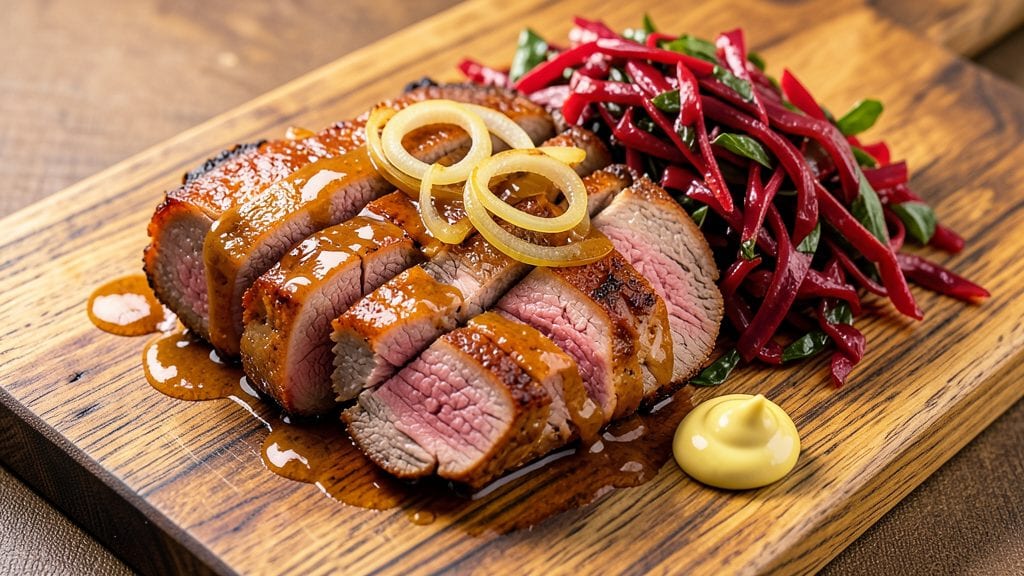
This German-style corned beef and sauerkraut recipe delivers the perfect balance of tender meat and tangy, crisp-edged sauerkraut—just like my grandmother used to make on Sunday afternoons.
The secret lies in slow-braising the beef until it's fork-tender while letting the sauerkraut caramelize at the edges, creating a symphony of flavors that's both comforting and sophisticated. I've perfected this dish over years of testing, ensuring every bite delivers that satisfying combination of savory, sweet, and tangy notes.
The beauty of this recipe is its simplicity combined with restaurant-quality results. With just a few key ingredients—corned beef brisket, sauerkraut, onions, and a touch of mustard—you'll create a dish that's rich in flavor and easy to prepare.
The slow cooking process transforms tough cuts of meat into something melt-in-your-mouth tender, while the sauerkraut develops a delightful crispness at the edges. This is the kind of meal that feels special without requiring hours in the kitchen.
What you'll end up with is a hearty, flavorful braise that's perfect for family dinners or cozy gatherings. The corned beef will be perfectly tender, the sauerkraut will have those coveted crisp edges, and the entire dish will be infused with a deep, savory aroma that fills your home.
The sauce that develops from the cooking process ties everything together, creating a dish that's both comforting and impressive. Serve it with boiled potatoes or crusty rye bread for the full experience.
This recipe is especially meaningful to me, as it reminds me of those Sunday dinners growing up—when the kitchen was filled with warmth and the table was always set with something hearty and delicious.
It's the kind of dish that brings people together, and I know it will become a staple in your home too. Let's get started on creating this classic German-style meal that's sure to impress.
Ingredients for corn beef and sauerkraut
Six core ingredients transform into a German-style masterpiece—tender beef and crisp-edged sauerkraut.
| Ingredient | Amount | Notes |
|---|---|---|
| Corned Beef Brisket 🥩 | 3 lb | Pre-cured, thick-cut preferred |
| Sauerkraut 🥬 | 4 cups | Unopened, good quality |
| Yellow Onions 🧅 | 2 whole | Medium size, sliced |
| Yellow Mustard 🍯 | ¼ cup | Dijon preferred for depth |
| Beef Broth 💧 | 2 cups | Low-sodium preferred |
| Apple Cider Vinegar 🍎 | ¼ cup | For tangy brightness |
| Bay Leaves 🌿 | 2 whole | Fresh if possible |
| Black Peppercorns 🌶️ | 10 whole | Crushed for texture |
| Salt 🧂 | 1 ½ tsp | Kosher or sea salt |
| Garlic Cloves 🧄 | 4 cloves | Minced for aroma |
| Fresh Thyme 🌿 | ¼ cup | Leaves only, chopped |
| Olive Oil 🫒 | 2 tbsp | For searing |
| Brown Sugar 🍯 | 1 tbsp | Light or dark |
The corned beef brisket is non-negotiable here. Look for pre-cured brisket at the meat counter—thick cuts (1.5-2 inches) stay juicier. I always grab mine from Whole Foods or Costco when possible, but the regular supermarket stuff works too. The key is checking the label for 'pre-cured'—this means it's already seasoned, so no extra salt needed. If you're feeling fancy, ask the butcher to trim excess fat. For sauerkraut, unopened jars from the refrigerated section are best—they're fresher than the shelf-stable kind. The vinegar in sauerkraut gives it that signature tang, so don't skip this step.
No Dijon mustard? Yellow mustard plus 1 tsp honey gets you close. Fresh thyme unavailable? Dried thyme at one-third the amount works, but you'll miss that fresh aroma. The onions can be swapped for pearl onions if you prefer—just halve them first. Beef broth low-sodium? Add 1/4 tsp salt to compensate. For extra depth, I sometimes add a splash of dark beer (like a German lager) to the braising liquid—it's optional but adds a nice maltiness. The brown sugar? Don't skip it—it helps caramelize the edges of the sauerkraut for that perfect crispness.
This dish tastes even better the next day, so make extra and freeze portions—it keeps for 3 months in the freezer. For reheating, add a splash of water or broth to prevent drying out. Store leftovers in the fridge for 5 days, covered tightly. The corned beef reheats beautifully—just warm through on the stove with a little extra broth. The sauerkraut can be crisped up again by sautéing in a pan for 2-3 minutes. Serve with buttered potatoes or crusty rye bread for the full experience.
Why You'll Love This Recipe
- One-Pot Magic: I swear by this recipe when I’m too tired to scrub pots—just dump everything in one deep skillet, simmer, and walk away. The onions caramelize right there while the corned beef stays juicy, and honestly? That’s my kind of cooking.
- Tangy-Sweet Crunch: The sauerkraut’s sharp bite cuts through the rich corned beef, and when you toss in those sliced onions? They soften into sweet, jammy perfection. Between us, that mustard glaze ties it all together like a hug in a bowl—simple but ridiculously satisfying.
- Leftovers That Beg: This dish actually tastes better the next day. I make a double batch on Sundays because reheating it turns the sauerkraut into a melty, saucy blanket over the beef. My kids fight over the portions, and I don’t even have to pretend it’s gourmet.
- Budget Feast: A whole corned beef brisket feeds six for under $20, and the sauerkraut stretches further than you’d think. Throw in some crusty bread or eggs, and suddenly you’ve got a full spread without breaking the bank. (Yes, even on a Tuesday night.)
Step-by-step instructions for corn beef and sauerkraut braise
Here's how to transform simple ingredients into a rich, tangy German-style dish with tender meat and crisp edges.
Sear the Corned Beef Brisket for Depth
Heat the 2 tablespoons olive oil in a large Dutch oven over medium-high heat. Once shimmering, place the 3 lb corned beef brisket fat-side down and sear for 8-10 minutes until the fat renders and the exterior develops a deep golden crust. Press down gently with a spatula during the first 2 minutes—this prevents curling and ensures even contact with the pan.
Flip the brisket and sear the other side for another 6-8 minutes. You'll notice the fat bubbling vigorously and the meat releasing a rich aroma. This initial sear builds flavor that will infuse the entire braise. Remove the brisket and set it aside on a plate.
Build the Tangy Base with Onions and Aromatics
In the same Dutch oven, add the 2 whole yellow onions (sliced) and cook over medium heat for 5-6 minutes until softened and beginning to caramelize at the edges. Stir occasionally to prevent burning—you want them golden but not crispy at this stage.
Add the 4 cloves garlic cloves (minced) and 0.25 cup fresh thyme (chopped), stirring for 30 seconds until fragrant. The garlic should sizzle slightly but not brown. Here's the thing—don't walk away. Garlic burns in seconds, and you want that aromatic punch without bitterness.
Pour in the 0.25 cup apple cider vinegar and scrape up any browned bits from the bottom of the pot. This deglazing step captures all the flavor you've built. Let it simmer for 2 minutes until slightly reduced and the acidity mellows.
Combine and Braise Until Tender
Return the corned beef brisket to the Dutch oven. Add the 4 cups sauerkraut, spreading it evenly around the meat. Pour in the 2 cups beef broth, then add the 2 whole bay leaves and 10 whole black peppercorns (lightly crushed between your palms). Stir gently to combine everything.
Bring the mixture to a gentle simmer over medium-low heat. Here's where patience pays off—cover the Dutch oven and let it cook for 2-2.5 hours, stirring occasionally. You're looking for the meat to become fork-tender and the sauerkraut to soften while still maintaining some texture.
After 1.5 hours, add the 0.25 cup yellow mustard and 1 tablespoon brown sugar. These ingredients add depth and a subtle sweetness that balances the tang. Stir well to distribute evenly, then continue braising until the meat is fork-tender.
Finish with Crisp Edges and Perfect Sauce
Increase the heat to medium-high and uncover the Dutch oven. Let the liquid reduce for 10-15 minutes, stirring occasionally, until it thickens slightly and the edges of the sauerkraut develop crispy brown spots. This is your signal that the dish is ready.
Taste and adjust seasoning with the 1.5 teaspoons salt if needed. The braise should have a balance of tangy, sweet, and savory flavors. If it's too acidic, a pinch of sugar helps. If it needs more depth, a splash of beef broth can loosen the sauce.
Remove the bay leaves before serving. Let the corned beef and sauerkraut rest for 5 minutes before serving—this allows the juices to redistribute, ensuring each bite is moist and flavorful. Serve with crusty bread to soak up every last bit of that rich, tangy sauce.
Pro Tips For Making Corn Beef And Sauerkraut
- Brown the Brisket First: Skip the slow start—sear the corned beef brisket in a hot Dutch oven for 3-4 minutes per side before adding liquids. I used to skip this, and the dish always tasted flat; the crust locks in flavor and keeps the meat from turning mushy later.
- Rinse the Sauerkraut: Drain and rinse the sauerkraut under cold water to cut the acidity—especially if it’s tangy. Too much vinegar sharpness will overpower the beef, and you’ll end up with a sad, puckery side instead of a balanced dish.
- Don’t Boil the Beef: Keep the heat at a gentle simmer (tiny bubbles, not rolling) after adding broth. I learned this the hard way—boiling toughens the meat and makes it dry. Low and slow is the only way to get tender, fork-friendly brisket.
- Stir in Mustard Late: Add the yellow mustard in the last 10 minutes of cooking—it burns easily and loses its bright flavor if you mix it in too soon. A quick swirl at the end gives it time to mellow and blend without turning bitter.
Serving suggestions for this dish
Classic German Bread Pairings
Nothing beats serving this corned beef with a fresh pumpernickel loaf from your local bakery—I love the dark, slightly sweet rye flavor that complements the tangy braise. For extra rustic appeal, toast slices until golden and crisp, then rub with a garlic clove.
My Boston neighborhood market carries excellent German-style rye bread that's perfect for this. 🥖
Potato Perfection
Buttery Yukon Gold potatoes boiled until tender and sliced into thick rounds make an ideal side. Toss them in 2 tablespoons melted butter, a pinch of salt, and a sprinkle of fresh parsley before serving.
For a heartier option, try potato pancakes—grate 2 large potatoes, mix with 1 egg, 2 tbsp flour, and salt, then pan-fry until crispy. The contrast of crispy pancakes with tender beef is divine.
Pickled Vegetable Accents
Brighten the plate with quick-pickled red cabbage or carrots—simmer 2 cups thinly sliced cabbage with ½ cup apple cider vinegar, 1 tbsp sugar, and ½ tsp mustard seeds for 10 minutes.
The acidity cuts through the richness beautifully. I also love adding pickled jalapeños for a subtle kick if you enjoy heat. These pickles add vibrant color and freshness to the plate. 🥬
Sauce Slather Station
Set out small bowls of Dijon mustard and sweet butter for guests to customize their portions. The mustard adds a sharp contrast to the sweet-savory braise, while the butter mellows the tang.
For a fancy touch, drizzle the finished dish with a splash of beef broth and 1 tsp brown sugar, then reduce briefly to make a glossy glaze. This adds a restaurant-quality finish that's simple to execute.
Warm Beer Pairing
A German-style lager like St. Pauli Girl or Weihenstephaner complements the dish perfectly—the malty sweetness balances the sauerkraut's acidity. For a non-alcoholic option, try a sparkling apple cider with a cinnamon stick.
The effervescence cleanses the palate between bites, making each mouthful taste fresh. I always keep a pitcher of this on hand when serving corned beef—it's a crowd-pleaser. 🍺
Leftovers Reinvented
Transform tomorrow's leftovers into corned beef hash by dicing the meat and mixing with diced potatoes, onions, and a fried egg on top.
Or shred the beef and mix with the sauerkraut for corned beef and sauerkraut stuffed cabbage rolls—wrap in cabbage leaves, bake until tender, and top with a dollop of sour cream. These make-ahead ideas keep the flavors exciting for days. 💡
Nutrition facts
Frequently asked questions
Can I use regular beef instead of corned beef brisket?
The corned beef's pre-curing and seasoning are key to this recipe's signature flavor. If you must substitute, use a 3 lb beef brisket and marinate it overnight in a mix of 1 cup apple cider vinegar, 2 tbsp salt, 1 tbsp black peppercorns, 4 garlic cloves, and 2 bay leaves. The taste won't be identical, but it'll be close!
Why does my sauerkraut turn mushy instead of crisp?
Overcooking is the most common culprit. Sauerkraut should simmer gently—never boil vigorously. The last 10-15 minutes should be uncovered on medium-high heat to crisp the edges. If it's already mushy, try adding 1 tbsp cornstarch mixed with water to thicken the sauce and revive texture.
Can I make this in a slow cooker?
Sear the beef first, then transfer everything to a 6-quart slow cooker. Cook on low for 7-8 hours or high for 4-5 hours. Skip the final crisping step—sauté the sauerkraut in a pan for 2-3 minutes before serving. The meat will be extra tender, and the flavors will meld beautifully.
What's the best way to reheat leftovers?
Reheat in a skillet with 1-2 tbsp beef broth over medium-low heat for 5-7 minutes until warmed through. For sauerkraut, add it to the pan last and warm for just 1-2 minutes to preserve crispness. Microwaving works too, but the texture suffers—always add a splash of liquid first.
Can I make this dish ahead of time?
This recipe actually tastes better the next day! Store in an airtight container in the fridge for up to 5 days. The flavors deepen as the sauerkraut's acidity mellows. For parties, assemble the dish (without the final crisping) up to 24 hours ahead, then reheat and crisp the sauerkraut before serving.