
Main Courses
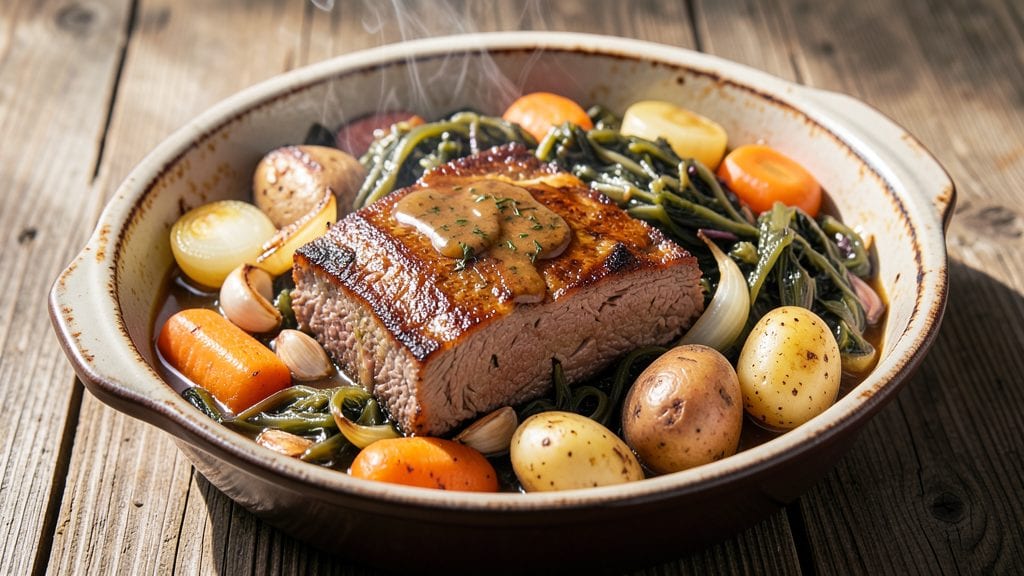
This corned beef and sauerkraut recipe delivers the perfect balance of tender, slow-simmered beef with tangy, crisp-edged sauerkraut—exactly what makes this dish a St. Patrick’s Day staple. The secret lies in a foolproof slow-cooking method that transforms tough cuts into melt-in-your-mouth perfection while preserving the sauerkraut’s signature crunch.
I’ve refined this recipe over years of testing, ensuring every bite delivers that satisfying harmony of savory, spicy, and tangy flavors.
The beauty of this dish is its simplicity: just a few ingredients—corned beef brisket, sauerkraut, onions, and spices—simmered together until the meat falls apart and the sauerkraut softens just enough to stay crisp at the edges.
The key is patience; letting the beef cook low and slow for 3-4 hours ensures maximum tenderness, while the final crisping in the oven adds that restaurant-quality texture. This method works equally well for holiday feasts or a cozy weeknight dinner.
What you’ll end up with is a crispy-edged, slow-cooked masterpiece—juicy beef that shreds easily, sauerkraut with a satisfying crunch, and a rich, spiced broth that ties everything together.
The aroma alone will fill your kitchen with warmth, and the first bite will remind you why this dish is a comfort food classic. Serve with mustard sauce, rye bread, or boiled potatoes for the full experience.
For those who love customization, try adding carrots or potatoes to the pot for extra heartiness, or a splash of beer to deepen the flavor. The recipe scales easily, too—whether you’re feeding a crowd or just two. Let’s get cooking!
Ingredients for corned beef and sauerkraut
Six core ingredients transform into a crispy-edged, slow-simmered masterpiece—juicy beef meets tangy sauerkraut.
| Ingredient | Amount | Notes |
|---|---|---|
| Corned Beef Brisket 🥩 | 3 lb | Pre-cured, 3-4 lbs for crispy edges |
| Sauerkraut 🥬 | 2 cups | Fresh, not canned or jarred |
| Yellow Onions 🧅 | 2 whole | Medium, sliced into half-moons |
| Garlic Cloves 🧄 | 6 cloves | Fresh, peeled and smashed |
| Carrots 🥕 | 4 medium | Peeled, cut into thick rounds |
| Russet Potatoes 🥔 | 2 medium | Peeled, cut into 1-inch chunks |
| Bay Leaves 🌿 | 2 whole | Dried, for aromatic depth |
| Mustard Seeds 🌶️ | 1 tsp | Whole, toasted for flavor |
| Black Peppercorns 🌶️ | 1 tsp | Freshly cracked for heat |
| Dark Beer 🍺 | 1 cup | Stout or porter, like Guinness |
| Water 💧 | 2 cups | For simmering, not tap if chlorinated |
| Diamond Crystal Kosher Salt 🧂 | 1 tsp | For seasoning, not iodized |
The corned beef brisket is non-negotiable here—3-4 pounds ensures crispy edges and tender meat. Grab the pre-cured brisket from the deli section (not the pre-cooked kind), and if you can't find it, Costco or Whole Foods usually stock it. The sauerkraut? Fresh, unpasteurized is key—look for it in the refrigerated section, not canned. I swear by Rehrl's or Bubbies if you're near a specialty store, but any brand with vibrant color works. The onions and carrots should be firm, not wilting, and the potatoes need to be Russet for that fluffy texture when cooked.
No dark beer? Substitute beef broth with a splash of balsamic vinegar—it mimics the depth. Fresh bay leaves are ideal, but dried works at half the amount. Mustard seeds can be skipped if you're short, but the toasted whole seeds add a nice bite. The potatoes are optional but add heartiness—red potatoes also work, but Russets hold up better to slow cooking. For extra crunch, add 1 cup frozen peas in the last 30 minutes of cooking. And if you're feeling fancy, a dash of smoked paprika in the broth deepens the flavor.
This dish tastes even better the next day—3-4 days in the fridge, covered tightly. For leftovers, reheat with a splash of water or broth to keep it moist. The crispy edges? Broil for 3-5 minutes before serving if you want that restaurant-style finish. Freezes beautifully for up to 3 months, so make a double batch for lazy weeknights. Store the broth separately if you want to use it for soups later—it's packed with flavor.
Why You'll Love This Recipe
- One-Pot Magic: I swear by this—just toss everything in one pot, add water, and walk away. No fancy techniques, no extra bowls, just simmering while I make coffee.
- Salty-Sweet Symphony: That brisket? Already packed with flavor from the corning process. The sauerkraut’s tang cuts through the richness, and the caramelized onions? Absolute perfection every time.
- Leftovers That Don’t Suck: Honestly, this dish begs for seconds—and thirds. The flavors deepen overnight, so I always make extra. Sandwiches? Hearty bowls? Yes, please.
- Budget-Friendly Feast: A whole brisket feeds six for under $20. The onions, carrots, and garlic are cheap staples, and sauerkraut lasts for months. Feeding a crowd without breaking the bank? This is it.
Step-by-step instructions for slow-simmered corned beef with crispy edges
Here's the method for tender brisket with that perfect crispy bark you crave.
Sear the Corned Beef Brisket for Depth
Pat the 3 lb corned beef brisket completely dry with paper towels—this is non-negotiable for crispy edges. Heat a Dutch oven over medium-high until it's screaming hot. Add the brisket fat-side down and let it sear undisturbed for 5 minutes until a deep golden crust forms. Flip and sear the other side for another 5 minutes.
Here's the thing—don't rush this step. The caramelization from the sear builds flavor that infuses into the meat during simmering. If it sticks, don't panic—just press down gently with a spatula to release it. Remove the brisket and set it aside on a plate, leaving all that beautiful browned fat in the pot.
Build the Flavor Base with Aromatics
In the same Dutch oven, add 2 whole yellow onions sliced into half-moons and 4 medium carrots cut into thick rounds. Cook for 5 minutes until the onions soften and begin to caramelize. Add the 6 cloves garlic cloves (peeled and smashed) and cook for another 30 seconds until fragrant.
Here's where it gets good—sprinkle in the 1 tsp mustard seeds and 1 tsp black peppercorns. Toast them for 30 seconds until they pop and release their aromatic oils. This step layers complexity that'll shine through in every bite. Add the 2 whole bay leaves and stir once to combine.
Simmer with Beer and Water
Pour in the 1 cup dark beer and scrape up all those browned bits from the bottom of the pot—this is flavor gold. Add the 2 cups water and bring to a gentle simmer. Return the brisket to the pot, fat-side up, and cover with a tight-fitting lid.
Simmer for 2 hours on low heat. Don't peek—every time you lift that lid, you lose heat and moisture. After 2 hours, check for doneness by inserting a meat thermometer into the thickest part. It should read 205°F and the meat should pull apart easily with two forks.
Finish with Sauerkraut and Potatoes
While the brisket simmers, peel and cut the 2 medium russet potatoes into 1-inch chunks. Add them to the pot along with the 2 cups sauerkraut and any accumulated juices. Stir gently to distribute the flavors. Cover and simmer for another 30 minutes until the potatoes are fork-tender and the sauerkraut has softened.
The potatoes should absorb the rich flavors from the brisket and beer while adding hearty texture. The sauerkraut will mellow slightly but retain its tangy brightness. Taste the liquid and adjust seasoning with the 1 tsp diamond crystal kosher salt if needed—this is where you can really make it sing.
Rest and Serve with Crispy Perfection
Remove the brisket and let it rest for 15 minutes before slicing. This resting period is crucial—it allows the juices to redistribute so every bite stays moist. While resting, skim any excess fat from the pot and discard it (unless you're saving it for another use).
Slice the brisket against the grain into ¼-inch thick pieces and serve with the sauerkraut and potatoes. The exterior should be crispy with a tender interior, and each bite should deliver that perfect balance of salty, tangy, and rich flavors. This is the moment that matters—serve immediately while everything's hot and the edges are still crispy.
Pro Tips For Making Corned Beef And Sauerkraut
- Rinse the Brisket: DESCRIPTION:
- Sear the Meat First: DESCRIPTION:
- Drain and Rinse Kraut: DESCRIPTION:
- Add Carrots Late: DESCRIPTION:
Regional styles of corned beef and sauerkraut
Irish-American Classic
This dish is a beloved staple of Irish-American cuisine, brought to the US by Irish immigrants in the 19th century. The original Irish version used salted beef, but American adaptations incorporated corned beef brisket—likely due to its availability and longer shelf life during sea voyages.
The tangy sauerkraut pairing reflects German influences, creating the perfect fusion of cultures. 🌍
For an authentic Irish touch, some versions skip the sauerkraut entirely and serve the beef with boxty (potato pancakes) or colcannon (mashed potatoes with cabbage). The beer used in the recipe also nods to Ireland’s brewing tradition—Guinness is a classic choice, but any dark stout works beautifully.
New York Deli Style
The New York deli version takes this dish to hearty new heights by adding carrots, potatoes, and sometimes even cabbage to the pot. The key difference? A longer simmer time—often 4-5 hours—to ensure the beef becomes fork-tender.
Many delis serve it with mustard sauce on the side, which cuts through the richness of the beef beautifully.
Pro tip: If you want that classic deli experience, finish the beef under a broiler for 3-5 minutes before slicing. This creates those coveted crispy edges that make it irresistible. Pair with rye bread or pumpernickel for the full New York deli vibe.
German-Inspired Sauerkraut Focus
In regions with strong German heritage—like parts of Pennsylvania or Wisconsin—this dish leans harder into the sauerkraut. The kraut is often pre-cooked separately with apples, juniper berries, or caraway seeds before being added to the pot, giving it a distinct sweet-tart profile.
Some versions even include smoked sausage alongside the beef for extra depth.
For a German twist, try adding ½ cup apple cider to the simmering liquid. The natural sweetness balances the tang of the sauerkraut while complementing the salty beef. Serve with dark rye bread and a side of sauerkraut-stuffed peppers for a full meal.
Slow-Cooker Adaptation
For a hands-off approach, many home cooks adapt this recipe for the slow cooker. Simply sear the beef as directed, then transfer everything—including the aromatics—to the slow cooker.
Cook on low for 8-10 hours or high for 5-6 hours, adding the sauerkraut and potatoes in the last 30 minutes to prevent mushiness.
This method is perfect for busy weeknights or holiday prep. The slow cooker’s gentle heat ensures the beef stays tender without drying out, while the sauerkraut retains its signature crunch. Just be sure to skim excess fat before serving—it can make the dish too greasy.
Modern Fusion Twist
For a contemporary take, some chefs incorporate global flavors into this classic. Try adding 1 tsp smoked paprika or ½ tsp cinnamon to the broth for warmth, or swap the dark beer for stout coffee and molasses for a deeper, almost BBQ-inspired profile.
The sauerkraut can also be quick-pickled with lime juice and chili flakes before adding to the pot for a bright, spicy kick.
Another fun twist? Serve the beef over mashed sweet potatoes with a drizzle of honey-mustard glaze. The sweetness of the potatoes and glaze contrasts beautifully with the tangy sauerkraut and salty beef, creating a dish that’s both nostalgic and fresh. 💡
Nutrition facts
Frequently asked questions
Can I use canned sauerkraut instead of fresh?
Fresh sauerkraut is ideal because it holds its texture better during cooking, but canned will work in a pinch. Just drain it well first to avoid making the dish too watery. The flavor will be slightly milder, so consider adding an extra ½ teaspoon of mustard seeds or a splash of vinegar to boost tanginess.
How do I get crispy edges on the corned beef?
The secret is searing the beef thoroughly before slow-cooking and finishing it with a quick broil. Pat the beef completely dry, sear it until deeply browned, then simmer covered. After resting, broil for 3-5 minutes until the edges crisp up—just watch closely to avoid burning.
Can I make this in a slow cooker?
Sear the beef as directed, then transfer everything to the slow cooker. Cook on low for 8-10 hours or high for 5-6 hours. Add the sauerkraut and potatoes only in the last 30 minutes to keep them crisp. Skim excess fat before serving to avoid a greasy texture.
What's the best way to reheat leftovers?
Reheat in a skillet with a splash of water or broth to keep it moist. Cover and warm on low heat for 10-15 minutes. For crispy edges, broil for 2-3 minutes at the end. Leftovers taste even better the next day—just store covered in the fridge for up to 4 days.
Why does my sauerkraut turn mushy?
Overcooking is the most common cause. Sauerkraut should soften but stay slightly crisp at the edges. Add it to the pot only in the last 30 minutes of cooking, and avoid stirring it too much. If using fresh kraut, start with 1 cup instead of 2 to reduce moisture.