
Main Courses
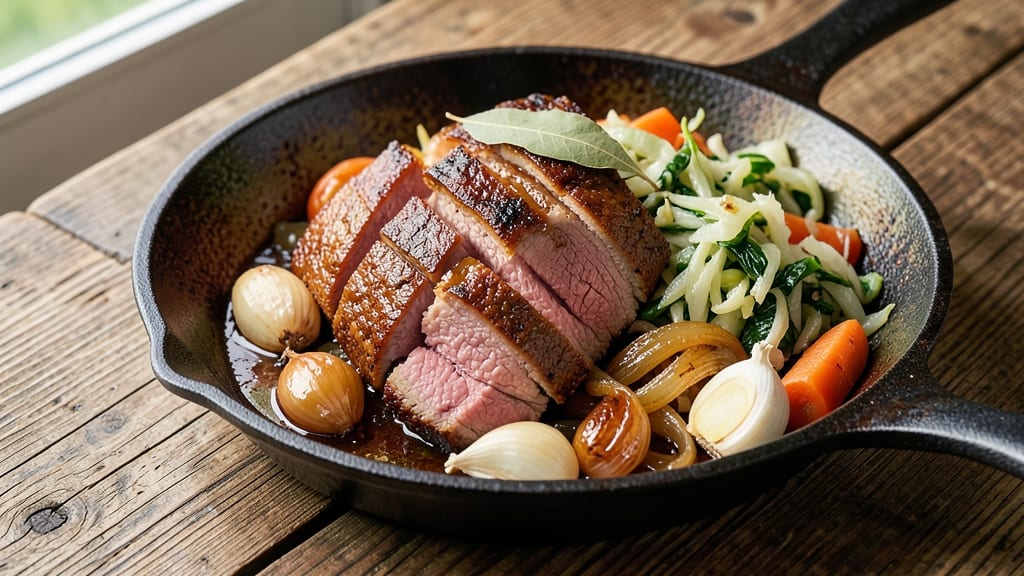
This corned beef brisket and sauerkraut recipe delivers the perfect balance of tangy-spiced meat and crispy-edged sauerkraut that defines a classic Irish-American meal. The secret lies in slow-cooking the brisket until it practically falls apart while transforming sauerkraut into golden, caramelized bites that add depth to every forkful.
I've perfected this method over years of holiday feasts, ensuring tender meat with a crust that holds up to sauerkraut's bold flavors.
The process begins with a foolproof corned beef brisket that's simmered until fork-tender, then finished with a crispy edge that adds texture contrast. Meanwhile, the sauerkraut gets pan-fried until it develops those coveted caramelized spots while maintaining its signature tang.
This isn't just a recipe—it's a restaurant-quality experience you can recreate at home with simple techniques and patience.
By the time you serve this dish, you'll have perfectly seasoned brisket slices with crispy edges that cut through the sauerkraut's acidity, creating a harmony of flavors that's impossible to resist.
The aromas alone will transform your kitchen into a traditional Irish pub, while the visual presentation makes it feel like a special occasion meal every time. This is comfort food at its finest—warm, hearty, and impossible to eat just one serving of.
The beauty of this recipe lies in its versatility. Serve it with buttered potatoes, crusty bread, or a simple green salad to round out the meal. For extra indulgence, drizzle with a tangy mustard sauce or caramelized onions.
Once you master this technique, you'll find yourself making it regularly—it's that good. Let's get cooking!
Ingredients for corned beef brisket and sauerkraut
Six hearty ingredients transform into restaurant-quality corned beef brisket with crispy edges and caramelized sauerkraut.
| Ingredient | Amount | Notes |
|---|---|---|
| Corned Beef Brisket 🥩 | 4 lb | Flat-cut, 1-inch thick slices |
| Sauerkraut 🥬 | 2 ½ cups | Unopened jar, drained well |
| Yellow Onions 🧅 | 1 whole | Medium, sliced into 1/4-inch rings |
| Carrots 🥕 | 3 whole | Medium, cut into 1-inch chunks |
| Garlic Cloves 🧄 | 6 cloves | Peeled, smashed with side of knife |
| Bay Leaves 🍃 | 2 whole | Fresh preferred, dried works |
| Black Peppercorns 🌶️ | 1 tbsp | Crushed, not ground |
| Mustard Seeds 🌿 | 1 tsp | Whole, not ground |
| Apple Cider Vinegar 🍎 | ½ cup | Raw, unfiltered preferred |
| Brown Sugar 🍯 | ¼ cup | Light or dark, packed |
| Kosher Salt 🧂 | 1 ½ tbsp | Diamond Crystal preferred |
| Unsalted Butter 🧈 | 2 tbsp | Cold, cubed for crisping |
| Heavy Cream 🥛 | ½ cup | Full-fat, chilled |
| Fresh Parsley 🌿 | ¼ cup | Chopped, for garnish |
The brisket is the star—look for flat-cut slices at Whole Foods or your butcher shop, not pre-sliced deli packages. A 4-pound cut feeds six generously, but don't skimp on quality. The sauerkraut should be unopened, jarred (the kind with no added vinegar) for proper tang. Reinhart Foods or Bubbies brands are my go-tos—they hold up best during cooking. For the onions and carrots, organic makes prep easier (no peeling needed), but conventional works fine. The garlic? Fresh is non-negotiable here—it adds depth the powder can't match.
No apple cider vinegar? White vinegar or red wine vinegar works in a pinch, but the flavor won't be identical. Short on brown sugar? Honey or maple syrup adds moisture but lacks the caramel notes. The mustard seeds can be skipped if you're in a hurry, but they're worth it for that subtle bite. For the sauerkraut crisping, butter is key—don't substitute oil. The heavy cream at the end? Full-fat only—it makes the sauce silky. And if you're feeling fancy, swap the parsley for chives or fresh dill for a different vibe.
This dish tastes even better the next day—plan ahead. The brisket keeps 3-4 days in the fridge, and the sauerkraut mixture reheats beautifully. For make-ahead prep, cook the brisket fully, then refrigerate before crisping—it reheats perfectly. The sauerkraut can be prepped 1 day ahead and stored in an airtight container. Freeze portions of the brisket for up to 6 months—just thaw overnight before crisping. And save the leftover sauerkraut juice! It makes a killer quick-pickled onion topping for sandwiches.
Why You'll Love This Recipe
- One-Pot Magic: I swear by this when I’m too tired to wash dishes—just toss everything in one pot, simmer, and walk away. The brisket stays juicy while the sauerkraut softens into that perfect tangy bite, and the onions caramelize without extra fuss.
- Tangy Crunch Combo: Between us, the sauerkraut’s sharpness cuts through the brisket’s richness like a knife through butter, and those crisp-tender carrots add just enough bite. Honestly, the flavor balance is what makes this dish dangerously repeatable.
- Weeknight Workhorse: I make this on Mondays when I’m exhausted, at potlucks when I need to feed a crowd, and even for lazy Sunday leftovers. The brisket reheats like a dream, and the sauerkraut keeps its texture—no sad, mushy sides here.
- Budget-Friendly Feast: A whole brisket feeds my family for days, and the rest of the ingredients cost pennies. I’ll be real: this is my go-to when groceries are tight, but it still tastes like I spent hours cooking. (Spoiler: I didn’t.)
Step-by-step instructions for tangy-spiced corned beef brisket
Here's the method for achieving that perfect balance of tender meat and crispy edges with every bite.
Prepare the Corned Beef Brisket for Browning
Pat the 4 lb corned beef brisket dry with paper towels, focusing on the thickest slices. This step is crucial for achieving crispy edges later. Place the brisket in a large skillet over medium-high heat with 2 tablespoons unsalted butter melted in the pan. Let it sear undisturbed for 5 minutes until a deep golden crust forms on one side.
Flip the brisket carefully and continue searing for another 5 minutes until the second side develops that same rich color. The butter will foam vigorously at first, but don't rush this process - you want that perfect Maillard reaction creating flavor and texture. Once both sides are beautifully browned, transfer the brisket to a plate and set aside temporarily.
Build the Flavor Base with Vegetables and Aromatics
In the same skillet (don't wipe it clean - those browned bits are pure flavor), add 1 whole yellow onion sliced into ¼-inch rings and 3 whole carrots cut into 1-inch chunks. Cook for 8-10 minutes until the onions soften and carrots begin to caramelize slightly, stirring occasionally. You'll notice the vegetables release moisture and develop a sweet, caramelized aroma.
Add the 6 cloves garlic cloves (peeled and smashed) along with 2 whole bay leaves, 1 tablespoon crushed black peppercorns, and 1 teaspoon whole mustard seeds. Cook for another 2 minutes until the garlic becomes fragrant and just begins to color. This aromatic base will infuse the brisket with layers of flavor as it finishes cooking.
Simmer the Brisket with Sauerkraut and Sweet-Sour Sauce
Return the browned brisket to the skillet and add 2.5 cups sauerkraut (well-drained), 0.5 cup apple cider vinegar, and 0.25 cup brown sugar. Stir gently to combine all ingredients, then pour in enough water to come about halfway up the sides of the brisket - roughly 2 cups. This liquid will help create a rich, tangy sauce as everything simmers.
Bring the mixture to a gentle simmer over medium-low heat, then cover partially with a lid. Let it cook for 1 hour 15 minutes, turning the brisket occasionally and spooning the sauce over the top. You'll see the brisket gradually absorb the flavors while the sauerkraut softens and the sauce thickens slightly. The key is maintaining a gentle simmer - if it boils vigorously, reduce the heat.
Finish with Cream and Create Crispy Edges
After the initial simmering, increase heat to medium-high and let the liquid reduce by about half, concentrating the flavors. Stir in 0.5 cup heavy cream and 1.5 tablespoons kosher salt, then let it simmer uncovered for 5-7 minutes until the sauce thickens to a glossy consistency that coats the back of a spoon.
For the crispy edges you're after, carefully transfer the brisket to a baking sheet and broil for 3-4 minutes on high, watching closely to prevent burning. The brisket should develop golden, crispy edges while the interior remains tender. Return the brisket to the sauce to absorb those final flavorful juices before serving.
Serve with Garnish and Enjoy Immediately
Slice the brisket against the grain into ½-inch thick pieces and arrange on a platter. Ladle the rich, tangy sauce over the top and garnish with 0.25 cup chopped fresh parsley. The contrast of crispy edges with tender meat and that bright, tangy sauce creates the perfect balance of textures and flavors in every bite.
Serve immediately with any remaining sauce spooned over the top. The brisket should be fork-tender with crispy edges, the sauerkraut softened but still holding its texture, and the sauce thick enough to coat each bite without being overly watery. This dish tastes best fresh, so don't let it sit too long before serving.
Pro Tips For Making Corned Beef Brisket And Sauerkraut
- Trim the Fat First: Slice off that thick layer of fat from the brisket before cooking—yes, it’s tempting to leave it, but it’ll steam the meat instead of crisp the crust. I learned this the hard way when my brisket came out soggy, no matter how long I seared it.
- Rinse the Brisket: Give that corned beef a quick cold-water rinse before cooking to wash off excess salt and curing spices. Skipping this step means your brisket might taste overwhelmingly salty, especially if you’re using store-bought corned beef with heavy curing.
- Caramelize the Onions Low: Don’t rush the onions—cook them on medium-low heat for at least 20 minutes until deep golden brown. I used to crank the heat and end up with bitter, burnt bits that ruined the whole dish. Patience here makes a real difference.
- Drain and Pat Sauerkraut: Drain the sauerkraut in a colander, then press it dry with a clean towel to remove excess liquid. Wet sauerkraut steams instead of crisping, and you’ll end up with a watery mess instead of that perfect tangy bite. Trust me, it’s worth the extra 30 seconds.
Regional styles of these flavors
Irish-American Pub Style
This is the classic version you'd find in New York or Boston pubs, where corned beef brisket and sauerkraut became a staple during St. Patrick's Day celebrations.
The key difference here is using pre-cured corned beef brisket from the deli counter (like Oscar Mayer or Hillshire Farm), which comes pre-brined with a spice rub. I like to slice it ¼-inch thick before cooking to ensure even crisping. 🥩
For the sauerkraut, I add 1 tablespoon caraway seeds (toasted in the pan for 30 seconds before adding other aromatics) to honor the Eastern European roots of this dish. The mustard sauce gets a boost with 1 teaspoon Dijon mustard mixed into the heavy cream at the end.
Serve with crusty Irish soda bread and a cold Guinness for the full experience.
German-Inspired Braised Version
In Germany, this dish would be called "Sauerkraut mit Rindfleisch" and is often made with beef chuck roast instead of brisket. For this adaptation, I use 2 lb beef chuck cut into 1-inch cubes, browned first in duck fat (or butter) for extra richness.
The braising liquid includes 1 cup beef broth instead of water, plus 2 tbsp tomato paste for depth. 🍖
I increase the sauerkraut to 3 cups and add 1 small apple (peeled and diced) to the pan during the final 15 minutes of cooking. The apple's natural pectin helps thicken the sauce naturally.
Garnish with chopped fresh thyme instead of parsley, and serve with buttered potato dumplings for a hearty meal.
Southern U.S. Twist
The Southern version leans into smoky, sweet flavors with a ½ cup BBQ sauce (like Sweet Baby Ray's) swirled into the final sauce. I also add 1 tablespoon smoked paprika to the initial spice mix and finish with crispy fried onions on top.
The brisket gets a 3-minute broil with 1 tbsp apple cider vinegar brushed on before crisping for extra tang. 🌶️
For the sauerkraut, I stir in 1 cup cooked white beans (rinsed) during the last 10 minutes of cooking. Serve with cornbread and a side of collard greens for a full Southern feast. The BBQ sauce adds a familiar comfort-food element while keeping the dish's traditional roots.
Modern Fusion Approach
This version blends Irish and Asian flavors by adding 1 tbsp grated fresh ginger and 1 tbsp fish sauce to the braising liquid. The brisket gets a 1-minute char in a cast-iron skillet before the final broil.
For the sauerkraut, I toss in ½ cup sliced shiitake mushrooms (sautéed first) and finish with sesame seeds and green onions. 🍜
The sauce gets a splash of 1 tbsp soy sauce and a drizzle of honey (instead of brown sugar) for balance. Serve over jasmine rice with a side of steamed bok choy. This fusion keeps the dish's hearty nature while adding exciting umami notes that appeal to modern palates.
Nutrition facts
Frequently asked questions
Can I use pre-cooked corned beef instead of fresh brisket?
Yes, but the texture and flavor will differ. Pre-cooked deli-style corned beef (like Oscar Mayer) works best for a quicker version. Slice it ¼-inch thick and pan-fry in butter until crispy, then simmer with sauerkraut for 20-30 minutes instead of the full braising time. Add 1 tablespoon Dijon mustard to the sauce for depth. For best results, use the fresh brisket method when possible.
How do I prevent the sauerkraut from getting mushy?
Drain the sauerkraut thoroughly before cooking and avoid overcrowding the pan. Use medium-high heat and stir frequently during the first 5 minutes to develop crispy edges. If it starts to soften too quickly, remove it from the pan and set aside while you crisp the brisket. The key is to cook it just until tender-crisp, not fully mushy.
Can I make this recipe in a slow cooker?
Brown the brisket first in a skillet, then transfer everything (including vegetables and spices) to the slow cooker. Add 1.5 cups water and cook on low for 7-8 hours or high for 4-5 hours. For crispy edges, sear the brisket in a hot pan with butter for 2-3 minutes per side before serving. The sauerkraut will soften more but still hold its texture.
What's the best way to reheat leftovers?
Reheat in a skillet over medium-low heat with a splash of water or broth to keep it moist. For crispy edges, place the brisket slices in a hot pan for 1-2 minutes per side after reheating. The sauerkraut can be warmed separately in the microwave for 1-2 minutes, covered with a damp paper towel. Leftovers keep 3-4 days in the fridge.
Can I substitute regular cabbage for sauerkraut?
While not traditional, you can use green cabbage in a pinch. Shred 1 small head and cook it in the same way, but add 1 tablespoon apple cider vinegar and 1 teaspoon caraway seeds to mimic sauerkraut's tang. The texture will be different—less crispy and more tender—but it works in a bind. For best results, stick with sauerkraut.