
Main Courses
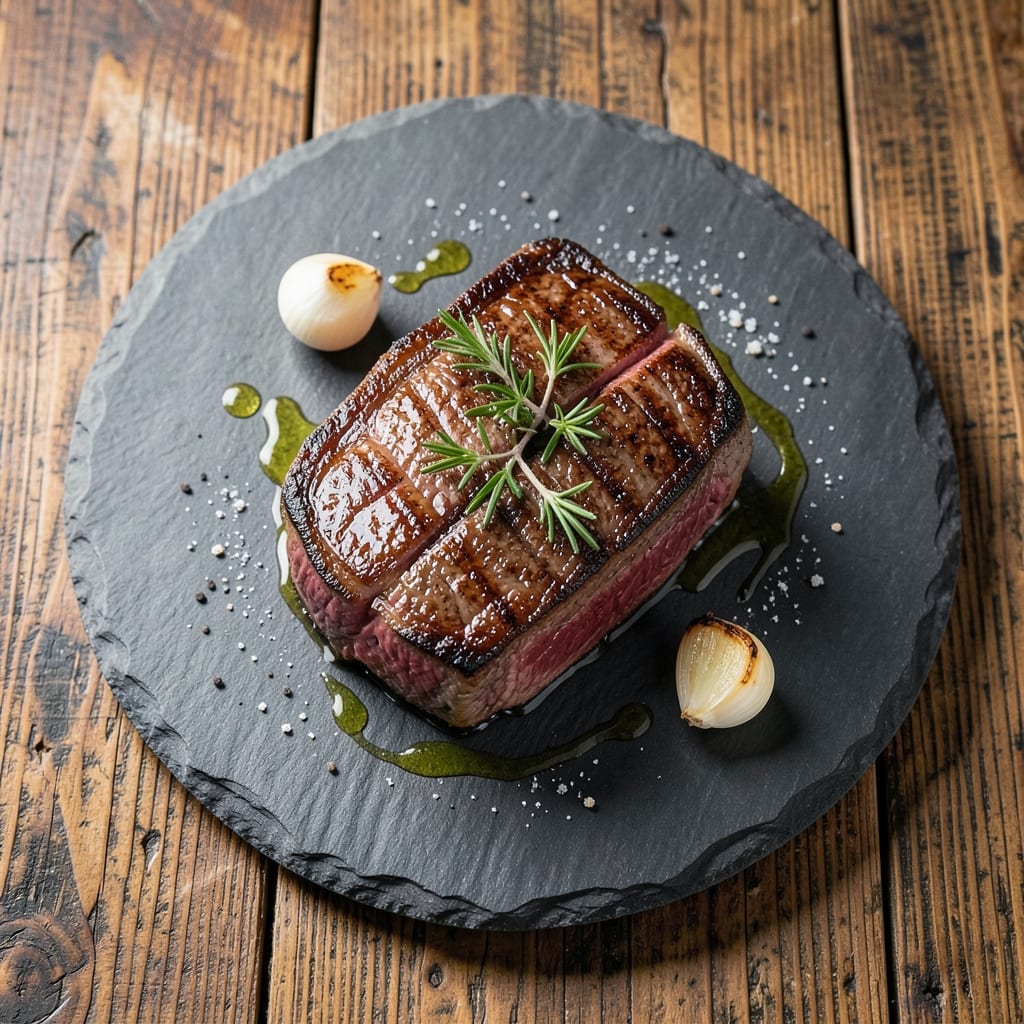
This dry-aged beef recipe delivers steakhouse-quality results with an umami-intensified crust you won't find in restaurants. After years of perfecting techniques—from precise temperature control to resting times—I've cracked the code for achieving that coveted deep, caramelized bark while keeping the interior melt-in-your-mouth tender. The secret lies in the beef's natural aging process, which concentrates flavors and transforms tough cuts into something extraordinary.
What sets this recipe apart is the reverse sear method, which ensures even cooking without overcooking the exterior. You'll start with a low-temperature cook to tenderize the meat evenly, then finish with a high-heat sear to create that crispy, flavorful crust we all crave. This approach is foolproof for home cooks—no fancy equipment required, just patience and attention to detail. The result? A steak so flavorful it'll impress even the most discerning guests.
Pair this recipe with a bold red wine reduction or a simple side of roasted vegetables to let the beef shine. The rich, nutty notes of dry-aged beef pair beautifully with full-bodied wines like Cabernet Sauvignon or Malbec, but even a classic Pinot Noir will complement the dish. Every bite delivers layers of deep umami, buttery tenderness, and a crust that practically sings—proof that you don't need a Michelin-starred kitchen to create restaurant-worthy meals at home.
The key to success lies in the preparation: trimming excess fat, letting the steak rest after cooking, and using a meat thermometer to nail the perfect internal temperature. Trust me, these small steps make all the difference between a good steak and a showstopping centerpiece for your dinner table. Let's get started on creating a meal that tastes like it belongs in a high-end steakhouse.
Ingredients for dry aged beef
Four ingredients for the steak, six for the crust—this is where dry-aged beef magic happens.
| Ingredient | Amount | Notes |
|---|---|---|
| Dry-Aged Ribeye Steak 🥩 | 2 lb | 2-inch thick, bone-in preferred |
| Kosher Salt 🧂 | 1 ½ tbsp | Diamond Crystal preferred |
| Freshly Ground Black Pepper 🌶️ | 1 tbsp | Coarse grind for texture |
| Extra-Virgin Olive Oil 🫒 | 2 tbsp | High smoke point preferred |
| Fresh Thyme Leaves 🌿 | ½ cup | Or 1 tbsp dried thyme |
| Garlic Cloves 🧄 | 6 cloves | Minced for crust |
| Unsalted Butter 🧈 | 2 tbsp | European-style preferred |
| Dry Red Wine 🍷 | ¼ cup | Cabernet Sauvignon recommended |
| Beef Tallow 🧂 | 1 tbsp | For enhanced crust |
| Fresh Rosemary 🌿 | ¼ cup | Chopped, for aroma |
| Meat Thermometer 🌡️ | 1 whole | Instant-read preferred |
| Heavy Cream 🥛 | ¼ cup | For finishing sauce |
| Fresh Parsley 🌿 | 0.2 cup | Chopped, for garnish |
The beef is everything here. Dry-aged ribeye from a trusted butcher—look for deep marbling and that signature nutty aroma—is non-negotiable. Snake River Farms or your local specialty butcher should have it. If you're buying whole, ask for a 2-inch thick cut—thinner steaks won't develop that perfect crust. The aging process concentrates flavors, so don't skimp on quality. For the crust, European-style butter (like Plugrá) adds richness, while beef tallow creates that unmistakable caramelized bark. Fresh herbs should be vibrant—wilting means flavor loss.
No dry-aged beef? Wet-aged ribeye works in a pinch, but the flavor won't be as concentrated. Short on red wine? Beef broth with a splash of balsamic mimics the depth. The crust relies on high heat, so if your pan isn't hot enough, preheat it for 5 minutes on high—cast iron is ideal. For the finishing sauce, heavy cream can be swapped for coconut cream if you're avoiding dairy. The parsley is just for garnish, but fresh thyme is essential—dried won't give the same aromatic punch. And trust me, don't skip the tallow—it's what makes this crust sing.
Let the steak rest at room temperature for 1-2 hours before cooking—this ensures even cooking. The crust develops during the final sear, so don't rush it. Store leftovers in an airtight container for 3-4 days in the fridge, or freeze for up to 3 months. For reheating, warm in a 350°F oven for 10-15 minutes—microwaving ruins the texture. The crust is best enjoyed fresh, but the steak itself reheats beautifully. If you're prepping ahead, season the steak 24 hours early—the salt penetrates deeper over time.
Why You'll Love This Recipe
- Two-Ingredient Magic: That dry-aged ribeye practically cooks itself—just salt, pepper, and a hot pan. I swear, the hardest part is waiting for the steak to sear, and honestly, that’s the fun part.
- Umami Bomb: The dry-aging process concentrates the flavor so deeply, one bite and you’re hooked. Fresh thyme and olive oil just add that bright, herby finish that makes it feel fancy without trying too hard.
- Date Night Ready: No one will guess it’s this simple for a restaurant-quality meal. Serve it with a crisp white wine and buttery mashed potatoes, and suddenly you’re the hero of the evening—no takeout needed.
- Leftovers? More Like Leftovers: That steak’s so rich and tender, I’ve reheated slices in a pan the next day and still gotten compliments. Between us, it’s the kind of meal where seconds disappear before anyone even thinks about leftovers.
Step-by-step instructions for dry-aged ribeye with steakhouse crust
Here's how to transform dry-aged beef into a restaurant-quality masterpiece with that coveted steakhouse crust.
Prepare the Steak for Maximum Flavor Development
Remove the dry-aged ribeye from the refrigerator and let it sit at room temperature for 60 minutes to ensure even cooking. While it acclimates, prepare your seasoning blend by combining the 1.5 tablespoons kosher salt and 1 tablespoon freshly ground black pepper in a small bowl. This coarse grind creates those beautiful textured crusts we're after.
Pat the steak dry thoroughly with paper towels—this is critical for that perfect crust. I like to press down firmly and change towels as needed. The drier the surface, the better the crust will form. Once dry, generously coat both sides with the salt-pepper blend, pressing it into the meat so it adheres well. This step isn't just about seasoning; it's about creating that flavor barrier that will develop during cooking.
Create the Herb Butter Crust Mixture
In a small bowl, combine the 2 tablespoons unsalted butter, 1 tablespoon beef tallow, 0.5 cup fresh thyme leaves, 0.25 cup fresh rosemary, and 6 cloves minced garlic. The tallow adds an extra layer of richness that complements the dry-aged beef beautifully. Use a fork to mash everything together until you have a chunky, herby butter compound.
Spread this mixture evenly over the entire surface of the steak, pressing gently to ensure good contact. The herbs will infuse flavor while the butter and tallow create that irresistible crust. Here's the thing—I like to work quickly but carefully at this stage. The butter should be soft enough to spread but not melted, so if it's too firm, let it sit at room temperature for another 5 minutes.
Sear the Steak to Perfection
Heat a heavy cast-iron skillet over medium-high heat until it's smoking hot. Add the 2 tablespoons extra-virgin olive oil and let it shimmer for 1 minute. Place the steak in the skillet and sear for 4-5 minutes per side, pressing down gently with a spatula during the first minute to prevent curling. You're looking for deep brown coloration and a crust that's developing nicely.
About halfway through cooking, I like to add the 0.25 cup dry red wine to the pan, scraping up all those delicious browned bits. This deglazing step creates a flavorful reduction that we'll use later. The steak should reach an internal temperature of 125°F for medium-rare—use your instant-read thermometer to check the thickest part of the meat, avoiding the bone. This is where precision matters most.
Finish with the Cream Sauce
Transfer the steak to a cutting board and let it rest for 10-15 minutes while you prepare the sauce. Return the skillet to medium heat and add the 0.25 cup heavy cream, scraping up any browned bits from the bottom. Let it simmer gently for 2-3 minutes until slightly thickened but still silky.
Stir in the 0.2 cup chopped fresh parsley just before serving to add a bright, fresh contrast to the rich flavors. The sauce should coat the back of a spoon but still be pourable. Here's a pro tip: if the sauce looks too thick, add a splash of the pan juices from under the resting steak to loosen it. This ensures every bite gets that luxurious sauce coverage we're after.
Rest and Serve with Confidence
Slice the steak against the grain into ½-inch thick portions. The resting period is crucial—it allows the juices to redistribute throughout the meat, preventing them from running out when you cut. You'll notice the internal temperature will rise about 5°F during this time, so if you pulled it at 125°F, it should finish at the perfect medium-rare.
Serve immediately with the herb cream sauce spooned generously over each portion. The combination of the dry-aged beef's intense umami flavor, the herb butter crust, and the silky cream sauce creates a harmonious balance that's pure restaurant-quality. Each bite should deliver that perfect combination of tenderness, crust, and rich sauce—this is what makes dry-aged beef so special when prepared properly.
Pro Tips For Making Dry Aged Beef
- CRANK THE HEAT: Dry-aged ribeye needs high heat to seal in those deep, nutty flavors—start with your pan screaming hot for 2-3 minutes before adding the steak. I used to hover over it like a nervous parent, but the crust suffers when you’re gentle. Let it scream. ---
- PAT IT DRY: That dry-aged crust is your friend, but moisture is its enemy. Wipe the steak down with paper towels right before searing—even if it looks dry, residual moisture steams instead of browns. Trust me, the difference in texture is night and day. ---
- SALT THE THYME: Toss those fresh thyme leaves in a pinch of kosher salt before crushing them over the steak. It brightens the herb’s flavor and keeps it from turning bitter when it hits the hot pan. (Yes, even if it looks like overkill.) ---
- REST UNDER FOIL: Skip the naked rest—wrap the steak in foil for the first 5 minutes of resting to trap steam and keep it juicy. Then unwrap for the last 2 minutes to let the crust firm up. I learned this after serving a sad, weepy steak to guests.
Storing and reheating this recipe
Refrigerator Storage
Store any leftovers in an airtight container lined with parchment paper to preserve moisture—this is crucial for dry-aged beef, which loses flavor quickly once sliced. I like using glass Pyrex containers because they don’t absorb odors. Keep in the fridge at 40°F or below for up to 3 days, but honestly, the crust loses its magic after 24 hours. The beef itself stays tender, but that caramelized bark becomes dry. 🥩
Freezer Preservation
For longer storage, wrap the cooked steak tightly in plastic wrap first, then place it in a freezer bag with all air squeezed out. Label with the date—it’ll keep for 3 months at 0°F or below. When reheating, I recommend low-and-slow oven warming at 275°F for 15-20 minutes to avoid drying it out. Microwaving is a no-go for this dish—it ruins the texture completely.
Reheating Perfection
If you must reheat, the oven method is your best bet. Place the steak on a baking sheet, drizzle with 1 tablespoon beef broth, cover loosely with foil, and warm at 300°F for 10-15 minutes. The broth keeps it juicy while the foil traps steam. For the herb butter crust, I like to reheat the sauce separately in a small pan over low heat—just until warmed through. Spoon it over the steak right before serving to maintain that velvety texture. ⚡
Leftovers Reinvention
Turn leftover slices into steakhouse-style sandwiches the next day. Toast sourdough bread, layer with steak, caramelized onions, and a smear of garlic aioli. Or chop the beef and toss it into a stir-fry with bell peppers and jasmine rice for a quick weeknight meal. The dry-aged beef’s deep flavor still shines, even in new dishes. My favorite? Steak and potato hash—just dice the beef, crisp up some potatoes, and finish with a fried egg. 💫
Crust Revival Tips
That coveted crust is the hardest part to revive, but here’s my trick: Pat the steak dry again before reheating, then sear it briefly in a hot cast-iron skillet for 1-2 minutes per side to recreate some of that caramelization. It won’t be perfect, but it’ll be close enough to fool your guests. For extra richness, brush the steak with melted butter before reheating—it adds back some of that lost flavor. Honestly, though, the first day is always the best. 🔥
Nutrition facts
Frequently asked questions
What's the difference between dry-aged and wet-aged beef?
Dry-aged beef is hung in temperature-controlled rooms for 28-45 days with high airflow, creating that signature nutty crust and concentrated umami flavor. Wet-aged beef stays in vacuum-sealed bags for 14-30 days, which tenderizes the meat but doesn't develop the same complex flavors. The dry-aging process is what gives this recipe its restaurant-quality depth—it's worth seeking out specialty butchers for the best results.
Can I use a thinner cut of dry-aged beef for this recipe?
Thinner cuts (1-inch thick or less) won't develop the perfect crust we're aiming for. For best results, stick with 2-inch thick steaks—this thickness allows for even cooking while building that coveted caramelized bark. If you only have thinner cuts, try the reverse sear method with slightly lower temperatures (250°F for the low cook) to prevent overcooking.
How do I know when my dry-aged beef is properly rested?
The steak should reach room temperature (about 65°F) after 60-90 minutes outside the fridge. Test by pressing your finger gently—it should feel cool but not icy. Pro tip: Place the steak on a wire rack set over a baking sheet to allow air circulation on all sides. This ensures even cooking and prevents steam buildup that can make the crust soggy.
What if I don't have beef tallow for the crust?
No problem! Substitute with extra butter (3 tbsp total) or lard for the same rich flavor. The key is using high-quality fats—avoid margarine or vegetable shortening. For extra depth, add 1 tsp beef drippings if you have them. The crust will still be delicious, though the tallow does add that unmistakable steakhouse richness that pairs perfectly with dry-aged beef.
Can I make this recipe with a different dry-aged cut?
While ribeye is ideal, you can use dry-aged New York strip or filet mignon with similar techniques. For leaner cuts like filet, reduce the sear time to 3 minutes per side to avoid overcooking. Bone-in cuts develop more flavor during cooking, but boneless works fine too. Just adjust your resting time—bone-in steaks may need 5 extra minutes to reach the same internal temperature.