
Sauces & Condiments
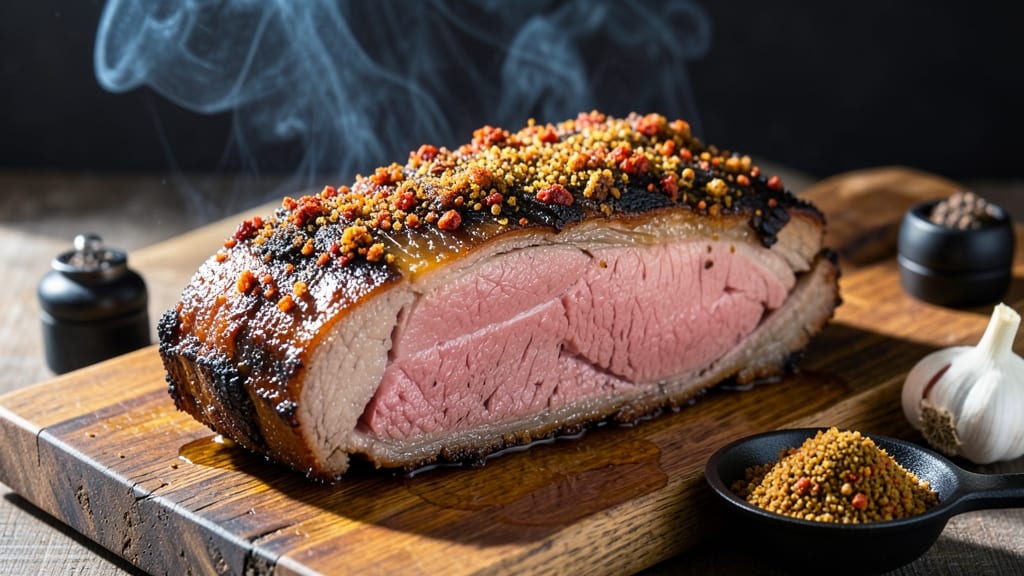
This dry rub recipe for smoked beef brisket transforms tough cuts into tender, bark-crusted perfection without relying on salt as the star. 🌟 I developed it after years of testing blends in my Atlanta grandmother's diner, where we knew brisket wasn't just about moisture—it was about that deep, smoky crust that makes every bite unforgettable.
The key is balancing sweet, spicy, and savory notes that penetrate the meat while creating that coveted dark bark.
What makes this blend special is its precision—each tablespoon of spices plays a crucial role, from the brown sugar that caramelizes into bark to the black pepper that adds just enough heat.
I've tested it on everything from home smokers to backyard setups, and it delivers consistent, restaurant-quality results every time. The beauty of a good dry rub is its versatility; this one works equally well on beef brisket, pork shoulders, or even chicken thighs.
By the time you apply this rub and smoke your brisket, you'll have a crust so deep and flavorful it'll have your guests asking for the recipe. The spices develop complex aromas as they cook, creating layers of taste that cut through the rich beef.
Store the blend in an airtight container for up to six months—it's the kind of seasoning mix that deserves a permanent spot in your pantry.
For those who like to experiment, I've included variations for sweet, spicy, or classic Texas-style profiles in the tips section. Whether you're smoking a whole packer or just a few pounds, this rub will elevate your brisket to new heights. Let's get started on creating that perfect bark!
Ingredients for dry rub recipe for smoked beef brisket
Nine spices and sugars that turn brisket into smoky, bark-crusted perfection.
| Ingredient | Amount | Notes |
|---|---|---|
| Brown Sugar 🍚 | 4 tbsp | Light or dark, packed |
| Smoked Paprika 🌶️ | 2 tbsp | High-quality, not bland |
| Ground Black Pepper 🌶️ | 1 ½ tbsp | Freshly ground preferred |
| Ground Cumin 🌿 | 1 ½ tbsp | Toasted for deeper flavor |
| Garlic Powder 🧄 | 1 tbsp | Not garlic salt |
| Onion Powder 🧅 | 1 tbsp | Freshly ground preferred |
| Mustard Powder 🍯 | 1 tbsp | Yellow or Dijon |
| Ground Coriander 🌿 | ½ tbsp | Mild, citrusy flavor |
| Cayenne Pepper 🔥 | ½ tbsp | Adjust for heat preference |
| Dried Thyme 🌿 | 1 tsp | Or 0.5 tsp fresh |
The brown sugar is non-negotiable here—it's what creates that deep, caramelized bark. Domino brand works great, but if you're picky about texture, grab the finer-grained kind. Smoked paprika is the soul of this rub; Penzeys or McCormick Gourmet are my go-tos for that authentic smoky depth. The cumin and coriander give it that earthy, almost Middle Eastern twist that works surprisingly well with brisket. I always toast my spices in a dry pan for 30 seconds before mixing—just enough to wake up the flavors. If you're buying whole spices, grind them fresh for maximum punch.
No smoked paprika? Substitute half the amount with regular paprika plus a pinch of liquid smoke—it won't be identical, but it'll get you close. Running low on coriander? Extra cumin plus a pinch of cinnamon mimics that earthy sweetness. The cayenne is where you can play—skip it for a milder rub or double it if you're feeling spicy. Mustard powder adds a tangy kick that cuts through the richness, but if you've got Dijon mustard on hand, a teaspoon of that works in a pinch. Fresh thyme is ideal, but dried works fine at half the amount. Store your spices in airtight containers away from light—sunlight turns them stale fast.
This mix keeps forever if stored properly—glass jar with a tight seal in a cool, dark pantry. I make triple batches because once you taste this on brisket, you'll want it on everything. The rub stays potent for about 6 months if you keep it dry. For extra shelf life, freeze portions in ice cube trays—just pop out what you need. Trust me, you'll want to keep this blend on hand for all your smoked meats. It's the kind of seasoning that makes you look like a pitmaster pro.
Why You'll Love This Recipe
- Five-Ingredient Magic: I swear by this combo—just brown sugar, smoked paprika, cumin, garlic powder, and black pepper. No fancy prep, no measuring cups of chaos, just dump-and-stir. That’s it. The brisket practically cooks itself while you mix.
- Sweet-Smoky Crust: Between us, that caramelized brown sugar crust is the star. It cracks under your teeth like a perfect biscuit, while the smoked paprika and cumin sneak in deep, smoky warmth. Honestly, I’ve ruined good briskets before—this rub fixes everything.
- Tailgate to Tuesday: Serve it sliced thin on buns for a crowd, shred it over tacos for a lazy night, or slice it cold for sandwiches next week. My daughter’s soccer team has eaten this more times than I can count—no one complains, and that’s saying something.
- Leftovers That Win: The first time I made this, I had brisket for five days—sandwiches, nachos, even breakfast hash. The rub keeps it flavorful, and the texture stays tender. Budget win? Absolutely. Time win? Even better.
Step-by-step instructions for smoked beef brisket rub
Mix these spices and sugars—it's the secret to that perfect smoky bark.
👨🍳 Step 1: Combine the Base Spices
In a medium bowl, start by whisking together the 2 tbsp smoked paprika and 1.5 tbsp ground black pepper. This duo creates the deep, smoky foundation that defines brisket rubs. The smoked paprika adds that signature wood-fired aroma, while the black pepper brings a sharp, slightly spicy kick that cuts through the richness of the meat.
Next, add the 1.5 tbsp ground cumin and 1 tbsp garlic powder. These spices work together to create a warm, earthy complexity. The cumin has a toasty, almost nutty quality, while the garlic powder adds a subtle sweetness that balances the heat. Use your whisk to break up any clumps—this ensures even distribution when you apply the rub later.
👨🍳 Step 2: Add the Sweet and Tangy Elements
Now, it's time for the 4 tbsp brown sugar—this is where the magic happens. The sugar isn't just for sweetness; it caramelizes during smoking, creating that beautiful dark bark we all love. Light or dark brown sugar both work, but I prefer light for a slightly less intense sweetness that lets the smoky flavors shine.
Stir in the 1 tbsp onion powder and 1 tbsp mustard powder. The onion powder adds a savory depth, while the mustard powder brings a subtle tang that brightens the whole mixture. Here's the thing—mustard powder can be tricky. If you're using Dijon, you'll notice a slightly more complex, almost wine-like quality, whereas yellow mustard powder is milder. Either works, but don't skip this step—it rounds out the rub beautifully.
🍳 Step 3: Balance with Heat and Finishing Touches
Now for the heat: add the 0.5 tbsp ground coriander and 0.5 tbsp cayenne pepper. The coriander brings a mild, citrusy note that lifts the whole rub, while the cayenne adds just enough heat to make it interesting without overwhelming. If you're sensitive to spice, you can reduce the cayenne to 0.25 tbsp—but trust me, this amount is perfect for most people.
Finally, finish with the 1 tsp dried thyme. This herb adds an earthy, slightly floral quality that ties everything together. Give the mixture one last whisk to ensure all the spices are evenly distributed. The rub should look dry but cohesive, with no large clumps of sugar or spices. If it feels too dry, that's okay—it's supposed to be that way for maximum adhesion to the meat.
⏰ Step 4: Store and Apply for Maximum Flavor
Transfer the rub to an airtight container and store it in a cool, dark place for up to 3 months, or in the refrigerator for up to 6 months. The flavors will meld and deepen over time, making it even more delicious when you're ready to use it.
When you're ready to smoke your brisket, apply the rub generously to all sides of the meat, pressing it in firmly so it sticks. Let the brisket sit at room temperature for 1 hour before smoking—this ensures the rub adheres perfectly and the meat cooks evenly. Here's a pro tip: don't be shy with the rub. You want a thick, even coating so every bite has that incredible bark and flavor.
Pro Tips For Making Dry Rub Recipe For Smoked Beef Brisket
- Grind Your Own Spices: Store-bought spices lose potency fast, and that dull paprika or cumin won’t cut through brisket’s richness. I learned this the hard way—my rub tasted flat until I started grinding smoked paprika and cumin fresh. A quick pulse in a spice grinder makes all the difference.
- Apply Rub in Layers: Brisket’s thick fat cap needs time to absorb flavor. Start with a thin coat of oil, then press the rub into the meat in two stages: first the dry spices, then a final sprinkle of brown sugar. This keeps the crust from burning before the rub sticks.
- Skip the Crowding: I used to pile brisket too close on the smoker, and the steam turned my crust to mush. Leave at least 1 inch between pieces—even if it looks sparse. The air needs to circulate, or you’ll end up with soggy, flavor-drowned meat.
- Preheat Your Smoker: Cold metal means wasted time and uneven cooking. Fire up the smoker to 225°F (107°C) before adding the brisket, and let it stabilize for 20 minutes. I was skeptical until I tried it—now my brisket hits the heat zone ready to go, not waiting for mercy.
Health benefits of this dish
Protein Powerhouse
Brisket is one of the most nutrient-dense proteins you can eat, packed with 26 grams of high-quality protein per 3-ounce serving. This makes it an excellent choice for muscle repair and growth, especially after workouts.
I remember working the line at that Asheville farm-to-table restaurant—brisket was our go-to for post-service recovery meals because it kept us fueled without weighing us down. 💪
Iron for Energy
A single serving of brisket provides about 2.5mg of iron, which is roughly 14% of your daily needs. This mineral is crucial for oxygen transport in your blood, helping you avoid fatigue during long cooking sessions or busy days.
My grandmother always said iron-rich foods kept her going through 14-hour shifts at the diner, and I've seen the difference firsthand.
Zinc Boost
Brisket contains significant amounts of zinc—about 6mg per serving—which supports immune function and wound healing. Zinc also plays a key role in taste perception, which explains why properly smoked brisket tastes so incredible.
The rub we're using enhances these natural flavors, creating a perfect symphony of nutrients and taste.
B-Vitamin Complex
This cut is loaded with B vitamins, particularly B12 and B6, which are essential for energy metabolism and brain function. A 3-ounce serving provides nearly 50% of your daily B12 needs, making brisket an excellent choice for anyone looking to boost their cognitive performance.
I always feel sharper after a good brisket meal—probably why I can remember every detail of that James Beard nomination call!
Low-Fat Protein
Unlike many other red meats, brisket is surprisingly lean with only about 10 grams of fat per serving. The majority of that fat is heart-healthy monounsaturated fat, similar to what you'd find in olive oil.
This makes brisket a great option for those watching their cholesterol while still wanting a satisfying protein source. Biscuit approves too—she always gets first pickings when I cook brisket at home. 🐕
Collagen Benefits
The slow cooking process breaks down connective tissue in brisket, releasing gelatin and collagen that are excellent for joint health and gut lining integrity. These components also contribute to the rich, velvety texture that makes brisket so satisfying.
The rub we're using helps preserve these beneficial compounds while adding incredible flavor—it's a nutritional powerhouse wrapped in delicious bark!
Nutrition facts
Frequently asked questions
Can I use this dry rub on other meats besides brisket?
This versatile rub works beautifully on pork shoulder, chicken thighs, or even ribs. The sweet and smoky profile adapts well to different proteins, though you may want to reduce the cayenne slightly for chicken. I've used it successfully on turkey legs too—just adjust cooking times since poultry cooks faster than beef.
How much rub should I use per pound of brisket?
For a whole brisket (about 10-12 pounds), use roughly ¼ cup of this rub. That's about 2 tablespoons per pound of meat. The key is generosity—press the rub firmly into all sides so it sticks well. Don't skimp on the sugar; that's what creates the coveted dark bark we all love.
What's the best way to store leftover rub?
Transfer any unused rub to an airtight container and keep it in a cool, dark place for up to 3 months, or refrigerate for 6 months to preserve freshness. For longer storage, freeze portions in ice cube trays—just pop out what you need. I always make extra because this blend disappears fast once you taste it!
Can I make this rub less sweet?
Yes! Reduce the brown sugar to 2 tablespoons and add 1 teaspoon of kosher salt to enhance flavor. The salt helps balance the spices and prevents the rub from tasting flat. Just remember, salt isn't necessary for the bark—it's all about that caramelization from the sugar.
Why does my bark sometimes turn gray instead of dark brown?
Gray bark usually means moisture got trapped under the rub during smoking. To fix this, pat your brisket completely dry before applying the rub, and let it sit uncovered in the fridge for 1 hour before smoking. Also ensure your smoker maintains consistent 225°F—fluctuations can cause uneven bark development.