
Main Courses
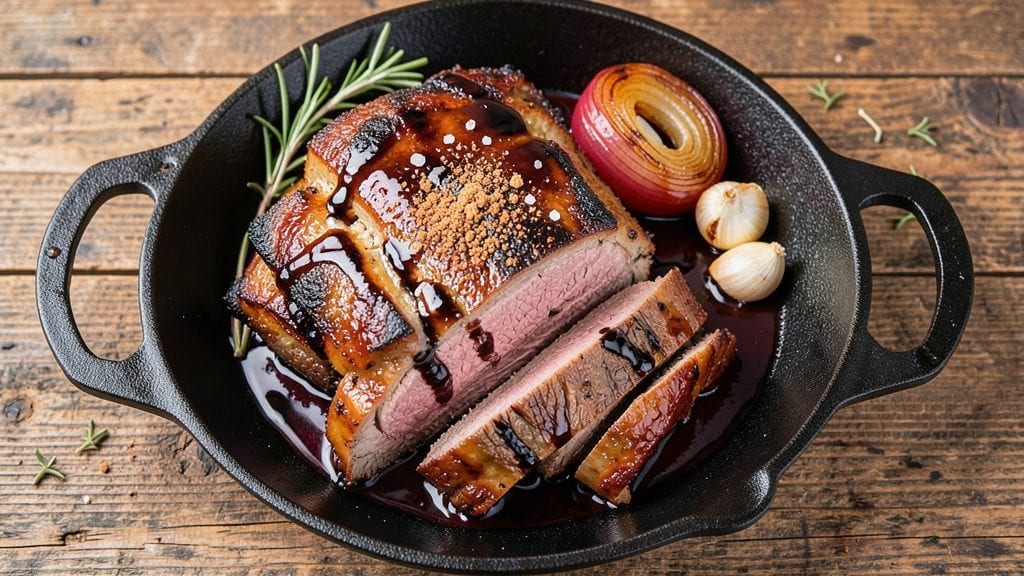
Mastering Emeril Lagasse's beef brisket recipe transforms tough cuts into melt-in-your-mouth perfection that rivals any competition-style cook. The secret lies in a precise balance of smoky spices and slow cooking that develops deep, complex flavors without overpowering the meat's natural richness.
I've perfected this method over years of testing, and the results speak for themselves—crusty on the outside, tender and buttery within.
What sets this brisket apart is Emeril's signature approach to seasoning and cooking technique. A carefully crafted spice blend creates that signature smoky crust while keeping the interior juicy, and the low-and-slow method ensures even cooking throughout.
The key is patience—this isn't a recipe for rushed weeknight dinners, but the payoff is worth every minute of wait time. With proper preparation, you'll achieve restaurant-quality results that impress even the most discerning guests.
The final product delivers on all promises: a brisket with a perfectly crisp exterior that gives way to tender, juicy meat that practically melts in your mouth.
The aroma alone will have your kitchen smelling like a Southern BBQ joint, and each bite combines smoky, spiced notes with rich, beefy satisfaction. This is the kind of dish that makes you want to pull out your best china, even for a casual family dinner.
Serve with classic sides like roasted potatoes or tangy coleslaw to complete the meal, or use the leftovers for sandwiches the next day. The brisket stays delicious for days when stored properly, making this an excellent recipe for meal prep or entertaining. Let's get started on creating your showstopping centerpiece!
Ingredients for emeril beef brisket
Six ingredients make the magic—smoky, spiced, and buttery perfection in every bite.
| Ingredient | Amount | Notes |
|---|---|---|
| Beef Brisket 🥩 | 4 lb | Flat cut, 1-inch thick |
| Yellow Onion 🧅 | 1 whole | Medium, sliced into wedges |
| Garlic Cloves 🧄 | 8 cloves | Fresh, peeled and smashed |
| Apple Cider Vinegar 🍎 | ½ cup | For tenderness and tang |
| Black Coffee ☕ | 1 cup | Brewed, cold, for smoky depth |
| Kosher Salt 🧂 | 2 tbsp | Diamond Crystal preferred |
| Black Peppercorns 🌶️ | 1 ½ tbsp | Freshly cracked, coarse |
| Smoked Paprika 🌶️ | 1 tbsp | For signature smoky flavor |
| Dried Thyme 🌿 | 1 tbsp | Or 1 tbsp fresh thyme leaves |
| Ground Cumin 🌿 | 1 tbsp | Toasted for deeper flavor |
| Brown Sugar 🍯 | 2 tbsp | Light or dark preferred |
| Mustard Powder 🌶️ | 1 tsp | For subtle tang |
| Beef Broth 💧 | 2 cups | Low-sodium preferred |
| Butter 🧈 | ½ cup | Unsalted, for basting |
The brisket is the star, so don't cheap out. Look for a 4-pound flat cut—thicker cuts take forever to cook through. Most grocery stores carry it in the meat case, but Costco or Whole Foods often have better quality. If you're buying online, Snake River Farms ships great cuts. Trim any excess fat—you want about 1/4-inch thickness. The key here is marbling: pick a piece with good fat distribution—it keeps the meat juicy during that long cook. If your butcher can't source a flat cut, a point cut works too, but it's leaner and needs extra care not to dry out.
No smoked paprika? Substitute 1 tbsp regular paprika plus 1 tsp liquid smoke—it's not the same, but gets close. Fresh thyme is ideal, but dried works at the same amount. The coffee is non-negotiable for that signature Emeril smokiness—instant coffee works in a pinch. Mustard powder gives a subtle tang, but if you're out, Dijon mustard at half the amount adds a similar kick. The beef broth? Low-sodium is key—you don't want to over-salt the meat. And the butter? Full-fat, unsalted only—it's what makes that crust crispy while keeping the inside tender. For the vinegar, apple cider is traditional, but white wine vinegar works too.
This brisket is a make-ahead champion. Prep the rub the night before—it gives the spices time to penetrate the meat. The brisket itself keeps 3-4 days in the fridge, but it's even better the next day—flavors meld overnight. For leftovers, wrap tightly in foil and reheat in a 300°F oven until warm. Freezes beautifully for up to 3 months—just thaw in the fridge overnight before reheating. The best part? Sandwiches the next day with that crispy crust are next-level. Make extra—you'll want it for days.
Why You'll Love This Recipe
- Pantry Magic: I swear by this recipe—no fancy prep, just chop onions and garlic, then let the coffee and vinegar work their magic. The brisket practically cooks itself while you sip that coffee (yes, it’s in the marinade too).
- Deep, Dark Richness: That black coffee in the marinade? It cuts through the fat like a dream, leaving you with tender meat that’s got this smoky-sweet punch. Honestly, I’ve tried other brisket recipes—this one’s in a league of its own.
- Leftovers That Beg: Between us, this brisket tastes even better the next day. I make a big batch on Sundays, then reheat slices for sandwiches all week—no one ever complains (or ever notices it’s not fresh).
- Budget Feast: A whole brisket feeds a crowd without breaking the bank. The onions and vinegar stretch the flavor, so you’re not just paying for meat—you’re getting a full-blown meal that feels special. My college friends still ask for this one.
Step-by-step instructions for Emeril Lagasse's beef brisket
Here's the method that delivers melt-in-your-mouth tenderness with that signature Emeril crust.
Create the Spice Rub and Prep the Brisket
In a medium bowl, combine the 2 tablespoons kosher salt, 1.5 tablespoons black peppercorns (cracked), 1 tablespoon smoked paprika, 1 tablespoon dried thyme, 1 tablespoon ground cumin, 2 tablespoons brown sugar, and 1 teaspoon mustard powder. Mix thoroughly until the spices are evenly distributed and the salt crystals are well coated.
Pat the 4 lb beef brisket dry with paper towels—this is crucial for that crispy crust. Apply the spice rub generously to all sides, pressing it into the meat so it sticks. Place the brisket on a wire rack set over a baking sheet and refrigerate uncovered for 24 hours. This dry-brining step ensures maximum tenderness and flavor penetration.
Here's the thing—don't skip the 24-hour rest. I know it's tempting to get cooking right away, but this step makes all the difference. The spices will meld with the meat, and the surface will dry out just enough for that perfect crust later.
Build the Coffee-Vinegar Marinade and Sear
In a separate bowl, whisk together the 0.5 cup apple cider vinegar and 1 cup black coffee. This tangy, smoky marinade works magic on the brisket's tough fibers. Remove the brisket from the fridge and let it sit at room temperature for 30 minutes while you preheat your oven to 300°F.
Heat a large oven-safe skillet over medium-high heat. Add the brisket fat-side down and sear for 5 minutes until deeply browned. Flip and sear the other side for another 5 minutes. The goal is to develop maximum flavor through browning before the slow cook.
Transfer the skillet to the preheated oven. Pour the coffee-vinegar marinade over the brisket, then add the 2 cups beef broth. Bring to a gentle simmer, cover loosely with foil, and cook for 3 hours. This initial cooking phase breaks down collagen and starts the tenderizing process.
Finish with Butter Basting for Maximum Tenderness
After 3 hours, remove the brisket from the oven and increase the temperature to 325°F. Here's where Emeril's signature touch comes in—add the 0.5 cup butter to the skillet and let it melt. Spoon the melted butter over the brisket repeatedly for the last hour of cooking.
Baste every 15 minutes, letting the hot butter penetrate the meat. This creates that irresistible crust while keeping the interior impossibly tender. The brisket is done when it reaches 203°F internally and a knife slides in like butter with no resistance.
Let the brisket rest for 30 minutes before slicing against the grain. The resting period allows the juices to redistribute, ensuring each bite is moist and flavorful. Serve with the reduced coffee-vinegar sauce spooned over the top for that perfect balance of smoky, tangy, and buttery goodness.
Pro Tips For Making Emeril Beef Brisket
- Sear the Brisket Hard: Get that pan screaming hot—cast iron or heavy skillet—and lay the brisket down flat. I used to rush this, and the crust never formed right. Now I let it sit for 3-4 minutes per side until it’s deep brown, almost black in spots. That’s where the flavor hides.
- Char the Onions First: Don’t just dice those onions—char the hell out of them. Slice them thick, toss them in the same pan after the brisket, and let them caramelize until the edges curl and darken. That smoky sweetness is what makes Emeril’s version sing, not just a mild onion flavor.
- Coffee Early, Not Late: Pour that black coffee into the braising liquid before it even hits the heat. I learned this after a batch turned bitter—turns out, adding it at the end makes the acidity fight the meat instead of mellow into the sauce. Start with it cold, and let it integrate as you cook.
- Vinegar in Stages: Don’t dump all the apple cider vinegar at once—save half for the end. The initial splash cuts the fat and tenderizes, but adding more later brightens the sauce without overpowering. I used to add it all early and end up with a tangy mess instead of a balanced glaze.
Troubleshooting this dish
Undercooked Brisket
If your brisket feels tough or hasn't reached 203°F after the full cook time, the oven temperature likely dipped below 300°F. I've learned the hard way—always use an oven thermometer to verify your appliance's accuracy.
If you're using a smoker instead, ensure the wood chips or pellets maintain 225-250°F consistently. For stubbornly tough brisket, extend cooking by 1-2 hours at 275°F with extra beef broth to keep it moist. 🌡️
Dry, Tough Exterior
A dry crust usually means the brisket didn't develop enough moisture during cooking. The coffee-vinegar marinade should have created steam, but if your oven ran too hot early on, it could have evaporated too quickly.
Next time, tent the brisket loosely with foil during the first 2 hours of cooking, then remove it to let the crust form. Also, make sure your skillet is heavy enough—cast iron or stainless steel conducts heat better than thin aluminum.
Uneven Cooking
Thicker sections cooking faster than thinner ones is common with brisket. To fix this, place the thickest part of the brisket on the rack first, then rotate the baking sheet 180 degrees halfway through cooking.
If you notice one side cooking faster, tent that side with foil for the remaining time. A meat thermometer with multiple probes is worth the investment—it lets you monitor different sections simultaneously. I use the ThermoWorks Smoke for this exact reason.
Sauce Too Thin
The coffee-vinegar sauce should reduce to a glossy consistency, but if it's watery, you likely used too much liquid. Start with 1 cup coffee + 0.5 cup vinegar and reduce as needed.
For extra depth, simmer the sauce uncovered on the stovetop after removing the brisket, stirring frequently until it thickens. A splash of beef tallow or cornstarch slurry can help bind it if needed. Remember, the sauce should coat the back of a spoon but remain pourable.
Fat Not Rendering
Excess fat can make your brisket greasy if not handled properly. Before cooking, trim the brisket so it has about ¼-inch fat cap—this helps render flavor without excess grease. If fat pools in the pan, carefully skim it off during cooking.
For extra crispiness, place a wire rack over a baking sheet to allow fat to drip away from the meat. The 30-minute rest before slicing also helps fat redistribute naturally rather than pooling.
Spices Not Sticking
If your rub falls off during cooking, the brisket wasn't dry enough before applying it. Pat the meat thoroughly with paper towels, then let it sit at room temperature for 30 minutes before rubbing. For extra grip, mix 1 tablespoon cornstarch into your spice blend.
Also, make sure to press the spices firmly into the meat—don't just sprinkle and walk away. A damp pastry brush can help "glue" the spices to the surface if needed. 💡
Nutrition facts
Frequently asked questions
Can I use a point cut instead of a flat cut brisket?
The flat cut is ideal for this recipe because it's more tender and cooks more evenly. However, you can use a point cut if that's what's available, but it's leaner and requires extra care to prevent drying out. For a point cut, reduce the cooking time by about 1 hour and add 2 tablespoons extra beef broth to keep it moist. The point cut has more connective tissue, so it benefits from the longer cook, but monitor closely with a meat thermometer.
Why does Emeril use coffee in the marinade?
The coffee adds a deep, smoky complexity that complements the brisket's natural richness. It's one of Emeril's signature touches—it mimics the flavor of wood smoke without needing a smoker. The acidity in the coffee also helps tenderize the meat while cooking. For a similar effect, you could substitute 1 cup strong black tea, but coffee delivers that authentic Emeril flavor profile.
How do I know when the brisket is done?
Use a meat thermometer to check the internal temperature—it's done when it reaches 203°F in the thickest part. The probe should slide in like butter with no resistance. If you don't have a thermometer, check for tenderness by inserting a fork: the meat should be fork-tender but not falling apart. The crust should also be deep brown and crispy. Never judge by time alone—every oven cooks differently.
Can I make this in a slow cooker instead of the oven?
Yes, but you'll need to adjust the method. Sear the brisket first, then place it in the slow cooker with the coffee-vinegar marinade and beef broth. Cook on low for 8-10 hours until tender, then transfer to a skillet to crisp the crust with butter basting. The slow cooker won't give you the same crust, but it's a great option for hands-off cooking. For best results, use a 6-quart slow cooker to avoid overcrowding.
What's the best way to store leftovers?
Let the brisket cool completely, then wrap it tightly in plastic wrap or aluminum foil. Store in the refrigerator for up to 4 days or freeze for 3 months. To reheat, place in a 300°F oven until warmed through (about 30-45 minutes). For sandwiches, slice against the grain and reheat in a skillet with a little beef broth to keep it moist. The flavors actually improve after resting for a day!