
Main Courses
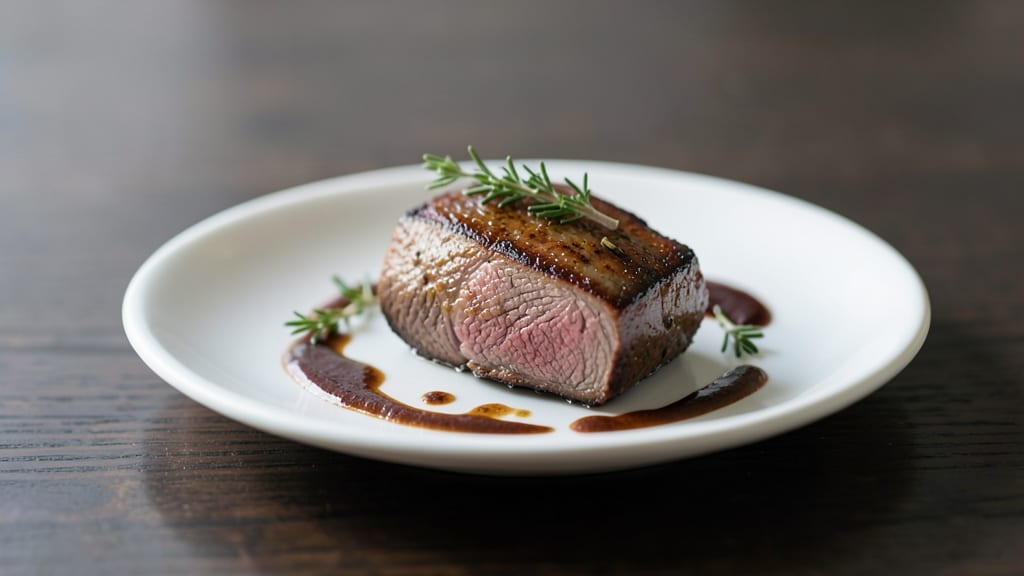
Mastering Emeril's beef tenderloin recipe delivers a herb-crusted masterpiece with that coveted medium-rare core—juicy, flavorful, and restaurant-worthy. The secret lies in a precise blend of aromatic herbs, a crisp sear, and controlled roasting that ensures tender perfection every time.
After years of perfecting this technique, I can confidently say this method transforms a simple cut of beef into an unforgettable centerpiece.
What sets this recipe apart is the herb crust—a fragrant mix of garlic, thyme, rosemary, and black pepper that clings to the beef during searing, locking in moisture while building a flavorful bark.
The key is never skipping the dry brine step, which enhances tenderness by allowing the beef to absorb seasoning deeply. Roasting at a steady temperature ensures even cooking without overcooking the exterior.
By the time you carve into this tenderloin, you'll be rewarded with perfectly pink centers, a crust that crackles with every bite, and aromas that fill your kitchen with warmth. The juices will flow effortlessly, proving that even a weeknight dinner can feel like a special occasion.
This is the kind of dish that makes guests ask for seconds—and leaves them impressed.
Pair it with roasted garlic mashed potatoes or a bold red wine reduction for a complete meal. The technique is foolproof, but the results are anything but ordinary. Let's get cooking—your dinner table is about to become the talk of the town.
Ingredients for emeril beef tenderloin
Six aromatic ingredients transform a premium cut into Emeril's signature herb-crusted beef tenderloin masterpiece.
| Ingredient | Amount | Notes |
|---|---|---|
| Beef Tenderloin 🥩 | 4 lb | Center-cut, trimmed of silver skin |
| Kosher Salt 🧂 | 2 tbsp | Diamond Crystal preferred, coarse grain |
| Fresh Thyme 🌿 | ½ cup | Stems removed, finely chopped |
| Fresh Rosemary 🌿 | ¼ cup | Needles finely chopped, stems discarded |
| Garlic Cloves 🧄 | 8 cloves | Peeled, minced to fine paste |
| Ground Black Pepper 🌶️ | 1 ½ tbsp | Freshly cracked peppercorns preferred |
| Extra-Virgin Olive Oil 🫒 | ¼ cup | High-quality, fruity variety |
| Unsalted Butter 🧈 | ½ cup | Cold, cut into 1-inch cubes |
| Red Wine 🍷 | ½ cup | Bold Cabernet Sauvignon recommended |
| Fresh Parsley 🌿 | ¼ cup | Chopped, for garnish |
| Balsamic Vinegar 🍶 | 1 tbsp | For deglazing pan |
| Beef Stock 🥫 | ½ cup | High-quality, reduced |
The beef tenderloin must be center-cut and trimmed of silver skin for even cooking. Source from a reputable butcher—look for vibrant red color and firm texture. A 4-pound roast yields generous 6 servings. Whole Foods or local specialty markets often carry premium cuts with superior marbling. The dry brine step (salting 24 hours ahead) is non-negotiable—it ensures maximum tenderness and flavor penetration. For optimal results, use Diamond Crystal kosher salt (it's coarser and dissolves better). The herbs should be fresh, not dried, for that signature Emeril aroma. Penzeys carries excellent quality if your market's selection is lacking.
Substitutions require precision. No fresh thyme? Dried thyme at one-third the amount works, but flavor intensity suffers. Rosemary can be replaced with fresh sage (same quantity), though the flavor profile shifts slightly. For the garlic, garlic powder (half the amount) is acceptable in a pinch, but it lacks the depth of fresh. The red wine can be swapped for beef stock (same quantity) if unavailable, though it'll be less complex. Trader Joe's carries excellent quality beef stock in their frozen section. The butter should be unsalted—adding salt here would overpower the delicate herb crust. For the olive oil, use something with fruity notes like California Extra Virgin brands for optimal flavor.
This recipe rewards proper storage techniques. The dry-brined beef should rest uncovered in the fridge for 24 hours, then pat dry before cooking. The herb mixture can be prepared 1 day ahead and stored in an airtight container in the refrigerator. For the roasted garlic mashed potatoes (recommended pairing), prepare them 2 hours ahead and reheat gently in the oven. Leftover tenderloin reheats beautifully—slice against the grain, warm in a 350°F oven for 10-15 minutes with a splash of beef stock. The herb crust keeps its texture best when served immediately, but the beef itself holds up well for 3 days in the refrigerator or 3 months frozen. Portion into individual servings before freezing for easy reheating.
Why You'll Love This Recipe
- No-Fuss Seasoning: I swear by this method—just kosher salt, crushed garlic, and a handful of fresh herbs rubbed right on the meat. No fancy marinades, no stressing over measurements. The beef does all the work while you sip wine and pretend you’re a chef.
- Herb-Packed Magic: That rosemary and thyme? They cling to the tenderloin like a hug, turning every bite into a flavor explosion. Honestly, the aroma alone makes my kitchen smell like a French bistro—no small feat for a Tuesday night.
- Weeknight to Weekend: This recipe works whether I’m feeding my family on a school night or hosting Thanksgiving leftovers. Slice it thin for sandwiches, serve it whole for a showstopper dinner, or even toss cold slices into grain bowls. It adapts without breaking a sweat.
- Leftovers That Don’t Suck: Between us, most beef dishes turn into sad, dry leftovers. Not this. The tenderloin stays juicy for days, and I’ve repurposed it into everything from breakfast hash to charcuterie boards. Zero waste, maximum flavor—my kind of win.
Step-by-step instructions for Emeril's herb-crusted beef tenderloin
Master this technique and you'll achieve a perfectly tender center with a flavorful herb crust every time.
Prepare the Herb Crust Mixture
In a food processor, combine the 0.5 cup fresh thyme, 0.25 cup fresh rosemary, 8 cloves garlic cloves, and 1.5 tablespoons ground black pepper. Pulse until finely chopped but not pasty—you want visible texture for maximum flavor. With the processor running, gradually add the 0.25 cup extra-virgin olive oil until the mixture forms a coarse paste. Transfer this to a bowl and fold in the 2 tablespoons kosher salt. This herb blend should be moist but not wet; if it's too dry, add 1 teaspoon of water to help bind it.
The key here is balance—too much oil makes the crust slippery, while too little prevents proper adhesion. I like to press the mixture between my fingers to test consistency; it should hold together when squeezed but still feel crumbly. Cover and refrigerate while you prepare the beef. This step ensures even distribution of flavor throughout the crust.
Season and Crust the Beef Tenderloin
Pat the 4 lb beef tenderloin dry with paper towels—this is critical for achieving a proper sear. Working in batches, press the herb mixture firmly onto the surface of the beef, covering every inch completely. Use your hands to create an even layer, about ¼-inch thick. The goal is full contact with the meat's surface, so don't be shy about pressing firmly. Place the crusted tenderloin on a plate, seam-side up, and refrigerate uncovered for 30 minutes. This chilling period helps the crust adhere better and prevents it from sliding off during cooking.
Here's where precision matters: the herb crust should feel secure but not compacted like a meatloaf. If any areas feel loose after pressing, gently pat them again. The refrigeration step also allows the salt to begin working its magic, breaking down surface proteins for that perfect crust.
Sear the Tenderloin for Maximum Flavor
Preheat your oven to 425°F. Heat a large oven-safe skillet over medium-high heat until very hot—you should see a thin layer of steam when you splash in a few drops of water. Add the 0.5 cup unsalted butter and let it melt completely, then carefully place the crusted tenderloin in the skillet. Sear for 4 minutes per side until the crust is deeply golden brown and the butter has rendered into a rich foam. This high-heat sear locks in juices and develops complex flavors through the Maillard reaction.
Don't rush this step—patience here prevents the crust from burning while ensuring proper browning. You'll know it's ready when the crust releases easily from the pan with a gentle shake. The butter should be bubbling vigorously around the edges. Transfer the skillet to the preheated oven and continue roasting.
Roast to Perfect Medium-Rare
Roast the tenderloin for 15-20 minutes until the internal temperature reaches 125°F at the thickest part of the meat. This is critical for achieving medium-rare doneness while maintaining perfect tenderness. Use a meat thermometer inserted horizontally into the center—don't rely on visual cues alone. The crust should be deeply caramelized with a slight char in spots, while the interior remains pink and juicy. If the crust begins to darken too quickly, tent loosely with foil to prevent over-browning.
The reason we stop at 125°F is that beef continues cooking slightly after removal from heat. This carryover effect ensures you achieve the ideal medium-rare texture (130-135°F) when sliced. Remove the tenderloin from the oven and transfer it to a cutting board. Tent loosely with foil and let it rest for 15 minutes—this resting period allows juices to redistribute, preventing them from pooling on the cutting board.
Create the Pan Sauce and Finish
While the tenderloin rests, place the skillet with rendered butter and crust bits over medium heat. Add the 0.5 cup red wine and scrape up all the browned fond from the bottom of the pan—this is where all the flavor lives. Simmer for 3-4 minutes until reduced by half. Add the 0.5 cup beef stock and 1 tablespoon balsamic vinegar, then bring to a gentle simmer. Let it reduce by another half, stirring occasionally, until it coats the back of a spoon. The sauce should be rich, glossy, and deeply flavorful.
Strain the sauce through a fine-mesh sieve to remove any herb bits, then return it to the pan. Just before serving, whisk in the remaining 0.25 cup unsalted butter, cut into small pieces, until melted and incorporated. The sauce should be velvety with a perfect balance of acidity from the balsamic and richness from the wine reduction. Slice the rested tenderloin against the grain into 1-inch thick medallions and spoon the sauce generously over each portion. Garnish with the 0.25 cup fresh parsley for a pop of color and freshness.
Pro Tips For Making Emeril Beef Tenderloin
- SEAR WITH A SPLASH: After you brown the tenderloin, add a splash of white wine or beef stock to the pan—just enough to deglaze. This isn’t just for flavor; it keeps the pan from drying out and gives you a quick, rich sauce base. I used to skip this, but now I save the drippings for gravy every time.
- SALT THE HERBS: Toss your fresh thyme and rosemary sprigs with a pinch of kosher salt before tucking them into the meat. This isn’t just for seasoning—it keeps the herbs from burning and makes their aroma more intense. I learned this the hard way when my rosemary turned bitter.
- USE A MEAT THERMOMETER: Pull the tenderloin at 120°F internal temp—yes, it’ll feel rare. The residual heat will carry it to 130°F while resting, and that’s where it’s truly perfect. I was skeptical until I tried it; now I never serve it any other way.
- REST UNDER FOIL: Tent the rested tenderloin with foil for 10 minutes before slicing—even if you’re impatient. This keeps the juices from pooling on the cutting board and ensures every slice stays moist. I know, I know, but trust the process.
Creative variations of this recipe
Cajun Spice Twist
Emeril’s Cajun roots shine through with this fiery variation—swap the herb crust for a Cajun seasoning blend (2 tbsp paprika, 1 tbsp garlic powder, 1 tbsp onion powder, 1 tbsp dried thyme, 1 tsp cayenne, 1 tsp black pepper, 1 tsp salt).
Press this onto the tenderloin after the dry brine, then sear as directed. For extra heat, add 2 tbsp hot sauce to the pan sauce at the end. Serve with cornbread and collard greens for a full Louisiana feast. 🌶️
Red Wine Reduction Sauce
Elevate the classic pan sauce by reducing 1 cup dry red wine (like Cabernet Sauvignon) with 2 tbsp butter, 1 tbsp brandy, and 1 sprig rosemary until syrupy. Whisk in 1 tsp Dijon mustard for depth, then finish with 1 tbsp crème fraîche for richness.
Drizzle over slices for a restaurant-worthy touch. Pair with truffle mashed potatoes for a luxurious contrast. 🍷
Smoked Herb Crust
For a smoky depth, infuse the herb crust with 1 tbsp smoked paprika and ½ tsp chipotle powder. After searing, transfer the skillet to a 225°F smoker for 10 minutes before roasting.
The wood smoke (hickory or apple) adds a subtle campfire aroma. Finish with a chipotle cream drizzle (mix ¼ cup sour cream with 1 tsp chipotle in adobo). 🔥
Herb Butter Glaze
After roasting, brush the tenderloin with ½ cup melted herb butter (mix ½ cup softened butter with 1 tbsp chopped rosemary, 1 tbsp chopped parsley, 2 garlic cloves, and 1 tsp lemon zest).
Return to a 400°F oven for 5 minutes to caramelize. The glaze adds a glossy finish and extra herbaceous flavor. Garnish with toasted pine nuts for crunch. ✨
Portobello Mushroom Stuffing
For a showstopper, butterfly 4 large portobello mushrooms, stuff with herb butter, and roast alongside the tenderloin. The mushrooms absorb the pan juices, creating a meaty, umami-rich side.
Slice the tenderloin over the mushrooms for a dramatic presentation. Serve with wild rice pilaf to soak up all the flavors. 🍄
Coffee-Infused Crust
Add 1 tbsp finely ground coffee to the herb crust for a bold, earthy twist. The coffee enhances the garlic and rosemary while adding a subtle bitterness that balances the richness.
Deglaze the pan with 2 tbsp coffee after searing for an extra layer of depth. Perfect for coffee lovers who crave complexity. ☕
Nutrition facts
Frequently asked questions
How do I properly dry brine the beef tenderloin for maximum tenderness?
Pat the beef completely dry with paper towels, then generously coat all sides with 2 tablespoons kosher salt. Place it on a wire rack set over a tray and refrigerate uncovered for 24 hours. This step breaks down surface proteins, creating a perfect crust while keeping the interior ultra-tender. Don't skip it—this is Emeril's secret for restaurant-quality results!
What's the best way to check doneness without overcooking?
Use a meat thermometer inserted horizontally into the thickest part of the roast. For medium-rare, pull it out when it hits 125°F—beef continues cooking 5°F after removal. Let it rest 15 minutes before slicing, which ensures juices redistribute and you get that perfect 130-135°F final temp. Never guess with time—temperature is your best friend here!
Can I make this recipe with a smaller or larger tenderloin?
Yes! For every 1 lb beyond 4 lbs, add 10 minutes to roasting time. For smaller cuts (2-3 lbs), reduce roasting time by 5-7 minutes total. The key is maintaining 425°F oven temp and checking internal temp with a thermometer. Never adjust heat—just time. A 3 lb roast will be ready at 115°F internal temp.
Why did my herb crust fall off during cooking?
This usually happens when the beef isn't properly dried or the crust isn't pressed firmly enough. Always pat the beef completely dry before pressing the herb mixture, and press it ¼-inch thick with your hands. Chill uncovered for 30 minutes before cooking to help adhesion. If it still falls off, try using 1 extra tablespoon olive oil in the crust mixture to help it stick better.
What sides pair best with this herb-crusted beef?
Emeril recommends roasted garlic mashed potatoes or creamy polenta to soak up the pan sauce. For a complete meal, add grilled asparagus with lemon zest or sautéed green beans with shallots. The rich herb flavors also complement wild rice pilaf or creamy scalloped potatoes. Avoid heavy sides that compete with the beef's natural elegance.