
Main Courses
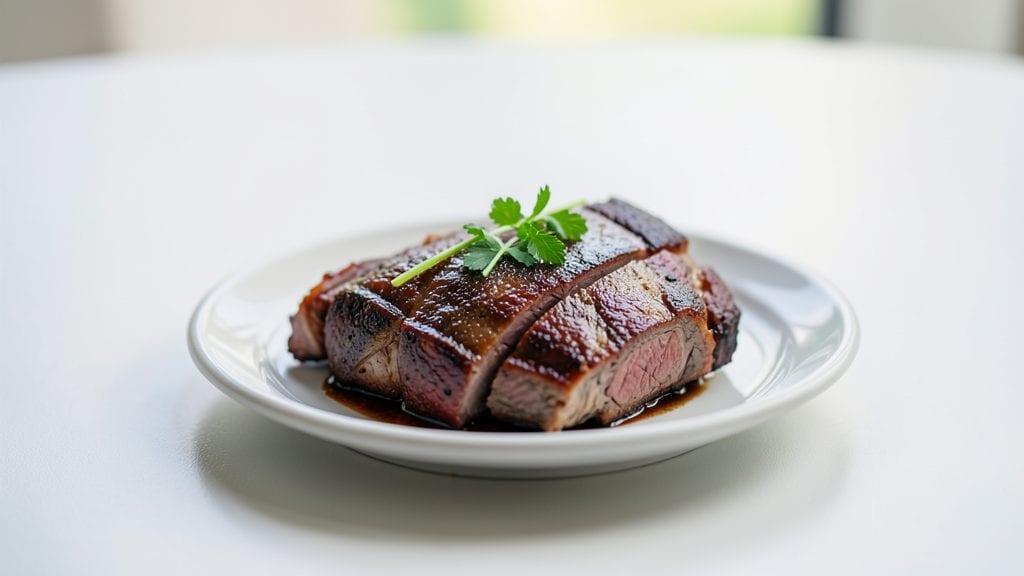
English cut beef short ribs transform tough cuts into melt-in-your-mouth perfection through a two-stage cooking process that builds rich, caramelized depth. This recipe delivers restaurant-quality results with a dry-heat sear that locks in juices, followed by a slow braise that tenderizes the meat while developing a velvety sauce.
The key lies in patience—allowing the ribs to break down over hours rather than minutes, creating that signature fall-apart texture that makes every bite worth the wait.
What sets this method apart is the balance between tradition and modern convenience. While traditional braising requires an oven, I’ve included a pressure cooker adaptation that cuts cooking time by nearly half without sacrificing flavor.
The ribs develop a deep, umami-rich crust from the slow reduction of aromatics, while the meat inside becomes so tender it practically dissolves. This isn’t just a dish—it’s a technique that elevates simple ingredients into something extraordinary.
By the time you plate these ribs, you’ll have a dish that’s visually stunning—deep amber sauce clinging to caramelized bones—and unforgettable in texture.
The sauce, reduced from red wine and beef stock, carries layers of flavor that pair perfectly with classic sides like creamy mashed potatoes or roasted root vegetables. The result? A meal that feels like a celebration, even on a weeknight.
Whether you’re hosting a dinner party or simply craving a comforting meal, these ribs deliver restaurant-quality satisfaction with minimal effort. The secret? Precision in timing, attention to temperature control, and a willingness to let the ribs work their magic.
Let’s get started on a dish that will become your new go-to centerpiece.
Ingredients for english cut beef short ribs
Simple ingredients that transform into melt-in-your-mouth ribs through slow braising magic.
| Ingredient | Amount | Notes |
|---|---|---|
| English Cut Beef Short Ribs 🥩 | 3 lb | Bone-in, 1.5-2 inches thick |
| All-Purpose Flour 🌾 | ½ cup | For dredging ribs |
| Kosher Salt 🧂 | 2 tbsp | Diamond Crystal preferred |
| Black Peppercorns 🌶️ | 1 tbsp | Freshly cracked |
| Extra-Virgin Olive Oil 🫒 | ¼ cup | High-quality, fruity |
| Yellow Onion 🧅 | 1 whole | Chopped, medium size |
| Garlic Cloves 🧄 | 6 cloves | Peeled, smashed |
| Carrots 🥕 | 2 whole | Chopped into chunks |
| Celery Stalks 🌿 | 3 stalks | Chopped, with leaves |
| Fresh Thyme 🌿 | ¼ cup | Leaves only, chopped |
| Fresh Rosemary 🌿 | ⅛ cup | Leaves only, chopped |
| Dry Red Wine 🍷 | 1 cup | Bold, like Cabernet Sauvignon |
| Beef Stock 🥛 | 2 cups | Homemade or high-quality |
| Tomato Paste 🍅 | 2 tbsp | Smooth, not chunky |
| Balsamic Vinegar 🍶 | 1 tbsp | For depth of flavor |
The beef is everything here—English cut short ribs have that perfect balance of meat and bone for rich flavor. Look for cuts with a good amount of marbling; Costco or Whole Foods often carry them pre-cut, but if you're buying a whole packer, ask the butcher to trim them to about 1.5-2 inches thick. The thicker they are, the more they'll break down during braising. Pat them dry before seasoning—this helps the crust form better during the sear. And trust me, don't skip the bone-in version—those bones infuse the sauce with incredible depth.
No red wine? Substitute beef stock with a splash of balsamic vinegar—it mimics the acidity and depth. Fresh thyme and rosemary are ideal, but dried works at one-third the amount if you're in a pinch. The tomato paste can be swapped for crushed tomatoes (2 tbsp instead of 2 tbsp paste), though it'll be slightly less concentrated. For the aromatics, frozen chopped onions and celery work fine—just thaw and drain them first. And if you're using a pressure cooker, you can skip the initial sear and just add the ribs raw to the pot (though I still recommend searing for that perfect crust).
This sauce gets better with time, so make it a day ahead if you can. Store the ribs and sauce separately in airtight containers—they'll keep for 4-5 days in the fridge. The sauce can also be frozen for up to 3 months, though it'll thicken slightly when reheated. For leftovers, reheat gently on the stove with a splash of water or stock to loosen the sauce. And if you're prepping ahead, par-cook the ribs (just the braising part) and finish them later—great for meal prep.
Why You'll Love This Recipe
- Five-Ingredient Magic: I swear by this recipe—just ribs, flour, salt, pepper, and olive oil. That’s it. No fancy marinades or hours of prep; the flour crust does all the heavy lifting while you sip your wine and pretend you’re a chef.
- Crispy-Creamy Obsession: The flour coating turns golden and shatteringly crisp, while the inside stays so tender it practically melts. Honestly, I’ve tried every short rib method, but this balance? It’s the one I keep coming back to.
- Weeknight to Dinner Party: Between us, these ribs work for everything—a lazy Tuesday night with takeout fries or a Sunday spread with roasted veggies. Double the batch, and you’ve got leftovers that taste better the next day (yes, really).
- Budget-Friendly Feast: English-cut ribs are cheaper than bone-in, but they deliver the same rich, beefy punch. A single pan, minimal cleanup, and enough meat to feed four (or two very hungry people). My wallet and my family thank me every time.
Step-by-step instructions for slow-braised beef short ribs
Here's how to transform tough beef short ribs into melt-in-your-mouth perfection through slow braising.
Season and Sear the Short Ribs
Pat the 3 lb English Cut Beef Short Ribs dry with paper towels—this ensures maximum browning. In a small bowl, combine the 0.5 cup All-Purpose Flour, 2 tbsp Kosher Salt, and 1 tbsp freshly cracked Black Peppercorns. Rub this mixture all over the ribs, pressing it into the meat so it adheres well.
Heat the 0.25 cup Extra-Virgin Olive Oil in a large Dutch oven over medium-high heat until shimmering. Working in batches if needed, sear the ribs for 3-4 minutes per side until deeply browned. Don't crowd the pan—this prevents steam from forming and keeps the temperature high. Transfer the seared ribs to a plate and set aside.
Build the Flavor Base
In the same Dutch oven, add the chopped 1 whole Yellow Onion, 6 cloves smashed Garlic Cloves, 2 whole Carrots chopped into chunks, and 3 stalks Celery Stalks chopped with leaves. Cook for 5 minutes until the vegetables begin to soften and release their aromatics. Here's the thing—this step develops the foundational flavors that will infuse the ribs during braising.
Stir in the 0.25 cup chopped Fresh Thyme and 0.125 cup chopped Fresh Rosemary, cooking for another 30 seconds until fragrant. Add the 2 tbsp Tomato Paste and cook for 1 minute, stirring constantly, until it darkens slightly and releases its rich, umami depth.
Deglaze and Braise
Pour in the 1 cup Dry Red Wine, scraping up any browned bits from the bottom of the pot with a wooden spoon. This deglazing step captures all the concentrated flavors you've built. Let the wine simmer for 3-4 minutes until reduced by half, then add the 2 cups Beef Stock and 1 tbsp Balsamic Vinegar.
Return the seared ribs to the Dutch oven, bone-side down. Bring the liquid to a gentle simmer—you should see small bubbles breaking the surface but no vigorous boiling. Here's where patience pays off: cover the pot and transfer it to a preheated 325°F oven. Braise for 2.5 to 3 hours until the ribs are fork-tender and the meat pulls away from the bone easily.
Rest and Serve
Remove the ribs from the oven and let them rest in the braising liquid for 15 minutes. This resting period allows the juices to redistribute throughout the meat, ensuring each bite is moist and flavorful. The ribs should be so tender that a fork slides through them like butter.
Using tongs, transfer the ribs to a serving platter and ladle the rich braising liquid over the top. Serve immediately with the tender vegetables from the pot. The sauce should coat the back of a spoon with a velvety texture, carrying layers of wine, stock, and herb-infused beef flavors in every bite.
Pro Tips For Making English Cut Beef Short Ribs
- PAT THE DRY: English cut ribs have a bone-in, fatty surface that needs to actually dry before flour sticks. After patting with paper towels, let them sit uncovered on a rack for 10 minutes—yes, even if you’re staring at the clock. I used to rush this and ended up with a sad, uneven crust.
- SEAR IN BATCHES: Crowd the pan, and you’ll steam the meat instead of sear it. Work in two batches over medium-high heat, giving each rib 3-4 minutes per side until deep brown. The first batch will tell you if your heat’s right—if it’s not sizzling aggressively, wait for the pan to recover.
- SALT THE FLOUR: Mix 1 tablespoon kosher salt into the flour before dredging—this locks in flavor and prevents clumping. I learned this the hard way when my ribs tasted bland because the seasoning only stuck to the outside. (Pro move: Add cracked black pepper too.)
- REST UNDER FOIL: After roasting, tent the ribs with foil and let them rest 5-10 minutes. This keeps them from drying out while you finish the sauce, and the residual steam makes them fork-tender. I know, I know—you want to cut right away—but resist. The meat will thank you.
Troubleshooting this recipe
Ribs Too Tough?
If your ribs aren’t tender after braising, your oven temperature might be too high. I’ve seen this happen when ovens run hot—use an oven thermometer to verify it’s actually at 325°F.
Also, check your cooking time: 3 hours minimum for 1.5-2 inch thick English cut ribs. If they’re still firm, extend braising by 30-60 minutes and check again. 🌡️
Sauce Too Thin?
A watery sauce usually means too much liquid was added. Start with 2 cups beef stock and reduce uncovered on the stovetop for 10-15 minutes after braising. For extra thickness, mix 1 tbsp cornstarch with 2 tbsp cold water, stir into the sauce, and simmer until it gels.
I’ve also had success with 1 tsp xanthan gum for a silky finish.
Ribs Dry or Stringy?
Overcooking is the culprit here. Once the ribs reach 205°F internal temperature, they’re done—no need to go higher. If you’re using a meat thermometer, insert it into the thickest part of the meat, avoiding bone contact.
Also, resist the urge to lift the lid during braising—every time you do, you lose 15-20 minutes of cooking time.
Uneven Browning?
For spotty browning, your sear might have been too gentle. Use a heavy-bottomed Dutch oven (like All-Clad or Le Creuset) and heat it until it’s smoking hot before adding oil.
Work in batches if needed—crowding the pan steams the ribs instead of searing them. A cast-iron skillet works too, but Dutch ovens distribute heat better for braising.
Ribs Falling Apart?
This usually means they were over-braised or the meat was too lean. Look for cuts with visible marbling—fat keeps the meat moist. If your ribs are falling apart before they’re tender, reduce braising time by 30 minutes and check earlier.
Also, avoid overcrowding the pot during braising—give them space to cook evenly.
Sauce Too Bland?
Flavor fades when braising liquid isn’t reduced enough. After removing ribs, simmer the sauce uncovered on the stovetop for 10-15 minutes to thicken and intensify flavors. For extra depth, add 1 tsp fish sauce or ½ tsp smoked paprika at the end.
A splash of red wine reduction also elevates the sauce dramatically. 💫
Nutrition facts
Frequently asked questions
What makes English cut beef short ribs different from other rib cuts?
English cut ribs come from the rib section but are trimmed to include only the meaty portion between the bones, creating a rectangular cut. Unlike traditional beef short ribs (which include the bone), these are more like a thick steak with connective tissue that needs slow cooking. The result is a tender, meaty bite without the bone, perfect for braising or grilling.
Can I use a pressure cooker to speed up the cooking time?
For a pressure cooker, sear the ribs first, then add them to the pot with all aromatics and liquids. Cook on high pressure for 45 minutes (or low pressure for 1.5 hours). The ribs will be just as tender, but with half the time. Just remember to let the pressure release naturally for the first 10 minutes to avoid tough meat.
How do I know when the ribs are fully tender?
Ribs are done when they reach an internal temperature of 205°F and the meat easily pulls away from the bone with a fork. For extra accuracy, use a meat thermometer inserted into the thickest part of the meat (avoid bone contact). If they’re still firm after 3 hours at 325°F, extend cooking by 30 minutes—patience is key!
What’s the best way to reheat leftovers?
Reheat ribs gently in the oven at 300°F for 15-20 minutes or on the stovetop in the braising liquid over low heat for 10 minutes. Avoid microwaving—they’ll dry out. For the sauce, warm it separately and stir in a splash of water or stock to loosen it. Leftovers keep well in the fridge for 4-5 days or frozen for 3 months.
Can I substitute bone-in beef short ribs for this recipe?
Yes, but adjust the cooking time! Bone-in ribs will take 10-15 minutes longer to tenderize. The bones add incredible depth to the sauce, so if you love that flavor, go for it. Just check for doneness at 210°F internal temp (the bone helps retain moisture longer). For quicker results, trim excess fat to speed up cooking.