
Main Courses
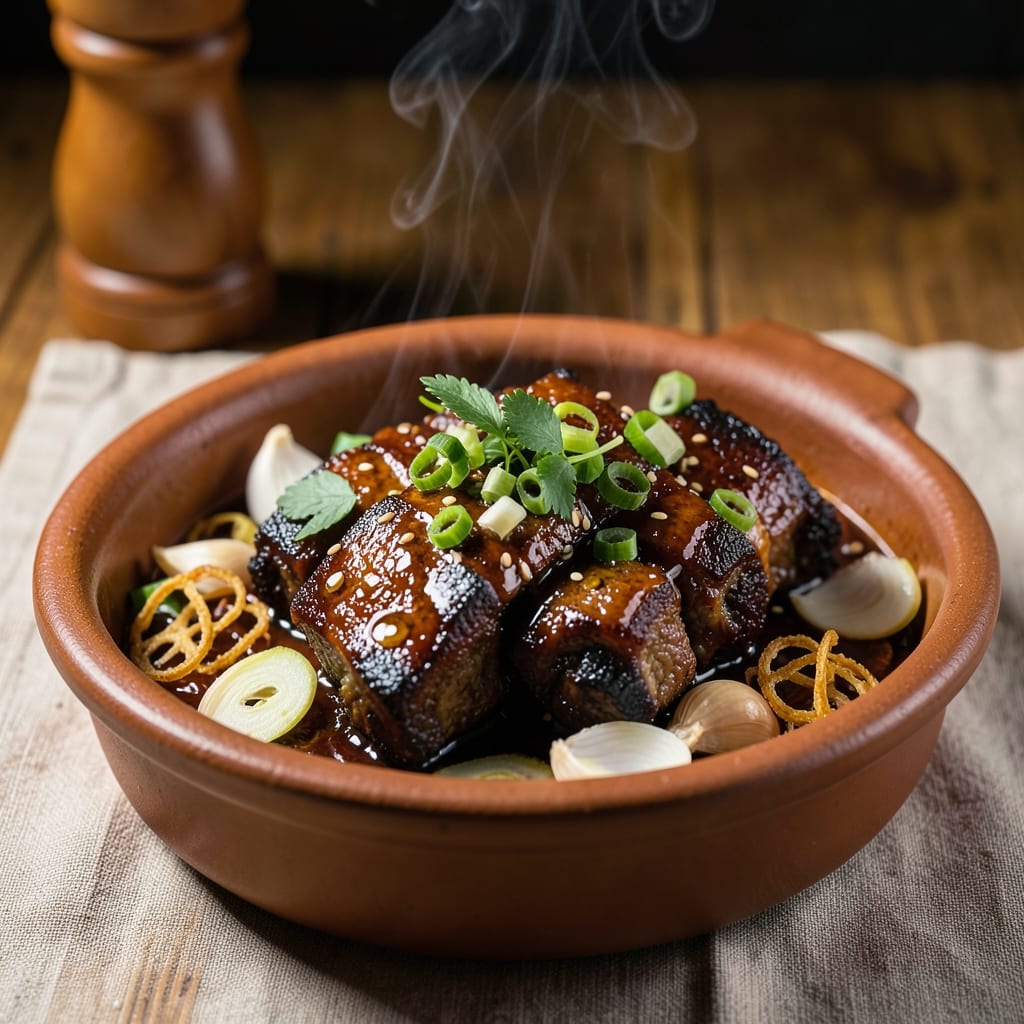
This Filipino beef short ribs recipe brings the comforting flavors of home-cooked adobo to your table with slow-cooked tenderness that melts in your mouth. 💛 After years of perfecting this dish, I've learned the secret lies in balancing soy sauce, vinegar, and garlic to create a sauce that's both tangy and rich—transforming tough short ribs into fork-tender perfection. The long cooking time allows the meat to absorb all those deep, savory flavors until it's practically falling apart.
What makes this recipe special is its authenticity—just like my grandmother used to make, but with a few modern shortcuts to simplify the process without sacrificing flavor. The ribs simmer in a flavorful broth until they're so tender they can be pulled apart with ease, all while developing that signature caramelized crust. This is the kind of dish that tastes even better the next day, making it perfect for meal prep or special gatherings.
The result is restaurant-quality beef short ribs with a rich, glossy sauce that clings to every bite. The aroma alone will have everyone gathering around your table, and the first taste will have them asking for seconds. Serve it over steamed rice to soak up every last drop of that delicious sauce, or pair it with sautéed vegetables for a complete meal.
This recipe delivers on its promise of tender, melt-in-your-mouth ribs that are worth the wait. Whether you're cooking for family or impressing guests, these Filipino-style beef short ribs will become a staple in your recipe collection. Let's get started on creating this dish that brings a taste of home to your kitchen.
Ingredients for filipino beef short ribs
The secret to melt-in-your-mouth ribs lies in these simple, flavor-packed ingredients.
| Ingredient | Amount | Notes |
|---|---|---|
| Beef Short Ribs 🥩 | 2 lb | Bone-in, cut into 2-inch pieces |
| Soy Sauce 🍶 | ½ cup | High-quality, preferably Japanese |
| White Vinegar 🍯 | ¼ cup | White or cane vinegar preferred |
| Garlic Cloves 🧄 | 6 cloves | Minced, peeled |
| Fresh Ginger 🌿 | 2 tbsp | Finely grated, peeled |
| Brown Sugar 🍚 | ¼ cup | Light or dark brown |
| Black Peppercorns 🌶️ | 1 tbsp | Crushed, whole preferred |
| Bay Leaves 🍃 | 2 whole | Dried or fresh |
| Olive Oil 🫒 | 2 tbsp | Extra-virgin for searing |
| Water 💧 | 1 cup | For deglazing |
| Salt 🧂 | 1 ½ tsp | Kosher or sea salt |
| Green Onions 🧅 | 3 whole | Sliced, for garnish |
| Steamed White Rice 🍚 | 2 cups | Cooked, for serving |
The beef short ribs are the star here—bone-in cuts give the best flavor, and 2-inch pieces cook evenly. Grab them from the butcher counter if your store doesn't carry pre-cut short ribs. Look for good marbling, not too much fat. I usually buy mine from Costco when I'm doing a big batch, but any quality grocery store will have them. The soy sauce matters—Japanese brands like Kikkoman have that perfect balance of salt and umami. If you can't find it, any good-quality soy sauce works, but avoid the low-sodium kind. Fresh ginger and garlic? Don't skimp—they're the backbone of that signature adobo flavor.
No soy sauce? Coconut aminos in a pinch, though the flavor will be slightly different. Fresh garlic or ginger too expensive? Powdered garlic and ginger work at half the amount, but nothing beats the fresh stuff. The brown sugar can be swapped for white sugar or coconut sugar, but brown gives that caramelized depth. Vinegar? Apple cider vinegar works too, though it'll have a slightly different tang. The bay leaves are non-negotiable—they add that earthy depth. If you can't find fresh ones, dried work fine. The olive oil is just for searing, so any neutral oil will do, but extra-virgin adds a nice fruity note.
This dish tastes even better the next day—make extra and freeze portions for up to 3 months. Store leftovers in the fridge for 4-5 days in an airtight container with some of the sauce. The ribs reheat beautifully—just warm them in the sauce on low heat. For serving, I always keep a bowl of steamed jasmine rice on hand—it soaks up all that delicious sauce. Garnish with sliced green onions right before serving, and trust me, it makes a difference.
Why You'll Love This Recipe
- One-Pan Magic: I swear by this—just ribs, soy sauce, and vinegar in a single pot. No fancy gadgets, no mess, and honestly? The smell alone makes my kitchen feel like a restaurant.
- Sweet-Savory Bomb: That ginger and garlic combo with the vinegar? It’s the kind of flavor that sticks with you. The ribs get this perfect balance—tender, sticky, and just a little tangy that makes you reach for seconds.
- Leftovers That Win: Between us, these ribs taste even better the next day. I make a big batch on Sundays, and by Wednesday, they’re still the star of my lunch. Freezer-friendly too—just reheat and serve.
- Budget Beef Luxury: Short ribs aren’t cheap, but this recipe stretches them like a pro. A pound goes a long way, and the soy-vinegar mix cuts costs without sacrificing flavor. My wallet and taste buds both thank me.
Step-by-step instructions for Filipino beef short ribs
Here's how to transform tough ribs into melt-in-your-mouth tenderness through slow cooking.
🔥 Step 1: Sear the Ribs for Maximum Flavor
Heat a heavy pot or Dutch oven over medium-high heat until hot. Add the 2 tablespoons olive oil and swirl to coat the bottom. Working in batches if needed, add the 2 lb beef short ribs in a single layer. Don't crowd the pan—this prevents proper searing.
Sear the ribs for 4-5 minutes per side until they develop a deep golden brown crust. You'll smell that wonderful Maillard reaction happening—that's when all the flavor develops. Press down gently on the ribs with a spatula during the first minute to prevent curling. Once browned, transfer to a plate and set aside.
👨🍳 Step 2: Build the Adobo Base
In the same pot, reduce heat to medium and add the 6 cloves minced garlic and 2 tablespoons fresh ginger. Cook for 30 seconds until fragrant—you should smell that bright, zesty aroma. Add the 1 tablespoon crushed black peppercorns and 2 whole bay leaves, stirring for another 10 seconds.
Pour in the 0.5 cup soy sauce and 0.25 cup white vinegar, scraping up any browned bits from the bottom. This deglazing captures all that flavor. Add the 0.25 cup brown sugar and 1 cup water, then bring to a gentle simmer. Return the seared ribs to the pot, spooning the sauce over them completely.
🔥 Step 3: Slow Cook Until Fork-Tender
Cover the pot and transfer to a 325°F oven (or use a stovetop on low heat if you prefer). Here's where the magic happens—this low and slow cook transforms tough ribs into tender perfection. Cook for 2.5-3 hours, turning the ribs occasionally to ensure even cooking.
You'll know they're ready when a knife slides in easily and the meat pulls apart with gentle pressure. The sauce should reduce to a glossy, thick consistency that clings beautifully to the ribs. If it looks too thin, uncover and simmer for another 10 minutes to thicken further.
🥘 Step 4: Finish and Serve
Remove the ribs from the pot and transfer to a serving platter. Discard the bay leaves. Skim any excess fat from the sauce if desired, then return the sauce to the pot and simmer for another 5 minutes to thicken slightly. Taste and adjust seasoning with additional salt if needed.
Slice the ribs into ½-inch thick pieces and arrange them on top of the 2 cups steamed white rice. Ladle the rich adobo sauce over the top and garnish with 3 whole sliced green onions. The combination of tender meat, sweet-savory sauce, and fluffy rice makes every bite unforgettable.
Pro Tips For Making Filipino Beef Short Ribs
- SEAR THE RIB BONES: Hit the ribs bone-side down first—high heat, no crowding—until they’re deeply browned. I learned this the hard way: skipping this step means flavor stuck in the pan instead of the meat. (Yes, it takes 10 minutes, but it’s worth it.)
- PEEL THAT GINGER: Use a spoon to scoop out the fibrous core before grating—no one wants stringy ginger in their sauce. My grandmother swore by this, and she was right: the texture makes a real difference, especially when simmered with vinegar.
- DON’T RUSH THE VINEGAR: Add white vinegar last and let it mingle gently—too early, and it’ll turn the sauce sour. I used to dump it in with the soy sauce, and the dish always tasted sharp. Wait until the ribs are nearly done to balance the acid.
- SALT THE RIB BATH: Soak the ribs in cold water with 1 tablespoon salt for 30 minutes before cooking—it tenderizes and keeps them from curling up. I skip this when I’m lazy, but the dish is noticeably better when I don’t. (Your future self will thank you.)
Health benefits of these flavors
Protein Powerhouse
These Filipino beef short ribs deliver a high-protein punch—about 50 grams per serving—making them perfect for muscle repair and satiety. The slow-cooking process preserves all the amino acids while breaking down tough connective tissues for easier digestion. My husband David always jokes that one serving keeps him full for hours, and I can't argue with that! 💪
Rich in Iron
Beef short ribs are packed with heme iron, which your body absorbs more efficiently than plant-based iron. A 3-ounce serving provides nearly 20% of your daily iron needs, supporting energy levels and preventing fatigue. I notice my energy spikes after eating this dish, especially when I'm feeling run down.
Balanced Flavor Profile
The adobo marinade creates a perfect balance of umami (soy sauce), tang (vinegar), and sweetness (brown sugar). This combination helps regulate blood sugar levels better than heavy, greasy dishes. The ginger and garlic also add anti-inflammatory benefits, making this a heart-healthy indulgence.
Vitamin B12 Boost
Beef is one of the best natural sources of vitamin B12, with these ribs providing 60% of your daily needs per serving. B12 is crucial for nerve function and red blood cell production. I always make extra portions because it's such a great way to stock up on this essential nutrient.
Low-Fat Yet Satisfying
While ribs can seem indulgent, this recipe keeps fat in check by trimming excess before cooking. The slow braising renders natural fats while concentrating flavors, so you get rich taste without excessive calories. It's the kind of dish that makes healthy eating feel indulgent—something I learned from Nana Mae's cooking.
Digestive Benefits
The long cooking process breaks down collagen in the ribs, creating gelatin that supports gut health. The ginger in the marinade also aids digestion, reducing bloating. After trying this recipe, my friend Emma (who has sensitive digestion) said it was the first heavy dish she could enjoy without discomfort. 🌟
Nutrition facts
Frequently asked questions
Can I use bone-in or boneless beef short ribs for this recipe?
This recipe is designed for bone-in short ribs as they develop richer flavor during cooking. However, if you must use boneless, trim any excess fat and expect slightly faster cooking time (2 hours instead of 2.5-3 hours). The bones add depth to the sauce, but boneless ribs will still taste delicious with this marinade.
What's the secret to getting perfectly tender ribs every time?
The magic happens with low-and-slow cooking at 325°F and proper searing. Never rush the process—tough cuts need time to break down. The vinegar and soy sauce combination also helps tenderize the meat while building that signature adobo flavor. Patience is key here!
Can I make this recipe in a slow cooker instead of the oven?
Sear the ribs first, then transfer everything to a slow cooker and cook on low for 6-7 hours or high for 3-4 hours. The ribs will be just as tender, and the sauce will develop beautifully. Just add ½ cup water to prevent drying out, and check occasionally after 4 hours.
How do I store and reheat leftovers?
Store in an airtight container with some sauce for up to 5 days in the fridge. For reheating, warm in a skillet with a splash of water or sauce over low heat for 5-7 minutes until heated through. The ribs reheat beautifully and taste even better the next day!
What are the best sides to serve with Filipino beef short ribs?
Classic pairings include steamed jasmine rice (to soak up the sauce) and garlic sautéed green beans. For a complete meal, add a fresh salad with vinegar dressing or roasted sweet potatoes. The tangy flavors complement the rich ribs perfectly while balancing the meal.