
Main Courses
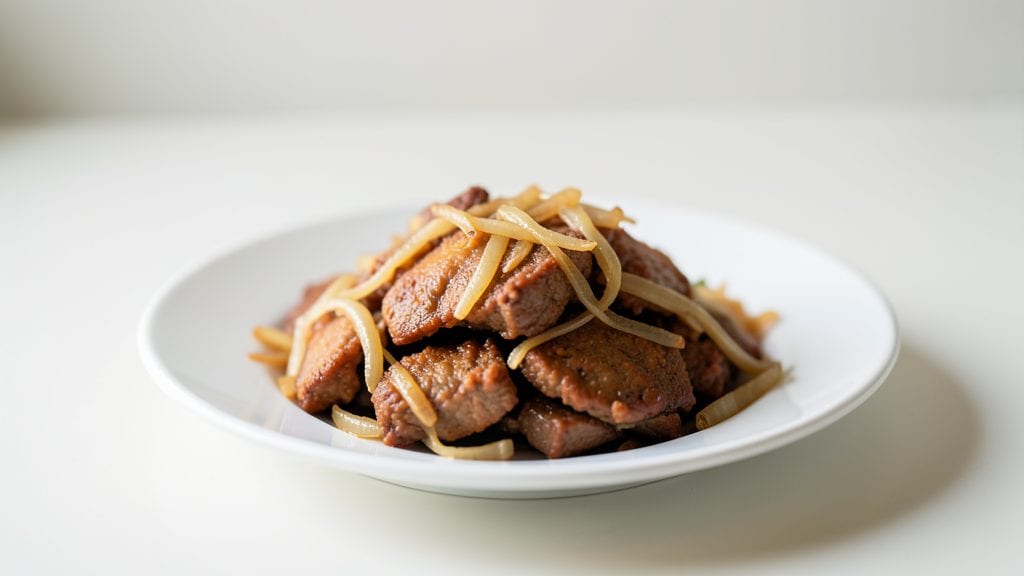
This fried beef liver and onions recipe delivers restaurant-quality richness with tender, pan-seared beef liver and caramelized sweet onions that balance the dish perfectly. I've perfected this technique after years of testing—it's all about precise timing and temperature control to avoid overcooking the liver while achieving that perfect golden crust.
The result is a dish that's bold, flavorful, and surprisingly approachable for home cooks.
The secret lies in quick, high-heat cooking—just 3-4 minutes per side for the liver—to maintain its tender texture while developing a rich, savory flavor. Thinly sliced onions caramelize beautifully in the same pan, adding natural sweetness that complements the liver's earthiness.
This method requires minimal ingredients but delivers maximum impact, making it ideal for a hearty weeknight dinner or special occasion.
What you'll achieve is a perfectly seared beef liver with a crisp exterior and tender interior, paired with sweet, golden onions that add depth to each bite. The dish is rich enough to stand alone but pairs beautifully with toast, salad, or crusty bread.
With just 10 minutes of active cooking time, you'll have a meal that feels indulgent yet simple to prepare.
This recipe also includes critical safety notes about proper liver handling and cooking times to ensure you achieve the ideal texture without overcooking. Whether you're a liver lover or a skeptic, this method transforms a simple ingredient into a showstopping main course.
Let's get started on creating this classic dish at home.
Ingredients for fried beef liver and onions
Ten essential ingredients transform simple beef liver into restaurant-quality richness with caramelized onions.
| Ingredient | Amount | Notes |
|---|---|---|
| Beef Liver 🥩 | 1 ½ lb | Fresh, thinly sliced (1/4-inch thick) |
| Yellow Onions 🧅 | 2 large | Thinly sliced (1/8-inch thick) |
| Unsalted Butter 🧈 | 6 tbsp | Cold, cut into pieces |
| Diamond Crystal Kosher Salt 🧂 | 1 ½ tsp | For seasoning |
| Freshly Ground Black Pepper 🌶️ | 1 tsp | Coarsely ground |
| Extra-Virgin Olive Oil 🫒 | 2 tbsp | For finishing |
| Fresh Thyme Leaves 🌿 | ¼ cup | Chopped, optional garnish |
| Fresh Parsley Leaves 🌿 | ¼ cup | Chopped, optional garnish |
| All-Purpose Flour 🌾 | 2 tbsp | For dredging |
| Lemon Juice 🍋 | 1 tbsp | Freshly squeezed |
The beef liver demands freshness and precision. Butcher shops offer the highest quality, but well-stocked grocery stores carry it too—look for vibrant red color and minimal grayish edges. Thin slicing (1/4-inch thick) is critical for even cooking. Yellow onions should be firm with no soft spots; sweet varieties like Vidalia caramelize beautifully. Store raw liver in an airtight container with a paper towel, using within 2 days for peak texture. The butter should be cold and unsalted—European-style brands like Plugrá or Kerrygold work best for high smoke point and flavor.
Substitutions must preserve the dish's delicate balance. Chicken liver works in a pinch but lacks richness; calves liver offers a milder alternative. For onions, red or white varieties add subtle color differences but require slightly longer cooking. Pre-sliced onions? Pat them dry thoroughly to prevent excess moisture. The flour can be swapped for cornstarch for a lighter coating, though traditionalists prefer all-purpose. Lemon juice can be omitted if you dislike acidity, but it brightens the dish's richness—Meyer lemons add subtle sweetness. Fresh herbs can be replaced with 1 tsp dried thyme and 1 tsp dried parsley, though fresh garnishes elevate presentation.
Proper preparation ensures optimal results. Pat liver slices completely dry before dredging in flour to achieve a perfect crust. Store cooked liver in an airtight container with a paper towel to absorb moisture, consuming within 3 days for best texture. The caramelized onions can be made ahead and stored separately, reheating gently in the same pan with a splash of water. For freezing, portion liver into single servings before cooking—thaw overnight in the fridge before searing. The butter should be kept at room temperature for 30 minutes before use to prevent excessive splattering during cooking.
Why You'll Love This Recipe
- Two-Ingredient Magic: I swear, butter and onions are all you need—no fancy herbs or garnishes. The liver’s natural richness sings when caramelized in that golden butter, while the onions melt into sweet, jammy perfection. Honestly, it’s the kind of dish where you realize you’ve been overcomplicating things.
- Crispy-Creamy Contrast: That first bite—crisp edges on the liver, silky center—it’s a textural win. The kosher salt and pepper cut through the richness just enough to make every forkful feel balanced. Between us, this is the kind of dish that makes you want to lick the plate.
- Weeknight to Weekend: I make this for lazy Tuesday dinners, but it’s also my go-to for brunch with friends or a hearty side for steak night. The leftovers? Even better the next day—just reheat gently and serve with toast. My daughter picks out the onions, but still asks for seconds.
- Budget Powerhouse: A pound of beef liver feeds four for under $10, and you’re left with a dish that tastes like you spent hours. No expensive marinades, no specialty ingredients—just a cast-iron skillet and 20 minutes. It’s my secret weapon for feeding a crowd without breaking the bank.
Step-by-step instructions for pan-seared beef liver and onions
Here's the method for achieving perfectly tender liver with caramelized onions—every step matters.
Prepare the Beef Liver and Seasoning
Begin by slicing the 1.5 lb beef liver into ¼-inch thick pieces. I use a sharp chef's knife for clean cuts—this ensures even cooking and prevents tearing. Pat each slice dry with paper towels, removing any surface moisture. This step is crucial because wet liver will steam instead of sear, resulting in a dull texture.
In a small bowl, combine the 2 tbsp all-purpose flour, 1.5 tsp diamond crystal kosher salt, and 1 tsp freshly ground black pepper. Lightly dredge each liver slice in this mixture, pressing gently to adhere. The flour creates a golden crust while the salt and pepper enhance the liver's natural richness. Work quickly to prevent the flour from absorbing moisture from the liver.
Sear the Liver in Butter
Heat 3 tbsp unsalted butter in a large skillet over medium-high heat until the butter foams but doesn't brown. Add the dredged liver slices and cook undisturbed for 1 minute per side. You'll see the edges begin to crisp and pull away from the pan—this is your signal that the liver is cooking properly. Avoid moving the liver too soon, as frequent stirring can cause it to release juices prematurely.
Once the first side is golden brown and the center feels firm to the touch (about 1 minute), flip and repeat on the second side. The liver should reach an internal temperature of 135°F—use an instant-read thermometer to verify. Overcooking is the biggest mistake here; liver continues cooking slightly after removal from heat. Remove the liver to a warm plate and tent loosely with foil to keep warm.
Caramelize the Onions
In the same skillet, reduce heat to medium and add the remaining 3 tbsp unsalted butter. Toss in the 2 large yellow onions, sliced into ⅛-inch thick rounds. Cook for 10-12 minutes, stirring occasionally, until the onions soften and begin to turn golden. Here's the thing—don't rush this step. The onions need time to develop sweetness and depth of flavor.
After 8 minutes, sprinkle the onions with a pinch of diamond crystal kosher salt to enhance their natural sweetness. Continue cooking until the onions are deeply caramelized with a rich, amber hue—this should take another 2-4 minutes. If the onions stick, add a splash of water and scrape up any browned bits from the bottom of the pan. These bits, called fond, are packed with flavor.
Finish and Garnish
Return the liver to the skillet with the caramelized onions. Drizzle with the 2 tbsp extra-virgin olive oil and the 1 tbsp lemon juice, tossing gently to combine. The lemon juice brightens the dish, cutting through the richness of the liver and butter. Cook for an additional 30 seconds to heat through and allow the flavors to meld. The liver should be just warm through, not hot.
Remove from heat and garnish with the ¼ cup chopped fresh thyme leaves and ¼ cup chopped fresh parsley leaves. These herbs add a fresh, aromatic finish that elevates the dish. Serve immediately while the liver is still tender. Pair with crusty bread to soak up the buttery onion sauce and any remaining juices from the liver.
Pro Tips For Making Fried Beef Liver And Onions
- Slice Liver Thin: Use a sharp knife and cut the liver into ¼-inch slices—any thicker, and the center stays cold and rubbery. I learned this the hard way after serving a batch where the middle slices were still pink inside.
- Salt Onions First: Toss sliced onions with ½ teaspoon salt and let them sit for 10 minutes before cooking. This draws out moisture so they caramelize faster and don’t steam into a sad, watery mess.
- Start Hot, Finish Slow: Get the butter screaming hot before adding the liver—this sears the crust instantly. Once the edges are golden, drop the heat to medium and cook just 30 seconds per side. Rushing this step turns crispy into greasy.
- Rest Under Foil: As soon as the liver hits your plate, tent it with foil for 5 minutes. It’ll stay juicy instead of drying out like a sad, overcooked steak. (Yes, even if you’re impatient like me.)
Wine and beer pairings for this dish
Bold Red Wine Pairings
For this rich, buttery dish, I reach for bold red wines that can stand up to the liver's intensity while complementing the caramelized onions. A Cabernet Sauvignon from Napa Valley—like Caymus Vineyards—works beautifully with its dark fruit flavors and structured tannins that cut through the richness.
The wine's blackcurrant notes mirror the deep umami of the liver, while its acidity balances the buttery onions. 🍷
Medium-Bodied Reds
If you prefer something slightly lighter, a Merlot or Syrah offers a smoother experience. I love a Washington State Merlot like Chateau Ste. Michelle, which provides red fruit flavors and velvety texture without overwhelming the dish.
The wine's subtle earthiness enhances the liver's natural savoriness, while its medium body lets the caramelized onions shine. For Syrah lovers, a Northern Rhône bottle delivers peppery notes that pair wonderfully with the dish's herbal garnishes.
Crisp White Alternatives
For those who prefer white wine, a dry Riesling or Chardonnay with enough acidity can work surprisingly well. A German Riesling from the Mosel region—like Dr. Loosen Blue Slate—brings bright citrus and mineral notes that refresh the palate between rich bites.
For Chardonnay, opt for an unoaked version from Burgundy or California, such as Kendall-Jackson, to avoid clashing with the butter's richness. The wine's crisp acidity cleanses your palate between each forkful.
Beer Pairings
If wine isn't your thing, a dark ale or porter can be a fantastic match. I recommend a Belgian Dubbel like Westmalle Trappist 8, which offers caramel and dark fruit notes that harmonize with the caramelized onions.
For a lighter option, a honey brown ale from Allagash provides subtle sweetness that complements the dish's richness without overpowering it. The beer's malty depth enhances the liver's savory qualities while the effervescence helps balance the meal's richness. 🍺
Non-Alcoholic Options
Don't overlook non-alcoholic pairings—sometimes they work best! A sparkling water with a squeeze of lemon mimics the acidity of wine, cleansing your palate between bites. For something more substantial, try a ginger beer like Feather's, which adds a spicy kick that contrasts nicely with the buttery onions.
Even a cold brewed black tea with a splash of lemon provides tannins that cut through the dish's richness, making it a sophisticated choice.
Serving Temperature Tips
Always serve your wine or beer at the right temperature to enhance the pairing. Red wines should be served at 60-65°F, while whites should be slightly chilled at 45-50°F. For beers, aim for 45°F for ales and 38°F for lagers.
I keep my wine in an ice bucket for the last 15 minutes before serving to achieve perfect temperature without over-chilling. Proper temperature brings out the flavors that complement your fried beef liver and onions perfectly. ❄️
Nutrition facts
Frequently asked questions
Why does beef liver need to be sliced so thinly?
Thin slicing (¼-inch thick) ensures even cooking and prevents overcooking the center while the edges crisp. Beef liver cooks extremely fast—just 1 minute per side—so thin slices guarantee perfect doneness throughout. Thicker slices risk becoming rubbery or tough before the interior cooks through.
Can I use chicken liver instead of beef liver?
Yes, but there will be noticeable differences. Chicken liver is milder and less rich, so you may want to boost flavor with extra salt (½ tsp more per slice) or a splash of soy sauce in the pan. Cooking time remains the same (1 minute per side), but chicken liver has a slightly higher moisture content, so pat it very dry before dredging.
What's the best way to store leftover fried beef liver?
Store cooked liver in an airtight container with a paper towel to absorb moisture. Consume within 3 days for best texture. For longer storage, freeze portions in single-serving bags for up to 2 months. Thaw overnight in the fridge before reheating gently in a skillet with butter (low heat for 2-3 minutes) to restore crispness.
How do I prevent the onions from burning while caramelizing?
Keep heat at medium and stir occasionally to distribute heat evenly. If onions start browning too quickly, reduce heat to low-medium and add 1 tbsp water to deglaze the pan. The key is patience—10-12 minutes of steady cooking develops sweetness without burning. Stirring every 2-3 minutes prevents hot spots.
What's the ideal internal temperature for perfect liver?
Aim for 135°F internal temperature using an instant-read thermometer. This ensures the liver is fully cooked but still tender. Overcooking to 145°F or higher turns it dry and tough. The liver continues cooking slightly after removal from heat, so pull it out when it reaches 130°F—it'll rise to 135°F while resting.