
Main Courses
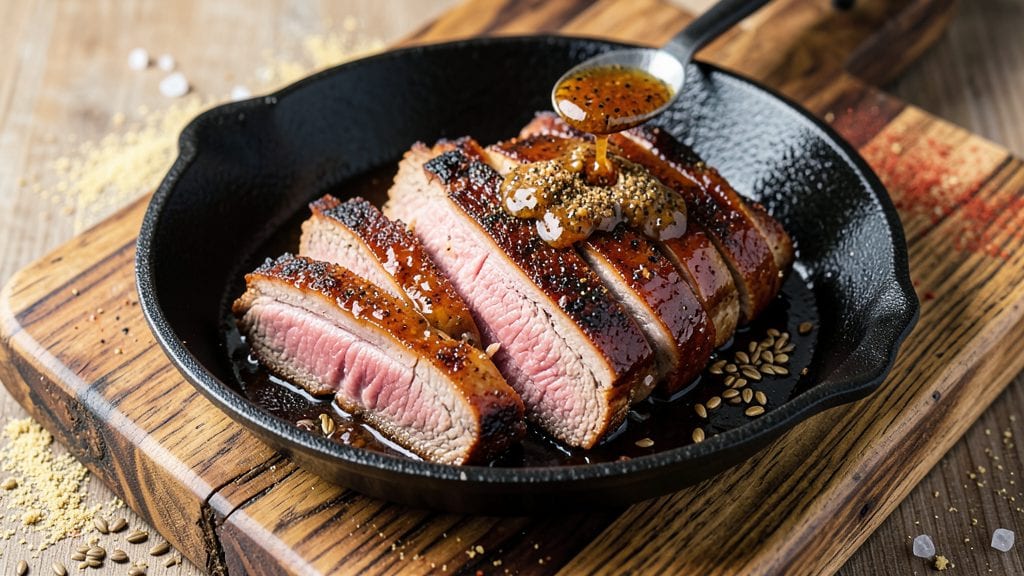
This Grandma's beef brisket recipe delivers the kind of melt-in-your-mouth tenderness that turns family gatherings into legendary meals. The secret lies in a slow-cooked approach that transforms tough cuts into succulent perfection, paired with a spice-rub crust that adds depth without overpowering the natural beef flavor.
I've perfected this method over years of holiday dinners, where it becomes the centerpiece of every spread.
The process begins with trimming the brisket and applying a dry rub of salt, pepper, and warm spices that create a flavorful bark during cooking. After searing the meat to lock in juices, it's slow-cooked in the oven until fork-tender—a process that takes patience but yields results worth every minute.
The key is maintaining consistent low heat, which breaks down connective tissue for that signature fall-apart texture.
By the time it's done, you'll have brisket that's so tender it practically melts on the bone, with a crust that's rich and aromatic from the spices.
This is the kind of dish that feeds a crowd, pairs beautifully with classic sides, and becomes a family heirloom recipe passed down through generations. The aroma alone will have everyone gathering at the table hours before it's ready.
Serve with mashed potatoes, buttered corn, and crusty bread to soak up every last drop of that flavorful juices. The leftovers reheat beautifully, making this an ideal meal for preparing ahead when hosting guests. Let's get started on creating a brisket that tastes like home.
Ingredients for grandma's beef brisket
Twelve ingredients transform tough brisket into legendary family centerpiece perfection.
| Ingredient | Amount | Notes |
|---|---|---|
| Beef Brisket 🥩 | 6 lb | Flat cut preferred, well-marbled |
| Kosher Salt 🧂 | ½ cup | Diamond Crystal preferred |
| Freshly Ground Black Pepper 🌶️ | 2 tbsp | Coarse grind preferred |
| Ground Cumin 🌿 | 1 tbsp | Toasted for deeper flavor |
| Smoked Paprika 🌶️ | 1 tbsp | High-quality for authentic bark |
| Garlic Powder 🧄 | 1 tbsp | Freshly ground preferred |
| Onion Powder 🧅 | 1 tbsp | No added MSG |
| Brown Sugar 🍯 | ½ cup | Light or dark preferred |
| Mustard Powder 🍯 | 1 tsp | Dijon style preferred |
| Extra-Virgin Olive Oil 🫒 | ¼ cup | For searing brisket |
| Fresh Thyme Leaves 🌿 | ¼ cup | Chopped, stems removed |
| Fresh Rosemary 🌿 | ¼ cup | Chopped, fresh preferred |
| Beef Broth 💧 | 2 cups | Low-sodium preferred |
| Apple Cider Vinegar 🍎 | 2 tbsp | For tenderizing |
The brisket is the star, so prioritize quality cuts with good marbling—ask your butcher for a flat cut, not point. Costco or local butcher shops often carry the best options, and look for bright red color with visible fat streaks. Trim excess fat to about 1/4-inch thickness—this prevents flare-ups during searing. Fresh herbs like thyme and rosemary elevate the rub, but dried works at half the amount if needed. The brown sugar in the rub caramelizes beautifully during cooking, creating that signature crust. Light or dark brown sugar both work, but light has a slightly less intense flavor.
No smoked paprika? Regular paprika plus a pinch of liquid smoke mimics the depth. The beef broth should be low-sodium—Swanson or Pacific Foods brands are reliable choices. Apple cider vinegar tenderizes the meat, but red wine vinegar works in a pinch. For a deeper flavor, toast the cumin seeds before grinding them—30 seconds in a dry skillet makes a noticeable difference. The olive oil is crucial for searing; California olive oils tend to have the best balance of flavor and heat resistance. If you're short on time, pre-mix the dry rub ingredients and store in an airtight container for up to 3 months.
Brisket reheats beautifully—wrap tightly in foil and bake at 300°F for 30 minutes to restore moisture. Store cooked brisket in the fridge for 5-6 days or freeze for up to 6 months. The rub keeps its potency for 3 months in a cool, dark place. For serving, slice against the grain for maximum tenderness. The leftovers make incredible sandwiches—sliced thin on crusty bread with horseradish mayo is a family favorite.
Why You'll Love This Recipe
- One-Pan Magic: I swear by this recipe because it’s literally hands-off after the initial seasoning. Just rub the brisket with kosher salt, black pepper, cumin, and smoked paprika—no fancy prep, no chopping, no stress. Honestly, the hardest part is deciding whether to slow-cook it all day or throw it in the oven for a few hours.
- Deep Smoky Richness: That smoked paprika and cumin blend? It’s the secret weapon. The brisket gets this perfect crust while staying tender inside—like a hug in meat form. Between us, I’ve tried store-bought rubs, but Grandma’s mix (simple as it is) just hits different.
- Leftovers for Days: This recipe makes way more than you’ll eat in one sitting. The good news? It reheats like a dream for sandwiches, tacos, or even a quick breakfast hash. I’ll be real, I’ve lived off these leftovers for a week straight, and no one’s complained.
- Budget-Friendly Feast: Brisket is cheap, and this recipe stretches it into a full meal without breaking the bank. Plus, the spices cost pennies, so you’re basically making restaurant-quality food for half the price. (Yes, even on a Tuesday night.)
Step-by-step instructions for Grandma's beef brisket
Here's the method that delivers melt-in-your-mouth tenderness with a perfectly balanced spice crust every time.
Prepare the Brisket and Seasoning Blend
Begin by trimming the 6 lb beef brisket to remove excess fat, leaving about ¼ inch of fat cap intact. This preserves moisture while allowing for proper searing. Pat the meat completely dry with paper towels, especially in the cavity and around the edges where moisture tends to collect.
In a small bowl, combine the 0.5 cup kosher salt, 2 tbsp freshly ground black pepper, 1 tbsp ground cumin, 1 tbsp smoked paprika, 1 tbsp garlic powder, 1 tbsp onion powder, 0.5 cup brown sugar, and 1 tsp mustard powder. Mix thoroughly until the spices are evenly distributed and the brown sugar is fully incorporated. This dry rub creates the signature crust while tenderizing the meat.
Generously coat the brisket with the seasoning blend, pressing it firmly into the meat so it adheres well. Pay special attention to the edges and fat cap where the rub tends to fall off. Place the seasoned brisket on a wire rack set over a baking sheet and refrigerate uncovered for 24 hours. This dry-brining process ensures deep flavor penetration and optimal tenderness.
Sear the Brisket for Flavor Development
Remove the brisket from the refrigerator and let it sit at room temperature for 1 hour before cooking. Preheat your oven to 275°F. Heat a heavy Dutch oven or cast iron skillet over medium-high heat. Add the 0.25 cup extra-virgin olive oil and let it get very hot but not smoking.
Place the brisket fat-side down in the hot oil and sear for 8-10 minutes until the fat renders and the bottom develops a deep golden-brown crust. Flip the brisket and sear the other side for another 8-10 minutes. This high-heat searing creates a flavorful crust while locking in juices. Transfer the seared brisket to a plate and tent loosely with foil.
In the same Dutch oven, add the 0.25 cup chopped fresh thyme leaves and 0.25 cup chopped fresh rosemary. Sauté for 30 seconds until fragrant. Deglaze the pan with the 2 tbsp apple cider vinegar, scraping up all the browned bits from the bottom. Pour in the 2 cups beef broth and bring to a gentle simmer.
Slow Cook for Maximum Tenderness
Return the brisket to the Dutch oven, placing it fat-side up. Cover tightly with the lid and transfer to the preheated 275°F oven. Cook for 6 hours, maintaining the temperature as consistently as possible. This low-and-slow approach breaks down the tough connective tissues, transforming them into gelatin that makes the meat incredibly tender.
After 6 hours, check the internal temperature using an instant-read thermometer. When it reaches 195°F, the brisket should be fork-tender with a beautiful smoke ring. If the temperature hasn't reached 195°F, continue cooking for another 30-60 minute increments until it does. The slow cooking process ensures that every bite delivers that signature melt-in-your-mouth texture.
Once the brisket reaches the proper internal temperature, remove it from the oven and transfer it to a cutting board. Tent loosely with foil and let it rest for 30 minutes. This resting period allows the juices to redistribute throughout the meat, ensuring each slice remains moist and flavorful when sliced.
Slice and Serve with Pan Sauce
After resting, slice the brisket against the grain into ¼-inch thick slices. The grain runs horizontally across the flat cut, so you'll need to adjust your angle when you reach the point cut. Arrange the slices on a serving platter, keeping the juices contained.
Return the Dutch oven with the cooking liquid to the stovetop and place over medium heat. Simmer uncovered for 5-7 minutes to reduce the sauce slightly and intensify the flavors. If the sauce becomes too thick, add 1-2 tablespoons of water or beef broth to achieve a glossy, spoonable consistency. Taste and adjust seasoning with additional salt and pepper if needed.
Serve the sliced brisket with the pan sauce ladled generously over the top. The combination of tender meat, rich sauce, and aromatic herbs creates a dish that's as comforting as it is delicious. This method delivers that old-fashioned tenderness with a perfectly balanced spice crust that Grandma would be proud of.
Pro Tips For Making Grandma'S Beef Brisket
- Trim the Fat First: Take 10 minutes to trim the thickest layer of fat from the brisket’s edges before seasoning—it’s not about losing flavor, but about even cooking. I used to skip this, and half my batch would dry out while the other half stayed greasy. A sharp knife and a steady hand make all the difference.
- Salt in Layers: Don’t just sprinkle salt once—work it into the meat in stages. Start with a heavy coat of kosher salt, let it sit for 30 minutes, then flip and repeat. This keeps the seasoning from just clinging to the surface while you sear it, so every bite tastes like it’s been kissed by the sea.
- Sear Hot and Fast: Get your pan screaming hot—like, blue-flame-on-the-gas-stove hot—before adding the brisket. A quick 2-3 minute sear on each side locks in juices and builds that crust faster than you’d think. I learned this the hard way after walking away for "just a minute" and ending up with steamed meat.
- Rest Before Slicing: Walk away for at least 15 minutes after cooking, covered loosely with foil. The meat will hold onto its juices like a miser with gold if you give it time to redistribute. I know, I know—you’re hungry now. But slicing too soon turns your brisket into a sad, dry pile of regret.
Flavor customization for these flavors
Sweet & Smoky
For a deeper caramelized crust, increase the brown sugar to ¾ cup and add 1 tbsp cinnamon to the rub. This creates a sweet-savory balance that pairs beautifully with apple cider glaze—simmer ½ cup apple cider vinegar with ¼ cup brown sugar and 1 tsp mustard powder until syrupy.
Brush over sliced brisket just before serving for a restaurant-worthy finish. 🍎
Spicy Kick
Transform your brisket into a bold Texas-style version by adding 1 tbsp cayenne pepper and 1 tbsp chipotle powder to the dry rub. For extra heat, sprinkle ½ cup chopped jalapeños into the pan sauce during the final reduction.
Serve with cooling sides like creamy coleslaw to balance the fire. I like to add a splash of hot sauce (like Cholula) to the pan sauce for depth.
Herb-Forward
Swap out some of the spices for fresh herbs by adding ¼ cup chopped sage and 2 tbsp chopped oregano to the rub. The herbs infuse the meat with bright, aromatic notes.
For the pan sauce, stir in 2 tbsp chopped parsley and a pinch of red pepper flakes at the end. This variation works exceptionally well with a side of crusty bread to soak up the herby juices. 🌿
Creamy & Tangy
Elevate your brisket with a tangy twist by adding 1 tbsp onion powder and 1 tsp celery salt to the rub. For the pan sauce, stir in ½ cup heavy cream and 1 tbsp Dijon mustard during the final reduction.
This creates a velvety, slightly tangy sauce that complements the rich meat. Garnish with chopped chives for a pop of color and freshness.
Citrus Bright
Brighten up the dish with a citrusy twist by adding 1 tbsp orange zest and 1 tsp ground coriander to the rub. During the final cooking stage, add ¼ cup orange juice and 1 tbsp honey to the pan sauce.
This variation pairs beautifully with a side of roasted vegetables or a crisp white wine. The citrus notes cut through the richness of the brisket beautifully. 🍊
Classic BBQ Glaze
For a smoky BBQ finish, mix ½ cup BBQ sauce (I recommend Sweet Baby Ray's) with 2 tbsp apple cider vinegar and 1 tbsp brown sugar. Brush this glaze over the brisket during the last 30 minutes of cooking.
The glaze caramelizes beautifully, creating a sticky, flavorful crust. Serve with classic BBQ sides like baked beans or cornbread for a complete experience. 🔥
Nutrition facts
Frequently asked questions
Why does Grandma's method use a 24-hour dry brine?
The 24-hour dry brine is key for two reasons: it tenderizes the meat by breaking down proteins and helps the rub penetrate deeply. This creates that signature crust while keeping the interior juicy. Skipping it can result in tougher meat and less flavorful bark.
Can I cook this brisket in a slow cooker instead of the oven?
Yes! After searing, transfer the brisket to a slow cooker with the same liquid, then cook on low for 8-10 hours or high for 5-6 hours. The texture will be slightly different but still delicious. Just check the internal temp reaches 195°F before resting.
What's the best way to store leftovers?
Wrap tightly in foil or vacuum-seal slices for maximum freshness. Leftovers keep well in the fridge for 5-6 days or freeze for up to 6 months. Reheat gently in the oven at 300°F for 30 minutes to restore moisture. Never microwave directly from frozen.
How do I know when the brisket is done?
Use an instant-read thermometer to check the thickest part—it should reach 195°F. The meat should also be fork-tender with a beautiful smoke ring. If it's not quite there, return to the oven for 30-60 more minutes. Never rely on time alone!
Can I use the point cut instead of flat cut?
The flat cut is preferred because it's leaner and more tender, but you can use the point cut if that's what you have. It has more fat and connective tissue, so it may need 1-2 extra hours of cooking. Trim excess fat to 1/4-inch to prevent flare-ups during searing.