
Main Courses
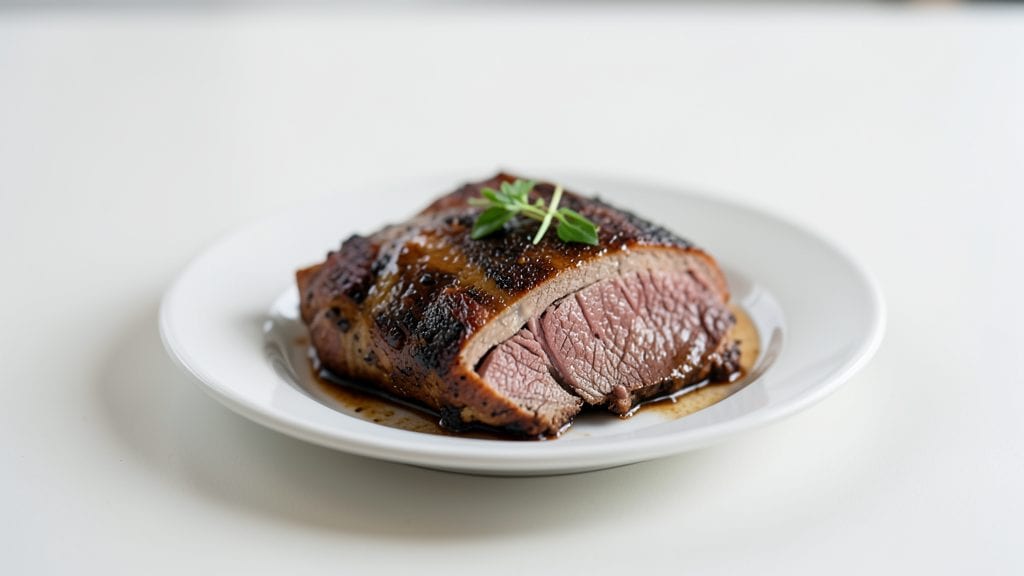
Ina Garten's roast beef recipe delivers that perfect balance of juicy pink centers and crispy edges, paired with a rich au jus that elevates every bite.
I've tested this method countless times, and it never fails to impress—whether you're cooking for a holiday feast or a Sunday dinner with friends. The secret lies in precise seasoning, slow roasting, and letting the beef rest before slicing.
What sets this recipe apart is Ina's signature approach: simple yet sophisticated. You'll use just a few high-quality ingredients—like kosher salt, black pepper, and fresh rosemary—to create a flavor profile that's both elegant and approachable.
The au jus, made from the pan drippings, adds depth without overpowering the tender beef. This isn't just a roast; it's a showstopper that feels restaurant-worthy.
By the time you serve this dish, you'll have perfectly cooked beef with a crispy exterior and a juicy interior, sliced into even portions that stay tender. The au jus, reduced to a glossy finish, ties everything together with its savory richness.
It's the kind of meal that makes guests ask for seconds—and leaves your kitchen smelling like a holiday table.
Pair it with classic sides like roasted potatoes or a fresh green salad to complete the plate. Here's how to bring Ina Garten's signature roast beef to your table with confidence.
Ingredients for ina garten roast beef
Simple, elegant ingredients that transform into Ina Garten's signature juicy roast beef.
| Ingredient | Amount | Notes |
|---|---|---|
| Beef Tenderloin Roast 🥩 | 4 lb | Center-cut for tenderness, trimmed of fat |
| Kosher Salt 🧂 | 2 tbsp | Diamond Crystal preferred for flakiness |
| Freshly Ground Black Pepper 🌶️ | 2 tsp | Freshly cracked for maximum flavor |
| Fresh Rosemary 🌿 | ½ cup | Finely chopped, stems removed |
| Fresh Thyme 🌿 | ¼ cup | Leaves only, stems discarded |
| Unsalted Butter 🧈 | ½ cup | Cold, cubed for crust |
| Yellow Onion 🧅 | 1 whole | Peeled, roughly chopped |
| Garlic Cloves 🧄 | 8 cloves | Peeled, smashed |
| Beef Broth 💧 | 2 cups | Low-sodium, homemade or quality store-bought |
| Red Wine 🍷 | ½ cup | Dry, like Cabernet Sauvignon |
| Flour 🌾 | 1 tbsp | All-purpose, for thickening |
| Extra-Virgin Olive Oil 🫒 | 2 tbsp | For basting |
| Fresh Parsley 🌿 | ¼ cup | Chopped, for garnish |
The beef is everything here. Tenderloin gives you that melt-in-your-mouth texture, but ribeye works too if you prefer more marbling. Trim excess fat first—it can make the crust greasy. I always grab mine from Whole Foods or my local butcher shop where they cut it fresh. Look for a roast with good color and no grayish spots. The herbs? Fresh is non-negotiable—dried just won't give that same bright, aromatic punch. If you're short on time, Trader Joe's sells pre-chopped rosemary and thyme that saves prep work.
No rosemary? Fresh thyme plus a bay leaf works in a pinch. Running out of red wine? Beef broth with a splash of balsamic vinegar mimics that depth. The butter should be cold when you add it—that's what creates that golden crust. For the au jus, low-sodium broth is key so you don't end up with a salty sauce. The flour is just for thickening at the end—don't skip it, but don't overdo it either. And that olive oil? Use something fruity and peppery—California or Italian varieties work best for basting.
Let the roast sit at room temperature for 30-45 minutes before cooking—this ensures even doneness. The au jus keeps for 5 days in the fridge, and it actually tastes better the next day as flavors meld. For leftovers, slice against the grain and reheat gently in the au jus. I always make extra au jus—it's perfect for reheating slices later. Store the roast wrapped in foil in the fridge for 3 days or freeze for 3 months. The crust gets dry if reheated wrong, so keep it covered with foil.
Why You'll Love This Recipe
- I’ll be real: this recipe saved my dinners. Toss the roast in the oven, set a timer, and boom—dinner’s done while I chop veggies or pour wine. The only prep is trimming the fat and seasoning, and that takes less time than ordering takeout.
- No-Fuss Seasoning: I swear by this method—just kosher salt, cracked pepper, and a handful of fresh rosemary and thyme tied around the roast. No fancy marinades, no stressing over rubs. The beef’s natural flavor shines while those herbs infuse effortlessly as it roasts.
- Crowd-Pleaser Simplicity: Between us, this is the roast I make for holidays and lazy Sundays. The tenderloin stays juicy no matter the size, and the crust? Pure satisfaction. Even my picky uncle—who claims he only eats steak—asks for seconds.
- Leftovers That Don’t Suffer: Honestly, I always make extra. The slices reheat beautifully for sandwiches, and the flavor holds up for days. No sad, dry reheats here—the rosemary and thyme keep it aromatic, like it was just pulled from the oven.
Step-by-step instructions for Ina Garten's roast beef
Here's the method that delivers a perfectly pink center and rich, crispy au jus every time.
Season and Sear the Beef Tenderloin
First, remove the beef tenderloin roast from the refrigerator and let it sit at room temperature for 30 minutes. This ensures even cooking throughout. Pat the roast dry with paper towels—this step is crucial for achieving that crispy exterior we're after.
In a small bowl, mix together the 2 tablespoons kosher salt and 2 teaspoons freshly ground black pepper. Generously coat the entire surface of the beef tenderloin roast with this seasoning, pressing it into the meat so it adheres well. This creates a flavorful crust that locks in moisture during cooking.
Heat 2 tablespoons extra-virgin olive oil in a large oven-safe skillet over medium-high heat. Once the oil is shimmering, carefully add the seasoned beef tenderloin roast. Sear on all sides for 3-4 minutes per side until you achieve a deep golden-brown color. This initial searing builds flavor and creates a beautiful crust.
Build the Herb Butter and Sauté Aromatics
While the beef tenderloin roast is searing, prepare the herb butter by combining the ½ cup unsalted butter, ½ cup finely chopped fresh rosemary, and ¼ cup fresh thyme in a small bowl. Mix well and let it sit at room temperature for 5 minutes so the herbs soften slightly and release their aromas.
Remove the seared beef tenderloin roast from the skillet and set it aside on a plate. In the same skillet, add the 1 whole yellow onion and 8 smashed garlic cloves. Cook over medium heat for 5-6 minutes until the onions are softened and beginning to caramelize. This step develops deep, sweet flavors that will carry through to the au jus.
Return the beef tenderloin roast to the skillet and spoon the herb butter mixture over the top, coating it evenly. This creates a flavorful barrier that keeps the meat moist during roasting. The butter will melt and baste the beef as it cooks, creating that signature crispy exterior.
Roast to Perfect Doneness
Preheat your oven to 425°F. Transfer the skillet with the beef tenderloin roast to the preheated oven and roast for 20-25 minutes. This high initial temperature helps create that beautiful crust. After 20 minutes, reduce the oven temperature to 325°F and continue roasting.
Here's where precision matters: use a meat thermometer to check the internal temperature. For a juicy pink center, remove the beef tenderloin roast when it reaches 125°F internal temperature. This is the key to achieving that signature Ina Garten doneness—rare enough to be pink but safe to eat. The beef will continue cooking slightly as it rests.
Transfer the beef tenderloin roast to a cutting board and tent loosely with aluminum foil. Let it rest for 15-20 minutes before slicing. This resting period allows the juices to redistribute throughout the meat, ensuring each slice remains moist and flavorful when served.
Make the Crispy Au Jus
While the beef tenderloin roast rests, return the skillet to the stovetop over medium heat. Add the ½ cup red wine and scrape up any browned bits from the bottom of the pan. These bits, called fond, are packed with flavor. Let the wine simmer for 3-4 minutes until reduced by half.
Stir in the 2 cups beef broth and bring to a gentle simmer. In a small bowl, mix the 1 tablespoon flour with 1 tablespoon cold water to create a slurry. Slowly whisk this into the simmering liquid in the skillet. The mixture will thicken slightly as it simmers for 5-7 minutes, creating a rich, glossy au jus.
Strain the au jus through a fine-mesh sieve into a clean saucepan to remove any impurities. Return it to the stovetop and keep it warm over low heat. Before serving, stir in 1 tablespoon extra-virgin olive oil to add richness and prevent the sauce from skinning over.
Slice and Serve with Garnish
After the beef tenderloin roast has rested, slice it into ½-inch thick pieces against the grain. This presentation not only looks elegant but also makes each bite more tender. Arrange the slices on a warm serving platter and ladle the crispy au jus generously over the top.
Garnish with the ¼ cup chopped fresh parsley just before serving. The bright green color contrasts beautifully with the rich red au jus and golden-brown beef. Serve immediately with your favorite sides—roasted potatoes, crusty bread, or a simple green salad—to complete the meal.
Pro Tips For Making Ina Garten Roast Beef
- Sear First, Roast Slow: Hit the tenderloin with a screaming-hot pan—no oil needed—until deep brown crust forms on all sides. This locks in juices before the low-and-slow oven work, which Ina Garten swears by for even cooking. (Yes, it takes 10 minutes, but it’s worth it.)
- Salt the Night Before: Tenderloin absorbs salt like a sponge, so season it generously 12 hours ahead and let it sit uncovered in the fridge. The salt penetrates deeper, and the meat stays juicier when roasted. I used to skip this—now I never do.
- Skip the Overcrowded Pan: If you’re searing multiple pieces, do it in batches. A crowded pan steams the meat instead of browning it, and that’s when flavor gets lost. Give each side space—your crust will thank you.
- Use Butter for Herbs: Instead of just tossing rosemary and thyme on top, mix softened butter with chopped herbs and spread it over the meat before roasting. The fat baste melts into the beef, making every bite richer. (Bonus: It smells amazing while it cooks.)
Storing and reheating your ina garten roast beef
Refrigerator Storage
After your roast beef rests, transfer any leftovers to an airtight container—I use glass Pyrex with snap-on lids—and refrigerate within 2 hours. Store the beef and au jus separately for best texture.
The roast stays tender for 3 days if kept at 40°F or below, while the au jus actually improves overnight as flavors meld. 💡
Freezer Prep
For longer storage, wrap the roast beef tightly in plastic wrap followed by foil, then place in a freezer-safe bag with excess air squeezed out. The au jus freezes well too—pour it into ice cube trays for easy portioning later.
Both beef and sauce keep for 3 months without significant quality loss. Label everything with the date to track freshness.
Reheating Roast Beef
For best results, reheat slices in a skillet over medium-low heat with a splash of au jus or beef broth. Cover the pan for 3-4 minutes to prevent drying.
Avoid microwaving—it turns the crust rubbery. If you must microwave, use 50% power for 1-minute intervals until reaching 165°F internal temperature. 🔥
Reviving Au Jus
Thaw frozen au jus in the fridge overnight, then reheat gently on the stovetop over low heat. If it thickens too much, whisk in 1 tablespoon warm water at a time until smooth.
For extra richness, stir in 1 tablespoon cold butter while reheating. The au jus should coat the back of a spoon but remain silky, not gluey.
Leftovers Makeovers
Turn reheated roast beef into beef sandwiches with crusty bread, or chop it for beef hash with potatoes and onions. The au jus becomes a fantastic gravy for mashed potatoes or dipping sauce for roasted veggies.
I often make beef and au jus tacos—just warm the meat with a splash of sauce and serve in tortillas with avocado. 🌟
Crust Preservation
If reheating causes the crust to dry, brush slices with melted butter before serving. For extra crispiness, broil for 1-2 minutes on high heat just before plating. Store the roast in small portions to minimize exposure to air, which helps maintain moisture. The key is gentle heat—never rush reheating! ⚡
Nutrition facts
Frequently asked questions
What's the secret to getting that perfect pink center in Ina Garten's roast?
Use a meat thermometer and pull the beef at 125°F internal temperature—this gives you that signature juicy pink center while staying safe to eat. The resting time (15-20 minutes) is also key—it lets the juices redistribute so every slice stays moist.
Can I use ribeye instead of tenderloin for this recipe?
Ribeye works beautifully—just trim excess fat first to avoid a greasy crust. The marbling adds flavor, but tenderloin stays more tender overall. For ribeye, you might want to reduce the oven temperature slightly (300°F) after the initial sear to prevent overcooking.
How do I know when the au jus is ready?
The au jus is perfect when it coats the back of a spoon but isn't gluey. It should take about 5-7 minutes of simmering after adding the flour slurry. For extra richness, stir in 1 tablespoon cold butter at the end—it adds a silky texture without breaking the sauce.
What sides pair best with this roast?
Classic choices include herbed roasted potatoes, crusty baguette, or a simple arugula salad with lemon vinaigrette. For a heartier meal, try braised red cabbage or garlic mashed potatoes—they soak up the au jus beautifully. The key is balancing textures and flavors.
Why did my roast turn out dry?
Most likely, you skipped the resting time or overcooked it. Always let the beef rest 15-20 minutes before slicing, and never cut into it too soon. Another common mistake is using a meat thermometer incorrectly—make sure it's inserted into the thickest part, not touching bone or fat.