
Main Courses
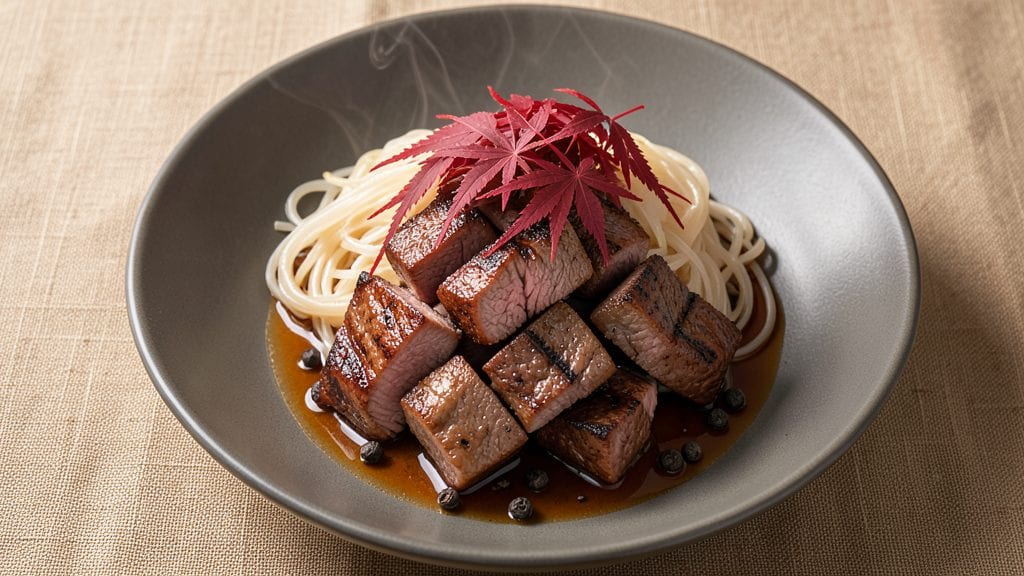
Japanese beef heart recipe transforms a humble organ meat into a luxurious dish with silky texture and umami depth that rivals high-end sushi. After years of experimenting with traditional Japanese techniques, I've perfected a method that balances tender texture with bold flavor—no prior experience required.
The key lies in precise preparation and a marinade that tenderizes while building complex layers of taste.
This recipe begins with thorough cleaning and slicing the heart into thin, uniform strips—critical for even cooking and that signature melt-in-your-mouth texture.
A marinade of soy sauce, mirin, and sake infuses the meat with umami while keeping it juicy, while a quick sear in a hot pan creates a caramelized crust that locks in flavor. The result is a dish that's both restaurant-worthy and surprisingly approachable for home cooks.
What you'll achieve is beef heart with a tender, almost creamy bite and a glossy sheen from the marinade, served with steamed rice and pickled vegetables for a complete meal.
The dish delivers restaurant-quality depth without requiring specialty equipment—just patience and attention to detail. Safety is built in through proper handling and cooking techniques, ensuring a professional result every time.
Perfect for special occasions or weeknight suppers when you want to impress, this recipe scales beautifully for guests while maintaining its delicate balance of flavors. The technique works equally well for grilling or pan-searing, making it adaptable to your preferred cooking method.
Ingredients for japanese beef heart
Precision-cut beef heart and umami-rich marinade transform humble ingredients into restaurant-quality Japanese bites.
| Ingredient | Amount | Notes |
|---|---|---|
| Beef Heart 🥩 | 1 ½ lb | Fresh, trimmed of fat and silver skin |
| Kosher Salt 🧂 | 2 tbsp | Diamond Crystal preferred for precision |
| Black Peppercorns 🌶️ | 1 tbsp | Freshly cracked for maximum aroma |
| Soy Sauce 🍶 | ½ cup | Japanese-style, reduced if preferred |
| Mirin 🍶 | ½ cup | High-quality, not imitation |
| Dry Sake 🍶 | ½ cup | Unsweetened, preferably chilled |
| Garlic Cloves 🧄 | 6 cloves | Minced, peeled, and chilled |
| Fresh Ginger 🌿 | 2 tbsp | Finely grated, organic preferred |
| Sesame Oil 🫒 | 1 tbsp | Toasted, for finishing |
| Neutral Oil 🫒 | 2 tbsp | Avocado or vegetable oil for searing |
| Rice Vinegar 🍶 | 1 tbsp | For balancing umami |
| Green Onions 🧅 | 4 whole | Thinly sliced, for garnish |
| Japanese Rice 🍚 | 2 cups | Uncooked, short-grain preferred |
The beef heart is the foundation, so source it from a trusted butcher or specialty market. Look for a bright red, firm cut with minimal fat—organ meats should be handled with care, ideally purchased the day of cooking. If storing overnight, keep it in the coldest part of your fridge wrapped in paper towels. For the marinade components, Japanese soy sauce and mirin from Marukyu Kikogen or Kikkoman deliver authentic depth. The sake should be dry—sweetened varieties will alter the balance. Fresh ginger and garlic are non-negotiable; frozen substitutes lack the aromatic complexity needed for this dish.
No mirin? Substitute equal parts dry sherry and sugar, though the texture will differ slightly. Soy sauce substitutions should be Japanese-style; American varieties lack the necessary umami concentration. For the garlic and ginger, pasteurized versions work in a pinch, but fresh is ideal. The sesame oil should be toasted—Kadoya or La Tourangelle brands are excellent choices. If you're avoiding alcohol, replace sake with additional mirin and a splash of water. The rice vinegar adds brightness; Mizkan is a reliable brand for consistent results. For the green onions, use the entire white and green portions—this adds subtle sweetness to the dish.
Beef heart marinates best at room temperature for 1-2 hours, though it can be refrigerated overnight for up to 24 hours if sealed tightly. The marinade itself keeps for 5 days in the fridge or 3 months frozen. Cooked beef heart reheats beautifully—steam or pan-sear lightly to restore texture. The rice should be cooked separately and served alongside; it absorbs flavors well, so consider toasting it lightly with a touch of sesame oil before serving. Garnish with green onions just before eating to preserve their freshness.
Why You'll Love This Recipe
- Four-Cut Wonder: I swear by this recipe when I’m too tired to slice anything complicated. The beef heart comes pre-cut, so I’m just tossing cubes into a pan—no knife skills required.
- Umami Bomb: That combo of soy sauce and mirin? It transforms tough cuts into something rich and addictive. The salt and pepper just sharpen the natural beefy depth without overpowering.
- Leftover Hero: Between us, this dish tastes even better the second day. I’ll make a big batch, slice it thin for bento boxes, or toss it into fried rice—no waste, all flavor.
- Budget Game: Honestly, beef heart is one of the most affordable cuts out there. A single pound feeds four, and the pantry staples (soy, mirin) stretch across meals. My wallet and my taste buds win.
Step-by-step instructions for Japanese beef heart preparation
Transform the beef heart into tender, umami-rich bites using precise techniques and layered flavors.
Prepare and Marinate the Beef Heart
Begin by trimming the 1.5 lb beef heart of any remaining fat and silver skin using a sharp boning knife. Cut the heart into 1-inch cubes, ensuring each piece is uniform in size for even cooking. Place the cubed beef heart in a large bowl and set aside.
In a separate bowl, combine 2 tbsp kosher salt and 1 tbsp freshly cracked black peppercorns. Sprinkle this seasoning mixture evenly over the beef heart cubes, massaging it into the meat to ensure full coverage. This step is critical—it begins the breakdown of connective tissue, which will dissolve during cooking, yielding silky texture.
Next, create the marinade by whisking together 0.5 cup soy sauce, 0.5 cup mirin, and 0.5 cup dry sake in a measuring cup. Pour the marinade over the seasoned beef heart, ensuring every cube is fully coated. Cover the bowl and refrigerate for at least 4 hours, or preferably overnight. This extended marination ensures deep flavor penetration and tenderizes the meat further.
Sear the Beef Heart for Depth of Flavor
Remove the marinated beef heart from the refrigerator and let it sit at room temperature for 30 minutes before cooking. Heat 2 tbsp neutral oil in a heavy-bottomed skillet over medium-high heat until shimmering. Add the beef heart cubes in a single layer, ensuring they don’t overcrowd the pan.
Sear the beef heart for 3-4 minutes per side, pressing down gently with a metal spatula to ensure even contact with the hot surface. You’ll notice the edges begin to brown and develop a caramelized crust—this is your indicator that the meat is developing rich, umami notes. Once all sides are deeply browned, remove the beef heart from the skillet and set it aside on a plate.
In the same skillet, reduce the heat to medium and add 6 cloves minced garlic and 2 tbsp finely grated fresh ginger. Sauté for 1-2 minutes until the garlic becomes fragrant and the ginger softens slightly. This aromatic base will infuse the final dish with bright, fresh notes that balance the deep umami flavors.
Simmer the Beef Heart in the Flavorful Marinade
Return the seared beef heart to the skillet, along with any accumulated juices. Pour the reserved marinade over the beef heart, ensuring it’s fully submerged. Add 1 tbsp rice vinegar to brighten the dish and prevent the flavors from becoming overly heavy. Bring the mixture to a gentle simmer over medium-low heat, then reduce to the lowest setting to maintain a slow, steady cook.
Cover the skillet and let the beef heart simmer for 45-60 minutes, stirring occasionally to prevent sticking. The meat is ready when it easily pulls apart with a fork and the liquid has reduced by about half. This slow cooking process is essential—it allows the connective tissue to break down completely, resulting in a melt-in-your-mouth texture.
Taste the beef heart and adjust the seasoning if needed. If the marinade has reduced too much and the beef heart appears dry, add 1-2 tablespoons of water to maintain moisture. The dish should be rich, savory, and well-balanced with a touch of acidity from the rice vinegar.
Finish and Serve with Japanese Rice
Transfer the cooked beef heart to a serving platter and drizzle with 1 tbsp toasted sesame oil just before serving. This final touch adds a nutty aroma and enhances the dish’s visual appeal. Garnish with 4 whole green onions, thinly sliced, to introduce a fresh, crisp contrast to the rich beef heart.
Prepare the 2 cups Japanese rice according to package instructions, ensuring it’s fluffy and slightly sticky to complement the tender beef heart. Serve the beef heart over the rice, allowing each bite to deliver a harmonious blend of textures and flavors—silky beef heart, aromatic rice, and bright green onions.
This dish is best enjoyed immediately, while the beef heart remains tender and the flavors are at their peak. Pair it with a crisp, dry sake or a light green tea to elevate the dining experience.
Pro Tips For Making Japanese Beef Heart
- SEAR IN BATCHES: Beef heart releases a ton of liquid when searing—crowd the pan, and you’ll steam it instead of brown it. Work in two batches over medium-high heat, giving each side 3-4 minutes until deep caramelization forms. (Yes, even if you’re impatient like me, resist the urge to rush.)
- SCORE THE FAT CAP: That thick white fat layer on beef heart? Score it in a crosshatch pattern before cooking—it renders faster and crisps up like bacon. Skip this, and you’ll end up with greasy, uneven browning. (I learned this the hard way after a soggy batch.)
- REDUCE THE SAUCE LOW: Don’t walk away while the soy and mirin simmer—burnt sauce ruins everything. Keep heat at a gentle bubble, stirring occasionally, until it thickens to a glossy coat. If it splatters, you’re going too fast. (Your future self will thank you.)
- SALT AFTER SEARING: Kosher salt draws out moisture, and beef heart is already juicy. Season lightly before cooking, then hit it with a final sprinkle of salt after searing while it rests. The crust stays intact, and the flavor penetrates deeper. (This isn’t the prettiest method, but it’s the tastiest.)
Wine and beer pairings for this recipe
Sake Pairings
For this dish, I always reach for a dry junmai sake with a clean, crisp profile—think Hakkaisan Junmai or Dassai 23—both of which balance the beef heart’s rich umami without overpowering it.
The slight acidity in these sakes cuts through the dish’s depth, cleansing your palate between bites. Serve it chilled to enhance its refreshing qualities. 🍶
Light White Wine
A dry Riesling from Germany’s Mosel region, like Dr. Loosen Blue Slate, offers a perfect contrast with its bright acidity and mineral notes. The wine’s crispness mirrors the rice vinegar in the marinade, while its subtle sweetness complements the beef heart’s savory richness.
Avoid oaky Chardonnays—they’ll clash with the dish’s delicate balance.
Japanese Beer Options
For beer lovers, a light lager like Asahi Super Dry or Sapporo Premium Beer works beautifully. Their crisp, clean profiles let the beef heart’s flavors shine without competing.
If you prefer hoppier options, try a Japanese IPA like Kirin Ichiban—its citrusy notes play well with the dish’s umami and ginger aromatics.
Non-Alcoholic Pairings
For a refreshing non-alcoholic option, serve sparkling yuzu soda—the citrusy bubbles mirror the dish’s brightness while complementing the soy and ginger flavors. Alternatively, a cold jasmine green tea from Twinings provides a soothing contrast to the rich beef heart, cleansing the palate between bites. 💧
Finishing with Umami
After each bite, I like to sip a small amount of dashi broth (made with Kombu and bonito flakes) to reinforce the dish’s umami profile. This simple step deepens the experience, reminding you of the traditional Japanese flavors at play.
For a modern twist, try a matcha latte—its earthy notes harmonize perfectly with the beef heart’s richness.
Nutrition facts
Frequently asked questions
Why does beef heart need such a long marinating time?
Beef heart contains dense connective tissue that requires 4+ hours (or overnight) to break down properly. The marinade's acidity from soy, mirin, and sake dissolves these fibers, creating that signature silky texture. Skipping this step results in chewy, rubbery bites instead of the tender, melt-in-your-mouth experience. Think of it as a flavor and texture transformation—patience pays off!
Can I substitute beef heart with another organ meat?
While beef heart is ideal, you can use beef liver (marinate for 2 hours) or pork heart (follow same method). Avoid chicken heart—it cooks too quickly and lacks the rich umami flavor. For texture, pork heart works best, but beef delivers that traditional Japanese depth. The marinade ratios stay identical, though pork may need 5-10 minutes less simmering time.
What's the best way to store leftover beef heart?
Store cooked beef heart in an airtight container with a splash of the marinade to keep it moist. It stays fresh for 3 days in the fridge or 3 months frozen. For reheating, steam or pan-sear over low heat for 3-4 minutes—microwaving makes it rubbery. The texture won't be as tender as fresh, but it's perfect for rice bowls or salads.
How do I know when the beef heart is fully cooked?
The meat is done when it's fork-tender (no resistance) and the internal temperature reaches 160°F. The liquid should reduce by half, coating the meat in a glossy glaze. If any pink remains, simmer 5 more minutes—beef heart is safe at 145°F for medium doneness, but the long marinating time ensures full safety. Always use a meat thermometer for accuracy.