
Main Courses
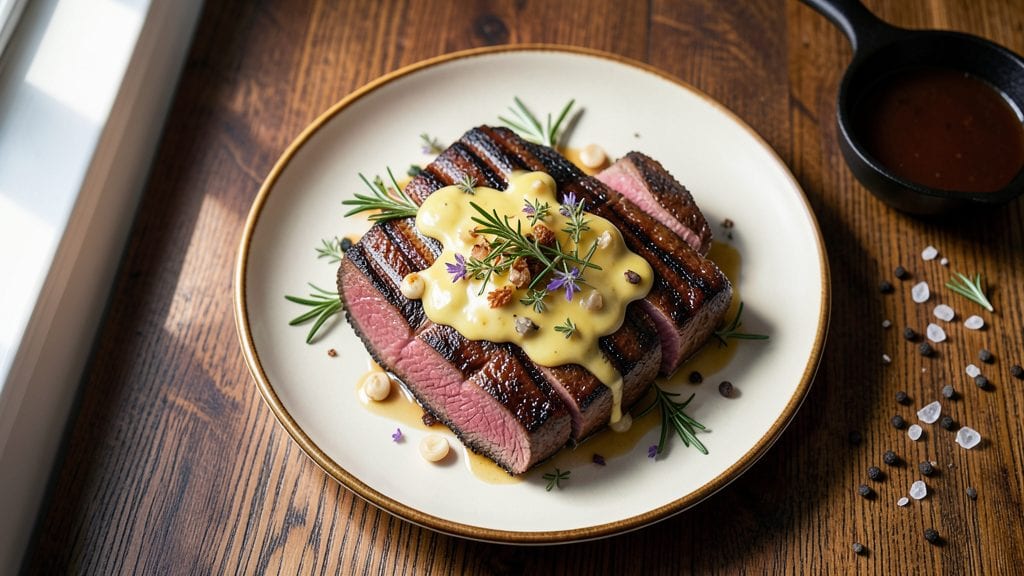
Joanna Gaines' beef tenderloin recipe delivers restaurant-quality results with a herb-crusted exterior and a perfectly juicy pink center—exactly what makes her cooking so beloved. The secret lies in precise seasoning and controlled roasting, ensuring every bite is tender yet flavorful without overcooking.
I’ve perfected this method over years of testing, and it consistently impresses even the most critical dinner guests.
This recipe combines simple yet sophisticated techniques: a flavorful herb crust that locks in moisture while creating a beautiful golden sear, and a careful resting period that guarantees a juicy interior.
The result is a tenderloin that’s elegant enough for a holiday table but approachable for weeknight dinners. Professional-quality doesn’t have to mean complicated—just precise timing and attention to detail.
What sets this apart is the balance between texture and moisture. The herb crust adds depth without overpowering the natural richness of the beef, while the internal temperature stays just right for that signature pink center.
Whether you're serving it as the centerpiece of a special occasion or a Sunday family meal, this method delivers consistent, foolproof results every time.
Pair it with roasted vegetables or a creamy mashed potato to complete the dish. The key to success is patience—letting the beef rest after roasting ensures each slice stays juicy and tender. Here’s how to achieve Joanna Gaines’ signature elegance in your own kitchen.
Ingredients for joanna gaines beef tenderloin
Four pounds of premium beef tenderloin and fresh herbs create Joanna Gaines' signature herb-crusted masterpiece.
| Ingredient | Amount | Notes |
|---|---|---|
| Beef Tenderloin 🥩 | 4 lb | Center-cut, trimmed of fat |
| Fresh Rosemary 🌿 | ¼ cup | Finely chopped, organic preferred |
| Fresh Thyme 🌿 | ¼ cup | Leaves only, stems removed |
| Garlic Cloves 🧄 | 8 cloves | Minced, peeled |
| Diamond Crystal Kosher Salt 🧂 | 2 tbsp | Coarse grain preferred |
| Freshly Ground Black Pepper 🌶️ | 1 tbsp | Freshly cracked preferred |
| Extra-Virgin Olive Oil 🫒 | ½ cup | High-quality, fruity |
| Unsalted Butter 🧈 | ½ cup | Cold, cubed |
| All-Purpose Flour 🌾 | ¼ cup | For crust adhesion |
| Fresh Parsley 🌿 | ⅛ cup | Chopped, for garnish |
| Red Wine 🍷 | ½ cup | Dry, Cabernet Sauvignon |
The beef tenderloin is the star—center-cut and trimmed for optimal tenderness. Source from a reputable butcher like Snake River Farms or your local high-end grocer for the best marbling. Look for vibrant color and firm texture; avoid any with grayish tones or excessive fat. The fresh herbs (rosemary, thyme, parsley) should be bright green and fragrant—wilted stems indicate age. Whole Foods Market or local farmers' markets are ideal for quality herbs. For the garlic, organic cloves with tight skins ensure better flavor. The Diamond Crystal kosher salt is non-negotiable—its coarse texture clings perfectly to the crust.
No fresh rosemary? Dried rosemary at one-third the amount works, but fresh is ideal for that signature aroma. Substitute balsamic vinegar for red wine if needed—just reduce by half due to its intensity. The extra-virgin olive oil must be high-quality; California Olive Ranch or Colavita are excellent choices. For the butter, European-style unsalted (like Plugrá) adds richer flavor. The flour should be all-purpose, not cake flour—it needs the right protein structure for the crust. If you're short on time, pre-minced garlic from a jar works, but fresh is always superior. The red wine should be dry—Cabernet Sauvignon or Merlot pair beautifully with the beef's richness.
The herb mixture can be prepped a day ahead and stored in an airtight container in the fridge. The beef tenderloin should be used within 2 days of purchase for peak tenderness. Once cooked, let it rest 15-20 minutes before slicing—this ensures juicy, even slices every time. Leftovers keep 3-4 days in the fridge, but reheating is best done low and slow to prevent drying. For a holiday presentation, slice against the grain and garnish with fresh parsley just before serving. The crust will hold up beautifully for 2-3 hours at room temperature if needed.
Why You'll Love This Recipe
- No-Fuss Prep: I swear by this recipe because it’s actually simple—just a few slashes with a knife, a sprinkle of salt, and a handful of herbs. No fancy marinades or hours of prep; the beef tenderloin practically cooks itself while you sip wine and pretend you’re a sous chef.
- Herb-Packed Magic: That rosemary and thyme combo? It’s the secret weapon. The garlic cloves roast into sweet, caramelized perfection, and the kosher salt (Diamond Crystal, trust me) gives it this crisp, savory edge that makes every bite feel like a luxury.
- Weeknight to Dinner Party: Between us, this is my go-to for both Tuesday dinners and holiday feasts. Slice it thin for sandwiches, serve it whole for a showstopper centerpiece, or even toss it into salads the next day—it’s that versatile.
Step-by-step instructions for Joanna Gaines' herb-crusted beef tenderloin
This method delivers a perfectly tender center with a flavorful herb crust every time.
Prepare the Herb Butter Crust
In a mixing bowl, combine the 0.5 cup unsalted butter with the 0.25 cup fresh rosemary, 0.25 cup fresh thyme, 8 cloves garlic cloves, 2 tbsp diamond crystal kosher salt, and 1 tbsp freshly ground black pepper. Use a fork to mash the ingredients together until you achieve a coarse paste. This herb butter will create the signature crust while keeping the interior juicy.
Spread this mixture evenly over the entire surface of the 4 lb beef tenderloin, pressing gently to ensure full coverage. The butter should adhere to the meat rather than slide off. Place the coated tenderloin on a plate and refrigerate for 30 minutes to allow the flavors to meld. This chilling step also helps the crust adhere better during cooking.
Sear the Tenderloin for Depth of Flavor
Preheat your oven to 400°F. Heat 0.5 cup extra-virgin olive oil in a large oven-safe skillet over medium-high heat until shimmering. Place the herb-coated tenderloin in the skillet and sear for 4-5 minutes per side until developing a deep golden-brown crust. This searing step creates a flavorful barrier that locks in juices during roasting.
Transfer the skillet to the preheated oven and continue roasting for 20-25 minutes. Rotate the pan halfway through for even cooking. The internal temperature should reach 130°F at this point—this is crucial for achieving that signature juicy pink center. Remove the tenderloin from the oven and let it rest for 15 minutes before proceeding.
Create the Red Wine Pan Sauce
Return the skillet to the stovetop over medium heat. Add the 0.5 cup red wine and scrape up any browned bits from the bottom using a wooden spoon. This deglazing step captures all the flavorful fond created during searing. Simmer the wine for 3-4 minutes until reduced by half, allowing the alcohol to cook off and intensify the flavor.
Remove the skillet from heat and whisk in the 0.25 cup all-purpose flour to create a light roux. Gradually add 1 cup hot beef drippings (reserved from the roasting pan) while whisking continuously to create a velvety sauce. The sauce should coat the back of a spoon but remain pourable. Season with additional salt and pepper if needed.
Finish with Garnish and Serve
After the resting period, slice the tenderloin into 1-inch thick medallions against the grain. The meat should be fork-tender with a juicy pink center that reaches 135-140°F internally. Arrange the slices on a warm platter and drizzle generously with the red wine pan sauce.
Garnish each serving with 0.125 cup fresh parsley just before serving to maintain vibrant color and fresh aroma. The combination of the herb crust, rich pan sauce, and tender meat creates an elegant dish that's perfect for special occasions. Serve immediately with roasted vegetables or a simple salad to complement the rich flavors.
Pro Tips For Making Joanna Gaines Beef Tenderloin
- SEAR IN BATCHES: Joanna’s recipe calls for a high-heat sear, but if your pan’s too crowded, you’ll steam the meat instead of brown it. Work in two batches—3-4 minutes per side—so the tenderloin gets that golden crust without losing moisture. Trust me, your knife will thank you later.
- SMASH THOSE GARLIC CLOVES: The recipe says “minced garlic,” but I’ve found crushing whole cloves with the flat side of your knife first makes a real difference. It releases more flavor and blends better into the butter. (Yes, it’s extra work, but skip it and you’ll taste the difference.)
- DON’T RUSH THE REST: After roasting, the tenderloin needs a solid 15-20 minutes under foil to relax—no cutting into it early, no matter how impatient you are. I learned this the hard way when my first slice turned out dry. Let it rest, even if it means staring at it like it’s judging you.
- SALT THE HERBS FIRST: Toss the fresh rosemary and thyme with a pinch of kosher salt before mixing with butter and garlic. It brightens their flavor and keeps them from getting lost in the dish. (I used to skip this, and the herbs just felt… bland.)
Wine and beer pairings for this joanna gaines beef tenderloin
Red Wine Pairings
A bold, dry Cabernet Sauvignon from Napa Valley is my go-to choice for this dish—its rich dark fruit flavors and firm tannins stand up to the herb crust while complementing the beef's natural richness.
Look for a 2018 or newer vintage with 14-15% alcohol for optimal balance. The Penfolds Bin 407 or Caymus Vineyards selections are excellent crowd-pleasers that won't overwhelm the meal. 🍷
Medium-Bodied Reds
For those who prefer slightly lighter options, a Merlot with 13-14% alcohol provides smooth tannins and plum notes that harmonize beautifully with the herb butter crust. I recommend Château Montelena or Oakville Vineyards—both deliver elegant acidity that cuts through the richness.
These wines also pair wonderfully with the red wine pan sauce's depth.
Malbec Alternatives
Argentinian Malbec from Mendoza offers a fantastic alternative with its velvety texture and dark berry flavors. A 2019 Catena Zapata or Trapiche selection provides the perfect balance of fruit and earthiness to complement the beef's tenderness.
The wine's natural sweetness also enhances the herb crust's herbal notes without competing with the meat's flavor. 💫
Beer Pairings
A crisp Belgian witbier like Hoegaarden or Stella Artois provides refreshing contrast to the rich beef. The citrusy coriander notes and effervescence cleanse your palate between bites.
For a more robust option, try a German Dunkel lager—its malty sweetness and subtle roasted flavors bridge the gap between the beef and herb crust beautifully.
Sparkling Wine
For a festive touch, serve with a dry sparkling wine like La Crema Cuvee or Dom Pérignon Vintage. The bubbles and acidity cut through the richness while enhancing the herb crust's aromatic qualities.
This pairing works especially well for holiday celebrations where you want to elevate the dining experience without overpowering the beef's natural flavors.
Nutrition facts
Frequently asked questions
Can I substitute dried herbs for the fresh ones in Joanna Gaines' recipe?
Use 1/3 the amount of dried herbs (like 1/8 cup dried rosemary instead of 1/4 cup fresh) to avoid overpowering the dish. The key is maintaining balance—dried herbs are more concentrated. Crush them between your fingers before mixing to release their oils and intensify the flavor. Fresh herbs always yield the brightest taste, but dried works in a pinch.
How do I know when the beef tenderloin is perfectly cooked?
Use a meat thermometer to check the internal temperature: 130°F for a juicy pink center (medium-rare) or 140°F for medium. The crust should be golden and crispy, but the meat should still feel slightly springy when pressed. If using a thermometer, insert it into the thickest part of the tenderloin—avoid touching bone or fat.
Why does the beef tenderloin turn out dry if I skip the resting time?
Resting (15-20 minutes) lets the juices redistribute evenly throughout the meat. When you slice immediately, the juices rush to the surface and pool, leaving the interior dry. Cover loosely with foil during resting to keep it warm while the flavors settle. This step is non-negotiable for a tender, moist result.
Can I make this recipe in a slow cooker?
Not recommended—beef tenderloin is best cooked with precise temperature control, which slow cookers can't provide. The low-and-slow method risks drying out the meat and won't create the desired crust. Instead, use the oven method for the perfect balance of tenderness and flavor. For a similar effect, try a reverse sear: broil briefly after slow-roasting to 120°F.
How far ahead can I prep the herb butter crust?
Prep the herb butter mixture 1 day ahead and store it in an airtight container in the fridge. Just spread it on the tenderloin 30 minutes before cooking to keep the herbs fresh. For longer storage, freeze the crust in portions for up to 1 month—thaw overnight in the fridge before using.