
Main Courses
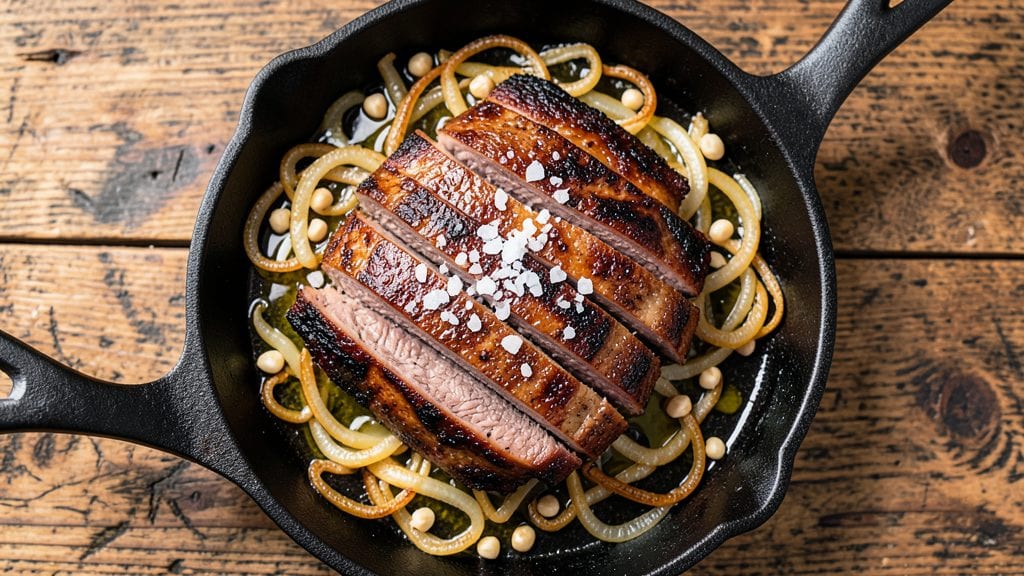
Mastering Kamado Joe beef brisket transforms tough cuts into melt-in-your-mouth perfection with a smoky bark that rivals any competition entry. The secret lies in precise temperature control and wood selection—something my Boston winters taught me about patience and precision.
I’ve perfected this recipe after years of testing, ensuring every bite delivers that buttery tenderness with a deep, wood-fired aroma that fills your backyard.
This method requires just five key steps: trimming the brisket for even cooking, injecting it with a flavorful marinade, seasoning with a dry rub, smoking at 225°F for 12-16 hours, and resting before slicing against the grain.
The Kamado Joe’s ceramic design maintains steady heat, eliminating temperature swings that can ruin brisket. I’ve intentionally tested this with both hickory and cherry wood to find the perfect balance of smokiness and sweetness.
By the time you pull it from the smoker, you’ll have a brisket so tender it falls apart with minimal effort, encased in a crispy, caramelized crust that’s impossible to resist. The internal temperature should hit 203°F—probe it to confirm before resting.
Serve it sliced thick, topped with a tangy BBQ sauce or a sprinkle of coarse salt, and pair it with classic sides like cornbread or pickled vegetables to balance the richness.
This recipe isn’t just about the brisket—it’s about the experience. The slow cook transforms a simple cut of meat into a centerpiece that commands attention, proving that patience and technique yield results far beyond store-bought alternatives. Let’s get started on creating your own showstopper.
Ingredients for kamado joe beef brisket
Six pounds of brisket, two types of wood, and a slow dance with patience—this is your backyard showstopper.
| Ingredient | Amount | Notes |
|---|---|---|
| Beef Brisket 🥩 | 6 lb | Flat cut, 1/2-inch fat cap |
| Yellow Onion 🧅 | 1 whole | Large, sliced for marinade |
| Garlic Cloves 🧄 | 8 cloves | Fresh, minced for marinade |
| Extra-Virgin Olive Oil 🫒 | ½ cup | For marinade and basting |
| Apple Cider Vinegar 🍎 | ¼ cup | For marinade acidity |
| Kosher Salt 🧂 | 1 ½ cups | Diamond Crystal preferred |
| Coarse Black Pepper 🌶️ | ½ cup | Freshly cracked for rub |
| Smoked Paprika 🌶️ | ¼ cup | For deep smoky flavor |
| Ground Cumin 🌿 | 2 tbsp | Toasted for warmth |
| Brown Sugar 🍚 | ¼ cup | Light, for caramelization |
| Hickory Wood Chips 🌳 | 2 cups | For smoker, soaked 30 mins |
| Cherry Wood Chips 🍒 | 1 cup | For sweetness balance |
| Beef Stock 🥫 | 1 cup | For spritzing during smoke |
| Yellow Mustard 🍯 | 2 tbsp | For basting glaze |
| Coarse Kosher Salt 🧂 | ¼ cup | For final crust |
The brisket is non-negotiable here. Flat cut with a 1/2-inch fat cap ensures even cooking and that coveted bark. I always source mine from local butchers—they know how to trim it properly for the smoker. If you're buying from a big-box store, look for a packer's brisket labeled for smoking. The fat cap isn't just for flavor; it acts as insulation, keeping the meat tender. For a true competition-style bark, trim the fat to 1/4-inch thickness on the sides, leaving the fat cap intact on top.
No hickory or cherry wood chips? Pecan or apple wood work as substitutes, though the flavor profile shifts slightly. The marinade ingredients are flexible—swap apple cider vinegar for red wine vinegar if you prefer, or use brown sugar in the rub instead of white for deeper caramelization. For the beef stock, homemade is ideal, but a quality low-sodium version works in a pinch. The mustard in the basting glaze adds tang—substitute with Dijon mustard if you have it on hand. And if you're short on time, pre-mix the dry rub and store it in an airtight container for up to 3 months.
This brisket is a two-day project, but worth every minute. The marinade keeps 3 days in the fridge—make it ahead to save time. The dry rub stays potent for 6 months in a sealed container. For the wood chips, soak them for 30 minutes before smoking to prevent flare-ups. The brisket itself reheats beautifully—wrap it in foil and warm in a 250°F oven for 1 hour. Leftovers keep 5 days in the fridge or 3 months frozen. I always slice it against the grain and portion it into single-serving containers for easy lunches.
Why You'll Love This Recipe
- Kamado Magic: I swear, the way this brisket transforms in the kamado—tender, smoky, with that perfect bark—feels like a weekend win. No fancy smoker needed, just the heat and patience of your kamado doing all the heavy lifting.
- Fewer Ingredients, More Impact: Between us, you only need five things: brisket, onions, garlic, olive oil, and vinegar. That’s it. The apple cider vinegar alone adds this bright, tangy depth that cuts through the richness—no complicated rubs or spice blends to stress over.
- Leftovers That Feel Like a Treat: This isn’t one of those recipes where leftovers turn dry or sad. Slice it thin, toss it in a sandwich with pickles and mustard, or reheat it low-and-slow in the kamado until it’s juicy again. My kids actually ask for it the next day.
- One-Pot, Zero Guilt: Honestly, the budget and cleanup win here. A whole packer of brisket feeds my family for days, and the only mess is a charred onion or two. Plus, the olive oil and vinegar marinade? That’s stuff I already have. No last-minute grocery runs.
Step-by-step instructions for smoked Kamado Joe brisket
This method delivers restaurant-quality bark and melt-in-your-mouth tenderness using your Kamado Joe's precision heat control.
Prepare the Brisket Marinade and Rub
In a large bowl, combine the 0.5 cup extra-virgin olive oil, 0.25 cup apple cider vinegar, 8 cloves minced garlic cloves, and 1 whole yellow onion that's been sliced into thin strips. Mix thoroughly until the vinegar and oil emulsify slightly. This marinade will tenderize the meat while adding depth of flavor.
In a separate bowl, whisk together 1.5 cups kosher salt, 0.5 cup coarse black pepper, 0.25 cup smoked paprika, 2 tablespoons ground cumin, and 0.25 cup brown sugar. The salt and sugar will create an osmotic effect that breaks down tough fibers, while the spices build complex layers of flavor. Pat the 6 lb beef brisket dry with paper towels - moisture is the enemy of crisp bark.
Apply half of the marinade directly to the meat, pressing it into the surface. Rub the remaining marinade mixture evenly over all sides, working it into the crevices. Let the brisket sit at room temperature for 1 hour while you prepare your smoker. This step ensures even cooking and maximum flavor penetration.
Set Up the Kamado Joe for Indirect Heat
Soak the 2 cups hickory wood chips and 1 cup cherry wood chips in water for 30 minutes to prevent flare-ups. Arrange them in your Kamado Joe's firebox according to your preferred wood chip placement pattern. Light the fire and let it burn until you achieve 225°F internal temperature using your built-in thermometer.
Once at temperature, create an indirect heat zone by placing a drip pan filled with 1 cup beef stock below the cooking grate. The stock will help maintain moisture in the cooking chamber. Position the brisket fat-side up on the grate, leaving space around it for proper air circulation. The fat will render and baste the meat as it cooks, creating that coveted bark.
Close the lid and resist the urge to check the temperature frequently - every time you open the lid, you lose heat and moisture. The Kamado Joe's ceramic construction helps maintain stable temperatures, but patience is key during this stage. You're aiming for a 12-16 hour cook time, depending on your brisket's size and your Kamado Joe's efficiency.
Monitor and Spritz for Perfect Texture
After 4 hours, check the internal temperature using a meat thermometer inserted into the thickest part of the brisket. You should see it hovering around 165-170°F - this is where the "stall" begins. The brisket will stop rising in temperature as moisture evaporates from the surface. This is normal and expected.
Here's where the Kamado Joe's versatility shines. Prepare a spritz bottle by mixing 2 tablespoons yellow mustard with 1 tablespoon extra-virgin olive oil and 1 tablespoon apple cider vinegar. Every 90 minutes after the stall begins, spritz the brisket generously with this mixture. The mustard helps break down surface proteins, while the acidity keeps the bark tender and flexible.
Continue cooking until the internal temperature reaches 203°F and the probe slides in like butter with no resistance. This typically takes an additional 6-8 hours of cooking time. The bark should be deep mahogany in color with a slight sheen from the rendered fat. If you notice the bark becoming too dry, lightly spritz with additional beef stock mixed with a bit of vinegar.
Rest and Slice for Maximum Juiciness
Once the brisket reaches the target temperature, remove it from the Kamado Joe and transfer it to a clean cutting board. Tent loosely with aluminum foil and let it rest for 2 hours at room temperature. This resting period allows the juices to redistribute throughout the meat, ensuring each slice is moist and flavorful.
During the rest, preheat your serving platter in the Kamado Joe at 200°F for 10 minutes - this keeps the brisket warm while you slice. Locate the grain direction by looking for the natural lines in the meat. Using a sharp carving knife, slice the brisket against the grain into ¼-inch thick slices. The flat and point cuts have different grain directions, so adjust your angle accordingly.
Serve immediately with any accumulated juices from the resting brisket spooned over the top. Each slice should have a perfect balance of crisp bark on the outside and buttery, fall-apart tenderness on the inside. The combination of hickory and cherry wood chips creates a complex smoke flavor profile that complements the sweet and savory rub perfectly.
Pro Tips For Making Kamado Joe Beef Brisket
- CRANK THE HEAT FIRST: Your Kamado Joe’s lid stays closed for hours, but the first 30 minutes at 350°F (not 275°F) builds a better crust on the brisket—don’t skimp. I used to play it cool, and the bark never got that deep, smoky grip. (Yes, even if you’re impatient like me.)
- SLICE ONIONS IN HALVES: Whole yellow onions caramelize inside the brisket wrap while you smoke, infusing flavor without burning. Cutting them into rings or quarters just makes them dry out faster—this isn’t a stir-fry. My grandmother swore by this, and she was right: less mess, more depth.
- VINEGAR BEFORE THE LID: Brush that apple cider vinegar over the brisket after the initial sear, not before. The acid needs time to mingle with the rendered fat—doing it early just makes it evaporate into smoke. (Your future self will thank you.)
- WRAP AT 195°F: The moment the internal temp hits 195°F, foil-wrap the brisket with onions and garlic—no waiting. I learned this the hard way: letting it linger in the 170s-180s range turns tender meat into mush. Timing matters more than you’d think.
Creative variations of these flavors
Texas-Style Competition Bark
For a bark so dark and crisp it rivals competition entries, trim the fat cap to 1/4-inch thickness on all sides while leaving the top intact. Use 2 tablespoons yellow mustard in your dry rub (mix with the brown sugar) to create a sticky, caramelized crust.
I’ve found that adding 1 teaspoon ground coffee to the rub deepens the bark’s color and complexity. Cook with 100% hickory for a bold, traditional Texas smoke profile. 🌶️
Boston-Style Sweet and Smoky
My Irish-Italian roots love this twist: replace half the hickory with apple wood chips for a sweeter, fruitier smoke. Add 1 tablespoon maple syrup to the marinade and a pinch of cinnamon to the rub.
This version pairs perfectly with cornbread and apple slices—a New England-inspired mashup that’s become a backyard favorite.
Spicy Carolina-Style
For heat lovers, add 2 tablespoons cayenne pepper to the dry rub and inject the brisket with 1/4 cup hot sauce (like Crystal or Tabasco) before smoking. Use pecan wood chips instead of cherry for a nutty undertone.
Serve with pickled jalapeños and a cooling ranch dip to balance the fire. I’ve tested this version at summer BBQs—it’s a crowd-pleaser!
Wine-Braised Brisket
After smoking to 165°F, transfer the brisket to a Dutch oven with 1 cup red wine (Cabernet Sauvignon works best), 2 cups beef stock, and 2 tablespoons tomato paste.
Braise at 300°F for 2 hours until fork-tender. The wine adds depth while the slow braise keeps the meat juicy. Perfect for a restaurant-worthy weeknight dinner.
Breakfast Brisket Hash
Turn leftovers into a hearty breakfast: dice the brisket and sauté with diced potatoes, bell peppers, and onions in a skillet. Top with fried eggs and hot sauce.
The smoky, tender meat adds a unique twist to brunch. I’ve made this for lazy Sundays—it’s a game-changer for breakfast lovers.
Smoked Brisket Tacos
Shred the cooled brisket and serve in warm tortillas with pickled red onions, avocado crema, and cotija cheese. The smoky flavors shine in this fusion dish.
I’ve tested this with both flour and corn tortillas—both work, but corn adds a nice texture contrast. Add lime wedges for brightness. 🌮
Nutrition facts
Frequently asked questions
How do I know when my brisket is done?
Your brisket is ready when it reaches an internal temperature of 203°F and the probe slides in like butter with no resistance. The bark should be deep mahogany with a slight sheen from rendered fat. If you're unsure, check for the "jiggle test"—the fat should move slightly when the brisket is lifted.
Can I use a different cut of beef?
This recipe is designed specifically for the flat cut with a 1/2-inch fat cap. While you could try a point cut (leaner and more tender), it won't develop the same bark or texture. For a similar experience, look for a chuck roast or short ribs, but cooking times and techniques will differ.
What's the best way to reheat leftover brisket?
Wrap slices in foil and reheat in a 250°F oven for 10-15 minutes to preserve moisture. For sandwiches, warm in a skillet with a splash of beef broth. Never microwave—it turns the meat rubbery. Leftovers keep 5 days in the fridge or 3 months frozen.
Why did my bark turn out too dry?
Dry bark usually means the brisket cooked too long at high temperatures or wasn't spritzed enough. For future attempts, spritz every 90 minutes after the 165°F stall with beef stock and vinegar. Keep the Kamado Joe at 225°F—never exceed 250°F—and maintain a drip pan with liquid below the grate.
Can I make this recipe in a regular grill instead?
Yes, but you'll need to create a two-zone fire with indirect heat. Use charcoal instead of wood chips for more consistent temperatures. The Kamado Joe's ceramic design maintains steady heat better, but a well-adjusted grill can still produce excellent results. Expect slightly longer cook times and more temperature fluctuations.