
Main Courses
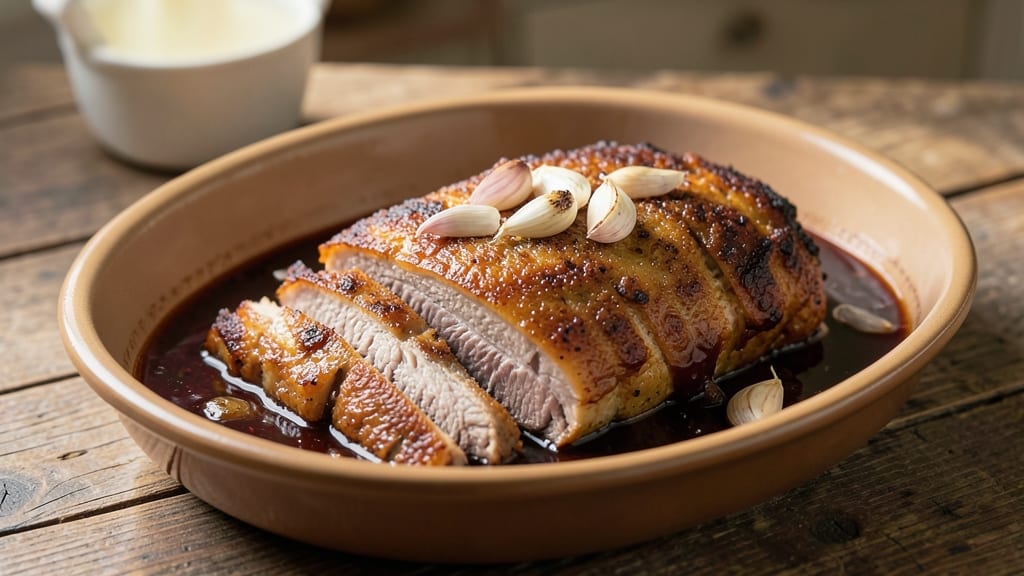
Transforming a tough cut of beef into melt-in-your-mouth perfection starts with this Lipton onion soup beef brisket recipe, where the iconic mix becomes the secret weapon for deep, savory flavor.
The slow-braising process tenderizes the meat while the onion soup base infuses every bite with caramelized richness and aromatic depth—no fancy ingredients required. This method turns a simple pantry staple into the foundation of a restaurant-worthy dish that's surprisingly easy to master at home.
The beauty of this recipe lies in its simplicity and precision: a 3-4 hour slow cook transforms a potentially chewy brisket into fork-tender slices with a crispy top layer that adds irresistible texture.
The onion soup mix creates a flavorful crust while keeping the meat juicy, and the technique ensures even cooking throughout. What begins as a tough cut emerges as succulent, flavor-packed beef that practically falls apart at the touch of a fork.
By the time you're ready to serve, you'll have beef brisket so rich and tender it becomes the centerpiece of any meal. The crispy top layer adds a satisfying contrast to the melt-in-your-mouth meat, while the onion-infused sauce ties everything together.
This dish pairs perfectly with classic sides like creamy mashed potatoes or buttery dinner rolls, making it ideal for family dinners or special occasions.
Whether you're cooking for a crowd or treating yourself to a luxurious weeknight meal, this brisket delivers professional-quality results with minimal effort. The onion soup mix elevates the dish beyond ordinary beef recipes, creating layers of flavor that will have everyone asking for seconds.
Let's get started on this foolproof technique that transforms a simple ingredient into something extraordinary.
Ingredients for lipton onion soup beef brisket
Six core ingredients transform tough brisket into melt-in-your-mouth perfection with restaurant-quality depth.
| Ingredient | Amount | Notes |
|---|---|---|
| Beef Brisket 🥩 | 3 lb | Flat cut, 1-inch thick, trimmed of fat |
| Lipton Onion Soup Mix 🧅 | 2 tbsp | Granulated, unsweetened variety |
| Beef Broth 💧 | 2 cups | Low-sodium, high-quality preferred |
| Red Wine 🍷 | 1 cup | Dry, bold variety like Cabernet Sauvignon |
| Balsamic Vinegar 🍶 | ½ cup | Aged, for depth of flavor |
| Garlic Cloves 🧄 | 6 cloves | Peeled, lightly crushed for aroma |
| Yellow Onion 🧅 | 1 whole | Medium, sliced into half-moons |
| Carrots 🥕 | 4 whole | Medium, cut into 2-inch chunks |
| Celery Stalks 🥬 | 3 stalks | Cut into 1-inch pieces |
| Black Peppercorns 🌶️ | 1 tsp | Freshly cracked, coarse grind |
| Bay Leaves 🍃 | 2 whole | Dried, standard size |
| All-Purpose Flour 🌾 | ½ cup | For crispy top layer |
| Unsalted Butter 🧈 | ¼ cup | Cold, cubed for topping |
| Diamond Crystal Kosher Salt 🧂 | 1 ½ tsp | For seasoning and crust |
The brisket cut determines success here. Flat-cut brisket with visible marbling yields the best results—point-cut works too, but requires longer cooking. For optimal tenderness, source from a trusted butcher or Whole Foods meat department where they cut it fresh daily. Trim excess fat to ¼-inch thickness—this prevents grease buildup while preserving flavor. The Lipton onion soup mix serves as the flavor anchor, so check the expiration date—freshness directly impacts the caramelized crust development. I always buy the granulated version rather than the powdered kind for better texture distribution.
Substitutions must preserve the dish's umami depth. No red wine? Beef broth with 1 tbsp soy sauce delivers comparable richness. The balsamic vinegar can be swapped for red wine vinegar plus 1 tsp brown sugar, though the depth will differ slightly. Fresh herbs? Add 1 tbsp fresh thyme with the bay leaves. For the vegetables, frozen works in a pinch—just thaw and drain excess moisture. The flour and butter topping requires precision: use cake flour for extra crispiness, and ensure the butter is cold and cubed for maximum browning. Diamond Crystal salt is preferred here due to its coarse texture, which creates a better crust than table salt.
This brisket develops deeper flavor with time, so plan ahead. The raw brisket can sit at room temperature for 1 hour before searing, but no longer to prevent bacterial growth. Store the onion soup mix in an airtight container to maintain potency for up to 6 months. Once cooked, leftovers reheat beautifully—cover with foil and warm in a 300°F oven for 20 minutes to preserve moisture. The crispy top layer loses its crunch when reheated, so I always make a double batch for sandwiches where texture matters most. Properly stored, the cooked brisket keeps for 5 days in the fridge or 3 months frozen.
Why You'll Love This Recipe
- Five-Ingredient Magic: The brisket practically cooks itself while you sip that red wine. Honestly, I swear by the Lipton mix—it’s the secret weapon here, turning a simple pot into something restaurant-worthy without extra prep.
- Deep Umami Bomb: That combo of balsamic and beef broth? It’s like a flavor explosion. The wine cuts through the richness, and the brisket stays tender while soaking up all the savory goodness—no dry bites here.
- Weeknight to Dinner Party: Same recipe, different vibes. Throw it together for a lazy Tuesday or impress guests on Sunday. The leftovers? Even better the next day, especially reheated with a splash of broth.
- Budget-Friendly Feast: A pound of brisket stretches across meals, and the rest of the ingredients cost pennies. Between us, this is how I feed my whole family without breaking the bank—and no one complains.
Step-by-step instructions for Lipton onion soup beef brisket
Here's the method for achieving tender brisket with a rich, caramelized crust.
Prepare the Brisket and Aromatics
Begin by trimming the 3 lb beef brisket to an even 1-inch thickness, removing any excess fat. This ensures even cooking and a proper seal for the crust. Pat the meat dry with paper towels—moisture is the enemy of crispiness.
In a large Dutch oven, combine the 1 whole yellow onion (sliced into half-moons), 4 whole carrots (cut into 2-inch chunks), and 3 stalks celery (cut into 1-inch pieces). Add the 6 cloves garlic (lightly crushed), 2 whole bay leaves, and 1 tsp black peppercorns (freshly cracked). Stir in the 2 tbsp Lipton onion soup mix and the 1.5 tsp diamond crystal kosher salt, coating the vegetables evenly.
Sear the Brisket and Build the Base
Heat the Dutch oven over medium-high heat until hot. Add the 3 lb beef brisket, fat-side down, and sear for 5 minutes until deeply golden brown. Flip and sear the other side for another 5 minutes. This step develops the Maillard reaction, creating depth of flavor and a foundation for the crispy crust.
Remove the brisket and set it aside. In the same pot, add 2 tablespoons of the rendered fat from the brisket (if available) and deglaze with the 1 cup red wine, scraping up any browned bits. Let it reduce by half before adding the 2 cups beef broth and 0.5 cup balsamic vinegar. Bring to a simmer and return the brisket to the pot, fat-side up.
Slow-Braise for Maximum Tenderness
Cover the Dutch oven and transfer it to a preheated 300°F oven. Braise the brisket for 3 hours, or until the meat is fork-tender and the internal temperature reaches 195°F. Avoid lifting the lid during cooking—this traps steam and prevents the brisket from drying out.
Here's the thing—patience is key. The slow cook ensures the connective tissue breaks down, transforming the brisket into melt-in-your-mouth perfection. If the liquid reduces too much before the brisket is tender, add a splash of water or broth to maintain moisture.
Create the Crispy Top Layer
Once the brisket is tender, remove it from the pot and place it on a cutting board. Strain the braising liquid into a bowl, discarding the vegetables and bay leaves. Return the liquid to the pot and bring it to a gentle simmer over medium heat.
In a small bowl, combine the 0.5 cup all-purpose flour and the 0.25 cup unsalted butter (cold and cubed). Sprinkle this mixture evenly over the brisket, pressing it gently into the surface. Return the brisket to the Dutch oven, fat-side up, and broil on high for 5-7 minutes until the top is deeply golden brown and crispy.
Rest and Serve
Transfer the brisket to a cutting board and let it rest for 15 minutes before slicing. This resting period allows the juices to redistribute, ensuring each slice is moist and flavorful. The crispy top layer will maintain its texture while the meat remains tender.
Slice the brisket against the grain into 0.5-inch thick pieces and serve with the reserved braising liquid spooned over the top. The combination of slow-braised richness and the crispy crust delivers a restaurant-quality result at home.
Pro Tips For Making Lipton Onion Soup Beef Brisket
- Sear the Brisket First: I learned this the hard way—skipping the sear means flavor gets lost in the soup. Heat a heavy pan (cast iron if you have it) until smoking, then pat the brisket dry and sear 2-3 minutes per side. The crust locks in juices and adds depth that the onion soup mix alone can’t replace.
- Bloom the Onion Soup Mix: Don’t just dump it in cold. Toast the Lipton mix in the same seared pan for 30 seconds until fragrant—it intensifies the umami. Stir in a splash of red wine right after to deglaze, scraping up those browned bits. That’s where the real flavor hides.
- Simmer Low and Slow: After adding broth and brisket, keep the heat at a gentle simmer—not a rolling boil. I used to rush it, and the brisket turned out tough. Let it cook covered for 2.5–3 hours, then add the balsamic vinegar in the last 15 minutes to brighten the sauce without overpowering.
- Deglaze with Wine Early: Pour the red wine into the pan as soon as the brisket comes out—don’t wait. It cuts through the richness and adds acidity that balances the soup mix. Let it reduce by half before adding broth, or you’ll dilute the flavor. (Yes, even if you’re impatient like me.)
Pro cooking tips for great lipton onion soup beef brisket
Sear Like a Pro
The sear is where all the magic starts for your brisket. Use a heavy Dutch oven—I recommend Lodge Cast Iron—to ensure even heat distribution. Heat it over medium-high heat until it's screaming hot before adding the brisket. Sear each side for exactly 5 minutes—no more, no less.
This creates the Maillard reaction, which builds deep, savory flavors that the onion soup mix will enhance. If your brisket isn't browning properly, your pan isn't hot enough—give it another minute to heat up. 🔥
Deglaze with Precision
After searing, don't miss the deglazing step—this unlocks all those browned bits stuck to the bottom of your pot. Use 1 cup dry red wine (like Cabernet Sauvignon) and scrape vigorously with a wooden spoon. Let it reduce by half before adding the broth—this concentrates the flavors.
If you're short on wine, beef broth with 1 tbsp soy sauce works in a pinch, but the depth won't be quite the same. The onion soup mix will later amplify these flavors, so don't rush this step. ⚡
Slow Cook Control
Your oven temperature should be exactly 300°F—no higher, no lower. I use an infrared thermometer to verify my oven's accuracy, especially if it's an older model.
The slow cook transforms tough brisket into tender perfection by breaking down collagen. Resist the urge to peek—every time you lift the lid, you lose heat and moisture, extending cook time.
If the liquid reduces too much, add ¼ cup warm broth to maintain moisture without shocking the meat. 🌡️
Crispy Top Secret
The flour-butter topping is where texture meets flavor. Use cold cubed butter (never melted) and all-purpose flour—this combo creates a golden, crispy crust that contrasts beautifully with the tender meat. Press the mixture firmly into the brisket before broiling.
Watch it closely—5-7 minutes is all it takes, and it burns fast. For extra crispiness, I broil on the middle rack where heat is most intense. The onion soup mix in the braising liquid adds a caramelized depth that pairs perfectly with this crispy finish. ✨
Resting Matters
This is where many home cooks fail—never skip the rest. After removing the brisket from the oven, tent it loosely with foil and let it rest for 15 minutes. This allows juices to redistribute throughout the meat, ensuring every slice is moist.
If you slice too soon, you'll lose precious juices that could have made your brisket even more succulent. Use this time to prepare your sides or make gravy from the braising liquid. The patience pays off with each perfect bite. 💪
Slicing Against the Grain
Brisket has two distinct grain directions—the flat cut and the point cut. Always slice perpendicular to the grain for maximum tenderness. Use a sharp chef's knife (I prefer Wüsthof) and cut into ½-inch thick slices.
The grain runs diagonally across the flat cut, so rotate your cutting board as needed. This technique shortens muscle fibers, making each bite easier to chew and more flavorful. The crispy top layer will stay intact if you slice carefully from the bottom up. 🥩
Nutrition facts
Frequently asked questions
Can I use this recipe with a point-cut brisket instead of flat-cut?
Yes, but you'll need to adjust the cooking time. Point-cut brisket has more fat and connective tissue, so braise it for 4-5 hours instead of 3 hours to achieve the same tenderness. The onion soup mix will still enhance the flavor, but the longer cook time helps break down the extra collagen.
What's the best way to use the leftover onion-infused braising liquid?
Strain the liquid and reduce it by half to make a rich gravy for serving over mashed potatoes or cornbread. For extra depth, whisk in 1 tbsp cornstarch mixed with 2 tbsp cold water to thicken it. You can also freeze it in ice cube trays for future beef dishes—each cube equals 1 tbsp of flavorful broth.
Why does my brisket turn out tough even after slow cooking?
This usually happens from one of three issues: not enough time (aim for 195°F internal temp), lifting the lid too often (which releases steam), or slicing against the grain incorrectly. The onion soup mix won't fix these problems—focus on proper technique first, then let the soup mix enhance the flavor.
Can I make this brisket in a slow cooker instead of the oven?
Brown the brisket first in a skillet, then transfer it to your slow cooker with the same aromatics and liquids. Cook on low for 8 hours or high for 5 hours. For the crispy top, transfer the brisket to a baking sheet, sprinkle with flour-butter mix, and broil for 5-7 minutes before serving. The onion soup mix works perfectly in both methods.
How do I store and reheat leftovers without drying them out?
Store leftovers in an airtight container with a splash of braising liquid to keep them moist. Reheat in a 300°F oven for 20 minutes covered with foil, or warm in a skillet with a little broth over low heat. The crispy top won't survive reheating, but the meat stays tender. For sandwiches, make fresh crispy topping using the same flour-butter method.