
Main Courses
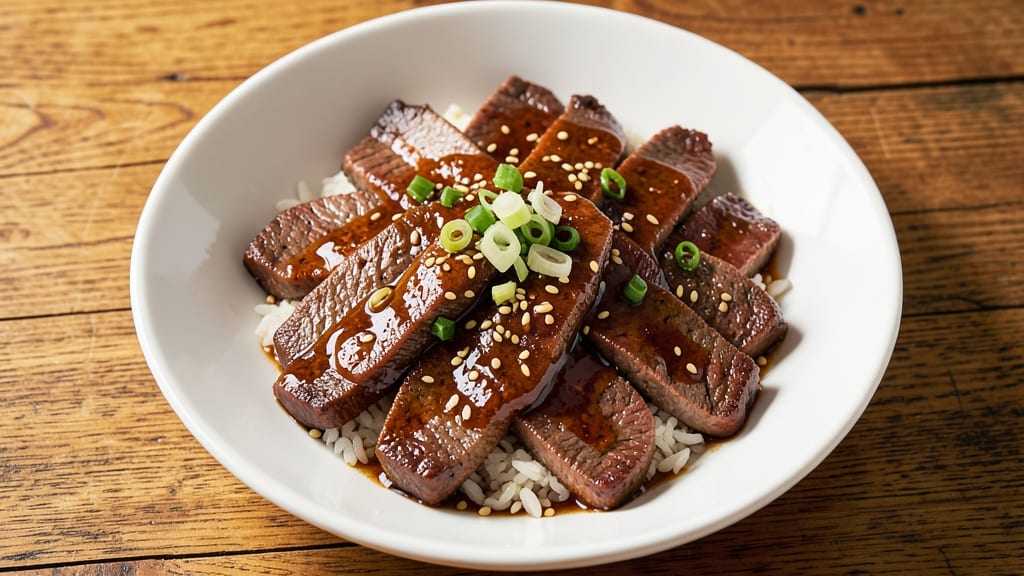
This Mangolian beef recipe delivers the perfect balance of tender beef, crispy noodles, and a rich, savory sauce—all in one pan. The velveting technique ensures silky-smooth beef that practically melts in your mouth, while the wok hei (breath of the wok) method creates that signature smoky aroma.
I’ve perfected this dish over countless weeknight dinners, and it’s become a staple in my rotation for its bold flavors and foolproof method.
The beauty of this recipe lies in its simplicity: just a handful of ingredients transform into a restaurant-worthy meal. You’ll start with a marinade that tenderizes the beef and infuses it with garlic and ginger, then velvet it for that signature texture.
The sauce comes together in minutes, combining soy sauce, brown sugar, and a splash of vinegar for depth. The real magic happens when you toss everything together in the pan—crispy noodles, caramelized beef, and a glossy sauce that coats every bite.
By the time you plate this dish, you’ll have perfectly seared beef with a glossy, sticky glaze, crisp-tender noodles that hold their shape, and a sauce that’s rich yet balanced. The aroma alone will have everyone at the table asking what’s for dinner.
This is the kind of meal that feels indulgent but comes together in under 30 minutes—ideal for busy weeknights or when you want to impress without spending hours in the kitchen.
Serve it over steamed rice for extra heartiness or pair with a simple side salad to cut through the richness. The leftovers reheat beautifully, making it perfect for meal prep. Here’s how to make it—step by step—so you can bring that wok-house flavor home tonight.
Ingredients for mangolian beef
Nine core ingredients turn into restaurant-style Mangolian beef with crispy noodles and silky beef.
| Ingredient | Amount | Notes |
|---|---|---|
| Flank Steak 🥩 | 1 ½ lb | Thinly sliced against grain |
| Eggs 🥚 | 2 whole | Large, beaten for velveting |
| Cornstarch 🌾 | ½ cup | For velveting slurry |
| Soy Sauce 🍶 | ½ cup | Light or regular, not low-sodium |
| Brown Sugar 🍚 | ½ cup | Packed, for sauce depth |
| Rice Vinegar 🍶 | 2 tbsp | White or seasoned |
| Garlic Cloves 🧄 | 6 cloves | Minced, fresh preferred |
| Fresh Ginger 🌿 | 2 tbsp | Finely grated, peeled |
| Sesame Oil 🫒 | 1 tbsp | Toasted, for aroma |
| Vegetable Oil 🫒 | 2 tbsp | High smoke point |
| Egg Noodles 🍜 | 8 oz | Fresh or dried, thick cut |
| Green Onions 🧅 | 4 whole | Sliced, for garnish |
| Sesame Seeds 🌾 | 1 tbsp | Toasted, for crunch |
| Salt 🧂 | 1 tsp | Kosher or sea salt |
| Black Pepper 🌶️ | ½ tsp | Freshly ground |
The beef is everything here. Flank steak slices thinly against the grain for tenderness—ask the butcher to slice it for you if they won’t do it in-store. Costco or Whole Foods usually carry pre-sliced flank steak, but if not, grab a whole cut and slice it yourself. Look for good marbling, not lean meat—fat equals flavor. Fresh ginger and garlic? Asian markets have the best quality, but the regular grocery store works too. Just make sure the ginger isn’t shriveled and the garlic cloves are firm. For the cornstarch, Bob’s Red Mill is my go-to—it’s fine and consistent, which matters for velveting.
No cornstarch? Arrowroot powder works in a pinch, but use the same amount. Short on sesame oil? Toasted peanut oil adds a different but still delicious nutty flavor. The soy sauce can be swapped for coconut aminos if you’re avoiding gluten. For the noodles, fresh egg noodles crisp up best, but dried noodles work if that’s what you’ve got—just cook them al dente. The brown sugar is non-negotiable for that caramelized depth, but if you’re watching sugar, coconut sugar is a 1:1 swap. And if you can’t find rice vinegar, apple cider vinegar works in a bind.
This dish reheats like a dream—honestly, it’s better the next day once everything melds. Store leftovers in an airtight container for up to 4 days in the fridge. For meal prep, I portion it into containers with rice and freeze it for 3 months. The sauce thickens when chilled, so add a splash of water when reheating. Garnish with extra green onions and sesame seeds right before serving—they add that restaurant-worthy finish. And trust me, the crispy noodles are worth the extra minute of tossing them in the hot pan.
Why You'll Love This Recipe
- No-Fuss Stovetop Magic: I swear by this recipe because it’s the kind of meal that turns up the heat without turning up the stress. Slice the flank steak thin, toss it in soy sauce and brown sugar, then let the cornstarch work its crispy wonders—no marinating, no fancy equipment, just 20 minutes of hands-off cooking. Honestly, my lazy Sundays have never been this satisfying.
- Sweet-Savory Crunch: That first bite? The steak’s tender but holds its shape, coated in a glossy glaze that’s sticky-sweet with just enough umami from the soy. The cornstarch coating gives it this addictive crunch, and the egg wash ties it all together—like a hug in sauce form. (Yes, even on a Tuesday night.)
- Lunchbox Hero: Between us, this is my go-to for packed lunches or quick dinners. The flavors hold up for days, and it reheats like a dream—no soggy edges, just that same satisfying crunch. I’ll often double the batch: one for dinner, one for my kid’s school lunch (they pick out the eggs, but still devour it).
- Budget-Friendly Powerhouse: Flank steak stretches far, and the ingredients? Basic pantry staples. A pound of steak feeds four, and the soy sauce, sugar, and cornstarch cost pennies. I’ll be real: it’s the kind of meal that makes me feel like I’m treating myself without breaking the bank. Plus, leftovers taste just as good cold—perfect for busy mornings.
Step-by-step instructions for Mangolian beef
Here's how to create tender, saucy beef with perfectly crispy noodles in one pan.
Prepare the Velveting Slurry and Slice the Beef
In a medium bowl, whisk together the 2 whole eggs, 0.5 cup cornstarch, 0.5 cup soy sauce, 0.5 cup packed brown sugar, and 2 tbsp rice vinegar until completely smooth. This mixture will give the beef its signature tender texture. Meanwhile, slice the 1.5 lb flank steak thinly against the grain into ¼-inch strips - this ensures each bite will be fork-tender.
Place the sliced beef strips into the egg mixture and toss gently to coat evenly. Let them marinate for 15-20 minutes while you prepare the rest of your ingredients. The cornstarch slurry will begin breaking down the beef fibers during this time, making it incredibly tender when cooked. Don't skip this step - it's what transforms tough flank steak into melt-in-your-mouth beef.
Cook the Beef Until Tender and Brown
Heat 1 tbsp vegetable oil in a large wok or deep skillet over medium-high heat until shimmering. Working in batches if needed, add the marinated beef strips and cook for 2-3 minutes until the edges turn golden brown and the cornstarch coating crisps slightly. This initial searing locks in flavors and creates that beautiful caramelized crust.
Once browned, remove the beef from the pan and set aside. You want to keep it warm while you build the sauce, but not let it sit too long or it may overcook. The beef should be tender but still have a slight bite - it will finish cooking in the sauce. If you notice any pieces sticking to the pan, just add a splash of water to deglaze and scrape up those flavorful browned bits.
Build the Sauce with Aromatics
In the same pan, add the remaining 1 tbsp vegetable oil and swirl to coat. Add the 6 minced garlic cloves and 2 tbsp finely grated fresh ginger, cooking for 30 seconds until fragrant. The aroma should fill your kitchen - this is where all the flavor magic happens. Be careful not to let the ginger burn, as it can quickly turn bitter.
Return the cooked beef to the pan and stir to combine with the aromatics. Pour in any accumulated juices from the beef and let everything simmer together for 1-2 minutes. This step develops the sauce base and ensures every bite of beef gets coated in those aromatic flavors. The sauce should be starting to thicken slightly as the cornstarch in the beef releases its starch into the pan.
Finish with Noodles and Garnishes
Add the 8 oz egg noodles to the pan and stir to coat them evenly with the beef and sauce. Cook for 2-3 minutes until the noodles are tender and have absorbed some of the sauce. The noodles should be al dente - slightly firm to the bite - as they'll continue cooking with the residual heat. This is where you'll get that perfect crispy texture on the noodles that makes this dish so special.
Remove from heat and stir in the 1 tbsp toasted sesame oil and 1 tbsp toasted sesame seeds. The sesame oil adds a nutty aroma while the seeds provide that satisfying crunch. Garnish with the 4 sliced green onions and serve immediately while everything is hot and the noodles are still crispy. The dish should be saucy but not watery, with tender beef, perfectly cooked noodles, and that beautiful crunchy texture throughout.
Pro Tips For Making Mangolian Beef
- Slice Against the Grain: Cut your flank steak perpendicular to the muscle fibers—this makes every bite tender, not chewy. I used to ignore this and wondered why my beef felt like shoe leather after all that stir-frying.
- Marinate, Then Pat Dry: Toss the steak in soy sauce and brown sugar for at least 30 minutes, but don’t skip patting it bone-dry before coating with cornstarch. Wet cornstarch won’t crisp—it’ll turn to glue.
- Egg Wash in Stages: Dip the cornstarch-coated beef in beaten eggs twice—first light, then again after resting 5 minutes. The second coat seals in flavor and locks the crust. (Yes, it’s messy, but it works.)
- High Heat, Then Walk Away: Sear the beef on max heat for 2 minutes straight—no stirring—then drop the heat to medium. Walk away for 30 seconds; this builds the crust without burning. I learned this the hard way after charring my first batch.
Regional styles of these flavors
Chinese Wok-House Style
The original Mangolian beef hails from Chinese-American wok-house restaurants, where it became a signature dish in the 1970s. The key here is the velveting technique—using cornstarch and egg to create that signature silky texture.
I always use flank steak because it’s lean enough to absorb flavors but still tender when sliced thinly. The sauce balances sweet (brown sugar), salty (soy sauce), and tangy (rice vinegar) for that addictive flavor.
Serve it over steamed jasmine rice to soak up every last bit of sauce. 🍜
Korean-Inspired Twist
For a Korean-inspired version, swap the soy sauce for gochujang (Korean chili paste)—about 2 tablespoons—and add 1 tablespoon of sesame paste to the sauce. The gochujang adds a subtle heat and depth that pairs perfectly with the sweetness.
I like to finish with toasted sesame seeds and thinly sliced scallions for extra freshness. This version works beautifully with udon noodles instead of egg noodles for a heartier bite. 🌶️
Japanese Yakisoba Fusion
In Japan, this dish might be served as yakisoba-style Mangolian beef, where the noodles are stir-fried with a touch of mirin and dashi broth for umami.
I replace the brown sugar with white miso paste (1 tablespoon) and add 1 tablespoon of mirin to the sauce for a brighter, slightly sweeter profile. The beef stays the same, but the noodles get a quick toss in 1 teaspoon of grated daikon radish for a refreshing crunch.
Garnish with pickled ginger for a tangy contrast. 🍶
Vietnamese-Inspired Caramelized Version
For a Vietnamese twist, I caramelize the beef longer and add 1 tablespoon of fish sauce to the sauce for a deeper umami punch. The noodles get a toss with shredded cabbage and thinly sliced carrots for extra texture.
Finish with fresh cilantro and a squeeze of lime juice to brighten the dish. This version is lighter but still packed with bold flavors—perfect for a quick weeknight dinner. 🍋
Thai Basil Heat
To give it a Thai-inspired kick, I stir in 2 tablespoons of chopped Thai basil at the end and add 1 teaspoon of chili flakes to the sauce. The basil adds a fresh, slightly peppery note that cuts through the richness.
Serve it with steamed jasmine rice and a side of spicy Thai chili sauce for dipping. This version is bold, aromatic, and full of contrast—just like street food in Bangkok. 🌿
Nutrition facts
Frequently asked questions
Why does the beef need to marinate in egg and cornstarch?
This velveting technique breaks down the beef fibers for ultra-tender results. The cornstarch creates a crispy exterior while the egg adds moisture, preventing dryness. The 15-20 minute marinade is key—it's what transforms tough flank steak into melt-in-your-mouth bites.
Can I use a different cut of beef besides flank steak?
Flank steak is ideal, but you can use skirt steak or sirloin. Just slice it ¼-inch thick against the grain. Avoid lean cuts like eye of round—they won't tenderize properly. If using pre-sliced beef, look for "thinly sliced for stir-fry" packages at Asian markets.
What's the secret to crispy noodles in this recipe?
Cook the noodles al dente first, then toss them in the hot pan with the beef for just 2-3 minutes. The residual heat crisps them up while keeping the centers tender. Pro tip: Use fresh egg noodles—they hold their shape better than dried ones.
How do I fix if the sauce turns out too thin?
Simmer the sauce uncovered for 2-3 extra minutes to thicken it naturally. If it's still too runny, mix 1 tsp cornstarch with 1 tbsp water and stir it in. For prevention, reduce the sauce over medium-high heat instead of medium to build body faster.
Can I make this dish ahead of time?
Yes! Assemble everything except the noodles, then refrigerate for up to 4 days. Reheat gently, then add fresh noodles and crisp them in the pan. For freezing, portion without noodles and freeze for 3 months. Thaw overnight and add noodles fresh for best texture.