
Main Courses
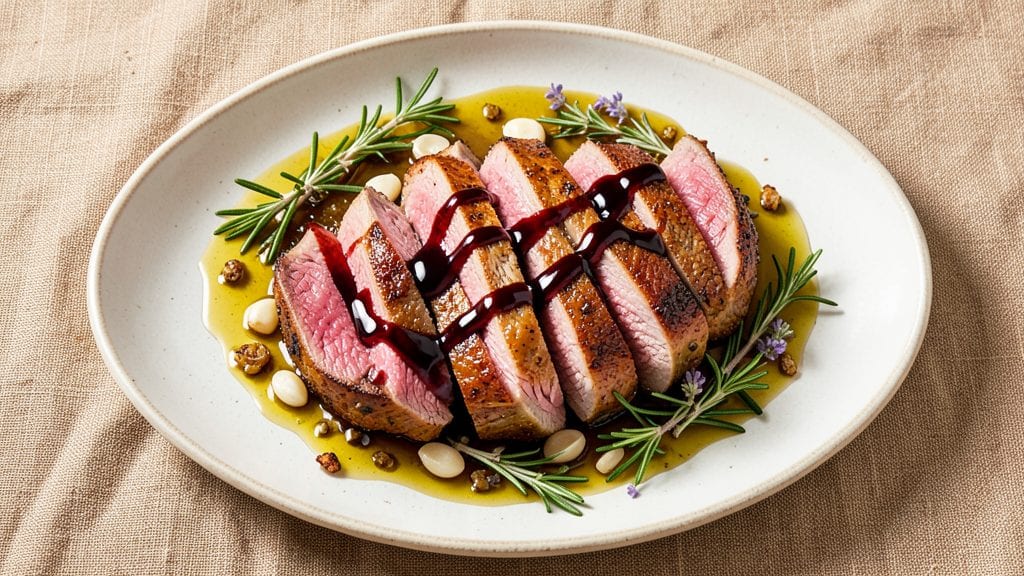
A perfectly marinated beef tenderloin delivers tender meat with a juicy pink core and an herb-infused crust that seals in every flavor. This recipe transforms a simple cut into a showstopping centerpiece—ideal for special occasions or when you want to impress without fuss.
The marinade does the heavy lifting, breaking down fibers while infusing rich aromatics that develop overnight, ensuring maximum tenderness and depth.
What sets this method apart is the balance between searing and roasting—high heat creates that coveted crust while gentle cooking preserves the melt-in-your-mouth texture. No guesswork is involved: precise temperatures and timing guarantee a result that’s foolproof yet feels like a restaurant-quality dish.
The herb crust adds visual appeal and a subtle earthy note that complements the beef’s natural richness.
By the time you serve this, your guests won’t believe it’s homemade—the crust will be golden and fragrant, the interior perfectly pink and tender, and every bite will carry that marinated depth.
The method scales effortlessly, whether you’re feeding four or twelve, making it perfect for holidays or intimate dinners alike. Ready to elevate your beef game?
Pair it with roasted vegetables or a classic red wine reduction for a complete meal that’s both impressive and approachable. The key is patience—letting the marinade work its magic and trusting the cooking process to deliver consistent results every time.
Ingredients for marinated beef tenderloin
Juicy pink center and golden herb crust—this beef tenderloin delivers restaurant-quality results with just twelve ingredients.
| Ingredient | Amount | Notes |
|---|---|---|
| Beef Tenderloin 🥩 | 2 lb | Center-cut, trimmed of silver skin |
| Extra-Virgin Olive Oil 🫒 | ½ cup | High-quality, fruity variety |
| Fresh Rosemary 🌿 | ¼ cup | Finely chopped, stems removed |
| Fresh Thyme 🌿 | ¼ cup | Leaves only, finely chopped |
| Garlic Cloves 🧄 | 8 cloves | Peeled, minced for marinade |
| Dijon Mustard 🍯 | 2 tbsp | High-quality, smooth variety |
| Balsamic Vinegar 🍷 | ¼ cup | Aged, for depth of flavor |
| Kosher Salt 🧂 | 1 tbsp | Diamond Crystal preferred |
| Freshly Ground Black Pepper 🌶️ | 1 tbsp | Coarsely ground for crust |
| Fresh Parsley 🌿 | ⅛ cup | Chopped, for herb crust |
| All-Purpose Flour 🌾 | ½ cup | For crust coating |
| Unsalted Butter 🧈 | 2 tbsp | Cold, cubed for crust |
The beef tenderloin is the star, so pick a center-cut roast—it’s more tender and less likely to have connective tissue. Butcher shops often carry the best quality, but high-end grocery stores like Whole Foods or Costco have excellent options too. Look for vibrant color and good marbling—this ensures juiciness. Trim any silver skin before marinating. The herbs? Fresh is non-negotiable—dried won’t give that same aromatic punch. I always grab extra rosemary and thyme because they’re worth the investment for this dish.
No fresh rosemary? Substitute with 1 tbsp dried, but it won’t be as fragrant. Short on balsamic vinegar? Red wine vinegar or apple cider vinegar work in a pinch, though the flavor will be slightly different. The Dijon mustard adds depth—skip it only if you’re allergic. For the crust, I use a mix of flour and cold butter to create that perfect golden seal. If you’re feeding a crowd, double the crust ingredients and brush them on generously. The marinade does most of the work, so let it sit overnight for maximum tenderness.
Marinate the beef in the fridge for at least 8 hours—overnight is ideal. The crust mixture keeps well in the fridge for 2 days, covered tightly. If prepping ahead, store the marinated beef and crust separately. When ready to cook, bring the beef to room temperature for 30 minutes before searing—this ensures even cooking. Leftovers? Slice and reheat gently in the oven to maintain moisture, or freeze for up to 3 months.
Why You'll Love This Recipe
- Two-Ingredient Magic: The beef tenderloin does most of the work—just slice it, toss it in olive oil, and let the rosemary and thyme work their charm. No fancy techniques, no stress, just that good.
- Herb-Packed Punch: That bright garlic, fragrant rosemary, and earthy thyme? It’s like a flavor hug for your taste buds. The olive oil carries it all straight to your plate—no heavy sauces, just pure, bright beefy goodness.
- Weeknight or Weekend Star: Throw it on the grill for summer BBQs or sear it in a skillet for a fancy-ish weeknight dinner. Honestly, I’ve served it at both—no one ever bats an eye.
- Leftovers That Don’t Suffer: Slice it thin, and those leftovers become the next day’s sandwich hero or a quick stir-fry upgrade. (Yes, even on a Tuesday night.) The tenderloin stays juicy, so no sad, dry scraps here.
Step-by-step instructions for herb-infused beef tenderloin
Here's how to achieve a perfectly tender center with a flavorful herb crust every time.
Create the Herb Marinade and Coat the Tenderloin
In a medium bowl, combine the 0.5 cup extra-virgin olive oil, 0.25 cup fresh rosemary, 0.25 cup fresh thyme, 8 cloves minced garlic cloves, 2 tbsp Dijon mustard, 0.25 cup balsamic vinegar, 1 tbsp kosher salt, and 1 tbsp freshly ground black pepper. Whisk until fully emulsified and the herbs are evenly distributed throughout the oil.
Pat the 2 lb beef tenderloin dry with paper towels—this is crucial for both flavor penetration and developing that perfect crust. Place the tenderloin in a resealable plastic bag or shallow dish and pour the marinade over it, turning to coat completely. Let it marinate in the refrigerator for at least 4 hours, or preferably overnight for maximum flavor infusion. The longer it marinates, the more tender and flavorful the meat will become.
Prepare the Herb Crust Mixture
In a small bowl, mix together the 0.5 cup all-purpose flour, 0.125 cup chopped fresh parsley, and 2 tbsp cold cubed unsalted butter. Rub the mixture between your fingers until the butter is evenly distributed and the parsley is incorporated. This creates a flavorful, crispy crust that will stick beautifully to the tenderloin.
Remove the beef tenderloin from the marinade (reserve the marinade for basting later) and pat it dry again with paper towels. This step ensures the crust adheres properly rather than sliding off. The tenderloin should feel dry to the touch but not sticky.
Sear the Tenderloin for Maximum Flavor
Preheat your oven to 425°F. Heat a large oven-safe skillet over medium-high heat and add the reserved marinade, scraping up any browned bits from the bottom of the pan. Place the tenderloin in the skillet and sear it on all sides for 2-3 minutes per side until it develops a deep golden-brown crust. This step is critical for building layers of flavor.
Once the tenderloin is seared, transfer the skillet to the preheated oven. Baste the tenderloin with the marinade every 15 minutes during cooking. This keeps the meat moist and enhances the herb-infused crust. The internal temperature should reach 125-130°F for medium-rare doneness, which typically takes about 25-30 minutes total.
Apply the Herb Crust and Finish Cooking
Remove the tenderloin from the oven and let it rest for 5 minutes before applying the herb crust. While it rests, press the flour-butter-herb mixture firmly onto all sides of the tenderloin, ensuring complete coverage. Return it to the oven and continue cooking for an additional 10-15 minutes until the crust is golden and crispy.
Use a meat thermometer to check the internal temperature—it should read 130-135°F for that perfect juicy pink center. The crust should be firm to the touch and have a rich, toasted aroma. Let the tenderloin rest for 10-15 minutes before slicing to allow the juices to redistribute throughout the meat.
Pro Tips For Making Marinated Beef Tenderloin
- Sear First, Then Marinate: I learned this the hard way—don’t let that tenderloin sit in the marinade for hours before searing. Start by patting it bone-dry with paper towels, then hit it with a screaming-hot cast-iron or heavy skillet for 2-3 minutes per side. The crust locks in flavor and moisture, while the marinade’s job shifts to finishing, not pre-cooking. (Yes, even if you’re impatient like me.)
- Crush Those Garlic Cloves: Whole garlic cloves? Skip it. For this dish, you want the oils infused with flavor, not just stuck to the outside. Smash each clove with the flat side of your knife before mincing—this releases more aroma and blends better into the olive oil. Pro move: Toast the crushed cloves in the oil for 30 seconds before adding them to the marinade; it deepens the flavor instantly.
- Don’t Overmix the Marinade: Stirring the marinade like you’re making a smoothie breaks down the olive oil’s emulsifying power. Instead, gently fold in the herbs and garlic—just enough to distribute. The tenderloin’s natural juices will pull the flavors in during the 4-12 hour marinade. (I skip this when I’m lazy, but the dish is noticeably better when I don’t.)
- Rest Under Foil, Not Air: After roasting, tent that tenderloin with foil immediately—not just a sheet on the cutting board. The residual heat keeps it warm while it rests, and the foil traps steam to guarantee juiciness. I used to let it sit exposed, and the outside would dry out before the inside finished. Give it a solid 10-15 minutes; your knife will slide through like butter.
Best sauces and condiments for these flavors
Classic Red Wine Sauce
This elegant sauce complements the herb-infused crust beautifully. Deglaze the searing pan with ½ cup dry red wine (like Cabernet Sauvignon or Merlot) after removing the tenderloin. Add 1 tbsp butter and 1 tbsp shallots (minced), then simmer for 5 minutes until reduced by half.
Strain and drizzle over sliced tenderloin—it adds richness without overpowering the herb notes. 🍷
Garlic-Herb Butter
Melt 4 tbsp unsalted butter with 3 minced garlic cloves, 1 tbsp chopped parsley, and a pinch of kosher salt in a small saucepan. Simmer for 2 minutes until fragrant but not browned.
Spoon this fragrant butter over each slice of tenderloin at the table—it’s the perfect finishing touch that ties all the flavors together. 🧈
Balsamic Glaze
For a sweet-tangy contrast, reduce ¼ cup balsamic vinegar in a small saucepan over medium heat for 8-10 minutes until syrupy. Drizzle lightly over the sliced tenderloin or use it to glaze roasted vegetables on the side. The acidity cuts through the richness while enhancing the beef’s natural depth. 🍇
Chimichurri Sauce
Blend ½ cup parsley, ¼ cup cilantro, 3 garlic cloves, ¼ cup olive oil, 2 tbsp red wine vinegar, 1 tsp red pepper flakes, and 1 tsp salt until chunky.
This bright, herby sauce adds a South American twist that pairs wonderfully with the tenderloin’s richness. Serve it on the side for dipping or drizzling. 🌿
Creamy Horseradish Sauce
Mix ½ cup sour cream, 2 tbsp prepared horseradish cream, 1 tbsp Dijon mustard, and 1 tsp lemon juice for a spicy kick.
This sauce adds a creamy contrast that balances the herb crust’s earthiness. It’s especially good if you prefer a touch of heat with your beef. 🌶️
Pan Jus
After searing the tenderloin, scrape up all the browned bits from the pan and deglaze with 1 cup beef stock and 1 tbsp red wine vinegar. Simmer until reduced by half, then strain.
This deep, savory jus is perfect for drizzling over slices or using as a base for gravy. It captures all the meaty flavors you’ve built during cooking. 🥄
Nutrition facts
Frequently asked questions
How long should I marinate beef tenderloin for maximum tenderness?
For best results, marinate the beef tenderloin for at least 8 hours, but overnight (12-24 hours) is ideal. This gives the marinade enough time to deeply penetrate the meat, breaking down fibers and infusing rich flavors. The longer it marinates, the more tender and flavorful your tenderloin will be.
Can I use a different herb blend in the marinade?
While rosemary and thyme work beautifully, you can swap in other herbs like oregano, sage, or basil for a different flavor profile. Just ensure the herbs complement the beef’s natural richness. For a Mediterranean twist, try adding 1 tsp dried oregano or ½ tsp smoked paprika to the marinade.
Why does my beef tenderloin turn out dry even after marinating?
Overcooking is the most common cause of dry tenderloin. Use a meat thermometer to check for 130-135°F internal temp (medium-rare) and avoid cooking beyond that. Also, never skip the 10-15 minute rest after removing it from the oven—this lets juices redistribute. For extra moisture, baste the meat every 15 minutes during cooking.
Can I make this recipe ahead of time?
Yes! Marinate the tenderloin up to 2 days ahead and store it in the fridge. The crust mixture can be prepped 2 days in advance and kept refrigerated. On cooking day, bring the beef to room temperature for 30 minutes before searing. For leftovers, slice and reheat gently in the oven to maintain juiciness.
What’s the best way to slice beef tenderloin for even portions?
Slice against the grain at a 1-inch thickness for even cooking. Use a sharp knife and cut perpendicular to the muscle fibers. For a showstopping presentation, fan the slices slightly. If serving a crowd, slice into ½-inch rounds for easier handling. Always let the meat rest 10-15 minutes before slicing to prevent juices from escaping.