
Main Courses
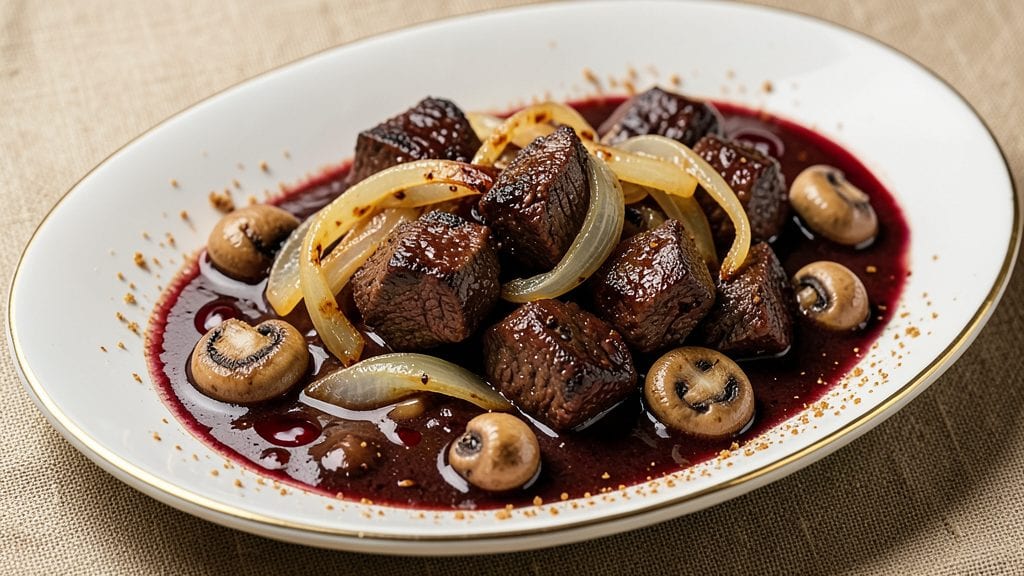
This McCormick beef stroganoff recipe delivers the classic comfort of a homestyle meal with restaurant-quality depth—thanks to a rich, wine-infused sauce that coats tender beef and mushrooms in velvety perfection.
The secret lies in slow-cooked beef base and a balance of sour cream, mustard, and beef broth that creates a sauce so smooth it practically melts on egg noodles. I developed this version after years of testing, ensuring every bite carries that signature tangy-sweet harmony that makes stroganoff unforgettable.
What sets this recipe apart is the professional technique that transforms simple ingredients into an elegant yet approachable dish—perfect for weeknight dinners or special occasions. The beef browns beautifully before simmering in a fragrant sauce, while mushrooms add earthy depth that elevates the flavor profile.
With just 30 minutes of active prep and 25 minutes of simmering, you’ll have a dish that looks and tastes like it came from a gourmet kitchen, not a rushed weeknight.
The result is a creamy, flavorful stroganoff with perfectly tender beef, mushrooms that soak up the sauce, and egg noodles that hold up to every rich spoonful. The wine-infused sauce adds a subtle sophistication, while the mustard and sour cream create that classic tang that defines the dish.
This is the kind of comfort food that feels indulgent yet satisfies even the pickiest eaters—without requiring advanced skills or hours in the kitchen.
Serve it with a sprinkle of fresh parsley and a side of crusty bread to soak up every last drop of that luscious sauce. The recipe scales easily for crowds, and leftovers reheat beautifully, making it a go-to for meal prep.
Let’s get cooking—this stroganoff is a game-changer for any dinner table.
Ingredients for mccormick beef stroganoff
Transform simple pantry staples into restaurant-worthy stroganoff with these premium ingredients.
| Ingredient | Amount | Notes |
|---|---|---|
| Beef Chuck Roast 🥩 | 1 ½ lb | Trimmed of excess fat, cut into 1-inch cubes |
| Yellow Onion 🧅 | 1 whole | Medium size, thinly sliced |
| Garlic Cloves 🧄 | 4 cloves | Fresh, minced for aromatic depth |
| White Mushrooms 🍄 | 8 oz | Sliced, whole or baby variety |
| All-Purpose Flour 🌾 | 2 tbsp | For velvety sauce consistency |
| Dry Red Wine 🍷 | ½ cup | Cabernet Sauvignon preferred |
| Beef Broth 💧 | 1 cup | Low-sodium preferred, homemade ideal |
| Dijon Mustard 🍯 | 1 tbsp | For signature tangy note |
| Sour Cream 🥛 | ½ cup | Full-fat for optimal creaminess |
| Egg Noodles 🍝 | 8 oz | Medium width, cooked al dente |
| Unsalted Butter 🧈 | 2 tbsp | European-style preferred |
| Diamond Crystal Kosher Salt 🧂 | ¾ tsp | For precise seasoning balance |
| Freshly Ground Black Pepper 🌶️ | ½ tsp | Cracked peppercorns preferred |
| Fresh Parsley 🌿 | ¼ cup | Chopped, for vibrant garnish |
The beef selection is critical—chuck roast delivers that signature tender texture when properly cubed and slow-cooked. Costco or Whole Foods carry excellent quality, but any well-marbled chuck will work. Trim excess fat before cooking to prevent greasy sauce. For mushrooms, cremini or baby bella add deeper flavor than white, but stick with white if that's what's available. The wine should be dry—Cabernet Sauvignon or Merlot—and at room temperature when added. Never cook with chilled wine, as it will dull the sauce's depth. Fresh parsley from the market's stem section offers superior flavor compared to pre-chopped varieties.
No red wine? Substitute beef broth with 1 tbsp balsamic vinegar for similar depth, though the sauce will lack subtle fruit notes. For mustard, Dijon is non-negotiable—American yellow mustard lacks the complexity. Sour cream can be replaced with Greek yogurt for a lighter texture, though full-fat sour cream creates that classic richness. The flour should be all-purpose, not cake flour—its protein content creates a proper roux. For mushrooms, shiitake or oyster add umami, but white mushrooms remain the traditional choice. If using pre-sliced mushrooms, pat them dry with a paper towel to prevent a watery sauce. The beef broth should be low-sodium to avoid overpowering the dish's delicate balance.
Store the beef in the coldest part of your fridge for up to 2 days before cooking. Once prepared, stroganoff reheats beautifully—gentle warming on low heat prevents curdling the sauce. Leftovers keep for 4 days in the refrigerator or 3 months in the freezer. For meal prep, portion into glass containers to maintain freshness. The sauce can be made ahead and stored separately, then combined with cooked noodles and beef just before serving. Fresh parsley should be stored in a damp paper towel-lined container to maintain vibrancy for up to 5 days. When reheating, add a splash of beef broth to restore moisture.
Why You'll Love This Recipe
- One-Pan Magic: I swear by this recipe—just brown the beef, toss in the onions and mushrooms, and let the flour thicken the sauce. No extra pots, no extra mess. That’s the kind of dinner that lets me actually relax while it cooks.
- Rich Without Effort: The McCormick seasoning packet does all the heavy lifting—herbs, garlic, and a hint of tang that makes the sauce sing. Sear the beef first, and you get that deep, caramelized flavor that turns a simple weeknight meal into something that feels special.
- Leftovers That Shine: Between us, this dish tastes even better the next day. I make a double batch on Sundays, freeze half, and pull it out for lazy nights or when company drops by last minute. The mushrooms soak up the sauce perfectly, so every bite stays hearty.
- Budget Beef Stretch: A pound of chuck roast goes a long way here, and the onions and mushrooms bulk it up without breaking the bank. Honestly, it’s my go-to when I need to feed the family without sacrificing flavor—or my wallet. Plus, the flour-based sauce feels indulgent but costs pennies.
Step-by-step instructions for beef stroganoff
A rich, velvety sauce and tender beef create this timeless comfort dish with minimal effort.
Sear the Beef Chuck Roast
Heat a large skillet over medium-high heat and add 2 tablespoons unsalted butter. Once the butter foams, add the 1.5 lb beef chuck roast cut into 1-inch cubes, working in batches if needed to avoid crowding. Sear the beef for 3-4 minutes per side until it develops a deep golden-brown crust.
This step is critical for building flavor through the Maillard reaction. The beef should release easily from the pan when ready to flip. Transfer the seared beef to a plate and set aside, leaving the rendered fat in the skillet for the next step. If the pan appears too dry, add 1 tablespoon dry red wine to deglaze and scrape up any browned bits.
Build the Wine-Infused Sauce Base
Reduce heat to medium and add the 1 whole yellow onion, sliced, to the skillet. Cook for 5-6 minutes until softened and translucent. Add the 4 cloves garlic cloves, minced, and cook for an additional 30 seconds until fragrant—this prevents the garlic from burning.
Pour in the 0.5 cup dry red wine and scrape the bottom of the pan vigorously to incorporate all the browned bits. Simmer for 3-4 minutes until the wine reduces by half, concentrating its flavor. Add the 8 oz white mushrooms, sliced, and cook for 5 minutes until they release their moisture and begin to brown.
Thicken and Season the Sauce
Sprinkle the 2 tablespoons all-purpose flour evenly over the mushrooms and stir immediately to prevent lumps. Cook for 1-2 minutes until the flour absorbs the moisture and forms a smooth paste. Gradually pour in the 1 cup beef broth while whisking continuously to avoid clumping.
Add the 1 tablespoon Dijon mustard and simmer for 5 minutes until the sauce thickens to a velvety consistency. Season with 0.75 teaspoon diamond crystal kosher salt and 0.5 teaspoon freshly ground black pepper. Return the seared beef to the skillet and stir gently to coat in the sauce. Let it simmer for 3 minutes to meld the flavors.
Finish with Sour Cream and Noodles
Reduce heat to low and stir in the 0.5 cup sour cream, mixing gently to avoid curdling. Cook for 1-2 minutes until the sauce is creamy and lightly thickened. In a separate pot, cook the 8 oz egg noodles according to package instructions until al dente. Drain and reserve 0.5 cup pasta water in case adjustments are needed later.
Toss the cooked noodles with the beef stroganoff, adding 1-2 tablespoons reserved pasta water if the sauce appears too thick. Garnish with 0.25 cup chopped fresh parsley and serve immediately, ensuring each bite delivers the rich, wine-infused sauce and tender beef.
Pro Tips For Making Mccormick Beef Stroganoff
- Sear the Beef First: Walk away from the stove after browning the chuck roast—it’s not done when it’s brown, it’s done when it’s deep brown with crust. I used to rush this, and the stroganoff always tasted like it was missing something. Let those sear marks develop for 3-4 minutes per side, even if it means the onions wait.
- Slice Mushrooms Thin: Don’t just chop those mushrooms—slice them paper-thin. Thick chunks turn to mush and water down the sauce. Use a sharp knife and take your time; it’s the difference between a creamy stroganoff and a sad, soupy one.
- Deglaze Aggressively: After searing the beef, don’t just splash in the broth—scrape up every last bit of browned goodness from the pan. That’s where the flavor lives, and skipping it means your stroganoff will taste like it’s missing half its soul.
- Simmer, Don’t Boil: Once the flour and beef are in the sauce, keep the heat at a gentle simmer. I learned this the hard way—boiling the sauce turns it gluey and dull. Let it bubble softly, and the flour will thicken properly without losing its magic.
Storing and reheating this mccormick beef stroganoff
Refrigerator Storage
Let your stroganoff cool to room temperature (no more than 2 hours) before storing. Transfer to an airtight container—I prefer glass Pyrex—and refrigerate for up to 4 days.
The flavors deepen overnight as the sauce melds with the beef. Always press plastic wrap directly on the surface to prevent a skin from forming. 🥫
Freezer Storage
For longer storage, freeze stroganoff in a single layer in a freezer-safe container, leaving 1-inch headspace for expansion. It keeps for 3 months without texture loss. Thaw overnight in the fridge—never at room temperature—to preserve creaminess.
I avoid freezing with noodles to prevent mushiness; reheat sauce and beef separately, then toss with freshly cooked noodles.
Stovetop Reheating
My preferred method: Heat stroganoff in a skillet over low-medium heat with 2 tablespoons beef broth to restore moisture. Stir frequently for 8-10 minutes, adding more broth if needed.
The sauce should warm through without curdling. Taste and adjust seasoning—leftovers often need a pinch of salt and a splash of lemon juice to brighten flavors. 🔥
Microwave Reheating
For quick reheating, transfer stroganoff to a microwave-safe dish and cover loosely with a damp paper towel. Heat on 50% power in 2-minute intervals, stirring between each, until reaching 165°F internal temperature.
Add 1-2 tablespoons sour cream> at the end to restore creaminess if needed. Avoid overcooking—sauce can separate if heated too aggressively.
Meal Prep Tips
Prep components separately for easy assembly: Cook and freeze the beef stroganoff sauce (without noodles) in 1-cup portions>. Store noodles separately in the fridge for 3 days>. When ready to serve, reheat sauce and cook fresh noodles—this keeps texture perfect.
Label containers with dates to track freshness. The sauce reheats beautifully, while noodles should always be cooked fresh to avoid sogginess. ✨
Garnish Refresh
Revive reheated stroganoff with fresh garnishes: Sprinkle with chopped parsley> and a drizzle of McCormick’s garlic butter (melt 1 tbsp butter> with ½ tsp minced garlic>).
For extra richness, top with crumbled blue cheese> or a dollop of sour cream. These finishing touches elevate leftovers to feel like a fresh meal. 💫
Nutrition facts
Frequently asked questions
Can I use ground beef instead of chuck roast for this stroganoff?
While ground beef works in a pinch, it won't deliver the same tender texture or rich flavor. For authentic results, chuck roast is ideal because it develops deep flavor when seared and slow-cooked. If you must use ground beef, opt for 80/20 lean-to-fat ratio and brown it thoroughly to mimic the searing process.
How do I prevent the sauce from curdling when adding sour cream?
Always stir the sauce constantly on low heat when adding sour cream, and never let it boil. The sauce should be warm (not hot) before incorporating the sour cream. If the sauce separates, whisk in 1 tablespoon cold sour cream at a time until smooth. Removing the pan from heat briefly before adding can also help.
What's the best way to make this stroganoff ahead of time?
Prepare the sauce and beef mixture up to 2 days ahead and refrigerate in an airtight container. Cook the noodles fresh when serving to maintain texture. For freezing, store the sauce and beef separately (without noodles) for up to 3 months. Reheat gently with beef broth to restore moisture before combining with fresh noodles.
Can I substitute wine with something else?
Yes! For a non-alcoholic version, use ½ cup beef broth + 1 tbsp balsamic vinegar to mimic the wine's depth. For a quicker option, substitute with ½ cup apple cider, which adds subtle sweetness. Avoid grape juice—it lacks the acidity needed to balance the dish.
Why does my stroganoff taste too acidic?
Excess acidity usually comes from over-reducing the wine or using too much mustard. Balance the flavor by stirring in 1 tbsp honey or brown sugar to sweeten the sauce. If the mustard taste dominates, add a pinch of sugar or a splash of beef broth to dilute the sharpness.