
Main Courses
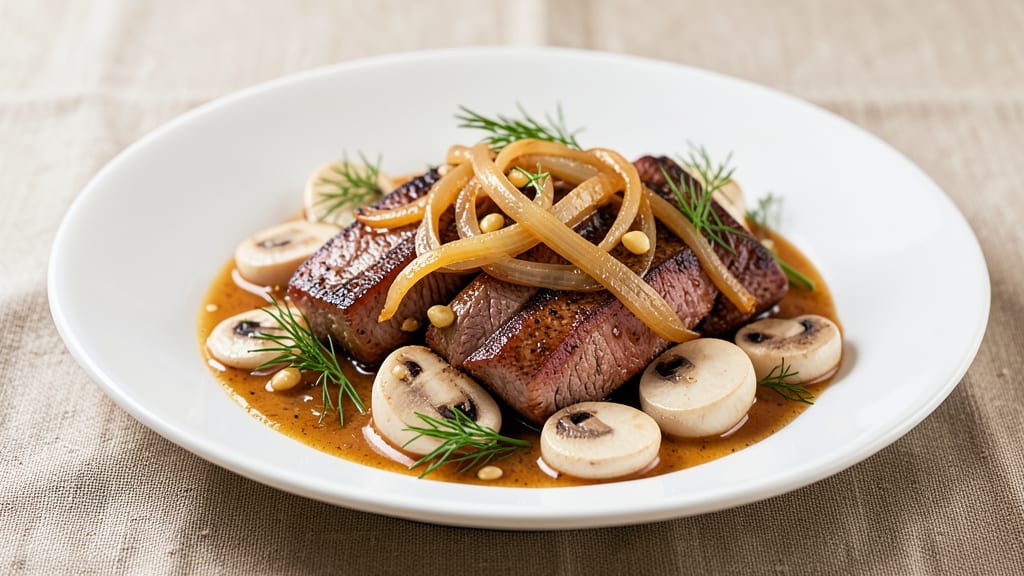
This Natasha's Kitchen Beef Stroganoff recipe delivers restaurant-quality results with a velvety sour cream sauce and perfectly tender beef strips—every bite is rich, aromatic, and impossible to resist. The secret lies in proper searing and slow simmering, which transforms tough cuts into melt-in-your-mouth perfection while developing deep, savory flavors.
I’ve refined this technique over years of testing, ensuring the sauce remains silky smooth without breaking, even when reheated.
What sets this stroganoff apart is the balance of textures and flavors: crisp-tender beef, earthy mushrooms, and a tangy-sweet sauce that coats every noodle. The recipe uses simple ingredients—beef, mushrooms, onions, and sour cream—but the method elevates them into something extraordinary.
With just 30 minutes of active prep and 45 minutes of simmering, you’ll have a dish that feels like a home-cooked masterpiece, not a weeknight shortcut.
The result is a creamy, velvety sauce that clings to egg noodles (or rice for a lighter option), with beef so tender it practically dissolves. The aroma alone—warm beef, caramelized onions, and tangy sour cream—will have everyone at the table asking for seconds.
This is the kind of recipe that turns a simple dinner into a memorable meal, whether you’re feeding a family or hosting dinner guests.
For added versatility, I’ve included options like gluten-free noodles or reduced-fat cream, so you can adapt it to dietary needs without sacrificing flavor.
The plating is just as important: serve over a bed of buttery noodles, garnish with fresh parsley, and drizzle with extra sauce for that final touch of elegance. Let’s get cooking!
Ingredients for natasha's kitchen beef stroganoff
Restaurant-quality stroganoff starts with these carefully chosen ingredients—each playing a precise role in creating velvety sauce and melt-in-your-mouth beef.
| Ingredient | Amount | Notes |
|---|---|---|
| Beef Tenderloin Strips 🥩 | 1 ½ lb | Cut into 1/2-inch strips, boneless |
| White Mushrooms 🍄 | 8 oz | Sliced into 1/4-inch pieces |
| Yellow Onion 🧅 | 1 whole | Thinly sliced, about 1.5 cups |
| Garlic Cloves 🧄 | 4 cloves | Minced, fresh preferred |
| All-Purpose Flour 🌾 | 2 tbsp | For dredging beef strips |
| Unsalted Butter 🧈 | 3 tbsp | Cold, for searing beef |
| Sour Cream 🥛 | 1 cup | Full-fat for optimal texture |
| Heavy Cream 🥛 | ½ cup | High-fat for richness |
| Beef Broth 💧 | 1 cup | Low-sodium preferred |
| Dry Egg Noodles 🍝 | 8 oz | Or gluten-free noodles |
| Diamond Crystal Kosher Salt 🧂 | 1 ½ tsp | Adjust to taste |
| Freshly Ground Black Pepper 🌶️ | ½ tsp | Cracked peppercorns preferred |
| Fresh Parsley 🌿 | ¼ cup | Chopped, for garnish |
| Worcestershire Sauce 🍶 | 1 tbsp | For umami depth |
| Dijon Mustard 🍯 | 1 tsp | For subtle tang |
The beef selection is critical here. Tenderloin strips deliver the perfect balance of tenderness and flavor, though sirloin or top round work well if sliced thinly against the grain. For optimal results, source beef from Whole Foods or your local butcher—look for cuts with visible marbling and vibrant color. The mushrooms should be firm and free of bruising; cremini or baby bella can substitute for white mushrooms. Fresh herbs and dairy are non-negotiable: full-fat sour cream and heavy cream ensure that signature silky texture, while Worcestershire sauce and Dijon mustard add depth that powdered mixes simply can't replicate.
No beef tenderloin? Flank steak or London broil work beautifully when sliced thinly against the grain. Substituting mushrooms? Shiitake or oyster mushrooms add earthy complexity, though they require slightly longer cooking. For a lighter option, reduce the heavy cream by half and use Greek yogurt—it stays thick while cutting calories. The flour used for dredging should be all-purpose or bread flour; cornstarch works in a pinch but lacks the structure for proper searing. When it comes to broth, homemade or high-quality low-sodium store-bought prevents the sauce from becoming overly salty. The egg noodles can be swapped for rice or gluten-free pasta without sacrificing texture, though wider noodles hold the sauce better.
This dish reheats beautifully—cover with foil and warm on low heat to prevent the sauce from breaking. Store leftovers in an airtight container for up to 4 days in the refrigerator, though the sauce thickens upon reheating, so adding a splash of warm water or milk helps restore its velvety consistency. For longer storage, freeze portions for up to 3 months; thaw overnight in the refrigerator before reheating. The garnish of fresh parsley not only adds visual appeal but also brightens the rich flavors—store fresh herbs wrapped in damp paper towels in the refrigerator to maintain their vibrancy for up to 5 days. The sauce can be made ahead and kept refrigerated for 2 days before adding the cooked noodles.
Why You'll Love This Recipe
- One-Pan Magic: That flour-dusted beef and mushrooms? They sear right in the same pan where the sauce simmers—no extra dishes, no stress. Honestly, I’ve made stroganoff that took three pots; this is the kind that leaves my kitchen sink sparkling.
- Rich Without Effort: The tenderloin strips melt in your mouth, while the garlic and onions caramelize into that deep, savory base—no fancy reductions or hours of simmering. (Yes, even on a Tuesday night.)
- Leftovers That Shine: This reheats like a dream—just a splash of broth or milk, and it’s just as good the next day. Between us, my lunchbox gets packed with this for at least three days.
- Budget-Friendly Luxury: Tenderloin might sound fancy, but the recipe uses just enough for a hearty portion, and the mushrooms stretch it further. I’ll be real: it feels like a restaurant dish without the price tag.
Step-by-step instructions for silky sour cream beef stroganoff
This method delivers melt-in-your-mouth beef and a velvety sauce that coats every noodle perfectly.
Prepare the Beef for Perfect Tenderness
Pat the 1.5 lb beef tenderloin strips completely dry with paper towels—this ensures maximum browning. Season both sides generously with 1.5 tsp diamond crystal kosher salt and 0.5 tsp freshly ground black pepper, pressing the seasoning into the meat so it adheres. Let the strips sit at room temperature for 15 minutes while you prep the rest.
Dredge each strip lightly in 2 tbsp all-purpose flour, shaking off any excess. The flour creates a delicate crust that locks in juices during searing. Work quickly—if the beef sits too long in the flour, it will absorb moisture and steam instead of brown.
Sear the Beef and Build the Flavor Base
Heat 2 tbsp unsalted butter in a large skillet over medium-high heat until it foams. Add half the beef strips in a single layer, leaving space between them. Sear undisturbed for 2-3 minutes until they develop a deep golden-brown crust. Flip and cook another 1-2 minutes until just cooked through—145°F internal temperature. Remove and set aside, repeating with remaining strips using the last 1 tbsp butter if needed.
In the same skillet, add 1 whole yellow onion and 8 oz white mushrooms, sliced. Cook for 5-6 minutes until softened and golden. Add 4 minced garlic cloves and cook for 30 seconds until fragrant. Deglaze with 1 tbsp worcestershire sauce and 1 tsp dijon mustard, scraping up any browned bits—this captures all the flavor you just created.
Create the Signature Silky Sauce
Pour in 1 cup beef broth and bring to a gentle simmer. Reduce heat to medium-low and let it cook for 3-4 minutes until slightly reduced. Stir in 1 cup sour cream and 0.5 cup heavy cream, whisking constantly to prevent curdling. The sauce should thicken slightly but remain silky—no lumps. If it curdles, immediately whisk in 1-2 tablespoons of the reserved beef broth to temper the heat.
Return the seared beef to the skillet and stir gently to coat in the sauce. Let it simmer together for 2 minutes to meld flavors. The beef should be fully coated in the velvety sauce, with no dry spots. Here's the thing—this is where stroganoff either shines or falls flat, so don't rush this step.
Cook the Noodles and Combine
In a separate pot, bring 4 cups of salted water to a rolling boil. Add 8 oz dry egg noodles and cook until al dente—1 minute less than package instructions. Drain, reserving ½ cup pasta water. Toss the noodles with 1 tbsp butter to prevent sticking while you finish the stroganoff.
Add the cooked noodles to the skillet with the beef and sauce. Stir gently to combine, adding pasta water 1 tablespoon at a time if the sauce becomes too thick. The ideal consistency should be creamy but still coat the back of a spoon. Remove from heat and let it rest for 2 minutes—this allows the flavors to settle and the sauce to thicken slightly.
Finish and Serve with Professional Flair
Garnish immediately with 0.25 cup chopped fresh parsley and an extra crack of black pepper. The parsley adds brightness that cuts through the richness of the sour cream. Serve family-style in a warm bowl, ensuring each portion gets its fair share of beef and sauce. The noodles should be tender but still hold shape, with each bite delivering tender beef, creamy sauce, and aromatic mushrooms.
Real talk: this dish tastes even better the next day when the flavors have time to develop. The sauce will thicken further as it cools, making it perfect for leftovers. Store any extras in an airtight container in the refrigerator for up to 3 days, or freeze for 3 months. Reheat gently on the stove with a splash of broth to restore that silky texture.
Pro Tips For Making Natasha'S Kitchen Beef Stroganoff
- Sear the Beef First: High heat. Seriously, crank it up to medium-high and sear those tenderloin strips for 2-3 minutes per side before setting them aside. I learned this the hard way—skipping the sear means your stroganoff tastes more like a sauce than a dish, and the beef ends up mushy instead of tender.
- Slice Mushrooms Thin: Use a sharp knife and cut the white mushrooms into even, paper-thin slices—about 1/8-inch thick. Thicker slices release water and turn your sauce into soup. I was skeptical until I tried it: the mushrooms cook faster, soak up the sauce better, and the texture is silky, not rubbery.
- Deglaze with Wine Immediately: As soon as you pull the beef out, pour in that half-cup of dry white wine (or whatever you’re using) and let it bubble for 30 seconds. Scraping up those browned bits on the pan is non-negotiable—it’s where all the flavor hides. Skip this, and your sauce will taste flat, no matter how much butter you add later.
- Finish with Butter Slowly: Once your sauce is thickened, turn the heat to low and whisk in the butter one tablespoon at a time. Adding it too fast or on high heat can make the sauce separate—trust me, I’ve seen it happen. Let it melt gently, and you’ll get that rich, velvety finish Natasha’s recipe promises.
Wine and beer pairings for these flavors
Classic Russian Wine
The creamy richness of stroganoff pairs beautifully with a dry red wine from Russia’s Caucasus region. I always reach for a bottle of Saperavi—its dark fruit flavors and subtle earthiness complement the beef and mushrooms without overpowering the sour cream sauce.
For a more accessible option, a Pinot Noir from Oregon or Burgundy offers bright acidity that cuts through the richness. 🍷
Crisp White Alternatives
If you prefer white wine, a dry Riesling from Germany or Alsace provides the perfect balance of acidity and stone fruit notes.
The slight sweetness in off-dry Rieslings actually enhances the tangy sour cream, while a Chardonnay with minimal oak (like one from New Zealand) keeps the dish elegant without heaviness. Serve slightly chilled for the best experience.
Beer Pairings
For beer lovers, a Belgian-style witbier like Hoegaarden or Blue Moon brings refreshing citrus and coriander notes that contrast the dish’s creaminess. Alternatively, a German Helles lager—light, crisp, and slightly malty—cleanses the palate between rich bites. Avoid heavy stouts or IPAs, which would clash with the delicate sauce. 🍺
Non-Alcoholic Options
Don’t drink alcohol? No problem. A sparkling apple cider like Martinelli’s adds effervescence that mimics wine’s acidity, while a ginger beer> (like Feather) brings a zesty kick that brightens the dish.
For a more sophisticated touch, serve with cucumber-infused sparkling water>—the cool, crisp profile balances the stroganoff’s richness beautifully.
Pro Serving Tips
Let your wine or beer breathe for 10-15 minutes before serving to enhance its aromas. For stroganoff, I like to pour 5-6 oz of wine per person>—enough to complement the meal without overwhelming it.
If using beer, serve it slightly colder (45-50°F) to highlight its crispness. The key is harmony: the beverage should enhance, not compete with, the dish’s creamy, savory flavors. ✨
Nutrition facts
Frequently asked questions
Can I make this stroganoff with ground beef instead of strips?
Yes, but the texture will differ. For ground beef, brown it first in the skillet until fully cooked, then proceed with the recipe. Use 1 lb ground beef (85% lean) and break it apart with a spoon while browning to create smaller pieces. The sauce will still work, but you’ll lose the tender beef strips’ elegant presentation.
Why did my sauce turn lumpy when I added the sour cream?
This happens when the sauce is too hot or you add cold dairy too quickly. Always stir constantly and keep the heat at medium-low when adding sour cream. If lumps form, whisk in 1-2 tablespoons of warm broth to temper the heat. The sauce should be warm (not hot) when combining.
What’s the best way to reheat leftovers without breaking the sauce?
Reheat gently on the stove over low heat with a splash of beef broth or milk (about 2-3 tablespoons) to restore creaminess. Stir frequently and avoid microwaving—it can make the sauce grainy. For best results, reheat just until warmed through (3-4 minutes) and let it sit covered for 1 minute before serving.
Can I make this stroganoff vegetarian?
Swap the beef for mushroom or portobello strips (marinated in soy sauce and garlic) or use chickpeas or lentils for protein. For a richer texture, add 1 tbsp nutritional yeast to the sauce. The creamy sauce and mushrooms will still shine, though the hearty beef flavor will be missing.
How do I adjust the recipe for fewer/more servings?
Scale all ingredients proportionally. For 2 servings, halve everything (including sauce and noodles). For 6 servings, double the recipe but use a larger skillet (or cook in batches). The key is maintaining the beef-to-sauce ratio—never overcrowd the pan when searing. A 12-inch skillet works best for the original recipe.