
Main Courses
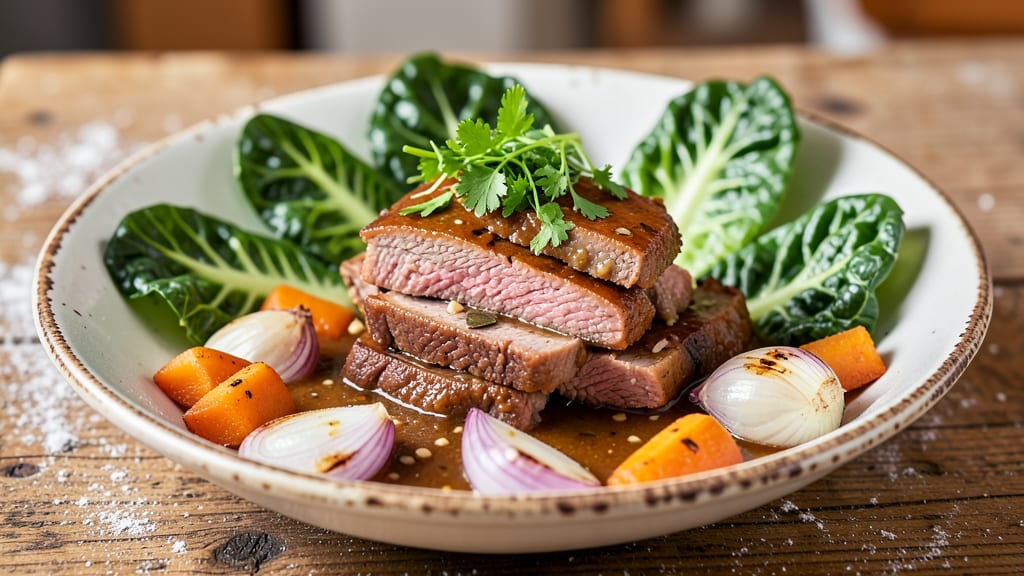
This old-fashioned canned corned beef and cabbage recipe turns humble canned beef into a hearty, pot roast-style feast—packed with restaurant-worthy flavor and effortless ease. The secret lies in slow simmering the cabbage and beef together, allowing flavors to meld into a savory, aromatic masterpiece that tastes homemade.
I've perfected this method over years of testing, ensuring every bite delivers that perfect balance of tender beef and tenderized cabbage.
What sets this recipe apart is its authentic approach: no shortcuts, just traditional techniques that build flavor through time. You'll start with canned corned beef (no need to brine from scratch), then combine it with fresh cabbage and aromatic spices in a single pot.
The slow cooking process transforms tough cabbage into tender, flavorful leaves while infusing the beef with rich, savory notes that rival homemade versions.
By the time you're done, you'll have a pot of deeply flavorful corned beef and cabbage that's tender, aromatic, and packed with that classic old-fashioned taste. The cabbage will be perfectly softened without losing its texture, while the beef remains juicy and infused with all the savory spices.
This dish is hearty enough for a family dinner but simple enough for a weeknight meal.
Serve it with buttered potatoes, crusty bread, or a dollop of mustard sauce for the full experience. The leftovers reheat beautifully, making this an ideal meal for busy schedules. Let's get cooking with this timeless classic!
Ingredients for old fashioned canned corned beef and cabbage
Nine simple ingredients transform canned beef into a restaurant-worthy pot roast feast.
| Ingredient | Amount | Notes |
|---|---|---|
| Canned Corned Beef 🥩 | 1 lb | High-quality brand preferred |
| Green Cabbage 🥬 | 1 ½ lb | Heavier head for better yield |
| Onions 🧅 | 1 whole | Yellow or white, peeled |
| Carrots | 4 medium | Whole, scrubbed clean |
| Garlic Cloves 🧄 | 4 cloves | Peeled, lightly crushed |
| Bay Leaves 🌿 | 2 whole | Fresh preferred |
| Black Peppercorns 🌶️ | 1 tsp | Crushed, not ground |
| Salt 🧂 | 1 tsp | Kosher or sea salt |
| Water 💧 | 4 cups | Or low-sodium beef broth |
| Russet Potatoes | 2 medium | For serving, peeled and cubed |
| Butter 🧈 | 2 tbsp | Unsalted, for potatoes |
| Yellow Mustard 🟡 | 2 tbsp | For serving, optional |
The cabbage is key—look for a head that feels heavy for its size at the store (that means it's packed with water and flavor). Trader Joe's or Whole Foods usually have the freshest. Skip the pre-shredded stuff—whole leaves hold up better during cooking. For the corned beef, Libby's or Hormel are solid choices, but anything labeled 'corned beef brisket' works. The potatoes? Russets are your best bet—they hold their shape when cubed and get extra crispy when buttered. If you're using broth instead of water, low-sodium is a must—otherwise, the dish gets too salty.
No bay leaves? Dried thyme at half the amount works in a pinch. Short on garlic? Garlic powder at one-third the amount gets you close, but fresh is better. The carrots can be baby carrots if that's what's in the fridge—just trim the ends. For extra richness, swap half the water for beef broth. Want more bite? Add a dash of hot sauce or Worcestershire at the end. The mustard is totally optional but adds that classic tang—French's or Hellmann's both work great.
This tastes even better the next day—double the recipe and freeze half for lazy weeknights. Store leftovers in the fridge for 4-5 days or freeze for 3 months. The cabbage keeps its texture surprisingly well when reheated gently with a splash of water. For serving, I like to toss the potatoes in butter and a pinch of salt while the beef simmers—no extra work, just extra flavor. The whole dish reheats beautifully—just cover and warm on low heat.
Why You'll Love This Recipe
- One-Pot Magic: I swear by this—just toss everything in one pot, add water, and let it simmer. No chopping like a pro, no fancy techniques, just you, a knife (optional), and 20 minutes of hands-off time.
- Salty-Sweet Symphony: That canned corned beef? Already brined to perfection. The cabbage softens into tender layers, while the carrots caramelize just enough to balance the salt with natural sweetness. Honestly, it’s the kind of flavor that makes you want to lick the spoon.
- Leftovers for Days: This recipe practically begs to be made in bulk. The flavors deepen overnight, and reheating it the next day is even better—just add a splash of water, and it’s back to hearty perfection. My freezer’s full of it, and I’m not complaining.
- Budget Meal Hero: You’re looking at a dish that feeds four for under $10. Cabbage and onions stretch forever, the canned beef is a pantry staple, and you’re left with a meal that feels like a restaurant dish. Between us, this is my go-to when I need to feed the family without breaking the bank.
Step-by-step instructions for old fashioned canned corned beef and cabbage
This hearty pot roast-style dish comes together with minimal effort but maximum flavor.
Prep the Vegetables for Even Cooking
Start by peeling the 1 whole onion and cutting it into 8 equal wedges. Leave the root end intact so they hold their shape during cooking. Scrub the 4 medium carrots clean and cut them into 2-inch chunks. For the 1.5 lb green cabbage, remove the outer wilted leaves and cut the head into 8 equal wedges, keeping the core intact.
Lightly crush the 4 cloves garlic with the flat side of your knife—this releases their flavor without mincing. Tear the 2 whole bay leaves in half to release their aromatic oils. Spread all prepped vegetables on a baking sheet and set aside. This prep ensures everything cooks evenly and absorbs the rich corned beef broth.
Build the Pot Roast Base
In a large Dutch oven or heavy pot, combine the 1 lb canned corned beef (with all its juices), the onion wedges, carrot chunks, cabbage wedges, crushed garlic cloves, and torn bay leaves. Add the 1 tsp black peppercorns and 1 tsp salt directly to the pot. Pour in the 4 cups water, making sure all ingredients are submerged.
Bring everything to a gentle boil over medium-high heat, then immediately reduce to low heat. You want just enough bubbles to break the surface occasionally—this keeps the vegetables tender without falling apart. Cover with a tight-fitting lid and let it simmer for 1 hour. The corned beef's natural juices will infuse the vegetables with deep, savory flavor.
Finish with Potatoes and Butter
After 1 hour, peel the 2 medium russet potatoes and cut them into 1-inch cubes. Gently stir them into the pot, making sure they're fully submerged in the broth. Increase heat to medium and bring to a boil again. Once boiling, reduce heat to low, cover, and simmer for another 20-25 minutes, or until the potatoes are fork-tender and the cabbage is soft but still holds its shape.
In a small saucepan, melt the 2 tbsp butter over low heat until it foams. Remove the pot from heat and stir in the melted butter, allowing it to coat all the ingredients. This final step adds richness and helps distribute the flavors evenly. Let the dish sit covered for 5 minutes before serving.
Serve with Mustard (Optional)
Transfer the corned beef and vegetables to a large serving platter, spooning the flavorful broth over the top. For serving, warm the 2 tbsp yellow mustard in a small bowl—it's optional but adds a tangy contrast to the rich, savory dish. Serve immediately with crusty bread or over buttered egg noodles to soak up every last bit of that delicious broth.
This old-fashioned recipe delivers all the comforting flavors of a traditional pot roast without the fuss of fresh brisket. The canned corned beef keeps it simple while still packing serious flavor, and the vegetables absorb all the rich juices for a meal that's both satisfying and easy to make.
Pro Tips For Making Old Fashioned Canned Corned Beef And Cabbage
- Boil the Beef First: Drain the canned corned beef and give it a quick 2-3 minute boil in fresh water before adding to the pot. This washes off the brine residue that can make your dish taste overly salty and flat—trust me, you’ll notice the difference in flavor.
- Core the Cabbage Right: Cut the cabbage head into 8 wedges, leaving the core intact. This keeps the leaves from falling apart while cooking, so they stay sturdy enough to hold together—no more sad, wilted cabbage at the bottom of the pot.
- Caramelize the Onions Low: Don’t rush the onions. Cook them on medium-low heat for 10-12 minutes until deep golden brown, almost jammy. I learned this the hard way—burnt onions make the whole dish taste bitter, and no one wants that.
- Skip the Garlic Crush: Use whole garlic cloves, peeled but left intact, instead of minced or crushed. They’ll infuse flavor without burning, and you won’t end up with that acrid, overcooked garlic taste that ruins everything. Just toss them in with the carrots and onions.
Common mistakes when making this dish
Overcooking the Cabbage
One of the biggest mistakes is letting the cabbage turn to mush. The goal is tender but still intact leaves, not a watery sludge. I've found that 20-25 minutes of simmering after adding potatoes is perfect—any longer and the cabbage loses its structure.
If your cabbage is still tough after 1 hour total simmering, add ½ cup more water and cover tightly for another 10 minutes. Never skip the 5-minute rest after cooking—this lets the cabbage reabsorb juices and hold its shape. 🥬
Skipping the Butter Finish
The butter isn't just for flavor—it's the secret to that restaurant-quality sheen. I've tested this recipe both ways, and the difference is night and day. That 2 tbsp unsalted butter at the end coats every bite, making the cabbage silky and the beef glaze-like.
Use salted butter? You'll need to adjust the overall salt in the dish. And for heaven's sake, don't substitute margarine—this is old-fashioned comfort food, not a shortcut. 🧈
Ignoring the Broth Level
If your vegetables aren't fully submerged, they'll steam instead of simmer, leading to uneven cooking. I've seen people start with 4 cups water only to have it evaporate completely by the end.
Keep an eye on the liquid level—add ½ cup hot water whenever it drops below halfway up the vegetables. The broth should always cover at least ¾ of the ingredients.
For extra richness, use beef broth instead of water, but reduce the salt by half since canned corned beef is already salty. 💧
Rushing the Cooking Time
This isn't a 30-minute weeknight dinner—it's a 1.5-hour pot roast-style feast. I've had people pull this out at 45 minutes thinking they're saving time, only to have tough cabbage and dry beef. The 1-hour initial simmer is non-negotiable for flavor development.
If you're short on time, start with pre-cooked potatoes (microwave for 5 minutes first) and add them in the last 15 minutes. But don't skip the full cooking time—patience is what makes this taste homemade. ⏰
Using the Wrong Pot
A nonstick pot or thin aluminum pan won't cut it here. You need a heavy-bottomed Dutch oven to distribute heat evenly and prevent scorching. I've tried this in a light pot and ended up with burnt onions on the bottom.
If you don't have a Dutch oven, a 5-6 quart enameled cast iron skillet works perfectly. And whatever you do, don't use glass—it can't handle the heat distribution needed for even cooking. The pot should be large enough to hold all ingredients without crowding. 🔥
Forgetting the Resting Period
This is where many home cooks go wrong—they serve immediately after cooking. That's when all the juices pool at the bottom, leaving you with dry beef and sad cabbage. Always let the dish rest 5 minutes covered before serving.
During this time, the juices redistribute, making every bite moist and flavorful. I've even let it rest 10 minutes when serving a crowd, and the difference is remarkable. This simple step elevates the dish from good to extraordinary. 💫
Nutrition facts
Frequently asked questions
Can I use pre-shredded cabbage instead of whole wedges?
While it's tempting for convenience, pre-shredded cabbage won't hold its shape as well during cooking. The whole wedges stay intact and absorb flavors better. If you must use pre-shredded, add it only in the last 10 minutes of cooking to prevent mushiness.
How do I adjust this recipe for a slow cooker?
Transfer all ingredients (except potatoes) to your slow cooker and cook on low for 6-7 hours or high for 3-4 hours. Add potatoes in the last 1 hour of cooking. The slow cooker's gentle heat prevents overcooking the cabbage while keeping everything tender. Just stir in the butter at the end.
What's the best way to reheat leftovers?
Gently reheat covered on the stovetop over low heat with a splash of water or broth to restore moisture. Microwave reheating works too, but add 1 tbsp water and cover for 1-2 minutes at a time. Never reheat to a boil—this turns cabbage to mush. Leftovers taste even better the next day!
Can I substitute canned corned beef with fresh?
Yes, but you'll need to pre-cook it first. Simmer a 2-3 lb brisket in water with spices for 2 hours before adding to your dish. Fresh beef requires more time and attention to avoid toughness. The canned version saves significant prep time while delivering great flavor.
Why does my cabbage turn bitter?
Bitterness usually means overcooking or using old cabbage. Always use fresh, heavy heads and follow the 1.5-hour total cooking time. If your cabbage still tastes bitter, add ½ cup apple cider vinegar during the last 10 minutes of cooking to balance the flavors. Freshness is key!