
Main Courses
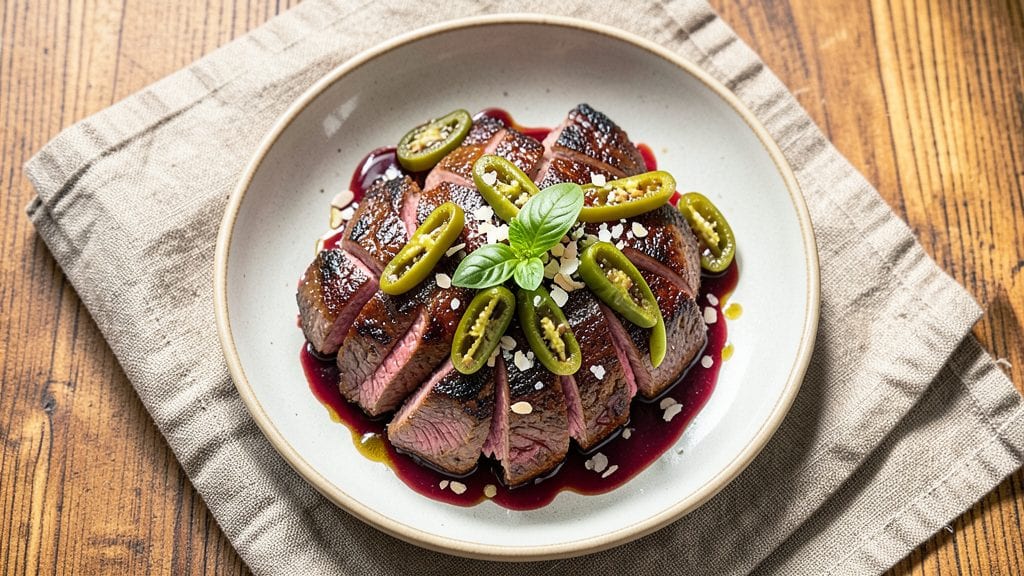
This pepperoncini beef recipe transforms tough cuts into tender, spicy bites that balance heat and richness perfectly. The secret lies in a tangy marinade of pickled pepperoncini peppers, garlic, and red wine vinegar—just 15 minutes of prep before grilling or pan-searing.
I first developed this during a Boston winter when I needed a dish that could handle both the cold and my family's love of bold flavors.
The marinade works its magic while you cook, infusing the beef with that signature spicy-sweet kick from the pepperoncini. For best results, use flank steak or sirloin—thinly sliced and marinated for at least 30 minutes (overnight for maximum tenderness).
The acidity tenderizes the meat while the olive oil keeps it juicy, and the red pepper flakes add just enough heat to linger. This isn't just a recipe; it's a flavor transformation.
By the time you serve it, you'll have tender beef with crisp edges, each bite bursting with briny, spicy, and slightly sweet notes. The pepperoncini's tang cuts through the richness, making this dish both satisfying and refreshing.
Pair it with roasted potatoes or a simple arugula salad to balance the heat. The leftovers reheat beautifully too—just a quick sear in a hot pan restores that restaurant-quality texture.
Here's where it gets interesting—this recipe scales effortlessly. Double the marinade for a crowd, or halve it for a weeknight dinner. The technique stays the same, but the occasion doesn't matter.
Whether you're feeding a family or treating yourself, the result is always restaurant-quality beef that tastes like it was made with love—and maybe a little Italian stubbornness. Let's get cooking.
Ingredients for pepperoncini beef
Tender beef meets bold flavors in this spicy marinade—just 12 ingredients for restaurant-quality bites.
| Ingredient | Amount | Notes |
|---|---|---|
| Flank Steak 🥩 | 1 ½ lb | Thinly sliced against grain |
| Pickled Pepperoncini Peppers 🌶️ | ½ cup | Chopped, with juice |
| Red Wine Vinegar 🍷 | ¼ cup | For tangy marinade |
| Extra-Virgin Olive Oil 🫒 | ⅓ cup | For richness and moisture |
| Garlic Cloves 🧄 | 4 cloves | Minced for bold flavor |
| Red Pepper Flakes 🌶️ | 1 tsp | Adjust for heat preference |
| Salt 🧂 | 1 ½ tsp | Kosher or sea salt |
| Black Pepper 🌶️ | ½ tsp | Freshly ground preferred |
| Dried Oregano 🌿 | 1 tsp | Italian or Mediterranean |
| Fresh Basil Leaves 🌿 | ¼ cup | Chopped for garnish |
| Lemon Juice 🍋 | 1 tbsp | Freshly squeezed |
| Red Wine 🍷 | ¼ cup | Optional, for depth |
| Garlic Powder 🧄 | ½ tsp | For extra garlic flavor |
The beef is everything here. Flank steak is perfect—it's lean but tender when sliced thin and marinated right. I grab mine from Whole Foods or the butcher counter at Trader Joe's when it's on sale. Look for bright red meat with good marbling, not gray or slimy. If you can't find flank steak, sirloin or skirt steak work too, but slice them extra thin. The pepperoncini peppers? Trader Joe's has the best jars—bright green, not murky. If yours are cloudy, drain and rinse them first. Fresh basil is a must (the good stuff, not the pre-shredded kind) for garnish, but dried oregano works in a pinch for the marinade.
No pepperoncini? Pickled jalapeños or banana peppers add a similar tang, but you'll lose that signature sweet-spicy kick. Short on red wine vinegar? Apple cider vinegar or balsamic works, but the flavor won't be quite the same. The red wine is optional, but if you've got a bold Cabernet Sauvignon open, use it—it deepens the marinade. For heat, crushed red pepper is stronger than flakes, so use half the amount. The garlic? Fresh is non-negotiable here. If you're not a fan of raw garlic, roast it first—it mellows the flavor but still packs a punch. And if you're feeding a crowd, double the marinade and keep the beef separate so everyone gets the same tender treatment.
This marinade is best made fresh, but you can prep it a day ahead. Store it in the fridge in a sealed container for up to 3 days. The beef? Marinate for at least 30 minutes, but overnight is ideal—it makes all the difference. Leftovers reheat beautifully—just sear them in a hot pan for 2-3 minutes per side to restore that crisp edge. I always make extra marinade to use as a quick sauce for pasta or grilled veggies. It keeps for 1 week in the fridge, so no waste there.
Why You'll Love This Recipe
- Foolproof Marination: I swear by the red wine vinegar and olive oil combo—just 15 minutes soaking turns tough flank steak into something tender and packed with bright, tangy flavor. No fancy techniques, just let the acid work its magic while you prep the rest.
- Tangy Kick: That briny, spicy pepperoncini punch cuts through the richness of the steak like a wake-up call. Honestly, the first bite makes me reach for seconds without thinking—it’s the kind of bold flavor that sticks with you.
- Weeknight Flex: This dish works for lunch, dinner, or even a picnic. Slice it thin for sandwiches, serve it over crusty bread, or toss it into salads—it’s my go-to when I need something reliable but still special.
- Budget Win: Flank steak stretches further than you’d think, and pepperoncini peppers last forever in the fridge. Between us, this is one of those recipes where the ingredients don’t break the bank, but the taste feels like a splurge.
Step-by-step instructions for pepperoncini beef
Here's how to transform tough flank steak into tender, spicy bites with a tangy kick.
Prepare the Marinade and Slice the Steak
In a medium bowl, combine the 0.25 cup red wine vinegar, 0.33 cup extra-virgin olive oil, 1 tbsp lemon juice, 0.25 cup red wine, 0.5 tsp garlic powder, 1 tsp dried oregano, 1.5 tsp salt, 0.5 tsp black pepper, and 1 tsp red pepper flakes. Whisk until fully blended and the spices are evenly distributed. This marinade needs to infuse the steak for maximum flavor.
While the marinade works, slice the 1.5 lb flank steak thinly against the grain into ¼-inch thick strips. You'll want uniform slices for even cooking. Place the sliced steak in a resealable plastic bag and pour the marinade over it. Seal the bag and massage the marinade into the meat, ensuring every slice gets coated. Let it marinate in the refrigerator for at least 4 hours, or overnight for best results. The acidity in the vinegar will tenderize the meat while the spices penetrate deeply.
Cook the Steak to Perfect Doneness
Remove the steak from the marinade (reserve the marinade for later) and pat the slices dry with paper towels. Heat a large skillet over medium-high heat until it's hot but not smoking. Add the steak in a single layer, leaving space between slices so they don't steam. Cook for 2-3 minutes per side until the steak reaches an internal temperature of 145°F and is browned but still slightly pink in the center. You want it tender, not fully cooked through.
As the steak cooks, you'll notice the marinade's flavors intensifying in the pan. If the steak releases easily from the pan, it's ready to flip. Transfer the cooked steak to a plate and tent loosely with foil to keep it warm while you prepare the sauce. The residual heat will carry it to perfect doneness while you finish the dish.
Create the Pepperoncini Sauce
In the same skillet, reduce the heat to medium and add the 4 cloves minced garlic cloves. Sauté for 30 seconds until fragrant—don't let it brown or it'll turn bitter. Pour in the reserved marinade and bring to a gentle simmer. Add the 0.5 cup chopped pickled pepperoncini peppers (with juice) and simmer for 3-4 minutes until the sauce thickens slightly and coats the back of a spoon.
Here's where the magic happens: stir in the 0.25 cup chopped fresh basil leaves and cook for another 30 seconds. The basil will wilt slightly and infuse the sauce with fresh aroma. Taste and adjust seasoning if needed—you might want to add a pinch more salt or red pepper flakes to balance the flavors. The sauce should be tangy, slightly spicy, and bright from the pepperoncini juice.
Finish and Serve
Return the cooked steak to the skillet with the sauce and toss gently to coat. Let it simmer together for 1-2 minutes so the steak absorbs the pepperoncini flavors. The steak should be fully tender with a beautiful pink center—this is what makes it perfect for slicing against the grain.
Divide the pepperoncini beef among plates and drizzle with any remaining sauce from the skillet. Garnish with additional chopped fresh basil leaves if desired. Serve immediately with crusty bread or over a bed of fresh arugula. The contrast of the warm, spicy beef with the cool, peppery greens makes this dish truly special. Each bite should deliver tender meat with a bright, tangy kick from the pepperoncini.
Pro Tips For Making Pepperoncini Beef
- Slice Against the Grain: Flank steak’s tough fibers run diagonally—cutting perpendicular to them turns chewy meat into tender, restaurant-quality bites. Grab your knife and angle those slices like you’re carving a Thanksgiving turkey, not hacking through it.
- Drain and Pat Pepperoncini: Those pickled peppers are briny little devils if you don’t handle them right. Drain them well, then blot them dry with a paper towel—wet peppers steam instead of crisp up, and you’ll end up with sad, soggy bites instead of bright, tangy crunch.
- Sear Until Blackened: Don’t be shy with the heat. Get that flank steak screaming hot in the pan until the edges are dark, almost charred—this locks in flavor and keeps the center juicy. I used to rush this, and the steak always tasted flat afterward.
- Marinate Overnight (Minimum): Even 30 minutes helps, but if you’re short on time, at least do 2 hours. The acid in the red wine vinegar and garlic needs time to penetrate that tough flank steak. I skip this when I’m lazy, and the meat fights me every step of the way.
Troubleshooting your pepperoncini beef
Overly Tough Beef
If your beef ends up tough instead of tender, you likely didn’t slice against the grain or didn’t marinate long enough. Slice the steak ¼-inch thick and always cut perpendicular to the muscle fibers.
For extra tenderness, marinate for overnight—the acid in the pepperoncini marinade breaks down tough fibers. If you’re short on time, pound the steak with a meat mallet first to even out thickness. 💡
Sauce Too Thin
A watery sauce usually means you didn’t reduce it enough. After adding the pepperoncini peppers, simmer the sauce uncovered for an extra 2-3 minutes to thicken it naturally.
If it’s still too thin, remove the skillet from heat and stir in 1 tsp cornstarch mixed with 1 tbsp water to thicken it instantly. Always taste as you go—adjust with more red pepper flakes or a splash of red wine vinegar if needed.
Uneven Cooking
Overcrowding the pan causes steaming instead of searing, leading to uneven doneness. Cook the beef in single layers with space between slices. If your pan isn’t large enough, work in batches—don’t rush it.
A 12-inch cast-iron skillet is ideal for this recipe. Use a meat thermometer to check internal temp—145°F is perfect for tender beef. 🌡️
Pepperoncini Too Spicy
If the heat level is overwhelming, reduce the red pepper flakes to ½ tsp next time. For a milder kick, remove the seeds and membranes from the pepperoncini before chopping.
If the dish is already cooked, balance the heat with a spoonful of honey or maple syrup stirred into the sauce. A squeeze of fresh lemon juice also helps cut through the spice.
Marinade Not Infusing
If the beef tastes bland, the marinade might not have penetrated enough. Always use a resealable plastic bag and massage the marinade into the meat to ensure full coverage. For extra flavor, let the beef marinate in the fridge for at least 4 hours—overnight is best.
If you’re in a hurry, pierce the steak with a fork before marinating to help the flavors seep in faster.
Dry, Chewy Texture
Dry beef usually means it was overcooked or not rested properly. Remove the steak from the pan when it reaches 145°F internal temperature—it will carry over to 150°F while resting. Tent with foil and let it rest for 5 minutes before serving.
If it’s still dry, toss the cooked beef back into the pan with a splash of the reserved marinade to rejuvenate the moisture. 💫
Nutrition facts
Frequently asked questions
What's the best cut of beef for this pepperoncini dish?
Flank steak is ideal—it's lean, flavorful, and becomes tender when sliced thin against the grain. Sirloin or skirt steak work too, but avoid tougher cuts like chuck. For extra tenderness, pound the meat to ¼-inch thickness before marinating. The acid in the pepperoncini marinade works magic on these cuts!
Can I make this recipe without pepperoncini peppers?
Yes! Use pickled jalapeños or banana peppers for a similar tangy kick. For a milder version, try capers or even artichoke hearts. The key is maintaining the briny, acidic balance—just adjust the red pepper flakes to taste. The marinade's base (vinegar, garlic, olive oil) will still deliver great flavor.
How do I adjust the heat level?
Start with ½ tsp red pepper flakes for mild heat, or 1 tsp for medium. For extra spice, add ¼ tsp cayenne pepper to the marinade. If it's too hot, balance with fresh basil or a squeeze of lemon juice. The pepperoncini's natural sweetness helps temper the heat naturally.
What's the best way to serve this dish?
Try it over crusty bread, with roasted potatoes, or alongside arugula salad. For a complete meal, add a simple tomato-basil soup. The pepperoncini beef reheats well—just sear in a hot pan for 2-3 minutes to restore crisp edges. Leftovers make great sandwiches too!
Can I grill this pepperoncini beef?
Grilling enhances the smoky flavor. Preheat to medium-high heat and cook for 2-3 minutes per side for medium-rare. Use a meat thermometer to hit 145°F. For extra char, finish with a quick sear in a hot skillet after grilling. The marinade's acidity prevents sticking, making it perfect for grilling.