
Main Courses
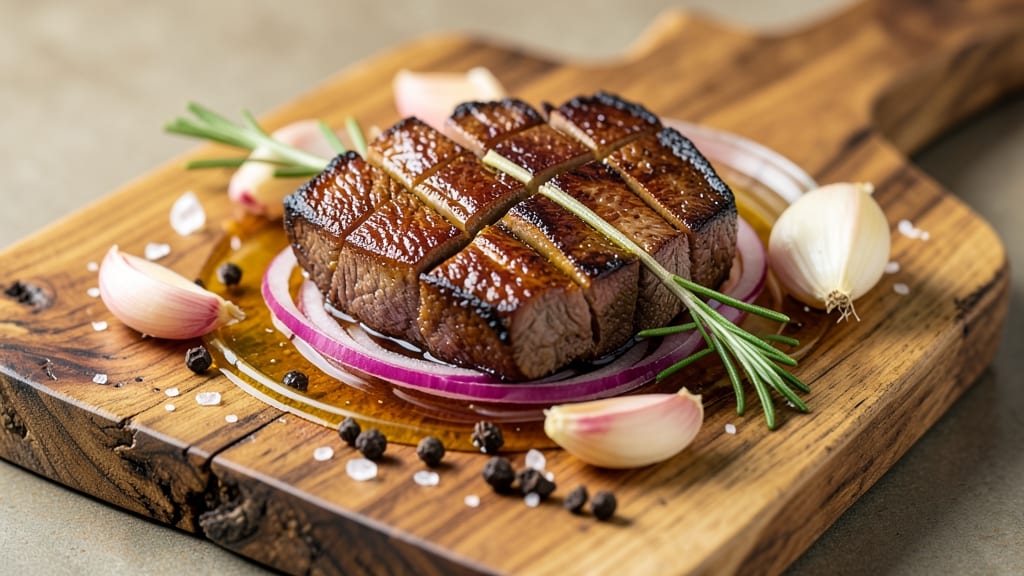
This pickled beef heart recipe transforms a humble offal into tangy, briny bite-sized bites that pack serious flavor punch—perfect for game day, charcuterie boards, or adventurous weeknight dinners.
I first encountered beef heart at a butcher's counter years ago and was skeptical until I tried it pickled, where the vinegar and spices work their magic to create a texture that's tender yet satisfying.
The key lies in proper preparation and a well-balanced brine that ensures food safety while delivering bold, complex flavors.
What sets this recipe apart is the foolproof method that handles beef heart's unique texture without requiring special equipment. After cleaning and scoring the heart to help the brine penetrate, we'll use a classic vinegar-based brine with garlic, mustard seeds, and bay leaves—simple ingredients that deliver restaurant-quality results.
The process takes just 30 minutes of active prep, followed by a 24-hour marinating period that transforms tough cuts into tender, flavorful bites.
By the time you're done, you'll have crisp-tender slices with a bright, tangy bite that cuts through rich dishes or stands alone as a snack. The aroma of garlic and vinegar will fill your kitchen, and the final product—golden-edged, glossy, and packed with flavor—will impress even the most skeptical eaters.
This is the kind of recipe that turns offal into something extraordinary with minimal effort.
Serve these pickled beef heart slices on crusty bread, pair them with mustard or horseradish, or use them as a protein boost in salads. The possibilities are endless, and the flavor is unforgettable. Let's get started with this game-changing recipe that proves offal can be delicious—and easy—to prepare at home.
Ingredients for pickled beef heart
Transform humble beef heart into restaurant-quality bites with these twelve precise ingredients.
| Ingredient | Amount | Notes |
|---|---|---|
| Beef Heart 🥩 | 1 lb | Whole, cleaned and scored |
| White Vinegar 💧 | 2 cups | Distilled, 5% acidity preferred |
| Water 💧 | 1 cup | Filtered preferred |
| Granulated Sugar 🍚 | ½ cup | White or raw cane |
| Diamond Crystal Kosher Salt 🧂 | ¼ cup | Coarse grain preferred |
| Garlic Cloves 🧄 | 6 cloves | Unpeeled, lightly smashed |
| Mustard Seeds 🌶️ | 1 tbsp | Whole, yellow preferred |
| Black Peppercorns 🌶️ | 1 tsp | Freshly cracked |
| Bay Leaves 🍃 | 2 whole | Dried, standard size |
| Red Wine Vinegar 🍷 | ½ cup | For depth of flavor |
| Fresh Dill Sprigs 🌿 | ¼ cup | Optional, for brightness |
| Extra-Virgin Olive Oil 🫒 | 2 tbsp | For final coating |
The beef heart is the star—source from a reputable butcher or high-quality meat purveyor like Whole Foods or local specialty shops that handle offal properly. Look for a heart that's fresh, bright red, and free of discoloration—this ensures optimal texture and flavor. If you're nervous about handling raw heart, gloves and thorough cleaning are non-negotiable. The scoring step (making shallow cuts in a crosshatch pattern) is critical—it allows the brine to penetrate deeply, transforming tough muscle into tender slices. For the vinegars, distilled white vinegar provides consistent acidity, while red wine vinegar adds complexity. Trader Joe's often carries both at reasonable prices, and their organic options work exceptionally well here.
No white vinegar? Apple cider vinegar works in a pinch, though it may impart slight sweetness. Substituting mustard seeds for 1 tsp ground mustard changes the texture but maintains flavor. The bay leaves can be omitted if unavailable, but dried thyme at 1/2 tsp provides a similar earthy note. For the garlic, garlic powder at 1/2 tsp is a poor substitute—fresh is essential for that pungent depth. The sugar can be swapped for honey or agave, though it may alter the brine's clarity slightly. If you're concerned about the heart's strong flavor, add 1 extra bay leaf and 1 tsp coriander seeds to balance it. The olive oil should be high-quality extra-virgin—cheap oil will compromise the final product's richness.
Store the pickled beef heart in an airtight glass container in the refrigerator for up to 3 weeks, though the flavor peaks after 48 hours. For longer storage, freeze in brine for up to 3 months—thaw in the fridge overnight before serving. The slices develop more depth of flavor over time, making this an ideal make-ahead dish for gatherings. Portion into small jars for easy snacking or charcuterie board presentation. The brine can be reused for 1-2 additional batches if strained and reheated, though flavor may diminish after the first reuse. Always ensure the heart is fully submerged in liquid to maintain safety and tenderness.
Why You'll Love This Recipe
- I’ll be real: beef heart is a steal compared to steak, and a jar of this lasts me weeks. The vinegar brine stretches it further, so you’re not just feeding your family—you’re filling your wallet back pocket too. Plus, it’s one of those recipes where the leftovers improve with time.
- Just Four Ingredients: I swear, this recipe is one of those "how did I not know this was a thing?" moments. You’re looking at beef heart, vinegar, sugar, and salt—that’s it. No fancy pantry trips, no last-minute ingredient scrambles. The vinegar does all the work while you sip your coffee.
- Tangy, Not Too Sharp: Between us, I was nervous about pickled beef heart—like, too vinegary or weirdly gamey. But the sugar balances the acid perfectly, giving it that bright, crisp punch without overpowering. It’s the kind of flavor that makes you reach for another slice, even when you’re full.
- Lunchbox Magic: Here’s what sold me—this stuff lasts forever in the fridge, and it’s perfect for packing. Cold or at room temp, it’s a protein powerhouse for work lunches, picnic spreads, or even a quick charcuterie board. My kids actually eat it now (small victories).
Step-by-step instructions for pickled beef heart
Master this technique for perfectly tender, tangy beef heart bites with a balanced briny-sweet profile.
Prepare and Score the Beef Heart
Begin by thoroughly cleaning the 1 lb beef heart under cold running water, removing any connective tissue or silver skin. Pat it completely dry with paper towels—this ensures proper pickling penetration and prevents surface mold. Place the heart on a cutting board and score the surface in a diamond pattern using a sharp chef's knife, cutting about ¼ inch deep. This creates uniform slices and allows the marinade to infuse more thoroughly.
Here's the thing—don't skip the scoring. The beef heart's dense muscle fibers need these channels to absorb the vinegar and spices evenly. You'll see the meat develop a beautiful lattice pattern that also makes for visually appealing bite-sized pieces. For best results, work with the heart at room temperature rather than straight from the refrigerator.
Create the Pickling Brine
In a medium saucepan, combine the 2 cups white vinegar, 1 cup water, 0.5 cup granulated sugar, and 0.25 cup diamond crystal kosher salt. Bring to a gentle simmer over medium heat, stirring constantly until the sugar and salt completely dissolve—this should take about 3-4 minutes. The mixture should be clear with no visible graininess.
While the brine heats, add the 6 cloves garlic cloves (lightly smashed), 1 tbsp mustard seeds, 1 tsp black peppercorns, and 2 whole bay leaves to the saucepan. Simmer for an additional 2 minutes to allow the aromatics to infuse the liquid. Remove from heat and let the mixture cool to room temperature. This aromatic base forms the flavor foundation for your pickled beef heart.
Combine and Pickle
Once the brine has cooled, transfer it to a large glass jar or non-reactive container with a lid. Add the scored beef heart to the jar, ensuring it's completely submerged in the liquid. Pour in the 0.5 cup red wine vinegar and 0.25 cup fresh dill sprigs (if using), pressing the heart down gently to submerge any floating pieces. The liquid should cover the heart by at least 1 inch—this prevents surface oxidation and ensures even pickling.
Seal the container tightly and refrigerate for at least 48 hours, though I recommend 72 hours for maximum tenderness and flavor development. The acidity will gradually break down the muscle fibers, transforming the dense beef heart into fork-tender morsels. Real talk: Don't rush this step. The longer it pickles, the more complex the flavor becomes, with a perfect balance of tangy, briny, and slightly sweet notes.
Finish and Serve
After the pickling period, remove the beef heart from the jar and pat it dry with paper towels. Transfer it to a clean cutting board and slice it into ½-inch thick pieces following the scored lines. Here's where the magic happens: heat 2 tbsp extra-virgin olive oil in a skillet over medium heat until shimmering. Add the sliced beef heart and sear for 1-2 minutes per side until lightly browned but still tender.
The pickled beef heart should maintain its shape while developing a subtle caramelization from the searing. Serve immediately while warm, drizzled with any remaining pickling liquid from the jar for an extra tangy kick. This technique transforms the beef heart into bite-sized pieces with a perfect texture—tender yet firm, with a bright acidity that cuts through rich flavors. Store any remaining pickling liquid in the refrigerator for up to 2 weeks to use as a marinade or salad dressing.
Pro Tips For Making Pickled Beef Heart
- Trim the Fat First: Beef heart has layers of connective tissue and fat that won’t pickle well—peel them off before slicing. I learned this the hard way when my first batch turned out chewy and uneven. Use a sharp knife and don’t rush; patience here saves you from regret later.
- Boil the Heart First: Cold beef heart straight into vinegar? Bad idea. Parboil it for 5–7 minutes to firm up the texture and remove any blood or impurities. Drain and rinse under cold water—this step guarantees your pickles stay bright and tender, not murky and rubbery.
- Use Exact Salt Measures: Diamond Crystal kosher salt is not the same as table salt—measure it properly (1 tablespoon = 18g, not the vague "to taste"). Too much salt makes the brine harsh; too little lets bacteria win. I once skipped measuring and ended up with a vinegar bath that tasted like a science experiment gone wrong.
- Add Spices Last: Toss in your garlic, peppercorns, or bay leaves after the brine cools slightly—hot liquid burns spices and dulls their flavor. Let the jar sit at room temp for 10 minutes before sealing, so everything infuses evenly. Sounds minor, but it makes a real difference in depth of flavor.
Flavor customization for this pickled beef heart
Classic Vinegar Base
The classic approach uses white vinegar as the primary acid, balanced with red wine vinegar for depth. I start with 2 cups white vinegar and 0.5 cup red wine vinegar for a bright yet complex flavor profile.
The 0.5 cup sugar and 0.25 cup kosher salt create a perfect briny-sweet balance that tenderizes the meat while adding subtle sweetness. This method delivers that iconic tangy bite that makes pickled beef heart so addictive. 💧
Spicy Heat Twist
For those who love heat, add 1 tbsp cayenne pepper and 1 tbsp smoked paprika directly to the brine. I also include 1 chopped jalapeño and 1 tsp chipotle powder for smoky depth. The result?
A pickled beef heart with a fiery kick that pairs perfectly with cool creamy dips like sour cream or Greek yogurt. This variation works especially well for game day spreads or charcuterie boards.
Herb-Infused Brightness
Swap the bay leaves for 1 tbsp fresh thyme, 1 tbsp fresh rosemary, and 1 tbsp fresh oregano to create a Mediterranean-inspired profile. Add 0.5 cup fresh parsley and 0.25 cup fresh mint to the brine for an herbal brightness.
This version shines in salads or as a topping for flatbreads. The herbs infuse beautifully during the 48-hour pickling period, creating a fragrant, herbaceous bite.
Fermented Variation
For a probiotic-rich twist, reduce the vinegar to 1 cup total and add 1 cup filtered water with 1 tbsp sea salt and 1 tbsp whey (from yogurt or kefir). Let the mixture ferment at room temperature for 24 hours before refrigerating for 48 hours.
This creates a tangy, slightly funky flavor that's less acidic but more complex. It's perfect for those who prefer fermented flavors over traditional pickling. 💡
Sweet and Smoky
Add 0.25 cup honey or 0.25 cup maple syrup to the brine along with 1 tsp liquid smoke and 1 tsp smoked salt. This sweet-smoky variation works wonderfully with barbecue sauces or as a topping for pulled pork sandwiches.
The caramelized notes from the honey complement the smokiness beautifully, creating a unique flavor profile that's both bold and balanced.
Garlic and Mustard Powerhouse
Double down on the garlic by using 10 cloves instead of 6, and add 1 tbsp whole mustard seeds plus 1 tsp ground mustard. This creates an intense garlic-mustard flavor that's perfect for those who love bold, punchy flavors.
The mustard seeds add a subtle crunch, while the ground mustard enhances the overall depth. This variation is ideal for sandwiches or as a protein boost in grain bowls.
Nutrition facts
Frequently asked questions
Why do I need to score the beef heart before pickling?
Scoring creates channels for the brine to penetrate deeply, ensuring even flavor infusion and tenderizing the dense muscle fibers. The diamond pattern also makes clean, uniform slices. Without scoring, the outer layer might over-pickle while the center stays tough. Think of it like making tiny doors for the flavors to enter!
Can I use apple cider vinegar instead of white vinegar?
Yes, but expect a slightly sweeter, milder flavor with hints of apple. For best results, use a 50/50 mix of apple cider and white vinegar to maintain the classic tang. The sugar content in apple cider may also slightly alter the brine's clarity.
How long can I store the pickled beef heart?
In an airtight container in the fridge, it keeps for up to 3 weeks with peak flavor at 48-72 hours. For longer storage, freeze the slices in brine for 3 months. Always ensure the meat stays submerged in liquid to prevent spoilage. The brine can be reused for marinades up to 2 weeks after opening.
What if my beef heart smells strong before pickling?
That's normal—beef heart has a distinct aroma. Rinse thoroughly under cold water and pat completely dry before scoring. The vinegar brine will neutralize any odors during the 48-hour pickling. If the smell seems overly metallic or sour, return it to the butcher as it may be spoiled. Fresh heart should have a clean, slightly iron-like scent, not rotten.
Can I skip the searing step before serving?
Yes, but the texture will be softer. Searing adds a crisp-tender contrast that balances the briny pickling. For a no-cook option, simply pat the slices dry and serve cold with extra brine drizzled on top. The pickling process alone makes the meat tender enough to eat without cooking, though the flavor develops more complexity when lightly seared.