
Main Courses
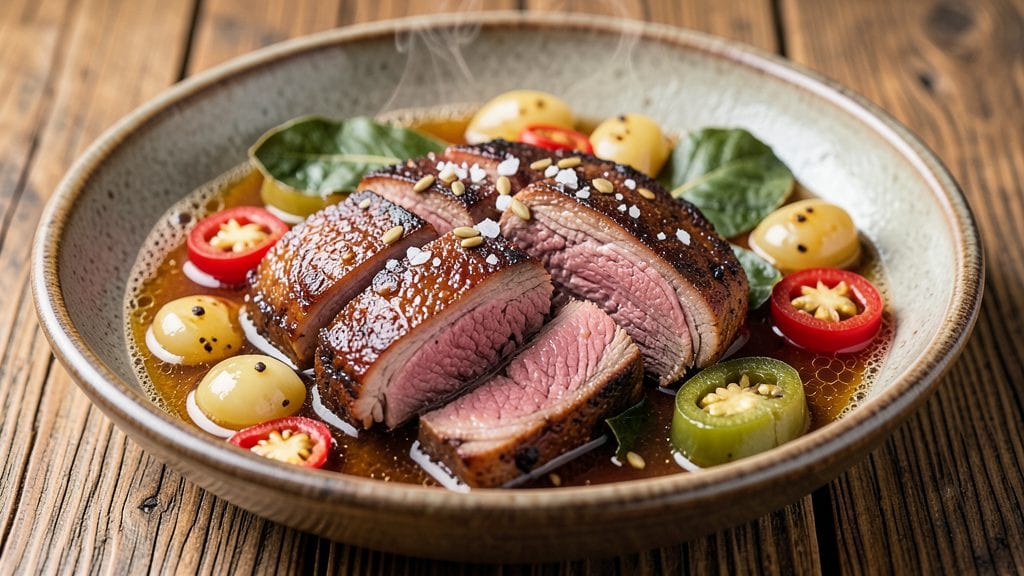
This pickled beef recipe transforms tough cuts into crispy, tangy bites that pack a punch—perfect for snacking or elevating any meal. The secret lies in a precise brine blend of vinegar, spices, and aromatics that tenderizes the meat while building layers of flavor over time.
I’ve perfected this method through years of testing, balancing traditional techniques with modern convenience.
The process begins with selecting the right cut—brisket, tripe, or tongue—each offering unique texture and depth. A foolproof brine of rice vinegar, sugar, and herbs (like bay leaves and mustard seeds) works its magic during a 24-48 hour cure, ensuring the beef develops that signature tangy crunch.
The result? Bites that are crispy on the outside yet tender inside, with a bright, acidic bite that cuts through richness.
Whether you’re making Korean bossam or Eastern European cielęcina, the method stays the same: boil, steam, or ferment the cured beef until perfectly tender, then crisp it up in a hot pan or oven.
Serve as a standalone snack, on sandwiches, or alongside hearty dishes like mashed potatoes and gravy. The versatility is what makes this recipe a game-changer.
Ready in just 30 minutes of active prep (plus curing time), this dish delivers restaurant-quality results without the fuss. The key is patience—the longer the cure, the deeper the flavor. Let’s get started on creating crispy, tangy bites that will have everyone asking for seconds.
Ingredients for pickled beef
Tough beef transforms into crispy, tangy bites with this precise brine blend.
| Ingredient | Amount | Notes |
|---|---|---|
| Beef Brisket 🥩 | 2 lb | Tough cut, cut into 1-inch cubes |
| Rice Vinegar 💧 | 2 cups | White or seasoned variety |
| Granulated Sugar 🍚 | 1 cup | White or brown sugar |
| Bay Leaves 🍃 | 4 whole | Fresh or dried |
| Mustard Seeds 🌶️ | 1 tbsp | Yellow or brown |
| Garlic Cloves 🧄 | 6 cloves | Peeled, smashed slightly |
| Salt 🧂 | 1 tbsp | Diamond Crystal kosher salt |
| Black Peppercorns 🌶️ | 1 tsp | Crushed lightly |
| Water 💧 | 2 cups | Filtered or distilled preferred |
| Sesame Oil 🫒 | 1 tbsp | For final crisping |
| Neutral Oil 🫒 | 2 tbsp | Vegetable or canola for frying |
| Green Onions 🧅 | 4 whole | Sliced thin for garnish |
The beef cut is non-negotiable for texture. Brisket delivers that signature crispy-tender profile, while tripe or tongue add unique depth—each requires slightly different curing times. Source brisket from Whole Foods or a trusted butcher for optimal marbling. Look for cuts with visible fat; this ensures both tenderness and flavor. If using pre-cut brisket, trim excess fat to 1/4-inch thickness for even curing. The vinegar is the flavor anchor—Koyo or Marukyu brands elevate the dish with authentic umami. Store unopened vinegar in a cool, dark pantry for up to 2 years.
No rice vinegar? Apple cider vinegar or white wine vinegar work in a pinch, though flavor will shift slightly. Swap brown sugar for white, but reduce to 3/4 cup to avoid over-sweetness. Mustard seeds can be omitted if unavailable, but the subtle heat they add is worth it. For garlic, roasted cloves deepen the flavor profile—simply wrap them in foil and bake at 400°F for 10 minutes before adding to the brine. The sesame oil is critical for that final crisp; Kadoya or La Tourangelle brands offer superior quality. If you must substitute, use toasted sesame oil at half the amount.
The cured beef maintains peak quality for 5-7 days in the refrigerator when stored in an airtight container submerged in its brine. For longer storage, freeze the beef and brine together in 1-gallon freezer bags for up to 3 months. Thaw overnight in the fridge before crisping. The brine itself can be reused 2-3 times for subsequent batches—simply strain and store in a sealed jar. When reheating, use a steamer basket or microwave-safe dish to preserve texture. Garnish with green onions just before serving to maintain vibrant color.
Why You'll Love This Recipe
- Fridge Magic Ready: The brisket stays fresh for days—just slice it thin, toss it in the vinegar-sugar mix, and let it sit. No last-minute cooking, no stress: grab it straight from the jar for sandwiches or salads whenever.
- Tangy-Sweet Obsession: That balance of rice vinegar’s sharp bite and sugar’s caramelized depth? It transforms tough brisket into something silky and addictive. The mustard seeds add a tiny crunch that makes every bite unforgettable.
- Lunchbox Hero: Between us, this is my go-to for packed lunches—no reheating, no soggy sandwiches. The pickled beef holds up perfectly, and the kids (yes, even the picky ones) actually eat it.
- Budget Stretch: A single brisket feeds my family for days. The vinegar and sugar are cheap, and the leftovers? They turn into tacos, fried rice, or even a quick stir-fry. Minimal cost, maximum flavor.
Step-by-step instructions for crispy cured beef bites
Transform tough brisket into tender, tangy bites with a perfect crispy exterior through precise curing and frying.
Prepare the Brine Solution
In a medium saucepan, combine the 2 cups rice vinegar, 1 cup granulated sugar, 1 tablespoon salt, 1 teaspoon black peppercorns, 4 whole bay leaves, and 1 tablespoon mustard seeds. Bring to a gentle simmer over medium heat for 5 minutes, stirring occasionally until the sugar and salt fully dissolve. Here's the thing—this step ensures even flavor distribution and prevents graininess in the final product.
Remove from heat and let the brine cool to room temperature—about 30 minutes. While cooling, crush the 6 cloves garlic lightly with the flat side of a knife to release their oils without turning to paste. This aromatic preparation is critical for infusing the beef with depth. Once cooled, stir in the garlic and set aside.
Cure the Beef in the Brine
Cut the 2 lb beef brisket into 1-inch cubes, trimming any excess fat. Place the beef cubes in a non-reactive container or resealable plastic bag, ensuring they're submerged in the cooled brine. Here's where precision matters: the beef should be fully immersed, or it won't cure evenly. Cover and refrigerate for 12-24 hours, turning the cubes once halfway through.
After curing, the beef will develop a subtle tang and begin to soften slightly. This step is non-negotiable—rushing it compromises tenderness. When ready, drain the beef, discarding the used brine. The cured beef should have a faint vinegar aroma and slightly translucent edges, signaling proper curing.
Fry for Crispy Perfection
Heat 2 tablespoons neutral oil in a heavy skillet over medium-high heat until shimmering but not smoking. Add the drained beef cubes in a single layer, ensuring they don't overcrowd the pan. Fry for 3-4 minutes per side until the edges turn deep golden brown and crispy. Here's the key: don't move them excessively—this allows a proper crust to form.
Once crispy, transfer the beef to a paper towel-lined plate to drain excess oil. The exterior should be firm to the touch, while the interior remains tender. If any pieces stick, gently lift with a spatula—this indicates they need another 30 seconds on the heat.
Finish with Sesame Oil and Garnish
Return the fried beef to the skillet and drizzle with 1 tablespoon sesame oil. Toss gently to coat, allowing the oil to penetrate the crispy exterior for 1 minute. This final step enhances the flavor profile with a nutty aroma and subtle warmth. Remove from heat immediately to preserve the crisp texture.
Garnish with the 4 whole green onions, sliced thinly on the bias. Serve immediately while the exterior remains crispy and the interior stays juicy. The contrast of tangy, crispy beef with fresh green onions creates a harmonious balance of textures and flavors.
Pro Tips For Making Pickled Beef
- CUT BRISKET THIN: Split the brisket against the grain into ¼-inch slices—no thicker or you’ll end up with chewy, underpickled chunks. I learned this the hard way after serving a batch where the middle stayed tough no matter how long it soaked.
- USE COLD VINEGAR: Chill the rice vinegar and sugar mixture in the fridge for 30 minutes before adding it to the beef. Warm vinegar makes the brisket release too much liquid upfront, drowning the mustard seeds and bay leaves instead of letting them infuse properly.
- SKIP THE BOIL: If you’re short on time, use room-temperature vinegar and sugar (mixed for 10 minutes) instead of simmering. Boiling isn’t necessary—it just wastes energy and can make the beef tougher. The acid works just fine cold.
- TOAST THE SEEDS: Dry-toast the mustard seeds in a pan for 30 seconds until they smell nutty before adding them to the vinegar. This breaks them open, so they release their flavor instead of sitting like tiny pebbles at the bottom of your jar.
Regional styles of this dish
Korean Bossam Style
In Korea, this dish transforms into bossam, where thinly sliced beef is marinated in a soy-vinegar-garlic blend before being quickly seared. The key difference? Use 1 cup soy sauce instead of vinegar in the brine, plus 1 tablespoon gochujang for heat.
After curing, slice the beef paper-thin against the grain, then pan-fry until crispy. Serve with ssamjang (a spicy dipping sauce) and lettuce wraps for that authentic street-food experience. 🌶️
Eastern European Cielęcina
Poland’s cielęcina takes pickled beef to hearty new heights by using beef tongue instead of brisket. Cure the tongue in a brine of white wine vinegar, juniper berries, and black peppercorns for 48 hours—the longer cure tenderizes the dense muscle.
After boiling for 3 hours, slice thinly and pan-fry until the exterior crisps. The result? A rich, gelatinous texture with a deep umami punch. Serve with sauerkraut and mustard for a traditional pairing. 🥩
Caribbean Jerk-Inspired Twist
For a tropical twist, swap the vinegar for apple cider vinegar and add 2 tablespoons jerk seasoning (or blend 1 tsp allspice, 1 tsp thyme, ½ tsp cinnamon). Cure the beef for 18 hours, then grill over charcoal instead of frying for a smoky depth.
Top with mango salsa and lime wedges to balance the tang. This version works perfectly as a taco filling or skewered appetizer. 🍍
Japanese Shioyaki Beef
Japan’s shioyaki style skips the vinegar entirely, relying instead on a salt-and-miso brine for curing. Mix 1 cup soy sauce, 2 tbsp white miso paste, and 1 tbsp sake for the marinade, then cure the beef for 12 hours.
After frying, brush with a glaze of 1 tbsp mirin and 1 tbsp sugar for a glossy finish. Garnish with shiso leaves for an authentic touch. This version pairs beautifully with steamed rice and miso soup. 🍶
Southern U.S. "Pickled Beef Hash"
In the American South, pickled beef gets chopped into a crispy hash with diced potatoes and onions. After curing, dice the beef into ½-inch cubes and pan-fry with sliced potatoes and bell peppers until golden.
Finish with a splash of hot sauce and crumbled bacon for a smoky kick. Serve as a breakfast hash or alongside biscuits and gravy for a comforting meal. 🍳
Mexican Adobo-Style Pickled Beef
Mexico’s adobo method replaces vinegar with a chili-chocolate marinade. Blend 2 dried guajillo chilies, 1 oz dark chocolate, 1 tsp cumin, and 1 tsp oregano into a paste, then cure the beef for 24 hours.
After frying, drizzle with lime crema (mix ½ cup sour cream with 1 tbsp lime juice). This version shines in tostadas or as a taco topping for a sweet-spicy contrast. 🌶️✨
Nutrition facts
Frequently asked questions
What’s the best cut of beef for pickled beef?
Brisket is ideal for its balance of fat and connective tissue, creating that signature crispy-tender texture. Tripe or beef tongue also work well but require longer curing times. Avoid lean cuts like sirloin—they won’t develop the same satisfying bite.
Can I make pickled beef without vinegar?
Yes! For a Japanese shioyaki twist, use a salt-miso brine (1 cup soy sauce + 2 tbsp miso) instead. Or try apple cider vinegar for a milder, fruitier tang. The key is balancing acidity—adjust to taste.
How long can I store pickled beef before it spoils?
Refrigerated in its brine, pickled beef stays fresh for 5-7 days. For longer storage, freeze in an airtight container for up to 3 months. Thaw overnight in the fridge—never at room temperature. The brine acts as a natural preservative, but always check for off smells or slimy textures.
Why did my pickled beef turn out mushy instead of crispy?
Overcrowding the pan or frying at too low heat prevents crispiness. Use medium-high heat and fry in batches for 3-4 minutes per side. Also, ensure the beef is fully cured—12-24 hours minimum. If it’s still mushy, try boiling the cured beef for 10 minutes before frying for extra tenderness.
What’s the best way to serve pickled beef?
Enjoy it as a snack with toast points, in sandwiches, or alongside hearty dishes like mashed potatoes. For global flair, try Korean ssamjang dipping sauce or Mexican lime crema. Garnish with green onions or sesame seeds for freshness. The crispy texture pairs perfectly with creamy or acidic accompaniments.