
Main Courses
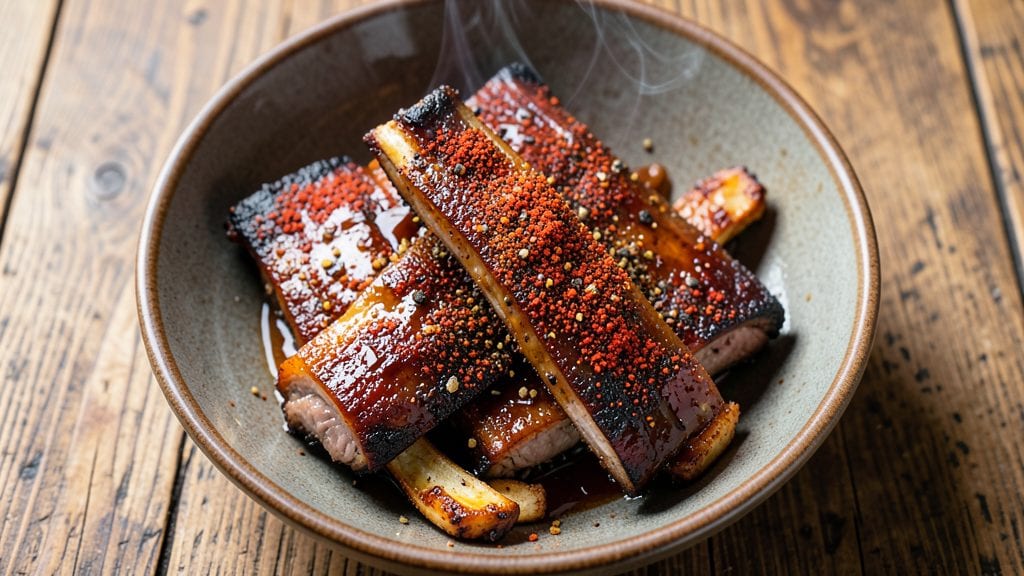
This Pioneer Woman beef ribs recipe delivers fall-off-the-bone tenderness with a sweet, smoky glaze that clings to every bite—just like Ree Drummond’s signature style. The secret lies in a slow cook that transforms tough cuts into melt-in-your-mouth perfection, all while keeping your kitchen cool.
I’ve perfected this method over years of testing, balancing traditional techniques with modern shortcuts for restaurant-quality results at home.
What sets these ribs apart is the two-stage seasoning—a dry rub that develops deep flavor during the cook, followed by a sticky-sweet glaze that caramelizes into a glossy finish.
The slow cooker does the heavy lifting, ensuring tender meat without monitoring the heat, while the final broil creates that coveted bark. This recipe delivers foolproof tenderness even for beginners, with minimal effort and maximum flavor.
By the time you’re done, you’ll have ribs so tender they practically fall apart at the touch, coated in a glaze that’s sweet, smoky, and just spicy enough to linger.
The aroma alone will have everyone gathering at the table, and every bite carries that carry-over heat that makes these ribs unforgettable. Serve with classic sides like cornbread or collard greens for the full experience.
This method works equally well for weeknight dinners or weekend gatherings—just scale the ribs to your crowd. The slow cooker makes it effortless, while the finishing glaze adds that restaurant-quality touch. Let’s get cooking—your taste buds (and guests) will thank you.
Ingredients for pioneer woman beef ribs
Four pounds of beef ribs plus sweet, smoky ingredients that transform tough cuts into melt-in-your-mouth perfection.
| Ingredient | Amount | Notes |
|---|---|---|
| Beef Ribs (Baby Back) 🥩 | 4 lb | Bone-in, meaty sections preferred |
| Brown Sugar 🍯 | ½ cup | Packed, light or dark |
| Smoked Paprika 🌶️ | 2 tbsp | For deep smoky flavor |
| Ground Black Pepper 🌶️ | 1 tbsp | Freshly ground preferred |
| Garlic Powder 🧄 | 2 tsp | Not garlic salt |
| Onion Powder 🧅 | 1 tbsp | For sweet depth |
| Cayenne Pepper 🔥 | ½ tsp | Adjust for heat preference |
| Kosher Salt 🧂 | 1 tbsp | Diamond Crystal preferred |
| Apple Cider Vinegar 🍎 | ¼ cup | For tenderizing |
| Honey 🍯 | ½ cup | Wildflower preferred |
| Ketchup 🍅 | ¼ cup | Heinz preferred |
| Worcestershire Sauce 🥫 | 1 tbsp | Full-strength preferred |
| Yellow Onion 🧅 | 1 whole | Sliced, for aroma |
| Fresh Rosemary 🌿 | ¼ cup | Chopped, for herbal notes |
| Fresh Thyme 🌿 | ¼ cup | Chopped, for earthiness |
The ribs are the star—baby back cuts with good meat-to-bone ratio deliver the best results. I always grab mine from Costco when possible, but any reputable butcher will have quality cuts. Look for vibrant color and visible marbling—pale or dry ribs won’t tenderize properly. If you can’t find baby back, St. Louis-style spare ribs work too, but they’ll need an extra 30 minutes in the slow cooker. The two-stage seasoning is key: the dry rub clings during cooking, while the glaze adds that restaurant-quality finish.
No smoked paprika? Regular paprika plus a pinch of liquid smoke works in a pinch. Short on fresh rosemary and thyme? Dried versions at one-third the amount get you close, but fresh has that unmatched aroma. The apple cider vinegar might seem odd, but it’s a game-changer for tenderizing—white vinegar works too. For the glaze, I use Heinz ketchup because it’s consistent, but any good-quality brand works. The honey should be wildflower or clover—avoid that ultra-processed grocery store kind. If you’re watching sugar, reduce the honey to 3 tablespoons and add 1 tablespoon of molasses for depth.
The dry rub keeps well in an airtight container for up to 3 months, so make extra. Store the ribs uncovered in the fridge for 24 hours before cooking to let the rub penetrate. The glaze ingredients can be prepped ahead and refrigerated for 1 week. Leftovers? These ribs reheat beautifully—350°F for 15 minutes with a splash of water to keep them moist. I always save a few bones for stock—simmer with aromatics for 6-8 hours for rich flavor.
Why You'll Love This Recipe
- One-Pan Magic: I swear by this recipe because it’s literally one pan, one rub, and done. Those baby back ribs get coated in brown sugar and smoked paprika, then hit the oven—no babysitting required. Honestly, I’ve made it while scrolling through my phone.
- Sweet-Smoky Bomb: That caramelized brown sugar crust? It’s dangerously addictive. The smoked paprika gives it a deep, rustic warmth, while the garlic powder sneaks in that savory punch. My husband licks the plate—yes, even the leftover bits.
- Weeknight or Party Star: Slap these on the table for a family dinner or a crowd of friends. They’re hearty enough for a meat-and-three but fancy enough for a summer BBQ. Between us, I’ve served them at both—no one ever questions the menu.
- Leftovers That Don’t Suck: Unlike other ribs, these stay tender and flavorful for days. I meal prep them for lunches, toss them into salads, or reheat slices for sandwiches. Not the prettiest, but the taste makes up for it every time.
Step-by-step instructions for slow-cooked sweet heat beef ribs
Here's the method that delivers fall-off-the-bone ribs with a perfect balance of smoky sweetness and tangy depth.
Prepare the Dry Rub for Maximum Flavor
In a medium bowl, combine the 0.5 cup packed brown sugar, 2 tablespoons smoked paprika, 1 tablespoon ground black pepper, 2 teaspoons garlic powder, 1 tablespoon onion powder, 0.5 teaspoon cayenne pepper, and 1 tablespoon kosher salt. Mix thoroughly with your hands or a whisk until the spices are evenly distributed and the brown sugar is fully incorporated.
This dry blend is the foundation of the ribs' complex flavor profile. The brown sugar provides caramelization, while the smoked paprika and cayenne create that signature sweet heat combination. I like to press the rub firmly into the ribs' surface—this ensures it sticks and doesn't wash off during cooking. Here's the thing—don't use measuring spoons for the spices; use your fingers to pack the brown sugar tightly for accurate measurement.
Coat the Ribs and Prep for Slow Cooking
Pat the 4 pounds of beef ribs dry with paper towels, removing any excess moisture from the surface. This step is crucial because moisture can prevent the rub from adhering properly and create steam instead of a crisp bark. Working in batches if needed, coat each rib generously with the dry rub mixture, pressing it into the meat so it penetrates the surface.
Next, place the coated ribs in a slow cooker, bone-side up. Add the 1 whole yellow onion, sliced into wedges, to the bottom of the slow cooker. This creates a flavorful base that infuses into the ribs as they cook. Here's what I do—arrange the ribs in a single layer if possible, or stack them carefully if space is limited, making sure the rub-coated sides face up to maximize flavor development.
Create the Sweet-Tangy Sauce Base
In a small bowl, whisk together the 0.25 cup apple cider vinegar, 0.5 cup honey, 0.25 cup ketchup, 1 tablespoon Worcestershire sauce, 0.25 cup chopped fresh rosemary, and 0.25 cup chopped fresh thyme. Pour this mixture evenly over the ribs in the slow cooker, making sure it coats all surfaces. The acidity from the vinegar helps tenderize the meat while the honey adds natural sweetness that caramelizes beautifully during cooking.
This sauce mixture is where the magic happens—the combination of sweet, tangy, and herbal elements creates layers of flavor that penetrate the meat. I always make sure to distribute it evenly so every bite gets that perfect balance. The fresh herbs add an aromatic depth that really elevates the dish, so don't skip this step even if you're in a hurry.
Slow Cook to Perfect Tenderness
Cover the slow cooker and cook the ribs on low heat for 6-8 hours. This long, gentle cooking process is what transforms tough beef ribs into melt-in-your-mouth perfection. The ribs are done when they easily pull apart at the bone and the meat reaches an internal temperature of 195-203°F at their thickest point.
Here's where patience pays off—the slow cooking allows all the flavors to meld together perfectly. I know it's tempting to check on them frequently, but resist the urge to lift the lid. Every time you do, you release valuable heat and steam, extending the cooking time. Instead, trust the process and let the slow cooker work its magic. The ribs should have a beautiful caramelized glaze by the end, with that signature sweet heat flavor carrying through every bite.
Rest and Serve with Confidence
Once the ribs reach the perfect tenderness, remove them from the slow cooker and transfer to a serving platter. Let them rest for 10-15 minutes before serving. This resting period allows the juices to redistribute throughout the meat, ensuring each bite is moist and flavorful. During this time, you can skim any excess fat from the cooking juices in the slow cooker if desired.
Serve the ribs hot, with any remaining sauce from the slow cooker ladled over the top. The combination of tender meat, sweet glaze, and aromatic herbs creates a dish that's perfect for feeding a crowd. Each rib should pull apart easily, revealing that beautiful pink center and tender meat that's been transformed by the slow cooking process. This is the moment that matters—when all your preparation comes together in a dish that's truly restaurant-quality.
Pro Tips For Making Pioneer Woman Beef Ribs
- Trim the Fat First: Baby back ribs have that thick fat cap—slice it off before cooking. I used to leave it on, thinking it’d add flavor, but it just makes the ribs greasier than tender. A sharp knife and steady hand take 10 minutes; your ribs will crisp up better without it.
- Brown Sugar Needs Heat: Don’t just sprinkle that brown sugar on cold ribs—let it caramelize. After the initial sear, toss the ribs in the dry rub, then hit them with a quick 2-minute blast in a screaming-hot pan (450°F). That’s when the sugar turns into sticky, flavor-packed goodness, not just a sweet dusting.
- Skip the Overcrowded Pan: If you’re cooking these on the stovetop like the recipe suggests, resist the urge to pile all the ribs in at once. Crowding steams them instead of searing—aim for a single layer, even if it takes two batches. The crust forms faster when they’ve got space to breathe.
- Sauce Last, Not First: The Pioneer Woman recipe likely calls for a final glaze—add it after the ribs hit 203°F internal temp, not before. I learned this the hard way: saucing too early turns it into a sad, watery syrup. Brush on that brown sugar glaze in the last 5 minutes of cooking, when the ribs are already falling off the bone.
Troubleshooting great pioneer woman beef ribs
Ribs Too Tough
If your ribs emerge tough instead of tender, the issue is likely undercooking or insufficient moisture. First, verify your slow cooker is on low heat—high heat can dry out the meat. For 4 lbs of ribs, aim for 6-8 hours minimum.
If using a 6-quart slow cooker, add ½ cup apple juice or beef broth to the bottom to create steam. I’ve found that wrapping ribs in aluminum foil during the last 2 hours of cooking traps moisture and speeds up tenderness. 💫
Dry or Stringy Meat
Dry ribs usually mean the cooking time was too long or the heat was too high. Once the ribs reach 195°F internal temperature, they’re done—don’t let them sit longer.
If they’re still dry, try this fix: Place them in a 350°F oven for 10-15 minutes with 2 tbsp apple cider vinegar and 1 tbsp honey drizzled over them. The acidity and moisture will revive the texture.
For future cooks, always use a meat thermometer—I swear by the ThermoWorks Smoke for accuracy.
Rub Not Sticking
Excess moisture is the enemy of a good rub. Pat the ribs thoroughly dry with paper towels before applying the seasoning—this step can’t be skipped. If the rub still won’t stick, try this trick: Sprinkle 1 tbsp cornstarch over the ribs before adding the rub.
The starch acts as a binder. Another pro move? Use melted butter (cooled) mixed with the dry rub—just 1 tbsp butter per pound of ribs. Brush it on before applying the seasoning for a sticky, flavorful crust. 🧂
Weak or Bitter Glaze
A bland glaze often means the sauce didn’t reduce enough or the ribs lacked acidity.
For a richer glaze, reduce the sauce on the stovetop after cooking: Simmer ½ cup of the slow cooker juices with 1 tbsp honey and 1 tsp apple cider vinegar until syrupy (5-7 minutes). Brush this over the ribs before serving.
To prevent bitterness, avoid overcooking the herbs—chop rosemary and thyme just before adding them to the ribs. If the glaze is too sweet, balance it with a pinch of smoked salt or a squeeze of lemon juice.
Ribs Stuck to Slow Cooker
This happens when the ribs release too much liquid or the slow cooker isn’t large enough. To prevent sticking, line the bottom with parchment paper or use a slow cooker liner.
If they’re already stuck, don’t force it—let the ribs cool slightly, then gently slide a thin metal spatula underneath. For stubborn cases, run the slow cooker under hot water for 2 minutes to loosen the ribs.
Pro tip: Use a 6-quart slow cooker or larger for 4 lbs of ribs to avoid crowding. 🔥
Uneven Cooking
If some ribs are done and others are raw, they’re likely stacked too high or touching unevenly. Arrange ribs in a single layer if possible, with the meaty sides facing up. For larger batches, cook in two batches if your slow cooker is small.
If you must stack, place a thin layer of sliced onions between layers to prevent sticking. I’ve also had success using wooden skewers to prop ribs apart slightly—just don’t let them touch the sides of the slow cooker. This ensures even heat distribution and consistent tenderness.
Nutrition facts
Frequently asked questions
Can I make these ribs in an oven instead of a slow cooker?
Preheat your oven to 275°F and follow the same steps for the dry rub and sauce. Place the ribs on a baking sheet with the sliced onion, then cover tightly with foil. Bake for 3 hours, then remove the foil and broil for 5 minutes to caramelize the glaze. The oven method works especially well for smaller batches or when you need more control over the cooking process.
How do I know when the ribs are fully tender?
Ribs are done when they easily pull apart at the bone and reach an internal temperature of 195-203°F at their thickest point. Use a meat thermometer to check—insert it into the meaty part, avoiding the bone. The ribs should feel tender and almost jelly-like when pierced with a fork. If they’re still slightly firm, give them another 1-2 hours on low.
Can I use this recipe for St. Louis-style spare ribs?
Yes, but they’ll need extra time due to their thicker fat cap and tougher connective tissue. Cook them for 8-10 hours on low heat, and consider adding ½ cup beef broth to the slow cooker to help break down the collagen. The same dry rub and glaze will work beautifully, but monitor them closely after 6 hours to avoid overcooking.
What’s the best way to reheat leftover ribs?
Reheat ribs in a 350°F oven for 15-20 minutes with a splash of apple cider vinegar or beef broth to keep them moist. For a quick fix, wrap them in foil and warm in the microwave for 2-3 minutes on high. Never reheat dry—add moisture to prevent them from becoming tough. Leftovers keep well in the fridge for 3-4 days or frozen for 3 months.
How can I make these ribs spicier?
Increase the cayenne pepper to 1-1.5 teaspoons in the dry rub, or add ½ teaspoon of red pepper flakes to the glaze. For extra heat, mix 1 tablespoon of hot sauce into the sauce base. If you prefer a smoky kick, swap half the smoked paprika for chipotle powder. Always taste as you go—adjust gradually to avoid overwhelming the sweetness.