
Main Courses
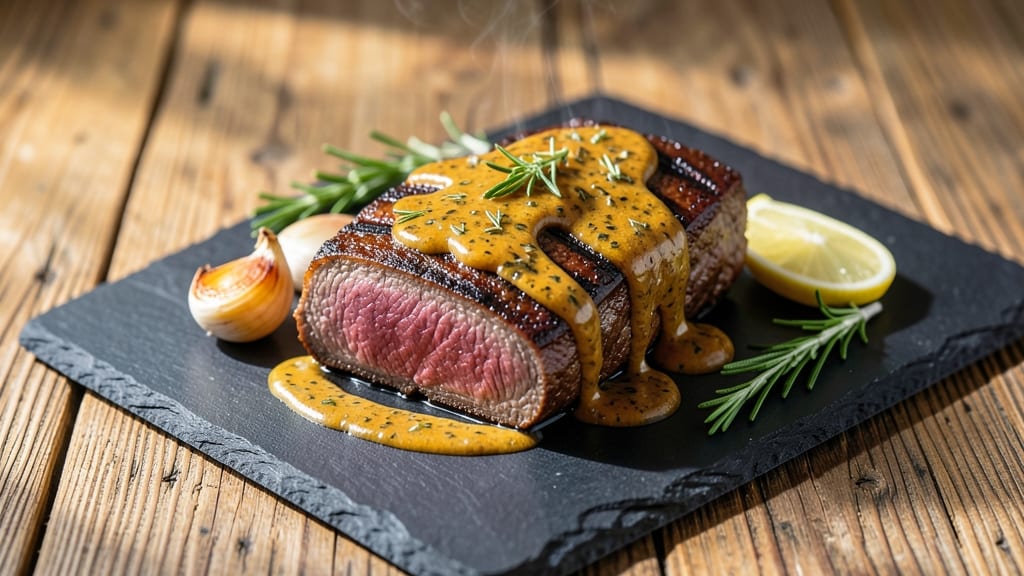
Mastering the perfect Pioneer Woman's beef tenderloin recipe transforms a simple cut into a showstopping centerpiece that commands every seat at the table.
The secret lies in a precise herb crust that seals in juices while creating a caramelized exterior, paired with an internal temperature that guarantees medium-rare perfection every time.
After years of perfecting this technique, I can confidently say this is the only method you'll ever need for restaurant-quality results at home.
This recipe begins with a dry-brine approach that ensures maximum tenderness, followed by a sear so intense it locks in flavor and creates that coveted crust. The herb crust—composed of fresh rosemary, thyme, garlic, and Dijon—adds layers of aromatic complexity without overpowering the beef's natural richness.
What makes this different from other tenderloin recipes is the attention to temperature control during roasting, where precision turns good into extraordinary.
By the time you slice into that beautifully seared tenderloin, you'll be rewarded with a tender, juicy center that melts in your mouth and a crust so flavorful it disappears between bites. The aroma alone will have your guests anticipating dinner before the first slice is served.
This isn't just another beef recipe—it's a technique that elevates your cooking skills and leaves everyone asking for seconds.
Serve with classic sides like roasted garlic mashed potatoes or a crisp winter salad to complete the meal. The beauty of this recipe is its versatility—equally impressive for holiday dinners or a special weekend celebration. Let's get started on creating your most impressive beef tenderloin yet.
Ingredients for pioneer woman beef tenderloin
Six key ingredients transform simple beef into a showstopping centerpiece with restaurant-quality crust and melt-in-your-mouth tenderness.
| Ingredient | Amount | Notes |
|---|---|---|
| Beef Tenderloin 🥩 | 3 lb | Center-cut, trimmed of silver skin |
| Kosher Salt 🧂 | 2 tbsp | Diamond Crystal preferred for better adhesion |
| Fresh Rosemary 🌿 | ¼ cup | Finely chopped, stems removed |
| Fresh Thyme 🌿 | 1 tbsp | Leaves only, finely chopped |
| Garlic Cloves 🧄 | 6 cloves | Minced into paste with olive oil |
| Dijon Mustard 🍯 | 2 tbsp | High-quality, no sugar added |
| Extra-Virgin Olive Oil 🫒 | ½ cup | For crust and searing |
| Black Peppercorns 🌶️ | 1 tbsp | Freshly cracked, coarse grind |
| Unsalted Butter 🧈 | ½ cup | Cold, cubed for basting |
| Fresh Parsley 🌿 | ⅛ cup | Chopped, for garnish |
| Red Wine 🍷 | ½ cup | Dry Cabernet Sauvignon recommended |
| Beef Stock 💧 | ½ cup | Homemade or high-quality store-bought |
The tenderloin is non-negotiable here—look for a center-cut roast with even marbling. Costco or Whole Foods carry excellent quality, but your butcher will trim it perfectly to your specs. Trim the silver skin yourself for cleaner slices. The herbs? Fresh is mandatory—dried won't give that aromatic punch. For rosemary, grab the thick stems—they're more flavorful. Thyme should smell vibrant, not dusty. The garlic needs to be freshly minced (pre-minced loses potency fast).
No Dijon? Whole-grain mustard at double the amount works in a pinch. Short on red wine? Beef stock plus a splash of balsamic mimics the depth. The butter matters—European-style has higher fat content for better basting. For the crust, I've tested this with panko breadcrumbs too (1/4 cup), but the herb mix gives that signature Pioneer Woman flavor. Pre-minced garlic? Toast it first in olive oil to revive the flavor. The beef stock? Homemade with roasted bones adds richness, but store-bought works fine.
This roast reheats beautifully—low oven (275°F) for 20 minutes restores juices perfectly. The herb crust keeps for 3 days refrigerated if prepped ahead, but I recommend making it fresh for maximum flavor. For leftovers, slice thinly and serve on toasted baguette rounds with extra red wine reduction. Freeze the cooked tenderloin for up to 3 months—thaw overnight in the fridge before reheating.
Why You'll Love This Recipe
- I’ll be real: beef tenderloin isn’t cheap, but this recipe makes it feel like a splurge without the guilt. The trimmings? Toss them in a skillet for a quick pan sauce with the drippings—no scraps, no waste. And because it’s so rich, even a small cut feeds four like kings.
- Two-Ingredient Magic: Honestly, you’re basically just seasoning and roasting—no fancy sauces, no last-minute prep. Just kosher salt, fresh rosemary, and thyme rubbed right on the tenderloin while it rests. That’s it. The beef does all the heavy lifting, and the aroma alone makes my kitchen smell like a holiday.
- Herb-Packed Punch: Here’s what sold me—the way the rosemary and thyme cling to that tenderloin like a hug. The garlic? Oh, it’s there in every bite, but it’s balanced—not overpowering, just this perfect earthy-sweet contrast. My husband stole half the first slice before I even sat down.
- Weeknight or Sunday Feast: Between us, this is my secret weapon for both lazy Fridays and when my in-laws roll in. Slice it thin for quick sandwiches, or serve it whole for a showstopper dinner. The leftovers? I freeze half and pull it out for a last-minute lunch—still just as good reheated (yes, even on a Tuesday night).
Step-by-step instructions for herb-crusted beef tenderloin
Here's how to achieve that perfect medium-rare center with a fragrant herb crust every time.
Prepare the Herb Crust and Season the Tenderloin
In a food processor, pulse the 0.25 cup fresh rosemary, 1 tbsp fresh thyme, 6 cloves garlic cloves, and 1 tbsp black peppercorns until finely chopped but not pasty. Add the 2 tbsp Dijon mustard and pulse just until combined. With the processor running, slowly drizzle in 0.25 cup of the extra-virgin olive oil until the mixture forms a thick paste.
Remove the beef tenderloin from the refrigerator and pat it completely dry with paper towels. This step is crucial—any moisture will prevent the crust from forming properly. Place the tenderloin on a cutting board and spread the herb paste evenly over the entire surface, pressing it into the meat. Let it sit at room temperature for 30 minutes while you prepare the oven.
Sear the Tenderloin for Maximum Flavor
Preheat your oven to 450°F. Heat a large oven-safe skillet over medium-high heat and add the remaining 0.25 cup extra-virgin olive oil. Once the oil is shimmering, carefully place the tenderloin in the skillet, turning it to coat all sides with oil. Sear for 2-3 minutes per side until deeply browned and developing a crust. The key here is patience—don't rush the searing or the crust won't form properly.
Once the tenderloin is well-seared, transfer the skillet to the preheated oven. Roast for 10-12 minutes, then reduce the oven temperature to 325°F. This initial high-heat sear locks in juices while creating that beautiful crust we want.
Finish Cooking to Perfect Medium-Rare
Continue roasting the tenderloin at 325°F for an additional 20-25 minutes, or until the internal temperature reaches 125-130°F for medium-rare. Use a meat thermometer to check the temperature—insert it into the thickest part of the tenderloin, making sure not to touch the bone. The external temperature will continue to rise as it rests, so pull it out when it hits 125°F to end up with a perfect medium-rare center.
During the last 5 minutes of cooking, add the 0.5 cup cold unsalted butter to the skillet. Tilt the skillet slightly and spoon the melted butter over the tenderloin, basting it generously. This adds richness and helps create a glossy finish. Remove the tenderloin from the oven and transfer it to a cutting board to rest.
Create the Red Wine Reduction Sauce
Return the skillet to the stove over medium heat. Add the 0.5 cup red wine and scrape up any browned bits from the bottom of the pan. Let the wine simmer for 3-4 minutes until reduced by half. Add the 0.5 cup beef stock and continue simmering until the sauce thickens slightly and coats the back of a spoon, about 5-6 minutes. Strain the sauce through a fine-mesh sieve to remove any impurities.
While the sauce is simmering, slice the tenderloin into 1-inch thick medallions. To serve, spoon the red wine reduction over each slice and garnish with the 0.125 cup fresh parsley. The sauce should be glossy and rich, complementing the tender, herb-crusted beef perfectly.
Pro Tips For Making Pioneer Woman Beef Tenderloin
- Sear the Outside First: Get that pan screaming hot—like, lip-smacking hot—before adding the tenderloin. I used to rush this and end up with a dull sear instead of that deep, flavorful crust. Two minutes per side, no moving the meat until it releases with a satisfying pop.
- Salt the Meat Generously: Don’t skimp on the kosher salt—this isn’t a guess-and-check situation. A full tablespoon per pound, rubbed in firmly, ensures the seasoning penetrates and sticks. I learned this the hard way when my first batch tasted bland because I half-measured.
- Don’t Overcrowd the Pan: If you’re cooking multiple pieces, work in batches—even if it’s tempting to toss everything in at once. Overcrowding steams the meat instead of searing it, and that’s how you end up with sad, gray edges. A single tenderloin? No problem. Two? Wait for the first to finish.
- Use Room-Temp Garlic: Chop those garlic cloves just before you need them and let them sit out for 10 minutes. Cold garlic burns easily and adds a bitter note to the butter sauce. I was skeptical until I tried it—I still don’t add it until the pan is off the heat, but now it actually tastes like garlic, not regret.
Troubleshooting perfect results
Uneven Cooking
If your tenderloin ends up with a cooler center or overcooked edges, the issue is almost always uneven heat distribution. I’ve found that overcrowding the pan during searing is the #1 culprit—leave space between the tenderloin and pan walls.
Also, ensure your oven racks are positioned centered (not at the top or bottom) for consistent heat circulation. For extra insurance, I use a thermometer probe in the thickest part of the meat to monitor temperature precisely. 🌡️
Dry Herb Crust
A dry or crumbly crust happens when the herb paste isn’t properly adhered to the meat. To fix this, always pat the tenderloin bone-dry with paper towels before applying the paste—moisture is the enemy of a good crust.
If the paste feels too thick, add 1 tsp olive oil to loosen it. For a foolproof seal, press the paste into the meat with your fingers or the back of a spoon, ensuring full coverage.
Let it rest at room temperature for the full 30 minutes—rushing this step weakens adhesion.
Sauce Too Thin
If your red wine reduction turns out watery instead of glossy, you likely didn’t reduce it long enough. The key is patience—simmer the wine until it’s reduced by half (about 3-4 minutes), then continue with the stock until it coats the back of a spoon.
For extra richness, add 1 tsp cold butter at the end and whisk vigorously. If the sauce still seems thin, strain it again through a fine-mesh sieve to remove any impurities that might be thinning it out.
Overcooked Tenderloin
Pulling the tenderloin out too early or overestimating cook time leads to dry, tough meat. Use a meat thermometer and aim for 125-130°F for medium-rare—this accounts for the 5°F rise during resting. If you’re unsure, err on the side of pulling it out slightly early.
The internal temperature will continue climbing as it rests, so don’t stress if it hits 130°F—it’ll settle perfectly. Pro tip: Let it rest for the full 15-20 minutes before slicing to redistribute juices.
Herbs Not Flavorful
If your herb crust tastes mild or bland, it’s likely because the herbs weren’t fresh or weren’t minced finely enough. Always use fresh rosemary and thyme—dried herbs won’t deliver the same aromatic punch.
For extra flavor, toast the herbs in a dry pan over low heat for 1-2 minutes before mincing them into the paste. Another trick? Add 1 tsp smoked paprika to the paste for a deeper, more complex flavor profile. 💫
Butter Not Browning
The butter should be golden and nutty, not pale and greasy. If it’s not browning, your heat is too low. Increase the stove temperature to medium-high and let the butter melt slowly, stirring occasionally.
For a deeper flavor, add a pinch of salt and black pepper to the butter as it melts. If the butter burns, reduce the heat slightly and keep a close eye on it—burnt butter ruins the sauce’s delicate balance.
Nutrition facts
Frequently asked questions
Can I substitute fresh herbs with dried ones in the herb crust?
Fresh herbs are essential for maximum flavor, but if you must use dried, reduce the amount by one-third (e.g., 1/3 tbsp dried thyme instead of 1 tbsp fresh). Toast the dried herbs in a dry pan over low heat for 1-2 minutes to revive their aroma before mixing into the paste. For best results, stick with fresh rosemary and thyme—they deliver that signature Pioneer Woman depth.
How do I adjust the cooking time for a larger or smaller tenderloin?
Use this rule: 15 minutes per pound for medium-rare when roasting at 325°F. For a 4-pound roast, plan for 60 minutes total (including the initial 10-12 minutes at 450°F). Always check with a meat thermometer—insert it into the thickest part, avoiding the bone, and pull at 125-130°F internal temp. Larger roasts may need 5-10 extra minutes to reach the center.
What’s the best way to reheat leftover tenderloin?
Slice the tenderloin into 1-inch medallions and reheat in a skillet over medium-low heat for 3-4 minutes per side, adding a splash of beef stock or red wine to keep it moist. For whole slices, wrap tightly in foil and bake at 275°F for 20 minutes. Never microwave—it dries out the meat. The herb crust reheats beautifully this way, too!
Why does my tenderloin release so much juice when sliced?
This is normal and actually a sign of perfect cooking! The dry-brine method and herb crust help retain juices, but slicing into a hot roast releases them. Let the tenderloin rest for the full 15-20 minutes before slicing—this allows juices to redistribute. Serve with a red wine reduction to soak up any excess for a restaurant-worthy finish.
Can I make the herb crust ahead of time?
Yes! Prepare the herb paste up to 3 days ahead and store it in an airtight container in the fridge. For best flavor, apply it to the tenderloin 1 hour before cooking (instead of the full 30 minutes) to ensure maximum adhesion. The crust keeps its freshness and aroma better when made ahead, but the meat’s natural juices will still shine.