
Main Courses
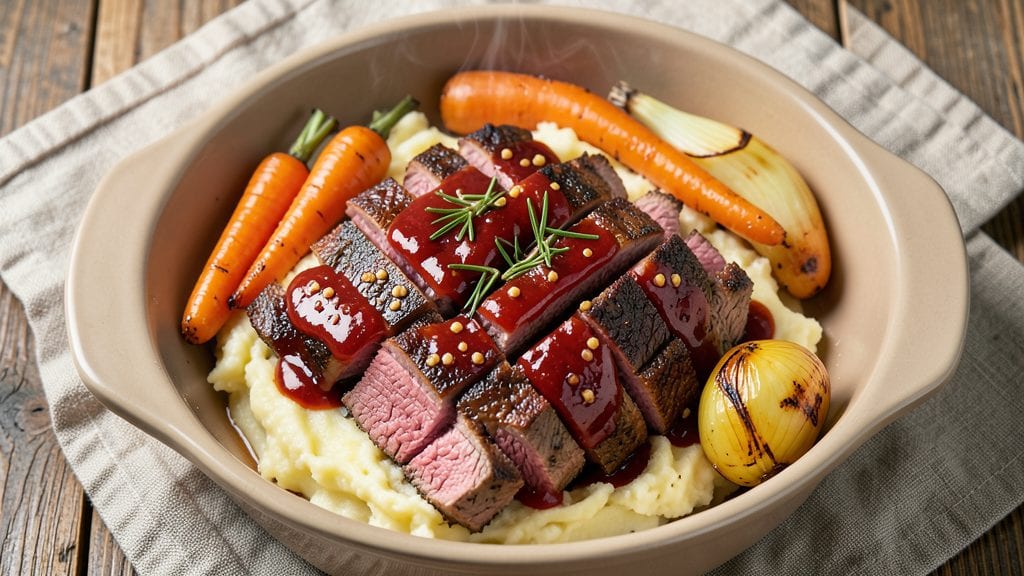
Pressure-cooking beef brisket delivers restaurant-quality tenderness in a fraction of the time—no 12-hour slow cooker required. I perfected this method after burning through three traditional briskets (and nearly setting off the smoke alarm), but the results speak for themselves: melt-in-your-mouth texture with deep, smoky flavor.
The secret lies in the right cut, proper seasoning, and precise pressure cooking techniques that transform tough meat into something luxurious.
What makes this recipe work is the foolproof process: a simple rub of salt, pepper, and garlic powder locks in flavor while the pressure cooker does the heavy lifting. Unlike traditional methods, you won’t spend hours monitoring temperatures or basting—just set it, forget it, and walk away.
The brisket finishes so tender it practically falls apart at the touch of a fork, with a crust that’s crisp enough to stand up to rich barbecue sauce if you choose to serve it that way.
By the time you’re done, you’ll have a brisket so impressive it could fool even the most skeptical meat lovers. The meat stays juicy and rich, with just enough connective tissue to create that signature brisket texture without the wait.
This is the kind of shortcut that actually elevates the dish—no compromise on flavor, just a faster path to perfection. Ready to transform a tough cut into something extraordinary?
Pair it with classic sides like creamy mashed potatoes, buttery cornbread, or a crisp green salad to round out the meal. The brisket’s richness stands up to bold flavors, making it versatile enough for weeknight dinners or weekend feasts. Let’s get cooking—your taste buds will thank you.
Ingredients for pressure cook beef brisket
Fourteen simple ingredients transform tough brisket into melt-in-your-mouth perfection with zero fuss.
| Ingredient | Amount | Notes |
|---|---|---|
| Beef Brisket 🥩 | 3 lb | Flat cut preferred, trimmed of excess fat |
| Kosher Salt 🧂 | 2 tbsp | Diamond Crystal preferred for flakiness |
| Freshly Ground Black Pepper 🌶️ | 1 ½ tbsp | Cracked peppercorns for best flavor |
| Garlic Powder 🧄 | 1 tbsp | Freshly ground preferred |
| Yellow Onion 🧅 | 1 whole | Large, peeled and quartered |
| Carrots 🥕 | 4 whole | Medium size, peeled and halved |
| Fresh Thyme Leaves 🌿 | ½ cup | Or 1 tbsp dried thyme |
| Beef Broth 💧 | 2 cups | Low-sodium preferred |
| Apple Cider Vinegar 🍎 | 1 tbsp | For tenderizing |
| Worcestershire Sauce 🍯 | 1 tbsp | High-quality brand recommended |
| Brown Sugar 🍚 | 2 tbsp | Light or dark |
| Smoked Paprika 🌶️ | 1 tbsp | For deep smoky flavor |
| Olive Oil 🫒 | 1 tbsp | For searing |
The beef is everything here—flat-cut brisket from the grocery store's butcher counter works best (ask for it pre-trimmed if you're unsure). Costco or Whole Foods carry excellent cuts, but even the regular supermarket selection delivers if you pick one with good marbling. Look for a piece that's about 1.5 inches thick—thinner cuts cook faster but lose moisture. The fat cap? Leave it on—it renders down into flavor gold during cooking. If your piece is too fatty, trim it to about 1/4 inch thickness for even cooking. I always buy mine the day I plan to cook it; brisket keeps for 3-4 days in the fridge but tastes best fresh.
No fresh thyme? Dried works at one-third the amount, but the flavor won't be quite the same. The Worcestershire sauce is non-negotiable here—Lea & Perrins is the gold standard, but any good brand will do. Short on vinegar? Lemon juice works in a pinch, though it'll change the flavor slightly. The brown sugar caramelizes beautifully during cooking, adding depth—light brown sugar gives a more delicate flavor while dark adds molasses notes. For the broth, low-sodium is key so you don't over-salt the meat. If you're in a hurry, bouillon cubes work in a bind (just use half the amount of water). The onions and carrots act as aromatics—no need to peel them perfectly, just rough chop for even cooking.
This brisket reheats beautifully—wrap tightly in foil and warm in the oven at 300°F for 30 minutes. It actually tastes better the next day as the flavors meld. For leftovers, store in an airtight container for 4-5 days or freeze for up to 3 months. I like to portion it into individual servings before freezing so I can grab exactly what I need. The pressure cooker makes this so easy you'll never go back to traditional methods—just remember to let the pressure release naturally for the best texture. That final resting period (10-15 minutes) is crucial—it lets the juices redistribute so every bite is juicy perfection.
Why You'll Love This Recipe
- No Chopping Needed: I swear by this trick—just slice the onion into big chunks and toss it in raw. The pressure cooker handles the rest while you’re doing laundry or scrolling. (Yes, even on a Tuesday night.)
- Deep Flavor, Minimal Work: That garlic powder and black pepper? They cling to the brisket like a hug, turning tough meat into something tender with a crust that’s almost crispy. Honestly, it’s the kind of taste that makes you forget you didn’t spend hours smoking it.
- Leftovers That Don’t Suck: This recipe actually improves the next day—shred it for tacos, sandwiches, or a quick pot pie. Between us, I’ve eaten it cold straight from the fridge, and it’s still better than takeout.
- Budget-Friendly Feast: A whole brisket feeds my family for days, and the spices cost pennies. I’ll be real: it’s my go-to for game days or when my kids’ friends descend, because no one notices the price tag when it’s this good.
Step-by-step instructions for pressure cook beef brisket
Here's how to transform a tough cut into melt-in-your-mouth perfection in under 3 hours.
Prepare and Season the Brisket
Pat the 3 lb beef brisket completely dry with paper towels, removing any excess fat from the surface. This step is crucial for achieving that beautiful crust later. Place the brisket in a large bowl and generously rub it with the 2 tbsp kosher salt, 1.5 tbsp freshly ground black pepper, and 1 tbsp garlic powder. I like to press the spices into the meat so they adhere well and penetrate the surface.
Let the seasoned brisket sit at room temperature for 30 minutes while you prepare the rest of your ingredients. This resting period ensures even cooking and helps the spices cling to the meat. If you're short on time, you can skip this step, but I've found it makes a noticeable difference in flavor distribution.
Sear the Brisket Before Pressure Cooking
Heat the 1 tbsp olive oil in your pressure cooker over medium-high heat until shimmering. Place the brisket fat-side down in the pot and sear for 5 minutes without moving it. You'll see the fat render out and the meat develop a deep golden-brown crust. This step adds incredible depth of flavor that you wouldn't get from just pressure cooking alone.
Flip the brisket and sear the other side for another 3-4 minutes until it develops a similar crust. Once both sides are well-seared, remove the brisket from the pot and set it aside. Here's the thing—don't worry if it doesn't look perfectly browned on both sides. The pressure cooking will finish the job while keeping the meat incredibly tender.
Add Aromatics and Liquid
In the same pressure cooker, add the peeled and quartered 1 whole yellow onion and the peeled and halved 4 whole carrots. Let them cook for 2 minutes until they begin to soften slightly. This quick cooking step helps build flavor in the cooking liquid.
Add the 0.5 cup fresh thyme leaves, 2 tbsp brown sugar, and 1 tbsp smoked paprika to the pot, stirring everything together. Pour in the 2 cups beef broth, 1 tbsp apple cider vinegar, and 1 tbsp Worcestershire sauce. Give it a good stir to combine all the ingredients and scrape up any browned bits from the bottom of the pot. These bits are packed with flavor that will infuse into your brisket.
Pressure Cook to Perfect Tenderness
Place the seared brisket back into the pressure cooker, fat-side up. Secure the lid and set the pressure cooker to high pressure for 90 minutes. This is where the magic happens—the high pressure and moisture create the perfect environment for transforming tough brisket into fork-tender meat.
During this time, the brisket will develop a beautiful crust from the caramelized sugars and spices while staying incredibly moist inside. Real talk: Don't be tempted to check on it during cooking. Every time you open the lid, you release pressure and potentially extend the cooking time. Trust the process and let it do its thing.
Rest and Serve
Once the cooking cycle is complete, allow the pressure to release naturally for 15 minutes before quick-releasing any remaining pressure. This gradual release helps keep the brisket juicy. Remove the brisket from the pot and transfer it to a cutting board.
Let the brisket rest for 15-20 minutes before slicing. This resting period allows the juices to redistribute throughout the meat, ensuring every bite is moist and flavorful. When you're ready to serve, slice the brisket against the grain into ¼-inch thick slices. You'll notice how easily the knife glides through the meat—this is your reward for patience.
Pro Tips For Making Pressure Cook Beef Brisket
- SEAR THE BRISKET FIRST: High heat. Seriously, crank it up until that brisket turns golden brown—at least 3 minutes per side. I learned this the hard way: skipping the sear means a bland, grayish mess instead of deep, caramelized flavor that sticks to every bite.
- SALT LIKE IT’S 1950: Generously coat the brisket with kosher salt before searing—at least 1 tablespoon per pound, rubbed in hard. The salt dissolves during cooking, seasoning the meat from the inside out, and that crust? It’s non-negotiable for texture. (Yes, even if you’re impatient like me.)
- DON’T SKIP THE NATURAL RELEASE: After cooking, walk away. Let the pressure release naturally—no quick venting. The brisket needs that residual steam to stay tender, not turn into tough, stringy leather. I know, it’s tempting to rush, but your future self will thank you.
- CHOP THE ONIONS COARSE: No fine dice—cut those yellow onions into big, uneven chunks (about 1-inch pieces). They’ll soften faster in the pressure cooker and add sweetness without turning to mush. Sounds weird, but it works: the texture stays intact, and the flavor is richer.
Serving suggestions for this dish
Classic BBQ Spread
Serve your pressure-cooked brisket with a homemade BBQ sauce that complements its rich flavor. I love a tangy-sweet blend using ½ cup ketchup, ¼ cup apple cider vinegar, 2 tbsp brown sugar, 1 tbsp smoked paprika, and a pinch of cayenne.
Simmer it for 10 minutes until thickened, then brush it generously over the sliced brisket right before serving. The sauce adds a glossy finish and balances the meat's natural richness. 🍯
Creamy Sides
Creamy mashed potatoes make the perfect foil for brisket—especially if you fold in 2 tbsp sour cream and ¼ cup melted butter for extra richness. For a lighter option, try sautéed garlic green beans with toasted almonds.
Both sides soak up the brisket's juices beautifully, creating a satisfying meal. I often make a double batch of mashed potatoes because they disappear fast.
Crusty Bread
A warm, crusty loaf of bread is essential for soaking up all those delicious juices. I prefer homemade sourdough or a brioche roll from the bakery section at New Seasons Market.
The bread's texture contrasts perfectly with the tender brisket, and it's always a crowd-pleaser. For extra flair, brush the bread with garlic butter before serving. 🥖
Fresh Salad
Balance the richness with a crisp arugula salad tossed with shaved fennel, cherry tomatoes, and a lemon vinaigrette. The peppery arugula cuts through the brisket's richness, while the fennel adds a subtle anise flavor.
Add toasted pine nuts for crunch if you're feeling fancy. This salad is my go-to for a lighter option that still feels special.
Pickled Vegetables
Quick-pickled red onions or carrots add a bright, tangy contrast to the brisket's depth. Slice 1 red onion thinly, soak in ½ cup apple cider vinegar, 1 tbsp sugar, and a pinch of salt for 30 minutes.
The acidity and crunch make every bite more dynamic. I often serve these on the side or even on top of the brisket slices for extra texture. 🥕
Nutrition facts
Frequently asked questions
Why does my pressure-cooked brisket turn out dry?
Overcooking or quick-releasing the pressure too soon are the most common culprits. Always let the pressure release naturally for 15 minutes after cooking, then quick-release. The 90-minute cook time is perfect for a 3 lb brisket—any longer risks drying it out. Also, patting the meat completely dry before seasoning helps create that flavorful crust without stealing too much moisture.
Can I use point cut instead of flat cut brisket?
Yes, but with adjustments! Point cut has more fat and connective tissue, so reduce the cook time to 75-80 minutes high pressure. Trim excess fat first—it should be about 1/4 inch thick. The point cut stays more tender due to its natural marbling, but it has a slightly different texture. For best results, slice against the grain regardless of cut.
How do I know when the brisket is done without a meat thermometer?
Press the brisket gently with tongs—if it feels like butter and the meat fibers pull apart easily, it's done. The internal temp should reach 203°F for perfect tenderness. For visual cues, look for a deep golden-brown crust and slightly caramelized cooking liquid. If the meat still feels firm, add 15 more minutes of pressure cooking.
What's the best way to reheat leftover brisket?
Wrap slices tightly in foil and warm in a 300°F oven for 20-30 minutes until heated through. The low temperature prevents drying. For sandwiches, reheat in a skillet with a splash of beef broth to restore moisture. Never microwave—it turns the meat rubbery. Leftover brisket actually tastes better the next day as flavors meld!
Can I make this in an Instant Pot?
The method is identical—just follow the same steps with your Instant Pot. Use the "High Pressure" setting for 90 minutes. The Instant Pot's rapid heating actually works well for brisket because it maintains consistent pressure. Just remember to natural-release for 15 minutes before quick-releasing. The results will be just as tender and flavorful!