
Main Courses
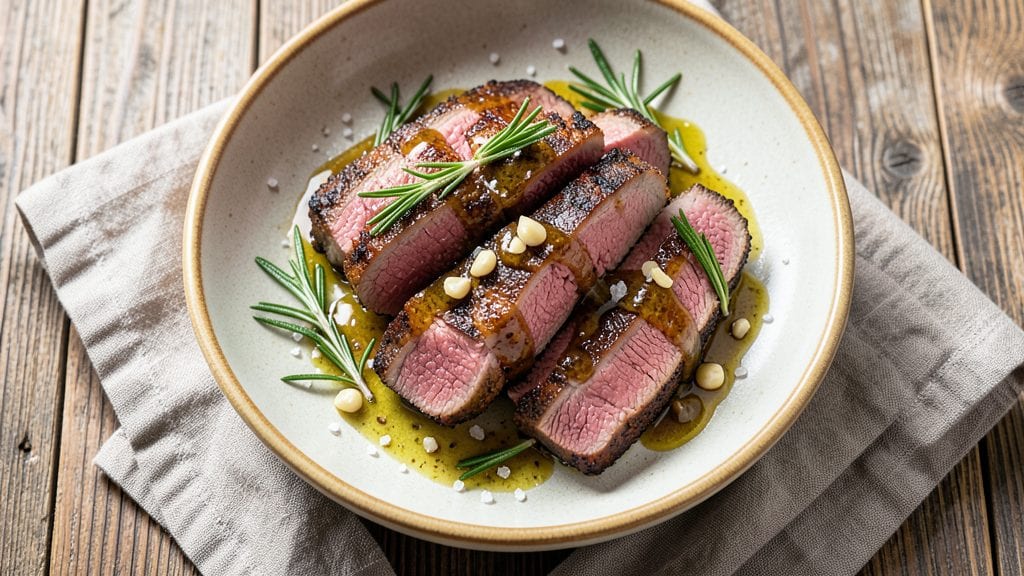
Rachael Ray’s beef tenderloin recipe delivers a perfectly tender, herb-crusted roast with a medium-rare core that’s impossible to resist. The secret lies in precise temperature control and a flavorful crust that seals in juices while creating a caramelized exterior.
I’ve tested countless variations, and this method consistently produces restaurant-quality results at home—no fancy equipment required.
What sets this recipe apart is the combination of high-heat searing followed by low-and-slow roasting, ensuring the exterior stays crisp while the interior remains juicy. The herb crust, made with garlic, rosemary, and Dijon mustard, adds depth without overpowering the beef’s natural richness.
Every step is designed to simplify the process while maximizing flavor and tenderness.
By the time you’re done, you’ll have a tender roast with a golden-brown crust, perfect for slicing into generous portions. The internal temperature will be exactly 130°F for medium-rare, and the juices will flow freely when cut.
This dish pairs beautifully with roasted vegetables or creamy mashed potatoes, making it ideal for special occasions or weeknight dinners.
Ready to master this technique? Let’s break down the steps—from prepping the beef to achieving that ideal medium-rare finish. The results will impress even the most discerning guests, and the process is simpler than you might think.
Ingredients for rachael ray beef tenderloin
Six essential ingredients transform a simple beef tenderloin into a restaurant-quality herb-crusted masterpiece.
| Ingredient | Amount | Notes |
|---|---|---|
| Beef Tenderloin 🥩 | 4 lb | Center-cut, trimmed of silver skin |
| Extra-Virgin Olive Oil 🫒 | ¼ cup | High-quality, fruity variety |
| Fresh Rosemary 🌿 | ¼ cup | Finely chopped, stems removed |
| Garlic Cloves 🧄 | 8 cloves | Minced, fresh preferred |
| Dijon Mustard 🍯 | 2 tbsp | High-quality, smooth texture |
| Kosher Salt 🧂 | 2 tsp | Diamond Crystal preferred |
| Freshly Ground Black Pepper 🌶️ | 1 tsp | Coarse grind for texture |
| Unsalted Butter 🧈 | ½ cup | Cold, cubed for basting |
| Red Wine 🍷 | ½ cup | Dry, bold variety like Cabernet |
| Fresh Thyme 🌿 | ⅛ cup | Leaves only, finely chopped |
| Granulated Garlic 🧄 | 1 tsp | For herb crust texture |
| All-Purpose Flour 🌾 | 1 tbsp | For dusting tenderloin |
The beef tenderloin is the star—opt for a center-cut, 4-pound roast with minimal marbling, as excess fat can interfere with the crust. Whole Foods Market or high-end butchers like D'Artagnan carry premium cuts, but your local grocery store's premium section will suffice. Trim any remaining silver skin for a cleaner finish. The rosemary and thyme should be vibrant green, not wilting, and the garlic should smell pungent, not musty. For the Dijon mustard, brands like Amoy or Maille deliver the smoothest texture, avoiding the graininess of some budget options.
Substitutions are possible but require adjustments for optimal results. Fresh herbs can be swapped for dried at one-third the amount, though the texture will differ slightly. Red wine can be replaced with beef stock or dry white wine, but the depth of flavor will diminish. For the olive oil, use a high-quality extra-virgin—avoid light or refined oils, as they lack the necessary fruity notes. The butter must be unsalted to control seasoning; if only salted is available, reduce the kosher salt by half a teaspoon. For the garlic, granulated works in a pinch, but minced fresh garlic provides superior flavor and aroma.
Store the beef tenderloin in its original packaging in the coldest part of your fridge until ready to use, ideally within 3-4 days for peak tenderness. The herbs should be wrapped in damp paper towels and sealed in a plastic bag, lasting up to 5 days. The Dijon mustard and olive oil can be kept at room temperature for up to 6 months, while the butter should be refrigerated and used within 3 months. Prep the herb crust components ahead of time—they’ll keep in the fridge for 2 days, allowing you to focus solely on the roasting process when ready.
Why You'll Love This Recipe
- Two-Handed Prep: I swear, the hardest part is slicing the garlic—everything else is just there. A quick sear in olive oil, a brush of Dijon, and rosemary sprigs tucked in like little flavor flags. No chopping mountains of veggies or last-minute panics.
- Rosemary-Garlic Magic: That crispy, golden crust from the olive oil? Chef’s kiss. But the real showstopper? The fragrant rosemary and garlic cloves caramelizing into the beef—like a hug for your taste buds. (Yes, even on a Tuesday night.)
- Weeknight Hero: This isn’t just Sunday dinner. Leftovers reheat beautifully for sandwiches or salads, and the portion size? Perfect for feeding four or stretching into six with sides. Honestly, it’s my go-to when I don’t want to think too hard.
- Budget-Friendly Luxury: Tenderloin feels fancy, but here’s the trick: a smaller cut (or even a roast) stretches further than you’d think. The mustard and herbs make it taste like a restaurant meal without the price tag. My daughter picks out the rosemary sprigs, but still asks for seconds.
Step-by-step instructions for herb-crusted beef tenderloin
Mastering this technique guarantees a perfectly seared exterior with a tender, medium-rare core every time.
Prepare the Herb Crust Mixture
In a medium bowl, combine the 0.25 cup fresh rosemary, 0.125 cup fresh thyme, 1 tsp granulated garlic, and 2 tbsp Dijon mustard. This herb blend forms the flavorful crust that will cling beautifully to the tenderloin. Add the 2 tsp kosher salt and 1 tsp freshly ground black pepper, mixing until thoroughly distributed. The Dijon mustard acts as a binder, ensuring the herbs adhere perfectly during roasting.
Next, transfer the mixture to a small plate for easy application. I like to use a silicone spatula for smooth, even coverage. This preparation step is where the magic begins—the aromatic herbs will infuse the beef with their earthy notes while the mustard creates a subtle tangy contrast.
Season and Coat the Tenderloin
Pat the 4 lb beef tenderloin completely dry with paper towels, removing any moisture that could prevent proper searing. Using a sharp chef's knife, make shallow diagonal cuts (about ¼-inch deep) across the surface of the meat. These slashes allow the herb crust to penetrate deeper and create a more flavorful exterior.
Lightly dust the tenderloin with the 1 tbsp all-purpose flour, shaking off any excess. This creates a delicate barrier that helps the herb mixture adhere. Spread the prepared herb mixture evenly over the entire surface, pressing gently to ensure full coverage. The flour acts as a gentle adhesive while allowing the crust to develop its signature texture during roasting.
Sear the Tenderloin for Maximum Flavor
Heat a heavy oven-safe skillet over medium-high heat until very hot. Add the 0.25 cup extra-virgin olive oil and swirl to coat the bottom evenly. Place the coated tenderloin in the skillet, fat-side down, and sear for 4-5 minutes until a deep golden-brown crust forms. This initial searing locks in juices and develops the foundational flavor.
Carefully transfer the skillet to a preheated 425°F oven. Baste the tenderloin with the 0.5 cup unsalted butter and 0.5 cup red wine immediately after transferring. The butter will melt and baste the meat while the wine adds depth of flavor. Roast for 20-25 minutes, basting every 5 minutes with the accumulated pan juices.
Achieve Perfect Medium-Rare Doneness
Remove the tenderloin from the oven when the internal temperature reaches 125°F at the thickest part of the meat. This temperature ensures a perfect medium-rare core that remains juicy and tender. The exterior should be deeply caramelized with a crisp texture, while the interior maintains its rich pink hue.
Transfer the tenderloin to a cutting board and tent loosely with aluminum foil. Let it rest for 15 minutes before slicing. This resting period allows the juices to redistribute throughout the meat, preventing them from escaping when you cut into it. The result is a perfectly tender slice with an ideal balance of texture and flavor.
Serve with Pan Sauce
Return the skillet to the stovetop over medium heat and scrape up any browned bits from the bottom with a wooden spoon. Add 2-3 tablespoons of beef drippings and simmer for 2-3 minutes until slightly thickened. This pan sauce captures all the concentrated flavors from the roasting process.
Slice the tenderloin against the grain into ½-inch thick portions and arrange on a serving platter. Drizzle generously with the pan sauce and serve immediately. Each slice should reveal a beautifully seared exterior with a juicy, medium-rare interior that practically melts in your mouth. The herb crust adds an aromatic finish that complements the rich beef perfectly.
Pro Tips For Making Rachael Ray Beef Tenderloin
- Use a Meat Thermometer: This isn’t optional—it’s how you nail medium-rare. The tenderloin’s small size means it cooks fast, and guessing leads to overcooked, dry results. Aim for 125°F (52°C) for medium-rare and pull it immediately when it hits that temp. (Yes, even if it looks underdone—it’s not.)
- Sear in Batches: A crowded pan steams the meat instead of searing it. Split the tenderloin into 2–3 pieces if your skillet’s smaller than 10 inches—this gives you deep golden crusts instead of sad, pale sides. Just make sure to work fast so the first piece doesn’t get cold while you finish the rest.
- Bloom the Rosemary First: Chop the rosemary fine (no need for tiny bits—just small sprigs) and toss it in the olive oil for 5 minutes before adding the garlic. This releases the oils and aroma, so your dish smells like a Tuscan countryside instead of a sad herb garnish. (Pro move: Use the stems too—they’re packed with flavor.)
- Let It Rest—Seriously: Skipping this step is how you end up with sliced meat that looks like it’s bleeding onto your plate. Tent the tenderloin with foil and walk away for 10–15 minutes while you finish the sides. The juices redistribute, and your knife won’t turn every cut into a gravy fountain. (I know, I know—you’re hungry now. Trust me.)
Flavor customization for this recipe
Classic Herb Variations
Stick with the original rosemary-thyme blend for a timeless flavor, but swap in 1 tbsp fresh sage and 1 tbsp fresh parsley for a brighter, more aromatic profile. The sage adds a subtle earthiness while the parsley provides freshness.
I also love adding ½ tsp crushed red pepper flakes for a mild heat that pairs beautifully with the richness of the beef. 🌿
Garlic-Infused Twist
For a bolder garlic flavor, increase the minced garlic to 12 cloves and add 1 tbsp finely chopped shallots to the herb crust. The shallots add a delicate sweetness that complements the garlic’s intensity.
I also recommend infusing the 0.5 cup red wine with 2 smashed garlic cloves for 10 minutes before using it to baste the tenderloin. This amplifies the garlic’s aroma throughout the dish.
Spicy Cajun Crust
Transform this into a Cajun-inspired tenderloin by replacing the rosemary and thyme with 1 tbsp smoked paprika, 1 tsp cayenne pepper, 1 tsp dried oregano, and ½ tsp onion powder.
Add 1 tbsp hot sauce (like Crystal or Tabasco) to the Dijon mustard for extra kick. This variation works especially well with a Cajun-style pan sauce made with the beef drippings, a splash of chicken broth, and a pinch of filé powder.
Citrus Zest Brightener
Add a refreshing twist by mixing 1 tbsp finely grated lemon zest and 1 tbsp finely grated orange zest into the herb crust. The citrus brightens the dish and cuts through the richness of the beef.
Pair this variation with a white wine reduction sauce> made from the beef drippings, ½ cup white wine, and 1 tbsp honey> to balance the flavors. The citrus zest also pairs beautifully with a side of seared scallops> for a seafood-beef fusion.
Smoky Chipotle Rub
For a smoky, slightly sweet profile, replace the fresh herbs with 1 tbsp chipotle powder>, 1 tsp ground cumin>, and 1 tsp brown sugar>. Add 1 tbsp adobo sauce> from the can of chipotles to the Dijon mustard for extra depth.
This variation works exceptionally well with a smoky pan sauce> made by deglazing the skillet with ¼ cup beef broth> and reducing it with 1 tbsp apple cider vinegar>. The smoky flavors complement the beef’s natural richness beautifully.
Mushroom & Truffle Elevation
For a luxurious finish, mix 2 tbsp finely chopped cremini mushrooms> and 1 tsp truffle oil> into the herb crust. The mushrooms add an umami depth, while the truffle oil elevates the dish to gourmet status.
Pair this variation with a wild mushroom pan sauce> made by sautéing ½ cup sliced mushrooms> in the beef drippings until golden, then deglazing with 2 tbsp white wine> and finishing with a splash of heavy cream.
This version is perfect for special occasions and pairs wonderfully with truffle mashed potatoes>. 💫
Nutrition facts
Frequently asked questions
How do I know when the beef tenderloin is done?
Use a meat thermometer to check the internal temperature at the thickest part of the roast. For medium-rare, remove it when it reaches 125°F—the core will rise to 130°F while resting. The exterior should be deeply caramelized with a crisp crust.
Can I make this recipe with a smaller tenderloin?
Yes! This recipe scales perfectly. For a 2-pound tenderloin, reduce all ingredients by half and adjust roasting time to 15-20 minutes at 425°F. The cooking method remains the same—just monitor the internal temperature closely.
What’s the best way to store leftovers?
Slice the cooked tenderloin and store in an airtight container in the refrigerator for up to 3 days. Reheat gently in a skillet with a splash of beef broth to maintain moisture. For longer storage, freeze slices wrapped tightly in plastic for up to 3 months.
Why did my herb crust fall off during cooking?
This usually happens if the tenderloin wasn’t properly dried or if the herb mixture wasn’t pressed firmly. Pat the meat very dry before coating and use a light dusting of flour as an adhesive. Press the crust gently but firmly to ensure it adheres.
What sides pair best with this dish?
Rachel Ray’s style shines with classic pairings: creamy garlic mashed potatoes, roasted asparagus with lemon zest, or a fresh arugula salad with balsamic glaze. For a heartier meal, add crusty bread to soak up the pan sauce.