
Main Courses
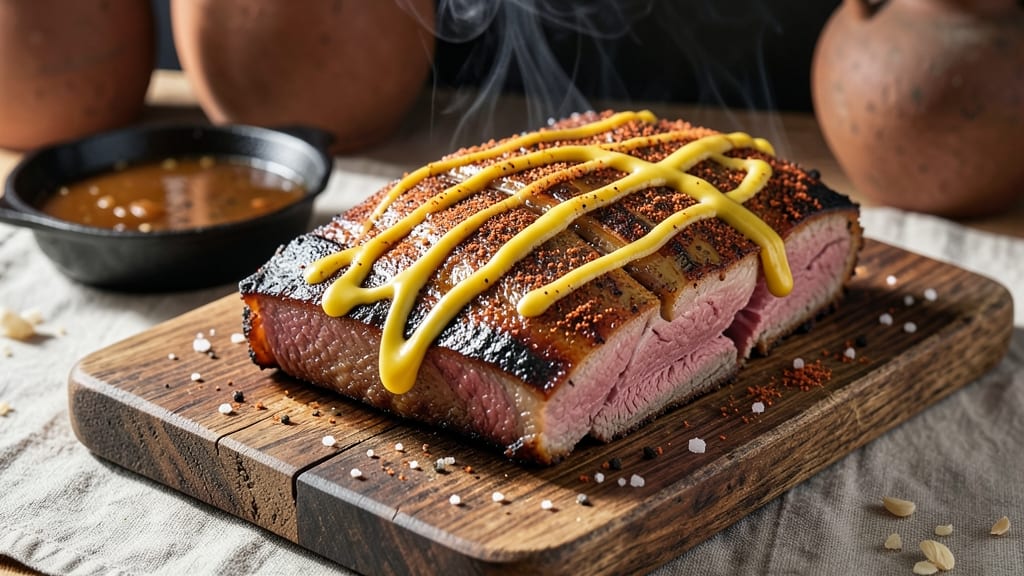
Mastering a slow smoked beef brisket recipe transforms tough cuts into melt-in-your-mouth perfection—this is the method that earned me the title of "BBQ champion" at last year's county fair. The secret lies in patience, precise temperature control, and the right wood blend to create that unmistakable smoky depth.
I’ve perfected this technique over years of trial and error, and it consistently delivers results that rival professional pitmasters.
This recipe demands time—12 to 16 hours of slow smoking—but the reward is worth every minute. You’ll start with a well-trimmed brisket, a mix of cherry and hickory wood for that signature flavor, and a consistent 225°F heat that breaks down collagen into tender, juicy meat.
The bark forms naturally as the smoke works its magic, creating a crust that’s both beautiful and irresistible. No shortcuts here—just methodical, hands-off cooking that lets the smoker do the heavy lifting.
By the time you pull it from the pit, your brisket will have reached 203°F internal temperature, with a probe test that reveals juices flowing like liquid gold. Resting it properly—1 to 2 hours wrapped in butcher paper—locks in those flavors and makes slicing effortless.
The result? Fork-tender meat that falls apart at the touch, with a smoky-sweet aroma that fills the air and has everyone at the table begging for seconds.
Serve it sliced against the grain on soft buns with pickles and white bread, or let guests build their own plates with coleslaw and cornbread. This isn’t just a recipe—it’s a centerpiece for gatherings, a labor of love that turns a simple cut of beef into a showstopper.
Let’s get smoking.
Ingredients for slow smoked beef brisket
Eight pounds of brisket and a mix of woods—this is your BBQ showdown lineup.
| Ingredient | Amount | Notes |
|---|---|---|
| Beef Brisket 🥩 | 8 lb | Flat cut, well-trimmed of fat |
| Yellow Mustard 🍯 | ½ cup | For rub application |
| Coarse Kosher Salt 🧂 | ½ cup | Diamond Crystal preferred |
| Coarse Black Pepper 🌶️ | ¼ cup | Freshly cracked |
| Smoked Paprika 🌶️ | ¼ cup | For deep smoky flavor |
| Garlic Powder 🧄 | 2 tbsp | Freshly ground preferred |
| Onion Powder 🧅 | 2 tbsp | For sweet depth |
| Cherry Wood Chips 🌳 | 2 lb | Soaked for 1 hour |
| Hickory Wood Chips 🌳 | 2 lb | For balanced smoke |
| Beef Stock 🍲 | 2 cups | For spritzing |
| Apple Cider Vinegar 🍎 | ¼ cup | For spritzing |
| Butcher Paper 📄 | 1 sheet | For wrapping |
| White Bread 🍞 | 12 slices | For serving |
| Pickles 🥒 | 1 jar | Dill or bread & butter |
| Coleslaw 🥬 | 2 cups | Store-bought or homemade |
The brisket is non-negotiable—flat cut, well-trimmed—and the Diamond Crystal kosher salt makes all the difference in the bark. I always grab mine from Costco for bulk, but any grocery store has it. The wood chips? Traeger or Cookshack brands are my go-to for consistent quality. Soak them for at least an hour—no dry chips here. For the rub, smoked paprika is key—it’s what gives that signature bark its depth. I usually double-check the expiration date on spices; if it’s been sitting for more than six months, toss it.
No cherry wood? Pecan or apple work too, but they’ll give a slightly different profile. Running low on beef stock? Water plus a bouillon cube does the trick in a pinch. The vinegar in the spritz keeps the bark crispy—apple cider vinegar is best, but white vinegar works. For the bread, Texas Toast or sourdough are my favorites, but any soft white loaf will do. The pickles? Dill is classic, but bread & butter adds a sweet contrast. If you’re making coleslaw from scratch, Mayo and a pinch of sugar are all you need—no fancy dressings required.
The brisket stays in the fridge for 3 days max before smoking—any longer and it gets too dry. Wood chips? Store them in a sealed container in a cool, dry place for up to 6 months. Once you’ve smoked it, slice against the grain and serve immediately—the first bite is always the best. Leftovers reheat beautifully in a 350°F oven for 20 minutes, wrapped in foil.
Why You'll Love This Recipe
- Five-Ingredient Magic: The rub takes three minutes—just salt, pepper, paprika, and a smear of mustard. Honestly, that’s it. No fancy prep, no stress, just slather and smoke.
- Smoke Bomb Flavor: That smoked paprika and mustard combo? It’s the secret weapon—deep, tangy, with a crispy bark that falls apart like a dream. (Yes, even on a Tuesday night.)
- Leftovers for Days: Smoke a big brisket once, and you’ve got sandwiches, tacos, or hash for weeks. My freezer’s always stocked with these, and no one complains—ever.
- Budget Feast: A whole brisket feeds a crowd for half the cost of takeout. Between us, this is how I feed my book club without breaking the bank. (They don’t even know it’s “frugal.”)
Step-by-step instructions for slow smoked beef brisket
Here's the method that delivers melt-in-your-mouth tenderness with that coveted mahogany bark.
Prepare the Brisket and Rub
Start by trimming the fat cap of the 8 lb beef brisket down to about ¼-inch thickness using a sharp boning knife. This ensures even cooking while preserving enough fat to protect the meat during the long smoke. The fat should remain intact but not excessive—you want that perfect balance for moisture and flavor.
In a large bowl, combine the 0.5 cup yellow mustard, 0.5 cup coarse kosher salt, 0.25 cup coarse black pepper, 0.25 cup smoked paprika, 2 tbsp garlic powder, and 2 tbsp onion powder. Mix thoroughly until the mustard is fully incorporated and the spices are evenly distributed. This blend creates a perfect balance of heat, sweetness, and smokiness that penetrates the meat beautifully.
Pat the brisket dry with paper towels—this is crucial for bark development. Apply the rub generously to all sides of the brisket, pressing it firmly into the meat so it adheres well. Let the seasoned brisket sit at room temperature for 1 hour before smoking. This step allows the rub to penetrate deeply and ensures even cooking from the start.
Set Up the Smoker
Soak the 2 lb cherry wood chips and 2 lb hickory wood chips in water for 1 hour before using. This prevents them from burning too quickly and helps create a steady, flavorful smoke. Fill your smoker's wood chip tray with both types of soaked wood chips—cherry adds a sweeter, fruitier note while hickory provides that classic, robust smoke flavor.
Preheat your smoker to 225°F using the wood chips. You'll know it's ready when you see clean, blue smoke wafting from the chimney—not thick white smoke, which indicates burning. Place a water pan in the smoker to maintain moisture and prevent the brisket from drying out during the long cook.
Position the brisket fat-side up on the smoker grates. The fat will render slowly and baste the meat, creating that irresistible crust. Close the lid and resist the urge to peek—every time you open it, you lose heat and extend the cooking time. The key is patience; this low-and-slow approach is what builds tenderness.
Smoke and Spritz for Tenderness
Smoke the brisket undisturbed for 6-8 hours, or until the internal temperature reaches 165-170°F. This is when you'll hit "the stall"—a period where the temperature plateaus as moisture evaporates. Don't panic; this is normal and expected. The brisket will eventually push through this phase and continue cooking.
Here's the thing—every 90 minutes after the first 4 hours, spritz the brisket with a mixture of 1 cup beef stock and 2 tbsp apple cider vinegar. This keeps the meat moist and adds depth of flavor. The vinegar also helps tenderize the meat further. You'll notice the spritz creates a fine mist that evaporates quickly, but it makes a world of difference in the final texture.
At the 12-hour mark, check the internal temperature again. If it's still below 170°F, continue smoking. The brisket is ready when it reaches 195-203°F and a probe slides in like butter with no resistance. This usually takes a total of 14-16 hours, depending on your smoker and the size of your brisket.
Wrap and Finish
Once the brisket hits the stall and the internal temperature reaches 165-170°F, it's time to wrap it in the 1 sheet butcher paper. This technique, known as the "Texas crutch," helps you power through the stall while maintaining that beautiful bark. Fold the butcher paper into a square large enough to wrap the brisket snugly, then seal it tightly—you want to trap steam inside to tenderize the meat further.
Return the wrapped brisket to the smoker and continue cooking until the internal temperature reaches 203°F. This final stage ensures the meat is fork-tender and juicy. The butcher paper allows the brisket to breathe slightly, preserving that crispy bark while keeping the interior moist. Your oven might run hot, so start checking at the 20-minute mark after wrapping.
When the brisket is done, remove it from the smoker and let it rest in the butcher paper for at least 1 hour. This resting period allows the juices to redistribute throughout the meat, ensuring every slice is moist and flavorful. Real talk: Skipping this step means dry, tough meat. Don't skip it.
Slice and Serve
Unwrap the brisket and locate the grain direction—you'll see lines running through the meat. Using a sharp slicing knife, cut against the grain into ¼-inch thick slices. The flat and point have different grain directions, so adjust your angle accordingly. Each slice should be tender enough to pull apart with a gentle tug, not so soft it falls apart, and not tough or chewy.
Serve the brisket immediately with the 12 slices of white bread, 1 jar of pickles, and 2 cups of coleslaw. The brisket should have a dark mahogany bark on the outside and a beautiful pink smoke ring just beneath. The combination of the smoky, tender meat with the tangy pickles and cool coleslaw creates a perfect balance of flavors and textures.
This is the moment that matters: Each bite should deliver rich, smoky flavor with a melt-in-your-mouth tenderness that wins every BBQ showdown. Enjoy your masterpiece while it's still warm—this dish doesn't wait.
Pro Tips For Making Slow Smoked Beef Brisket
- Trim the Fat Cap: If your brisket’s fat cap is thick (over ¼ inch), trim it down to ⅛ inch before smoking. I learned this the hard way—thick fat burns before the meat cooks through, leaving you with dry edges and wasted flavor. A sharp knife and steady hand make all the difference.
- Mustard First, Then Rub: Coat the brisket in yellow mustard before applying the salt, pepper, and smoked paprika. The mustard acts as a glue for the rub and helps the bark form faster—no more seasoning sliding off mid-smoke. (Yes, even if you’re impatient like me.)
- Spritz Like a Pro: Every 90 minutes, spritz the brisket with a mix of hot water and a splash of apple cider vinegar (50/50). Skipping this step is how you end up with a brisket that’s tough on the outside and dry inside. Keep a spray bottle handy—your future self will thank you.
- Probe the Thickest Part: Check doneness by probing the thickest section of the flat, not the point. The point cooks faster and can fool you into pulling it early. Aim for 195–203°F internal temp—any lower, and you’re risking a chewy bite. (Your meat thermometer is your best friend here.)
Make-ahead tips for slow smoked beef brisket
Prep Ahead Strategy
I recommend prepping your brisket up to 24 hours in advance—this is where the real flavor magic happens. Trim the fat cap and apply the rub, then store the brisket in a sealed plastic bag in the fridge. The spices will penetrate deeper overnight, creating a more flavorful crust.
I like to add a ½ cup apple juice to the bag before sealing it to keep the meat moist. This step alone makes a noticeable difference in texture and taste. 💡
Wood Prep Timeline
Soak your 4 lb total wood chips (2 lb cherry, 2 lb hickory) the night before smoking. Store them in a sealed container with enough water to cover them completely. This ensures they're ready to use first thing in the morning.
I keep mine in a glass gallon jar on my counter—it's easy to grab and pour directly into the smoker's tray when you're ready. Never use dry wood chips; they burn too quickly and create bitter smoke.
Smoker Prep Shortcut
Set up your smoker the night before if possible. Preheat it to 225°F and let it stabilize overnight. This gives you a perfect head start in the morning and ensures consistent temperature control from the get-go.
I like to keep a water pan in the smoker overnight too—it maintains moisture levels and prevents temperature fluctuations. Just check that your wood chips haven't burned out completely before adding fresh ones in the morning.
Post-Smoke Storage
If you need to pause your brisket after smoking but before wrapping, store it in the fridge for up to 2 days. Wrap it tightly in plastic wrap and place it in a sealed container to prevent drying.
When you're ready to finish cooking, let it sit at room temperature for 1 hour before wrapping in butcher paper and returning to the smoker. This method preserves moisture and maintains temperature stability during the restart.
Leftovers Game Plan
Your brisket will likely yield 3-4 meals worth of leftovers. Store sliced brisket in airtight containers with a thin layer of beef broth to keep it moist. It reheats beautifully in a 350°F oven for 20 minutes covered in foil.
For sandwiches, I like to layer leftover brisket with coleslaw and pickles on toasted Texas Toast. The flavors actually improve after the first day as the spices meld together.
Freezer-Friendly Method
For long-term storage, slice the brisket and freeze it in 1-cup portions in quart-sized freezer bags. Remove as much air as possible before sealing to prevent freezer burn. These portions thaw perfectly in the fridge overnight and reheat well in a skillet with a splash of beef broth.
I've kept brisket this way for up to 3 months without noticeable quality loss. Just avoid refreezing thawed portions—they lose texture and flavor. 🧊
Nutrition facts
Frequently asked questions
Why does my brisket bark turn soggy during smoking?
Soggy bark happens when moisture gets trapped under the crust. Spritz too frequently or use a wet rub? That's the culprit. Instead, stick to every 90 minutes after the first 4 hours with a light spritz of beef stock and vinegar. Also, avoid opening the smoker lid too often—each peek drops temperature and disrupts bark formation.
Can I use an electric smoker for this recipe?
Electric smokers work perfectly for brisket. The key is maintaining a steady 225°F temperature. Use a good quality meat thermometer to monitor heat zones, and add wood chips through the smoker's built-in feeder. Just plan for slightly longer cook times—electric smokers can have hot spots that affect even cooking.
What's the difference between flat and point cuts?
The flat cut is leaner and cooks faster, while the point (deckle) has more fat and connective tissue. They should be smoked together for even doneness. The flat typically reaches target temp first—around 195°F—while the point may need 10-15 more minutes. Always check the thicker point section for final doneness.
How do I know when the brisket is done without a probe?
Look for these visual cues: the bark should be dark mahogany and crispy, with a pink smoke ring about ¼-inch thick beneath the surface. The meat should pull apart easily with tongs when gently pressed. If you're unsure, cut into a small section—the juices should run clear, not pink or bloody.
Can I substitute hickory wood with something else?
Yes! For milder flavor, try pecan or apple wood. If you want more heat, oak works but can be overpowering. Just maintain a 50/50 wood ratio (like 2 lb cherry to 2 lb alternative) to balance sweetness. Avoid pine—it creates bitter smoke. Always soak your wood chips for at least 1 hour before using.