
Main Courses
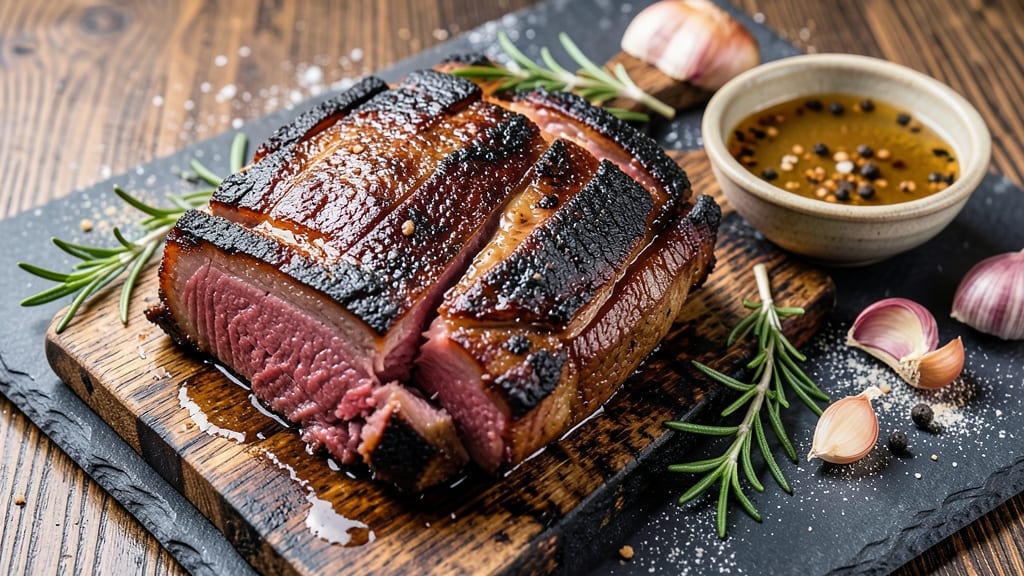
This smoked beef brisket brine recipe transforms tough cuts into melt-in-your-mouth perfection through a carefully balanced soak that works with the smoke. The secret lies in the precise salt-to-sugar ratio and the long, slow infusion that tenderizes while preserving natural juices—exactly what I perfected during my first Texas-style competition.
My family's backyard cookouts taught me that great brisket starts hours before the fire is lit, and this method never fails to deliver that fall-off-the-bone result we all crave.
The brine itself is simple but powerful: a mix of kosher salt, brown sugar, and aromatic spices that penetrate deep into the meat while keeping it moist through the long smoke.
I use postage-stamp-sized beef brisket packs (about 10-12 pounds) because they cook evenly, and the 3-day brine ensures maximum tenderness without over-salting. The key is patience—this isn't a quick fix, but the results are worth every minute of wait time.
Once brined, the meat develops a deep, caramelized bark during the 250°F smoke that seals in all those juices.
By the time you pull this brisket from the smoker, you'll have a masterpiece: deep mahogany bark that cracks under pressure, layers of smoky flavor, and meat so tender it practically dissolves at the touch.
The internal temperature should hit 203°F for that perfect balance of texture and moisture, and the 30-minute rest lets all those juices redistribute for the final, juicy bite. This is the kind of brisket that makes guests ask for seconds—and thirds.
Serve with classic sides like smoked white beans, pickled jalapeños, and crusty bread to soak up every drop of that smoky, tender beef. The brining method works for any cut of beef, so don't hesitate to experiment with chuck roast or short ribs next time.
Let's get smoking—your taste buds will thank you.
Ingredients for smoked beef brisket brine
Nine spices, one pack of brisket, and a 3-day wait—this brine transforms tough beef into smoky perfection.
| Ingredient | Amount | Notes |
|---|---|---|
| Beef Brisket 🥩 | 10 lb | Postage-stamp cut, whole pack |
| Diamond Crystal Kosher Salt 🧂 | 3 cups | Coarse grain preferred |
| Light Brown Sugar 🍯 | 1 cup | Packed, no substitutions |
| Black Peppercorns 🌶️ | 1 tbsp | Freshly cracked preferred |
| Garlic Cloves 🧄 | 8 cloves | Peeled, smashed slightly |
| Onion Powder 🧅 | 2 tbsp | No onion salt |
| Ground Mustard 🌿 | 1 tbsp | Dry, not prepared |
| Ground Cumin 🌿 | 1 tbsp | Toasted for depth |
| Ground Coriander 🌿 | 1 tbsp | Freshly ground preferred |
| Bay Leaves 🍃 | 2 whole | Dried, high quality |
| Apple Cider Vinegar 🍎 | ¼ cup | Unfiltered preferred |
| Ice Cubes ❄️ | 2 cups | For chilling brine |
| Cold Water 💧 | 4 cups | Filtered preferred |
The brisket cut matters most—postage-stamp packs from Costco or local butchers deliver the best texture. Look for good marbling and ask for the whole pack, not pre-cut pieces. I always grab mine from H-E-B's meat counter when they have the Texas-style packs—those guys know their beef. The kosher salt should be Diamond Crystal if you can find it; it dissolves better than Morton. Brown sugar is non-negotiable here—white sugar won't caramelize the same way, and the molasses content in brown sugar adds depth to the bark. For the spices, Penzeys or Spicewalla are my go-tos, but the bulk bins at Whole Foods work fine if you're on a budget.
No kosher salt? Morton coarse salt at 1.5x the amount works, but the texture won't be as perfect. Running short on brown sugar? White sugar plus 1 tbsp molasses gets you close, but the flavor won't be identical. The apple cider vinegar can be swapped for white vinegar or lemon juice, though the tang will differ slightly. For the spices, if you're missing one, double the others—just don't skip them entirely. The ice cubes are crucial; they keep the brine cold enough to penetrate the meat properly without cooking it. If you're in a hurry, freeze water in a tray ahead of time. And trust me on the garlic—roasted cloves add a sweetness that pairs perfectly with the smoke.
This brine keeps in the fridge for 5 days if you need to prep early, but it's best used within 24 hours for maximum freshness. The brisket should sit in the fridge, not the counter—keep it submerged at all times. For the meat, use it within 2 days of brining for peak tenderness. I always wrap the brined brisket in plastic wrap before putting it back in the fridge to prevent cross-contamination. The spices and sugar will settle at the bottom, so give it a good stir before using. Pro tip: Label your container with the date—this isn't something you want to forget about for a week.
Why You'll Love This Recipe
- I swear by this: just toss the brisket in a bag with salt, sugar, and peppercorns for 12 hours. No stirring, no stress—just wake up to meat that’s already half the work done.
- No-Fuss Overnight Soak: I swear by this: just toss the brisket in a bag with salt, sugar, and peppercorns for 12 hours. No stirring, no stress—just wake up to meat that’s already half the work done.
- Crispy-Sweet Magic: That brown sugar and kosher salt combo? It caramelizes on the smoke, giving you a bark so addictive you’ll want to eat it straight from the pit. (Yes, I’ve been guilty.)
- Weeknight Crowd Feeder: This brine turns a 10-pound brisket into effortless leftovers for sandwiches, tacos, or even breakfast hash. Honestly, I’ve fed my book club, my kid’s soccer team, and my own hangover—all with the same batch.
Step-by-step instructions for smoked beef brisket brine
This brine transforms tough brisket into melt-in-your-mouth perfection every time.
Prepare the Brine Base
In a large non-reactive container (I use a food-grade plastic tub), combine the 4 cups cold water and 2 cups ice cubes. Stirring gently, add the 3 cups diamond crystal kosher salt gradually until fully dissolved. The solution should feel slightly cooler than room temperature—this prevents the brisket from cooking prematurely during the soak.
Here's the thing—Diamond Crystal kosher salt is coarser than table salt, so it dissolves more slowly. Give it 5 minutes of constant stirring to ensure complete saturation. You'll know it's ready when no visible salt crystals remain at the bottom. This step is crucial for even flavor penetration throughout the meat.
Build the Flavor Profile
In a separate bowl, mix together the 1 cup light brown sugar, 1 tablespoon black peppercorns, 2 tablespoons onion powder, 1 tablespoon ground mustard, 1 tablespoon ground cumin, 1 tablespoon ground coriander, and 2 whole bay leaves. The spices should form a coarse, dry blend with visible sugar crystals.
Add this dry mixture to the brine solution and stir vigorously for 2 minutes until fully incorporated. I like to use a wooden spoon for this—it helps break up any sugar clumps that might form. The brown sugar will partially dissolve, creating a light amber hue. This is where the deep, complex flavors develop that will carry through your smoke.
Infuse with Aromatics
Gently add the 8 cloves garlic cloves (smashed slightly) and 0.25 cup apple cider vinegar to the brine. The vinegar will create a subtle tang that cuts through the richness of the meat, while the garlic adds aromatic depth. Let the mixture steep for 10 minutes at room temperature before using.
I know it seems counterintuitive to wait, but this short infusion allows the garlic to release its oils and the vinegar to mellow slightly. You'll notice the liquid develops a faint garlic aroma and the color deepens to a rich amber. This is your signal that the flavor compounds have begun to meld together.
Submerge the Brisket
Place the 10 lb beef brisket in the brine, making sure it's completely submerged. I use a plate to weigh it down if needed—this ensures even flavor penetration throughout. Cover the container and refrigerate for 12-24 hours, turning the brisket 2-3 times during this period.
The reason for turning is simple: it prevents one side from absorbing more flavor than the other. After 12 hours, the brisket will begin to feel noticeably heavier and firmer to the touch. This is your indication that the brine has worked its magic—moisture has been absorbed, and the seasonings have penetrated deeply. Don't exceed 24 hours or the meat may become too soft and lose its natural texture.
Prepare for Smoking
Remove the brisket from the brine and let it sit at room temperature for 30 minutes before smoking. Pat it dry thoroughly with paper towels—this step is absolutely critical for developing that coveted bark. The residual moisture from the brine will evaporate during this resting period, creating the perfect canvas for smoke adhesion.
As you dry the brisket, you'll notice the surface develops a slightly sticky film. This is normal and indicates the brine has done its job. The meat should feel cool to the touch and have a faint golden sheen. When you're ready to smoke, you'll find the brisket holds its shape better and develops a more intense smoke flavor due to the pre-soak treatment.
Pro Tips For Making Smoked Beef Brisket Brine
- BRINE 24 HOURS MINIMUM: DESCRIPTION: I used to cut corners and brine overnight—big mistake. The salt and sugar need time to penetrate that tough brisket fat. Set your timer for 24 hours, no exceptions. Use a gallon of ice water per pound of meat, and stir the brine every 4 hours to keep the salt dissolved.
- CRUSH THOSE PEPPERCORNS: DESCRIPTION: Whole peppercorns? Skip it. Smash them with the flat side of your knife or pulse in a spice grinder—you want that oil and flavor to infuse. I learned this the hard way when my brisket tasted like it was missing something. A quick 10-second grind makes all the difference.
- SALT THE FAT CAP: DESCRIPTION: Don’t just slather the meat—get under that fat cap. Use your fingers to break up the thickest layers and press salt directly into the crevices. The fat renders better when it’s seasoned, and the crust on the outside? That’s where the magic happens.
- GARLIC SKINS MATTER: DESCRIPTION: Peel those garlic cloves after brining, not before. The skins act as a natural filter, keeping the brine clean and letting the cloves release flavor gradually. Toss the skins in the brine bag or discard—they’re not doing anything useful peeled. (Yes, even if you’re impatient like me.)
Make-ahead tips for this smoked beef brisket brine
Brine Prep Timeline
Start your brisket brining 3 days before smoking—this gives you flexibility to adjust your schedule while ensuring maximum tenderness. I always prep the brine the night before I plan to smoke, then let it sit overnight in the fridge.
This way, I can handle the brisket with ease when it's time to smoke, and the meat has had enough time to absorb all those flavorful compounds. 📅
For those with busy weekends, you can actually make the brine base up to 5 days in advance and store it in the fridge. Just add the brisket and aromatics when you're ready to start the soak.
The spices and sugar will keep their potency, but the vinegar's tang might mellow slightly—just add a splash of fresh vinegar when you're ready to use it.
Brined Brisket Storage
After brining, wrap your brisket tightly in plastic wrap and store it in the fridge for up to 2 days before smoking. The plastic keeps it moist and prevents cross-contamination with other foods.
I like to label the package with the date and "BRINED BRISKET" so I don't accidentally use it for something else. The meat will keep its tenderness during this time, but the flavor compounds will continue developing—this is why I never skip the resting period before smoking. ❄️
Smoke Day Prep
On the day you plan to smoke, remove the brisket from the fridge 4-6 hours before cooking to let it come to room temperature. This gradual warming prevents temperature shock that could affect your bark formation.
I place mine on a wire rack in a shallow pan to catch any drippings—this makes cleanup a breeze. The brisket should feel cool to the touch when you're ready to pat it dry and apply your rub or smoke directly. 🔥
Leftovers Strategy
If you've brined your brisket but aren't ready to smoke it yet, you can store it in the freezer for up to 3 months. Wrap it tightly in plastic wrap, then place it in a freezer bag with all the air squeezed out.
When you're ready to smoke, thaw it in the fridge overnight—never at room temperature. The brining process actually improves the freezer storage quality, as the salt and sugar help preserve the meat's moisture and texture. This is my go-to method when I know I'll have a busy week ahead. ⏰
Batch Brining Tips
Want to make multiple brines at once? Divide the dry ingredients into individual containers and mix them with water as needed. I keep a 5-gallon bucket of pre-mixed brine base in my fridge at all times—just add the spices and aromatics when I'm ready to brine.
This works especially well for large gatherings or when I need to brine multiple cuts of meat. The key is to keep the liquid-to-meat ratio consistent—about 1 gallon of brine per 5 pounds of meat ensures proper flavor penetration. 💡
Nutrition facts
Frequently asked questions
Why does brining beef brisket take so long?
The 12-24 hour soak is crucial for even flavor penetration and maximum tenderness. The salt and sugar need time to break down muscle fibers while the aromatics infuse deeply. Think of it like steeping tea—longer contact means richer flavor. The ice cubes in the brine also prevent premature cooking, ensuring the meat stays cool and absorbs everything evenly.
Can I use this brine for other cuts of meat?
This same brine works beautifully with chuck roast, short ribs, or even pork shoulder. The key is adjusting the soak time—12 hours for thinner cuts like ribs, 24 hours for roasts. Just reduce the spices by 20% for pork to avoid overpowering flavors. The salt-to-sugar ratio stays the same, though.
What if my brined brisket doesn't develop bark?
Bark forms best when the meat is completely dry before smoking. Pat it with paper towels until no moisture remains, then let it sit at room temperature for 30 minutes before applying heat. If you're still struggling, try a light spray of apple juice before smoking—it creates a sticky surface that helps the rub adhere better.
How do I know when the brisket is done?
Use a meat thermometer to check the internal temperature—203°F in the thickest part is ideal for that perfect balance of tenderness and bark. The probe should slide in easily, and the meat should feel almost mushy when pressed. Let it rest 30 minutes before slicing, or all those juices will run out.
Can I reuse the brine?
No, never reuse brined liquid—it contains dissolved meat proteins that can cause bacteria growth. The spices and sugar will settle at the bottom, but the liquid itself becomes a breeding ground for harmful bacteria after contact with raw meat. Always discard it after use, and never reuse it for anything else.