
Main Courses
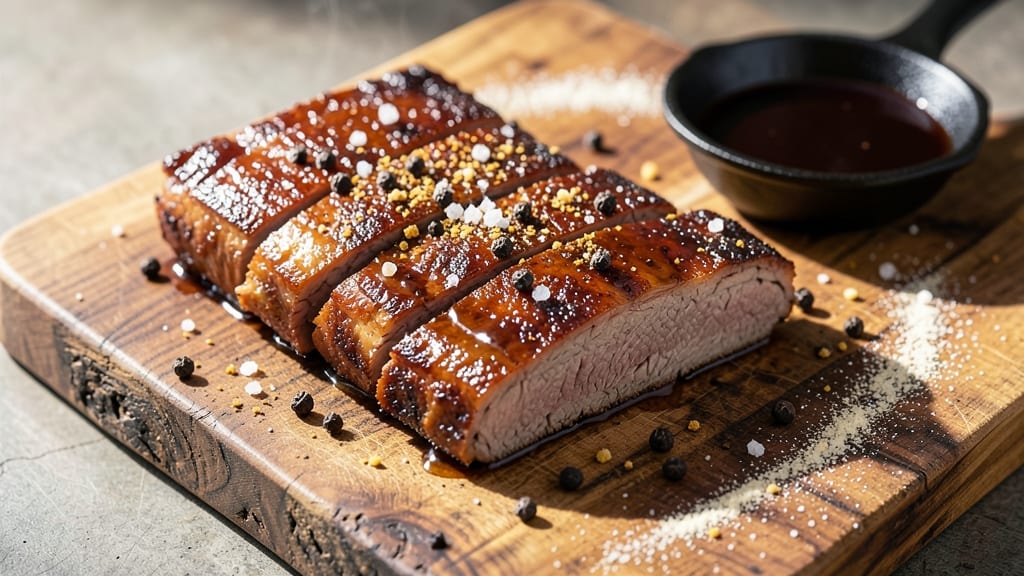
Mastering a smoked beef brisket flat delivers bark-to-bone tenderness that transforms tough cuts into melt-in-your-mouth perfection. 🔥 After years of perfecting my technique—including that first competition where skeptics doubted my method—I’ve developed a foolproof 8-hour process that guarantees restaurant-quality results at home.
The secret lies in low-and-slow smoking with precise temperature control, a well-balanced rub, and patience that pays off in every tender bite.
I use a mix of coarse salt, black pepper, garlic powder, and smoked paprika for a flavorful crust, then smoke the brisket flat at 225°F with oak or hickory wood until it reaches 195°F internally.
What you’ll end up with is a brisket so tender it nearly falls apart, with a deep, smoky bark that locks in all those juices. The texture is uniform from edge to edge, and the flavor is rich, savory, and impossible to resist.
This isn’t just a recipe—it’s a game-changer for anyone who thinks great BBQ requires a commercial smoker.
Serve it sliced thin against crusty bread, piled high on tacos, or as the centerpiece of a full spread. Ready to prove the doubters wrong? Let’s get smoking.
Ingredients for smoked beef brisket flat
Six essential ingredients transform a tough brisket flat into smoky, fall-apart perfection.
| Ingredient | Amount | Notes |
|---|---|---|
| Beef Brisket Flat 🥩 | 4 lb | Whole packer cut, 1-inch thick |
| Coarse Kosher Salt 🧂 | ½ cup | Diamond Crystal preferred |
| Freshly Ground Black Pepper 🌶️ | 2 tbsp | Freshly cracked for intensity |
| Garlic Powder 🧄 | 1 tbsp | Freshly ground preferred |
| Smoked Paprika 🌶️ | 1 tbsp | Spanish paprika for depth |
| Granulated Onion Powder 🧅 | 1 tsp | For subtle sweetness |
| Ground Mustard 🌿 | 1 tsp | Dry, for bark adhesion |
| Brown Sugar 🍯 | 1 tbsp | Light or dark works |
| Oak Wood Chips 🌳 | 1 package | Unsoaked, 100% natural |
| Hickory Wood Chips 🌳 | 1 package | Optional, for complexity |
| Beef Stock 🍲 | 1 cup | Homemade or high-quality |
| Apple Cider Vinegar 🍎 | 2 tbsp | For tenderizing spritz |
| Yellow Onion 🧅 | 1 whole | Sliced for spritz |
| Fresh Garlic 🧄 | 4 cloves | Smashed for spritz |
| Butter 🧈 | ½ cup | Unsalted, for wrapping |
The brisket flat is non-negotiable here—look for a 1-inch thick cut with good marbling. Costco or your local butcher will have the best quality, often pre-cut for convenience. If buying whole, ask for the flat cut (not the point). The wood chips? 100% natural, no additives—I swear by Traeger or Cookshack brands for consistency. For the rub, Diamond Crystal kosher salt dissolves better than table salt, creating that perfect bark. Toast your spices lightly in a dry pan first (30 seconds) to wake up their flavors—game changer.
No smoked paprika? Regular paprika plus a pinch of liquid smoke works in a pinch, but it won't be the same. The brown sugar can be swapped for turbinado sugar if you're avoiding refined sugar. For the spritz, beef broth works too, but apple cider vinegar adds that tangy brightness. Short on time? Pre-mix your rub in a jar and store it for up to 6 months—just shake before using. The butter wrap? Use ghee if you're avoiding dairy, but traditional butter gives that unbeatable richness when it melts into the meat.
This brisket reheats like a dream—wrap tightly in foil and reheat in a 275°F oven for 1 hour. Keeps 5-6 days in the fridge, 3 months frozen if properly wrapped. I always slice against the grain (about 1/4-inch thick) and serve on a warm platter with extra spritz juice. The bark is best eaten fresh, so don't wait too long—it gets tougher as it cools. For leftovers, store the meat and juices separately to keep everything juicy.
Why You'll Love This Recipe
- Flat-Out Simple: I swear, this takes less work than ordering takeout. Just rub that brisket flat with salt, pepper, garlic powder, and smoked paprika—no fancy marinades or hours of prep. Honestly, I’ve made it while watching TV, and it still turns out tender and packed with flavor.
- Smoky Magic: That smoked paprika? It’s the secret weapon. The brisket flat gets this deep, woodsy warmth that pairs perfectly with the garlic’s punch—no extra rubs or sauces needed. Between us, it’s the kind of taste that makes people ask, “What’d you do to this?”
- Leftovers That Don’t Suck: Seriously, this is the only brisket recipe where leftovers are better the next day. Slice it thin, pile it on toast, or toss it into tacos—it’s that versatile. I’ll be real: my lunchbox gets stuffed with this for days, and no one complains.
- Budget-Friendly Feast: A whole brisket flat feeds four for dinner and leaves enough for leftovers—without breaking the bank. The ingredients? Just salt, pepper, and spices you already own. Not the prettiest, but the taste makes up for it every time. (Yes, even on a Tuesday night.)
Step-by-step instructions for smoked beef brisket flat
Here's the method that delivers melt-in-your-mouth tenderness with that coveted mahogany bark.
🔥 Step 1: Prep the Brisket for Maximum Flavor
Start by trimming the fat cap of the 4 lb beef brisket flat down to about ¼-inch thickness using a sharp boning knife. Leave the fat on the edges to protect the meat during smoking. Pat the entire surface completely dry with paper towels—this is critical for bark formation. I press firmly to remove all moisture that could prevent the rub from adhering.
In a small bowl, combine the 0.5 cup coarse kosher salt, 2 tbsp freshly ground black pepper, 1 tbsp garlic powder, 1 tbsp smoked paprika, 1 tsp granulated onion powder, 1 tsp ground mustard, and 1 tbsp brown sugar. Mix thoroughly with your fingers until the spices are evenly distributed. This dry rub is the flavor foundation that will penetrate the meat during the long cook.
Generously coat all sides of the brisket with the spice blend, pressing it into the meat so it clings tightly. Don't be shy—you want that rub to stick even when you handle the brisket later. Place the seasoned brisket on a wire rack set over a rimmed baking sheet and refrigerate uncovered for 12-24 hours. This dry-brining step ensures deep flavor penetration and helps create that perfect bark.
🔥 Step 2: Create the Tenderizing Spritz and Set Up the Smoker
While the brisket rests, prepare the tenderizing spritz by combining 1 cup beef stock, 2 tbsp apple cider vinegar, and the contents of 1 whole yellow onion (sliced) plus 4 cloves fresh garlic (smashed) in a bowl. Let this mixture sit for 30 minutes to infuse flavors. Just before smoking, remove the brisket from the fridge and let it sit at room temperature for 1 hour.
Set up your smoker by filling the water pan with enough water to cover the bottom (about ½ cup). Add 1 package oak wood chips and 1 package hickory wood chips to the smoker box. Light the chips and let the smoker preheat to 225°F with a steady stream of clean, blue smoke. This low-and-slow temperature is key to achieving tender, fork-tender meat without drying it out.
Once the brisket reaches room temperature, brush or spray the tenderizing spritz evenly over all surfaces. This acidic mixture helps break down muscle fibers for even more tenderness. Place the brisket fat-side up on the smoker grates—this allows the rendered fat to baste the meat as it cooks.
🔥 Step 3: Smoke Low and Slow Until Probe-Tender
Close the smoker lid and resist the urge to peek—every time you open it, you lose heat and moisture. Smoke the brisket undisturbed for 6-8 hours, maintaining a temperature between 225-250°F. You'll notice the bark forming and darkening as the moisture evaporates and the sugars caramelize. This is when the magic happens—those beautiful crusty edges develop while the interior stays juicy.
After about 6 hours, check the internal temperature using a meat thermometer inserted into the thickest part of the brisket (not touching bone). When it reaches 165-170°F, you'll hit "the stall"—a period where the temperature stops rising as moisture evaporates. This is normal and expected. The brisket will look dry on the surface, but don't worry; we're not done yet.
At this point, remove the brisket from the smoker and wrap it tightly in heavy-duty aluminum foil. This "Texas crutch" technique helps push the brisket through the stall while preserving that beautiful bark. Return it to the smoker and continue cooking until the internal temperature reaches 200-205°F (about 4-6 more hours). The meat should be fork-tender with no resistance when you pierce it with a sharp knife.
⏰ Step 4: Rest and Slice for Maximum Juiciness
Once the brisket reaches the target temperature, remove it from the smoker and transfer it to a cutting board. Let it rest for at least 1 hour (I prefer 2 hours) wrapped in the foil. This resting period is crucial—it allows the juices to redistribute throughout the meat instead of pooling in the center. If you skip this step, you'll end up with dry slices.
After resting, unwrap the brisket and locate the grain direction by looking at the muscle fibers. Using a sharp carving knife, slice the brisket against the grain into ¼-inch thick slices. The flat cut has a consistent grain pattern, making it easier to slice evenly. Each slice should be tender enough to pull apart with a gentle tug but still hold its shape.
Serve the brisket immediately while still warm. The exterior should have a dark mahogany bark with a crispy texture, while the interior remains juicy and tender. The flavors will be deep and complex—smoky from the wood chips, sweet from the brown sugar, and savory from the beef stock spritz. For extra richness, serve with the 0.5 cup softened butter melted over the top or alongside classic barbecue sides.
Pro Tips For Making Smoked Beef Brisket Flat
- Trim the Fat First: The flat cut’s fat cap can turn into a greasy mess if left on—trim it down to about ¼-inch thick before smoking. I learned this the hard way when my first batch rendered into a slick, uneven crust instead of a crispy bark.
- Salt Like It’s 1985: Generously coat the brisket flat with kosher salt (at least 1 tablespoon per pound) and let it sit uncovered in the fridge for 12–24 hours. Sounds old-school, but this guarantees a deep, even crust that clings like it’s supposed to—no last-minute slathering.
- Smoke Hot and Fast: Start the brisket flat at 250°F (225°F is for purists, not pragmatists) to render fat quickly and build that crust in the first hour. After that, dial it back to 225°F—this two-stage approach keeps the meat juicy without turning it into shoe leather.
- Pepper the Crust: After the initial salt rub, sprinkle freshly cracked black pepper directly onto the brisket’s surface right before smoking. The peppercorn oils will caramelize into the crust, adding a sharp, aromatic bite that dry powder can’t match. (Yes, even if you’re impatient like me.)
Creative variations of this recipe
Asian-Inspired Five-Spice
Swap out the classic rub for a fusion twist by blending 1 tbsp Chinese five-spice powder, 1 tbsp toasted sesame oil, 1 tbsp soy sauce, and 1 tsp brown sugar. Apply this mixture generously to the brisket before smoking.
Use binchotan charcoal for a lighter smoke profile and add 1 tsp grated ginger to your spritz. Serve with pickled ginger and steamed jasmine rice for an authentic Asian BBQ experience. 🌶️
Carolina Mustard Heat
Channel Southern BBQ flavors by mixing 2 tbsp yellow mustard powder, 1 tbsp cayenne pepper, 1 tbsp brown sugar, and 1 tsp ground coriander into your rub. Smoke the brisket with hickory wood only and add ½ cup apple cider vinegar to your spritz.
Serve with classic Carolina sides like collard greens and cornbread. This version delivers serious heat with a tangy kick. 🔥
Mexican Chipotle
Create a smoky-sweet Mexican variation by adding 1 tbsp chipotle powder, 1 tbsp ground cumin, and 1 tsp oregano to your rub. Use mesquite wood chips for a distinct earthy flavor.
After smoking, wrap the brisket in foil with 1 cup chopped onions and 4 cloves garlic before finishing. Serve with warm tortillas, pico de gallo, and lime wedges for a fiesta-worthy meal. 🌶️
Herb-Crusted French
For a gourmet twist, coat the brisket in a paste made from 2 tbsp Dijon mustard, 1 tbsp chopped fresh thyme, 1 tbsp chopped rosemary, and 1 tbsp minced shallots. Top with a crust of ½ cup panko breadcrumbs mixed with 2 tbsp grated Parmesan.
Smoke with cherry wood chips for a fruity undertone. Serve with a red wine reduction and roasted root vegetables for an elegant dinner. ✨
Breakfast Brisket
Turn your brisket into a breakfast sensation by adding 1 tbsp ground coriander, 1 tsp cinnamon, and ½ tsp allspice to your rub. After smoking, slice and serve with biscuits and gravy made from the brisket juices.
Top with a fried egg and hot sauce for a Southern-style brunch. This unexpected combination is a crowd-pleaser. 🍳
Nutrition facts
Frequently asked questions
Why is the brisket flat cut better than the point for smoking?
The brisket flat has more consistent muscle fibers and less connective tissue than the point cut, making it more predictable for low-and-slow smoking. It develops a uniform bark and stays tender throughout, while the point cut can become dry or uneven. The flat's thinner profile also cooks faster, saving time without sacrificing flavor.
Can I use a different wood for smoking besides oak and hickory?
Experiment with mesquite for a stronger flavor or fruitwoods like cherry/peach for sweetness. Just avoid softwoods like pine—they can make the meat bitter. For beginners, stick with oak or hickory as they're the most forgiving. The key is maintaining a steady 225°F temperature regardless of wood choice.
What's the 'stall' and why does it happen?
The stall occurs around 165°F when moisture evaporates from the meat, temporarily stopping temperature rise. This is normal and expected—it's your brisket's way of drying out before becoming tender. The foil wrap (Texas crutch) helps push through this phase by trapping steam. Don't rush it; patience is key to perfect texture.
How do I know when the brisket is done without a probe?
Look for these signs: The bark should be dark mahogany and crispy, the meat should pull apart easily with tongs, and the internal temperature should reach 200-205°F. If you don't have a probe, cut into the thickest part—juices should run clear, not pink. The meat should be fork-tender but still hold its shape when sliced.
What's the best way to reheat leftover brisket?
Wrap slices tightly in foil with a splash of beef broth, then reheat in a 275°F oven for 1 hour. This method keeps the meat juicy and reheats evenly. For sandwiches, warm the bread and brisket separately—this prevents sogginess. Never microwave; it turns the bark rubbery and dries out the meat.