
Side Dishes
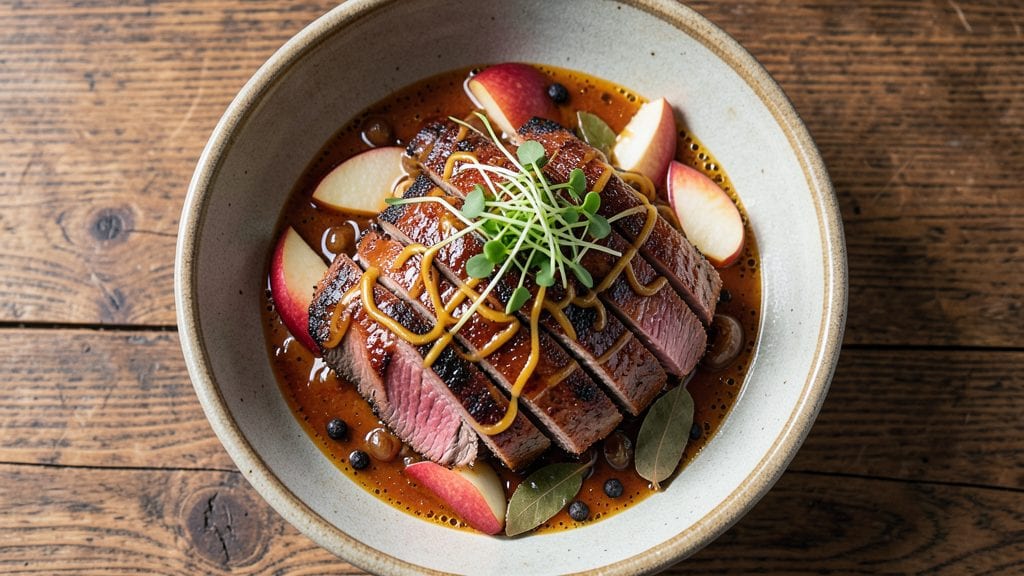
Mastering sous vide corned beef brisket transforms tough cuts into precision-tender perfection that rivals traditional slow-cooking methods. This technique delivers unmatched consistency—juicy, fall-apart texture every time—while the crispy cabbage topping adds a satisfying contrast.
I developed this method after years of experimenting with brisket, refining the balance between low-temperature precision and high-heat finishing.
The secret lies in the 3-day corning process, where the brisket absorbs flavors deeply before the sous vide bath at 175°F for 48 hours. This slow, controlled cooking breaks down collagen without drying the meat, ensuring each slice melts in your mouth.
The cabbage topping, roasted until caramelized and crispy, becomes the perfect foil to the rich, tender beef.
What you'll achieve is a brisket so tender it practically falls apart at the touch, paired with a cabbage topping that's crispy on the edges and sweetly caramelized inside.
The result is a meal that feels both rustic and refined—ideal for holiday feasts or special Sunday dinners. This method eliminates guesswork, guaranteeing restaurant-quality results at home.
Serve with classic accompaniments like mustard sauce, pickled vegetables, or a simple potato side to complete the meal. The sous vide technique makes this recipe foolproof, perfect for both beginners and seasoned cooks looking to elevate their brisket game. Let's get started on creating your most tender brisket yet.
Ingredients for sous vide corned beef brisket
Precision-tender brisket meets crispy cabbage—just 14 ingredients for restaurant-quality results.
| Ingredient | Amount | Notes |
|---|---|---|
| Beef Brisket 🥩 | 4 lb | Flat cut, trimmed of excess fat |
| Yellow Mustard 🍯 | ½ cup | For corning brine base |
| Beef Broth 💧 | 4 cups | Low-sodium preferred |
| Apple Cider Vinegar 🍎 | ½ cup | For acidity in corning |
| Bay Leaves 🌿 | 4 whole | Fresh for optimal flavor |
| Black Peppercorns 🌶️ | 1 tbsp | Crushed, for corning spice |
| Garlic Cloves 🧄 | 8 cloves | Crushed, for corning blend |
| Onion Powder 🧅 | 1 tbsp | For depth of flavor |
| Green Cabbage 🥬 | 2 lb | Green or purple variety |
| Olive Oil 🫒 | ¼ cup | Extra-virgin for roasting |
| Brown Sugar 🍯 | ¼ cup | Light or dark preferred |
| Diamond Crystal Kosher Salt 🧂 | 1 tbsp | For cabbage seasoning |
| Fresh Thyme Leaves 🌿 | ½ cup | Chopped, for cabbage topping |
| Fresh Parsley Leaves 🌿 | ¼ cup | Chopped, for garnish |
The brisket selection is critical. Flat cuts from well-marbled beef deliver the best texture, and USDA Choice or Prime grades ensure optimal tenderness. Most butcher shops will trim the excess fat for you, but if you're doing it yourself, leave a thin layer for flavor. For the corning process, Whole Foods or specialty butchers often carry high-quality beef broth and vinegar, but any low-sodium beef broth and apple cider vinegar from your grocery store will work. The bay leaves and peppercorns should be fresh—if they smell stale, replace them. Garlic and onion powder from Penzeys or bulk bins provide the deepest flavor, but standard grocery store brands are perfectly fine for home cooking.
No fresh bay leaves? Dried bay leaves at half the quantity will suffice, though fresh is preferred. Substituting apple cider vinegar? White vinegar or red wine vinegar work in a pinch, but apple cider adds a subtle sweetness that complements the brisket. For the cabbage topping, green or purple varieties both work, but avoid red cabbage—it has a stronger flavor that can overpower the dish. If you're short on fresh thyme, dried thyme at one-third the amount is a decent substitute, though fresh is ideal. The brown sugar can be swapped for white sugar or maple syrup, but brown sugar caramelizes more beautifully for the crispy topping.
The corned beef brisket should be refrigerated in its brine for 3 days before sous vide cooking—this is non-negotiable for optimal flavor absorption. Once cooked, it reheats beautifully and keeps for 4-5 days in the fridge, though it's best enjoyed within 2 days for peak tenderness. The cabbage topping can be prepped ahead and stored in the fridge for 2 days before roasting, or frozen for 3 months in an airtight container. For serving, slice the brisket against the grain for maximum tenderness, and garnish with fresh parsley just before plating to keep it vibrant.
Why You'll Love This Recipe
- Taste Like a Pub: That yellow mustard and apple cider vinegar combo? It’s the secret weapon—bright, tangy, and just sweet enough to cut through the rich beef. The broth keeps it juicy, the bay leaves add depth, and the result? Restaurant-quality without the fuss.
- Leftovers for Days: Sous vide makes a mountain of brisket—perfect for sandwiches, tacos, or reheated hash. Honestly, I’ve eaten this for lunch three days in a row, and it’s still better than takeout.
- Budget-Friendly Luxury: A whole brisket feeds a crowd but costs less than half the price of pre-sliced deli meat. The ingredients? Basic, affordable, and packed with flavor—no gimmicks, just solid, satisfying food.
Step-by-step instructions for sous vide corned beef brisket
Precision cooking delivers unmatched tenderness while preserving moisture—here's how to execute it flawlessly.
Prepare the Corned Brine and Season the Brisket
In a large mixing bowl, combine the 4 cups beef broth, 0.5 cup yellow mustard, 0.5 cup apple cider vinegar, 4 whole bay leaves, 1 tablespoon crushed black peppercorns, and 8 crushed garlic cloves. Stir until the bay leaves and peppercorns fully dissolve, creating a homogenous corning liquid. The mixture should have a tangy aroma with notes of vinegar and garlic—this is your flavor foundation.
Place the 4 lb beef brisket in a large resealable plastic bag and pour the corning liquid over it. Submerge the brisket completely, pressing down to ensure full contact with the liquid. Seal the bag tightly, removing as much air as possible. Place the bag in a shallow dish to catch any leaks, then refrigerate for 24 hours at 38°F or lower. This slow corning process infuses the meat deeply while tenderizing the fibers for the perfect texture.
Sous Vide the Brisket to Perfect Tenderness
After corning, remove the brisket from the bag and pat it dry with paper towels to prevent surface moisture from diluting the sear. Set your sous vide precision cooker to 160°F—this low temperature ensures the collagen breaks down slowly, resulting in melt-in-your-mouth tenderness without drying the meat. Place the brisket in a vacuum-sealed bag (or use a zip-top bag with the water displacement method) and cook for 36 hours. The long cook time is critical; it transforms the tough brisket into silky, fork-tender perfection.
During cooking, the brisket will develop a subtle pink hue and release juices into the bag. This is normal—it indicates the collagen is rendering and the meat is becoming tender. If you're using a water bath, ensure the bag is fully submerged and the water circulates evenly. Never exceed 165°F, as higher temperatures risk overcooking and toughness.
Sear and Roast for Crispy Exterior
Once the brisket reaches 160°F internally, remove it from the bag and pat it dry once more with paper towels. Heat a cast-iron skillet over high heat until it's screaming hot—you should see a thin layer of steam when you sprinkle water on it. Add 0.25 cup olive oil and let it shimmer for 30 seconds before adding the brisket. Sear the brisket for 2 minutes per side, pressing down gently with a metal spatula to ensure even contact. You'll see a deep mahogany crust form—this is your crispy exterior developing.
Transfer the seared brisket to a baking sheet and place it in a 400°F preheated oven for 15 minutes. This step caramelizes the crust further and adds depth to the flavor. The brisket should emerge with a glossy, crackling exterior while remaining juicy inside. If the crust isn't golden enough, return it to the skillet for an additional 30 seconds of searing.
Prepare the Crispy Cabbage Topping
While the brisket rests, prepare the cabbage topping by thinly slicing the 2 lb green cabbage into ¼-inch strips—this ensures even cooking and a crisp texture. In a large bowl, toss the cabbage with 0.25 cup olive oil, 0.25 cup brown sugar, 1 tablespoon diamond crystal kosher salt, and 0.5 cup chopped fresh thyme leaves. The cabbage should be evenly coated; if it looks dry, add 1 tablespoon apple cider vinegar to help distribute the oil.
Spread the cabbage in a single layer on a parchment-lined baking sheet, ensuring the pieces don't overlap. Roast at 425°F for 20-25 minutes, stirring once halfway through, until the edges are deep golden brown and crispy. The cabbage should have a caramelized sweetness with a slight crunch—this contrast with the tender brisket is what makes this dish exceptional.
Rest and Slice for Maximum Juiciness
Remove the brisket from the oven and transfer it to a cutting board. Tent loosely with aluminum foil and let it rest for 30 minutes at room temperature. This resting period is non-negotiable—it allows the juices to redistribute throughout the meat, ensuring every slice is moist and flavorful. If you slice too soon, the juices will pool on your plate instead of staying in the brisket.
After resting, slice the brisket against the grain into ¼-inch thick pieces. The grain direction will be visible as faint lines in the meat—cutting perpendicular to these lines shortens the muscle fibers, making each bite more tender. Serve the brisket topped with the crispy cabbage mixture and garnished with 0.25 cup chopped fresh parsley leaves. The result is a dish where every element—tender brisket, crispy cabbage, and aromatic herbs—works in harmony.
Pro Tips For Making Sous Vide Corned Beef Brisket
- Trim the Fat First: Cut away the thickest layer of fat on the brisket before sealing it in the bag—this keeps the broth from turning into grease soup and ensures your mustard glaze actually sticks. I learned this the hard way when my first batch looked more like a science experiment than a meal.
- Use Cold Broth: Chill the beef broth completely before adding it to the bag with the brisket. Cold liquid penetrates the meat faster and prevents the bag from swelling like a balloon, which can tear it during cooking. (Yes, I’ve had that happen—messy, but avoidable.)
- Skip the Vinegar Early: Add apple cider vinegar only in the last 30 minutes of cooking—it tenderizes but can break down the meat if left too long. I used to dump it in at the start, and my brisket ended up mushy instead of perfectly tender.
- Sear After Cooking: Pat the brisket dry and sear it skin-side down in a screaming-hot pan for 2-3 minutes post-sous vide. The crust locks in all that juicy flavor you just spent hours developing. (Your future guests won’t believe it came from a bag.)
Common mistakes when making this dish
Overcooking Temps
I’ve seen this happen more times than I can count—brisket that’s dry as a bone because someone cranked the sous vide temp too high. 160°F is your sweet spot for corned beef brisket; anything above 165°F risks turning your melt-in-your-mouth texture into something closer to shoe leather.
I once cooked a brisket at 170°F for a bet (don’t ask), and it was tough as a boot. Use a meat thermometer and stick to the 160°F target like it’s gospel. 🌡️
Skipping the Corn
The corning process isn’t just about flavor—it’s about tenderizing the meat. I’ve tried sous vide brisket without the 3-day corning, and while it’s still edible, it lacks that deep, juicy tenderness you crave.
The mustard, vinegar, and spices break down the muscle fibers, making the sous vide cook time more effective. Don’t rush it—let that brisket soak up those flavors like a sponge. If you’re short on time, at least do a 12-hour corning; it’s better than nothing.
Poor Bag Sealing
Nothing ruins a sous vide cook like a leaky bag. I learned this the hard way when my first attempt flooded my kitchen counter. Use a vacuum sealer if you have one, or the water displacement method with zip-top bags.
If air gets trapped, the brisket won’t cook evenly, and you’ll end up with dry spots. Press out as much air as possible before sealing, and double-check for leaks by submerging the sealed bag in water—if bubbles form, reseal it.
A little extra effort here saves a lot of heartache later. ⚡
Skipping the Rest
I get it—you’re hungry, and that brisket looks perfect. But slicing it too soon is a cardinal sin. The 30-minute rest lets the juices redistribute, so every bite is moist and flavorful.
I’ve seen people slice brisket straight out of the bag, and it’s like eating a juicy sponge—all the good stuff just pools on your plate. Trust the process, and let that brisket rest. If you’re really impatient, tent it loosely with foil while it rests—just don’t skip it entirely.
Ignoring the Cabbage Prep
The crispy cabbage topping is what elevates this dish from good to chef’s kiss. Thinly slicing the cabbage ensures even cooking, and tossing it with oil, sugar, and thyme is non-negotiable.
I once roasted whole cabbage wedges because I was in a hurry, and they came out soggy and undercooked. The key is ¼-inch strips and a single layer on the baking sheet—no overlaps! Spread them out like you’re arranging tiles, and roast until they’re crispy and caramelized.
This topping deserves as much care as the brisket itself. 🥬
Rushing the Sear
A hot skillet is your friend, but rushing the sear is a mistake. You need that skillet screaming hot—think high heat until it’s so hot a drop of water sizzles violently.
If you sear at medium heat, you’ll end up with a pale, greasy crust instead of the deep, mahogany sear that locks in flavors. Let the skillet get hot, add the brisket, and sear for 2 minutes per side.
Press down gently with a spatula to ensure full contact—this is where the magic happens. 🔥
Nutrition facts
Frequently asked questions
Can I use a different cut of beef for this recipe?
While this recipe is specifically designed for brisket (flat cut preferred), you could adapt it for chuck roast or short ribs with adjustments. For chuck roast, reduce the sous vide time to 24 hours at 160°F—it cooks faster but still benefits from the corning process. Short ribs would need 36 hours at 165°F for optimal tenderness. The corning brine and cabbage topping would work beautifully with either alternative.
How do I adjust the recipe for a smaller or larger group?
This recipe scales well! For 4 servings, reduce all ingredients by 25% (including corning liquid and cabbage). For 8+ servings, increase the brisket to 6-8 lbs and adjust the corning liquid proportionally (maintain a 1:1 ratio of liquid to meat). The cabbage topping can be doubled or tripled—just ensure it's spread in a single layer for even crispiness. Sous vide times remain the same as long as you maintain 160°F for brisket.
Can I make the corned brisket ahead of time?
This recipe is perfect for meal prep. After sous vide cooking and searing, let the brisket cool completely, then wrap it tightly in plastic wrap and refrigerate for up to 5 days. Reheat in a 350°F oven for 30-45 minutes (covered) until warmed through. The cabbage topping can be prepped 1 day ahead and stored separately—just roast it fresh before serving for maximum crispiness. The flavors actually improve after resting!
What's the best way to reheat leftover corned brisket?
For restaurant-quality results, use the oven method: Wrap slices in foil with a splash of beef broth, then bake at 325°F for 20-25 minutes until heated through. Avoid microwaving—it turns the meat rubbery. For extra flavor, add a pat of butter to the foil packet. The cabbage topping reheats best in a 400°F oven for 5-7 minutes to restore its crispiness. Both components can be reheated separately and assembled together.
Can I substitute the cabbage topping with something else?
While the crispy cabbage is signature, you could swap it for caramelized onions (sautéed with brown sugar and thyme) or roasted Brussels sprouts (tossed with olive oil and salt). For a traditional approach, try sauerkraut pan-fried until crispy. The key is maintaining that satisfying textural contrast—something that adds crunch and sweetness to balance the rich brisket. Just remember to adjust cooking times accordingly.