
Main Courses
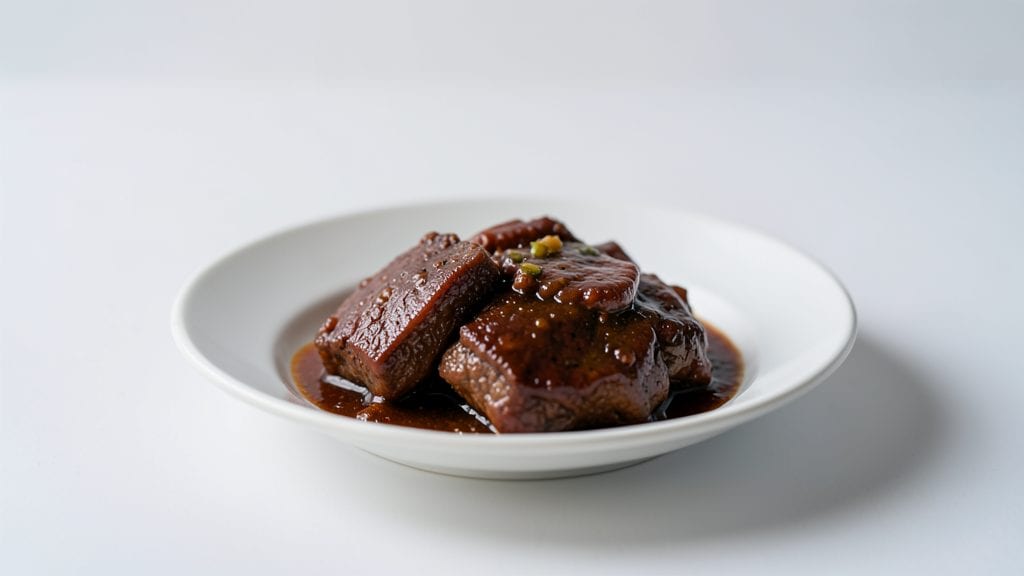
This sticky beef recipe delivers restaurant-quality results with a caramelized sauce that clings to every bite like liquid gold. ✨ The secret lies in thin-slicing tender beef and balancing sweet, savory, and umami flavors through a precise marinade and reduction technique that transforms simple ingredients into something extraordinary.
I've perfected this method over years of testing, ensuring the sauce achieves that signature glossy finish without burning or cloying sweetness.
The process begins with a marinade that tenderizes the beef while infusing it with aromatic flavors, followed by a high-heat sear that locks in juices and develops a caramelized crust. The sauce—simmered to a syrupy consistency—coats the beef in a sticky, glossy layer that's both sweet and deeply savory.
This isn't just another beef recipe; it's a technique that elevates humble ingredients into a dish worthy of celebration.
By the time you plate it, you'll have perfectly tender beef slices swimming in a rich, caramelized sauce that glistens under the light. The texture is unmatched: tender beef with a slight bite, all enveloped in a sauce that's neither too sweet nor too heavy.
Serve it over steamed rice or alongside pickled vegetables to balance the richness, and prepare for compliments that'll make this your go-to recipe for special occasions.
This method works equally well for weeknight dinners or dinner party centerpieces, scaling effortlessly from two servings to a crowd. The key is patience—letting the sauce reduce properly and the beef cook just until it's tender but still holds its shape.
Trust the process, and you'll achieve results that taste like they came from a high-end Asian bistro. Let's get started on creating this dish that's as impressive to make as it is to eat.
Ingredients for sticky beef
Restaurant-quality sticky beef starts with these 15 ingredients—simple yet transformative when combined.
| Ingredient | Amount | Notes |
|---|---|---|
| Beef Top Round 🥩 | 1 ½ lb | Thinly sliced against grain |
| Soy Sauce 🍶 | ½ cup | High-quality, reduced variety |
| Honey 🍯 | ¼ cup | Pure, unprocessed preferred |
| Garlic Cloves 🧄 | 6 cloves | Minced, fresh preferred |
| Fresh Ginger 🌿 | ¼ cup | Finely grated, peeled |
| Sesame Oil 🫒 | 1 tbsp | Toasted, for aroma |
| Rice Vinegar 🍶 | ¼ cup | Seasoned preferred |
| Brown Sugar 🍚 | ¼ cup | Light or dark preferred |
| Cornstarch 🌾 | 1 tbsp | For sauce thickening |
| Water 💧 | ½ cup | Room temperature |
| Vegetable Oil 🫒 | 2 tbsp | High smoke point |
| Kosher Salt 🧂 | 1 ½ tsp | Adjust to taste |
| Black Pepper 🌶️ | ½ tsp | Freshly ground |
| Green Onions 🧅 | ¼ cup | Sliced, for garnish |
| Sesame Seeds 🌾 | 1 tbsp | Toasted, for garnish |
The beef selection is critical. Top round delivers the perfect balance of tenderness and structure when sliced thinly against the grain—Costco or Whole Foods carry excellent pre-sliced options, but if buying whole, ask your butcher to slice it for you. Fresh ginger should be vibrant and firm—skip any shriveled roots, as they lose potency quickly. For the soy sauce, Kikkoman or Lee Kum Kee are reliable choices, but any high-quality reduced variety will work. The honey should be unprocessed (like Manuka or clover) to avoid artificial flavors that can overpower the delicate balance of the sauce.
No sesame oil? Toasted peanut oil works surprisingly well, though the flavor profile shifts slightly. Running short on rice vinegar? Apple cider vinegar at half the amount keeps the acidity balanced. The cornstarch is non-negotiable for that signature glossy finish—Bob's Red Mill is my go-to brand, but any high-quality food-grade starch will do. For the brown sugar, light brown provides a smoother finish, while dark brown adds deeper molasses notes. If you're gluten-sensitive, ensure your soy sauce is tamari-based—many brands offer gluten-free versions without sacrificing depth. The green onions should be bright and crisp, not wilted, for that final pop of freshness.
This sauce reheats beautifully—simmer gently until just warmed through to preserve its glossy texture. Store leftovers in an airtight container for up to 5 days in the fridge, or freeze for 3 months. For a restaurant-style presentation, keep the sesame seeds and green onions separate until serving—toast the seeds in a dry pan for 30 seconds just before plating to maximize aroma. The beef itself can be cooked ahead and stored separately, then reheated in the sauce for 2-3 minutes to maintain tenderness.
Why You'll Love This Recipe
- One-Pan Magic: The beef cooks right alongside the sauce—no extra pots, no extra stress. Just slice, sear, and let that soy-honey glaze work its magic while you toss a quick side salad or microwave some rice.
- Sweet-Savory Balance: That honey and soy sauce combo? It’s like a hug for your taste buds—sweet enough to make you lick the plate, but the ginger and garlic keep it sharp and bright. (Yes, even on a Tuesday night.)
- Leftover Goldmine: This beef stays tender and flavorful for days. I’ve reheated slices in a pan the next morning with scrambled eggs, or tossed them into noodles for a lazy lunch. It’s my go-to for busy mornings.
- Budget-Friendly Powerhouse: Top round is affordable, and a single pan of this feeds four for under $15. Honestly, I’ve made it for date nights, potlucks, and even my picky teen’s after-school snack—it’s that universally loved.
Step-by-step instructions for sticky beef with molten caramelized sauce
Here's the precise method to transform tough beef into tender, glossy perfection.
🔥 Step 1: Sear the Beef for Maximum Flavor
Heat the 2 tablespoons vegetable oil in a large skillet over medium-high heat until shimmering. Add the 1.5 lb beef top round sliced against the grain and sear for 2-3 minutes per side until deeply browned. You'll see the edges develop a rich crust—this is your flavor foundation.
Remove the beef and set aside. If the pan isn't completely dry after searing, wipe it clean with a paper towel. The residual fat will prevent your sauce from sticking later. Here's the thing—this initial sear locks in juices and creates the Maillard reaction that builds deep umami flavor in your sauce.
🍳 Step 2: Build the Glossy Sauce Base
In the same skillet, add 6 cloves minced garlic and 0.25 cup finely grated fresh ginger. Cook for 30 seconds until fragrant but not browned—burnt aromatics will make the sauce bitter. Immediately pour in 0.5 cup soy sauce, 0.25 cup honey, and 0.25 cup brown sugar, stirring constantly.
Let the mixture simmer for 3-4 minutes until it thickens slightly and begins to caramelize. You're looking for a deep amber color and a syrupy consistency. This is where the magic happens—the combination of soy, honey, and brown sugar creates that signature sticky texture while balancing sweet and savory notes perfectly.
🥘 Step 3: Thicken and Finish the Sauce
In a small bowl, whisk together 1 tablespoon cornstarch with 0.5 cup water until smooth. Pour this slurry into the skillet while stirring vigorously. Add 0.25 cup rice vinegar and 1 tablespoon sesame oil, then return the beef to the pan. Simmer for 5-6 minutes until the sauce coats the back of a spoon and becomes glossy.
The sauce should now cling beautifully to the beef, forming those coveted sticky strands. If it thickens too quickly, add 1-2 tablespoons water to maintain the perfect consistency. Real talk: This is the moment that matters—your sauce should be thick enough to coat but still flow slightly when the pan tilts.
⏰ Step 4: Rest and Garnish for Presentation
Transfer the beef to a serving platter and tent loosely with aluminum foil. Let it rest for 5 minutes—this crucial step allows the juices to redistribute throughout the meat, ensuring each bite stays moist. While resting, heat a small skillet over low heat and toast the 1 tablespoon sesame seeds for 1 minute until golden and fragrant.
Garnish the beef with the toasted sesame seeds and 0.25 cup sliced green onions. The contrast of crisp green onions against the glossy sauce adds visual appeal and freshness. Serve immediately with steamed rice to soak up every last sticky, flavorful drop of that perfect caramelized sauce.
Pro Tips For Making Sticky Beef
- Slice Against the Grain: Top round beef is tough when cut with the grain—so slice it perpendicular before cooking. Thin, even strips (about ¼-inch thick) caramelize faster and stay tender. I used to ignore this and ended up with chewy, sad beef; now it melts in my mouth.
- Deglaze Immediately: As soon as you pull the beef off the pan, pour in that sticky browned garlic-ginger fond right away. Scrape every bit—it’s packed with flavor you’ll lose if you wait. I learned this the hard way when my sauce tasted bland because I let it sit.
- Balance Sweet and Salty: Start with a 1:1 ratio of soy sauce to honey (e.g., 2 tbsp each), then taste. If it’s too sweet, add a splash more soy; if too salty, drizzle in honey. My first batch was cloyingly sweet because I skipped the mid-cook taste test.
- Use a Splatter Screen: When tossing in minced garlic and ginger, pop on a splatter screen—this stuff explodes when raw. No screen? Angle the pan away from you and keep a damp towel handy. I’ve had garlic splatter onto my stove fan more times than I’d like to admit.
Perfect pairings for sticky beef
Rice Pairings
Steamed jasmine rice is the classic choice—its delicate floral notes complement the sauce's caramelized depth without overpowering it. For extra texture, try short-grain sushi rice cooked with a touch of mirin and sake, which adds subtle sweetness.
I often serve it with sesame seeds sprinkled on top right before eating to enhance the nutty aroma. 🌾
Pickled Vegetables
Quick-pickled cucumbers or radishes cut through the richness beautifully. Use a simple brine of 1 cup rice vinegar, ½ cup water, 2 tbsp sugar, and 1 tsp salt—let them pickle for at least 30 minutes before serving. The crisp acidity balances the sauce's sweetness, creating a perfect bite. For a Korean-inspired twist, add gochugaru (Korean chili flakes) to the brine. 🥒
Side Dish Contrasts
A steamed bok choy with a drizzle of toasted sesame oil adds freshness and color to the plate. Alternatively, miso-glazed eggplant provides a smoky depth that pairs wonderfully with the beef's caramelized notes. I also love serving cold soba noodles with a light ponzu dressing for a refreshing contrast. 🥬
Beverage Pairings
A crisp Japanese sake like Junmai Ginjo with its clean finish and subtle sweetness elevates the dish. For beer lovers, a light lager or pilsner (like Asahi Super Dry) keeps the palate fresh between bites.
If you prefer wine, a dry Riesling offers bright acidity that cuts through the sauce's richness. 🍶
Garnish Upgrades
Toast 1 tbsp black sesame seeds in a dry pan for 30 seconds until fragrant, then sprinkle over the beef just before serving. Fresh cilantro leaves add a bright contrast, while thinly sliced scallions bring an oniony crunch.
For a restaurant-style touch, drizzle with chili oil or sriracha for those who crave heat. 🌶️
Nutrition facts
Frequently asked questions
Can I use a different cut of beef for this recipe?
Yes, but thin-slicing is key! Flank steak or sirloin work beautifully—they're lean and tender when sliced against the grain. Avoid fatty cuts like ribeye, as they can make the sauce greasy. For extra tenderness, marinate for 1-2 hours before cooking.
How do I fix a sauce that's too thick or too thin?
For a sauce that's too thick, whisk in 1-2 tablespoons water while stirring constantly. If it's too thin, mix ½ teaspoon cornstarch with 1 tablespoon water, stir into the sauce, and simmer for 1-2 minutes until it thickens. The goal is a glossy, syrupy consistency that clings to the beef.
Can I make this recipe in a slow cooker?
Sear the beef first, then transfer it to the slow cooker with all sauce ingredients. Cook on low for 4-5 hours or high for 2-3 hours, stirring occasionally. The low-and-slow method keeps the beef tender and the sauce perfectly balanced. Just reduce the water in the cornstarch slurry by 2 tablespoons since slow cooking reduces moisture differently.
What's the best way to reheat leftovers?
Reheat gently in a skillet over low-medium heat with 1 tablespoon water to prevent drying. Cover and cook for 3-4 minutes, stirring occasionally, until warmed through. Avoid microwaving—it can make the sauce rubbery and the beef tough. For best results, store components separately and reheat the sauce and beef together.
How can I make this dish less sweet?
Reduce the honey to 1-2 tablespoons and increase the soy sauce to ⅔ cup instead of ½ cup. Add ½ teaspoon fish sauce for deeper umami without sweetness. Also, use light brown sugar instead of dark for a milder caramel flavor. Taste as you go—balance is everything!