
Main Courses
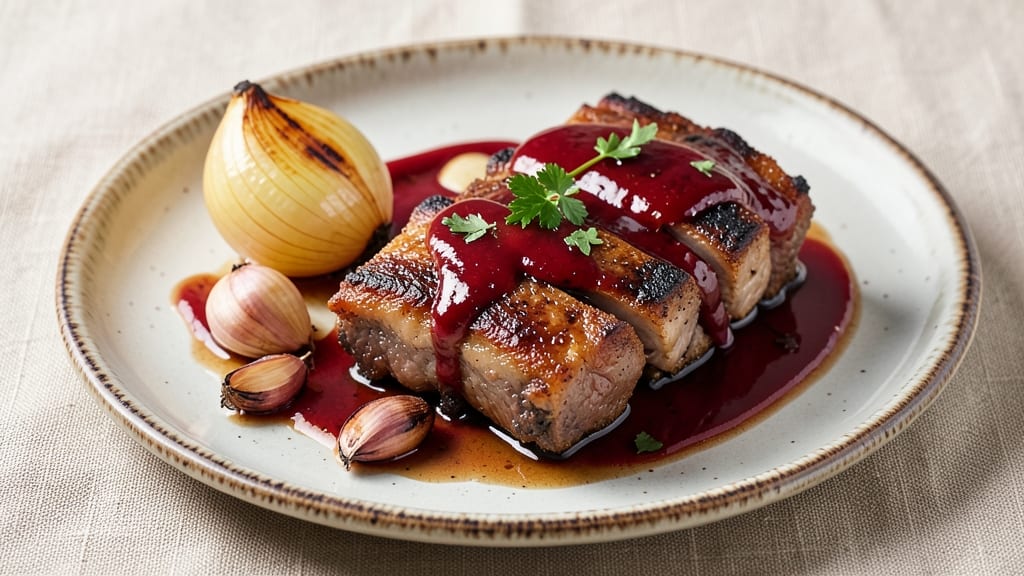
This tender beef short ribs recipe transforms tough cuts into melt-in-your-mouth luxury with braising precision that rivals high-end steakhouses. The secret lies in slow cooking until the meat practically falls apart, creating a rich, velvety sauce that clings to every bite.
I’ve perfected this technique over years of testing, ensuring the ribs stay moist while developing deep, caramelized flavors.
What sets this recipe apart is the combination of low-and-slow braising with a high-heat sear at the end, locking in tenderness while building a glossy, buttery sauce.
You’ll need just five key ingredients—beyond the ribs themselves—and about three hours of hands-off cooking time, making it ideal for weekend projects or meal prep. The result? Ribs so tender they require no utensils, paired with a sauce so rich it deserves a spoon.
By the final bite, you’ll experience the perfect balance of textures: crisp edges from the sear, velvety meat that dissolves at the touch of a fork, and a sauce thick enough to coat each rib generously.
This isn’t just dinner—it’s an experience, one that transforms a simple protein into a centerpiece worthy of celebration. The technique is straightforward, but the reward is unforgettable.
Serve with roasted root vegetables or creamy mashed potatoes to soak up every last drop of that luxurious sauce. The leftovers reheat beautifully, making this recipe a foolproof way to impress guests or indulge yourself. Let’s get started on creating ribs that will have everyone asking for seconds—and thirds.
Ingredients for tender beef short ribs
Five essential ingredients transform tough beef short ribs into melt-in-your-mouth luxury through precise braising techniques.
| Ingredient | Amount | Notes |
|---|---|---|
| Beef Short Ribs 🥩 | 2 lb | Bone-in, 1.5-2 inches thick |
| Yellow Onion 🧅 | 1 whole | Cut into 1-inch chunks |
| Fresh Garlic Cloves 🧄 | 6 cloves | Peeled, smashed slightly |
| Dry Red Wine 🍷 | 1 cup | Bold Cabernet Sauvignon preferred |
| Beef Broth 💧 | 2 cups | Low-sodium preferred |
| Tomato Paste 🍅 | 2 tbsp | Smooth, not chunky |
| Unsalted Butter 🧈 | 4 tbsp | Cold, cubed for finishing |
| Fresh Thyme 🌿 | 2 sprigs | Stems removed, leaves only |
| Fresh Rosemary 🌿 | 1 sprig | Needles only, chopped |
| Diamond Crystal Kosher Salt 🧂 | 1 ½ tsp | For seasoning, adjust to taste |
| Freshly Ground Black Pepper 🌶️ | 1 tsp | Coarsely ground |
| Olive Oil 🫒 | 2 tbsp | High smoke point |
The ribs are the foundation—look for bone-in cuts with good marbling from a trusted butcher or Whole Foods meat counter. Thickness matters: 1.5-2 inches ensures proper doneness without drying out. If buying pre-cut, check for even thickness and avoid any with exposed bone edges. For the wine, bold Cabernet Sauvignon delivers the best depth, but Merlot or Zinfandel work well too. The beef broth should be low-sodium to control seasoning, and Homemade or high-quality store-bought (like Kitchen Basics) makes a noticeable difference. Fresh herbs elevate the dish—thyme and rosemary add aromatic complexity that dried versions can't replicate.
No red wine? Substitute with beef broth plus 1 tbsp balsamic vinegar for acidity. The tomato paste can be omitted entirely if you dislike its intensity, but it adds umami depth that complements the braising. For butter, full-fat is non-negotiable—it creates the signature glossy sauce. If you're short on time, pre-cut ribs save preparation steps, though trimming excess fat ensures cleaner searing. The olive oil should have a high smoke point (like Avocado or Light Olive Oil) to prevent burning during the sear. For storage, wrap ribs tightly in parchment before refrigerating to prevent drying.
This dish reheats beautifully—best served at room temperature after reheating gently in the sauce. Store in an airtight container for up to 4 days in the fridge, or freeze for 3 months by portioning into individual containers. The sauce thickens further when chilled, so add a splash of broth if it becomes too stiff. For presentation, garnish with fresh herbs right before serving to maintain vibrant color. Leftovers make excellent sandwiches or tacos the next day—just warm through and assemble with your favorite toppings.
Why You'll Love This Recipe
- I’ll be real: I often make this on Sunday because the flavor gets better after sitting overnight. Reheat the ribs in the same pan with a splash of broth, and they’re just as tender—perfect for quick lunches or feeding unexpected guests.
- Wine Simmer Magic: Honestly, the red wine and garlic turn these ribs into something special—like a fancy dinner that somehow still feels effortless. That deep, savory broth clings to every bite, and the wine adds this unexpected richness that makes it taste like a restaurant dish.
- One-Pan Unfussy: Between us, I’ve tried complicated braising methods, but this recipe nails it with just a sheet pan and 30 minutes of hands-off cooking. The onions caramelize right alongside the ribs, so you’re not stuck with a mess—just one pan to clean.
- Leftovers That Shine: I’ll be real: I often make this on Sunday because the flavor gets better after sitting overnight. Reheat the ribs in the same pan with a splash of broth, and they’re just as tender—perfect for quick lunches or feeding unexpected guests.
Step-by-step instructions for braised beef short ribs
Here's the method that transforms tough beef short ribs into melt-in-your-mouth perfection.
Sear the Short Ribs for Maximum Flavor
Heat a heavy Dutch oven over medium-high heat until hot. Add the 2 tablespoons of olive oil and swirl to coat the bottom evenly. Working in batches to avoid crowding, place the 2 lb beef short ribs bone-side down in the pan. Press down gently on each rib with a spatula to ensure even contact with the hot surface.
Sear for 4-5 minutes per side until deep golden brown crusts form. This initial searing creates the Maillard reaction that develops rich, caramelized flavors. If the pan starts smoking excessively, reduce heat slightly but maintain steady contact. Once all ribs are browned, remove them and set aside on a plate.
Build the Aromatic Base
In the same Dutch oven, add the 1 whole yellow onion cut into 1-inch chunks and the 6 cloves of smashed garlic. Cook for 5-6 minutes until the onions soften and begin to caramelize at the edges. This process enhances their natural sweetness and forms the flavor foundation.
Stir in the 2 tablespoons of tomato paste and cook for 1 minute until it darkens slightly. Add the 1 cup of dry red wine and scrape up any browned bits from the bottom of the pan using a wooden spoon. This deglazing step captures all the concentrated flavors that would otherwise burn. Let the wine simmer for 3-4 minutes until reduced by half.
Braise Until Fork-Tender
Return the seared short ribs to the Dutch oven. Pour in the 2 cups of beef broth, then add the 2 sprigs of fresh thyme and 1 sprig of chopped fresh rosemary. Sprinkle with the 1.5 teaspoons of diamond crystal kosher salt and 1 teaspoon of freshly ground black pepper. Bring to a gentle simmer, then cover tightly with a lid.
Transfer to a preheated 325°F oven and braise for 2.5-3 hours, turning the ribs occasionally. The ribs are done when they easily pull apart with a fork and the meat is fork-tender throughout. The cooking liquid should reduce significantly, creating a rich, concentrated sauce. If it reduces too quickly, add a splash of water or broth during cooking.
Finish with Butter and Rest
Remove the ribs from the braising liquid and transfer them to a serving platter. Strain the cooking liquid through a fine-mesh sieve into a clean saucepan and skim off any excess fat. Return the liquid to medium heat and whisk in the 4 tablespoons of cold unsalted butter, one piece at a time, until fully incorporated and the sauce emulsifies.
Let the short ribs rest for 10 minutes before serving. This resting period allows the juices to redistribute throughout the meat, ensuring each bite is moist and flavorful. Spoon the finished sauce over the ribs and serve immediately with the reduced cooking liquid ladled over the top.
Pro Tips For Making Tender Beef Short Ribs
- Sear Them Hard: Cast iron or stainless steel only—get that pan screaming hot and walk away for 3-4 minutes. I used to rush this, and my ribs ended up gray and tough. Let the crust form before touching them.
- Trim the Fat, Not the Flavor: Leave the fat cap intact—it bastes the meat and adds richness. Just slice off any large chunks that might float away. My first attempt with bone-dry ribs? Disaster. The fat is your friend here.
- Deglaze Like a Pro: After searing, don’t just splash in the wine—scrape every last bit of browned bits from the pan first. Those bits hold the deep, meaty flavor. I learned this after tasting a sauce that was… well, just fine, but not great.
- Simmer Slow and Low: Cover the pot and cook at 300°F (150°C) for at least 2.5 hours, checking occasionally to add broth if needed. Patience here means the difference between fork-tender and "still chewy" ribs. Yes, even if you’re staring at the clock like I was.
Regional styles of these flavors
Texas BBQ Style
In Texas, beef short ribs are often braised with bold spices and a touch of sweetness. I like to add 1 tablespoon smoked paprika and 1 teaspoon brown sugar to the braising liquid, along with a splash of Texas-style BBQ sauce (like Stark's) at the end.
The ribs are then finished with a crispy crust by broiling for 3-4 minutes—this technique creates a perfect balance of smoky, sweet, and savory flavors. Serve with classic white bread for dipping in the rich sauce. 🌶️
French Bourguignon
The French approach transforms short ribs into a luxurious bœuf bourguignon by incorporating mushrooms and pearl onions into the braising liquid. I use 8 oz cremini mushrooms and 1 cup pearl onions, both sautéed until golden before adding the ribs.
A splash of red wine (like Burgundy) and a bay leaf elevate the dish to restaurant-quality. The sauce is finished with a touch of cognac for depth. 🍷
Korean Galbi-Inspired
For a Korean-inspired twist, marinate the ribs overnight in a blend of soy sauce (½ cup), brown sugar (¼ cup), sesame oil (2 tbsp), and grated ginger (1 tbsp).
After searing, braise with 1 cup Korean red pepper flakes (gochugaru) and 1 tbsp fish sauce for a sweet-spicy kick. Finish with toasted sesame seeds and sliced green onions. Serve with steamed rice and kimchi for a full meal. 🌶️
Italian Osso Buco
Italian chefs often prepare short ribs as osso buco, slow-cooking them with gremolata (lemon zest, garlic, parsley) and a splash of white wine. I add 1 cup tomato passata and a pinch of nutmeg to the braising liquid for warmth.
The ribs are finished with a quick sear in butter and served with risotto or polenta to soak up the sauce. The acidity from the wine brightens the rich meat. 🍋
Chinese Red-Braised
In Chinese cuisine, short ribs are braised with a sweet-savory sauce made from soy sauce (½ cup), hoisin sauce (2 tbsp), rock sugar (2 tbsp), and star anise.
The ribs are first parboiled to remove impurities, then slow-cooked until tender. The sauce thickens into a glossy glaze. Garnish with scallions and serve with steamed buns or jasmine rice. 🌟
Modern Fusion Approach
For a contemporary twist, I blend techniques: sear the ribs as usual, then braise with miso paste (1 tbsp), honey (1 tbsp), and sriracha (1 tsp).
Finish with a drizzle of yuzu kosho for a balance of umami, sweet, and heat. This fusion style works beautifully with roasted sweet potatoes and wilted spinach. 🔥
Nutrition facts
Frequently asked questions
How long should I cook beef short ribs to get that fall-apart texture?
The key is low-and-slow cooking for 2.5-3 hours at 325°F until they pull apart easily with a fork. The ribs should be fork-tender, not just slightly firm. If using a slow cooker, cook on low for 6-8 hours instead.
Can I use bone-in or boneless short ribs for this recipe?
This recipe is designed for bone-in short ribs (1.5-2 inches thick), as the bone adds flavor and helps retain moisture. Boneless versions will cook faster but may dry out if overcooked. If using boneless, reduce cooking time by 30-45 minutes and check for doneness earlier.
What’s the best way to reheat leftover braised short ribs?
Reheat gently in the oven at 300°F for 20-25 minutes with a splash of broth to keep them moist. Avoid microwaving—they’ll dry out. For leftovers, store in an airtight container for up to 4 days, or freeze for 3 months.
Do I need to trim the fat off the short ribs before cooking?
Leave the fat on—it renders during cooking and enhances flavor. However, trim any excess surface fat (over ¼-inch) to ensure even searing. The fat also helps create a richer sauce.
Can I substitute red wine with something else?
Yes! Use 1 cup beef broth + 1 tbsp balsamic vinegar for acidity, or swap for 1 cup apple cider for a sweeter profile. Avoid non-alcoholic wine substitutes—they lack depth. The wine’s acidity tenderizes the meat and balances richness.